Source EN GB Standard Steel Bracket for industrial mounts, air purifiers, and machinery
Find 30 listings for EN GB Standard Steel Bracket options including stainless and carbon steel variants. Buyers can compare specifications like tolerance, surface treatment, and certifications from suppliers in China.
Key considerations
Products List
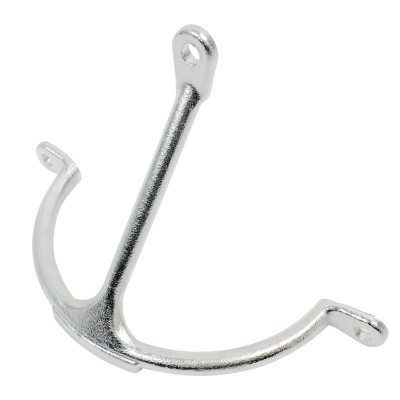


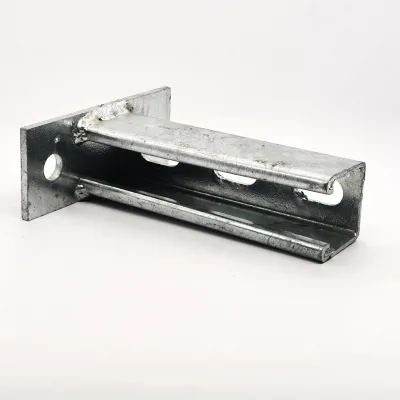


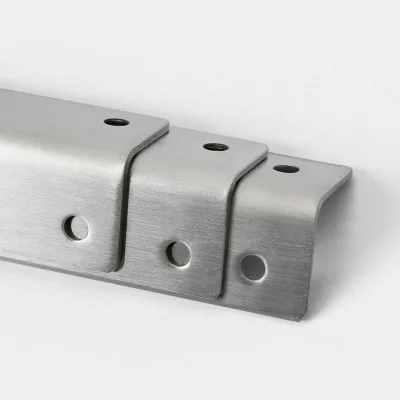


Comprehensive Sourcing Guide
Strategic Sourcing Guide for EN GB Standard Steel Brackets
The global industrial landscape relies heavily on precision metal components, with the EN GB Standard Steel Bracket representing a critical category for structural integrity and safety. Buyers seeking these components must navigate a complex supply chain where material composition, manufacturing tolerances, and regulatory compliance intersect. This guide provides a disciplined approach to sourcing, grounded in observed market data and verified technical parameters. The focus remains on understanding the specific attributes of stainless steel and carbon steel brackets, the significance of ASME, API, EN, and GB standards, and the operational realities of procurement from major manufacturing hubs in China.
Technical Specifications and Material Integrity
The foundation of any successful procurement strategy for steel brackets lies in the precise definition of material and dimensional specifications. Market observations indicate a clear divergence in material selection, with suppliers offering both Stainless Steel and Carbon Steel variants. The choice between these materials dictates the bracket's application environment, corrosion resistance, and load-bearing capacity. For instance, Stainless Steel is frequently cited for applications requiring high corrosion resistance, while Carbon Steel is often selected for general industrial usage where cost-effectiveness is paramount.
Dimensional precision is equally critical. The supplied data reveals a spectrum of tolerance capabilities among suppliers, ranging from +/-0.10mm to tighter tolerances of +/-0.01mm and 0.02mm. When sourcing EN GB standard brackets, buyers must verify that the supplier's machining capabilities align with the project's tolerance requirements. The manufacturing process often involves CNC Stamping, Cold Stamping, or Fine Blanking, with some suppliers utilizing Multistep Progressive Dies for high-volume production. The thickness of the material is another variable, with observed ranges spanning from 1mm to 8mm, though some suppliers offer customization based on specific demand.
Surface treatment also plays a vital role in the final product's performance. Options observed in the market include Brushed finishes, Electroplating, and other unspecified treatments. The selection of surface treatment must be validated against the environmental conditions of the bracket's end-use, such as exposure to moisture, chemicals, or abrasive elements. Furthermore, the structural design can vary, with some brackets classified as "Adjustable" or "Other" types, necessitating a clear understanding of the mechanical requirements before placing an order.
Compliance with International and National Standards
Adherence to standards is non-negotiable in the procurement of industrial steel components. The core keyword "EN GB standard" implies a requirement for compliance with European and British norms, but the market data shows a broader compliance landscape. Suppliers frequently list adherence to ASME (American Society of Mechanical Engineers), API (American Petroleum Institute), EN (European Norms), and GB (Guobiao, the Chinese national standard).
When evaluating a supplier, buyers must explicitly request documentation proving compliance with the specific standards relevant to their industry. For example, the aerospace or automotive sectors may require strict adherence to ISO 9001 and TS 16949 certifications, which are observed in the supplier pool. It is essential to distinguish between "Standard" and "Non-standard" products, as the latter may require custom tooling and engineering validation. The presence of a "Standard" designation in product listings suggests that the item conforms to established industry norms, but the buyer must confirm which specific version of the EN or GB standard is being met, as these standards evolve over time.
The following table outlines the key standards and their typical relevance in bracket procurement:
| Standard Code | Origin/Region | Typical Application Context | Verification Requirement |
|---|---|---|---|
| EN | European Union | General industrial machinery, construction | Request specific EN number (e.g., EN 10025) |
| GB | China | Domestic and export manufacturing | Confirm GB code version and material grade |
| ASME | USA | Pressure vessels, piping systems | Verify ASME code compliance for safety |
| API | USA | Oil and gas industry | Check API specification for material grade |
| ISO 9001 | International | Quality Management Systems | Review valid certificate and scope |
| TS 16949 | International | Automotive industry | Confirm current certification status |
Buyers should not assume that a "Standard" label implies full compliance with all listed codes. Instead, they must request a Certificate of Conformity (CoC) that explicitly references the specific standard numbers applicable to the ordered bracket.
Cost Drivers and Supply Chain Variables
Understanding the cost structure of steel brackets is essential for budgeting and negotiation. The observed price range in the market is extensive, spanning from $0.04 to $710 per unit. This wide variance is driven by several factors, including material type, complexity of the stamping process, surface treatment requirements, and order volume. Stainless Steel brackets generally command a higher price point than Carbon Steel equivalents due to raw material costs.
Minimum Order Quantity (MOQ) is another significant cost driver. Data indicates MOQs ranging from as low as 1 unit to as high as 10,000 units. Small businesses or prototyping projects may find suppliers with low MOQs, but they often face higher per-unit costs. Conversely, large-scale industrial procurement can leverage economies of scale, provided the supplier has the capacity to handle high volumes. The observed Supply Ability of 5,000 units per month suggests that while some suppliers can handle moderate volume, very large orders may require phased delivery or capacity verification.
Lead times also impact the total cost of ownership. Typical lead times observed range from 30 to 50 days. This duration accounts for material sourcing, machining, quality inspection, and packaging. Delays in the supply chain, such as raw material shortages or logistical bottlenecks, can extend these timelines. Buyers should factor in buffer time for production delays, especially when dealing with customizations or complex surface treatments like electroplating.
Typical Applications and Usage Scenarios
Steel brackets serve as fundamental components across a diverse array of industries. The observed usage categories include general industrial applications, automotive manufacturing, and specific equipment mounting. For instance, the market data mentions "Mounting Bracket for Air Purifier," highlighting the use of these components in consumer electronics and HVAC systems. In heavy industry, brackets are critical for securing machinery, piping, and structural elements.
The "Adjustable" nature of some brackets suggests applications where alignment or positioning flexibility is required, such as in assembly lines or modular construction. The "Metal Stamping Parts" classification indicates that these components are often integrated into larger assemblies where precision fit is crucial. In the automotive sector, brackets must withstand vibration and dynamic loads, making the choice of material and tolerance critical. Similarly, in the oil and gas industry, brackets must resist harsh environments, necessitating high-grade stainless steel and robust surface treatments.
Buyers should clearly define the end-use environment when sourcing. A bracket designed for indoor office equipment will have different requirements than one intended for offshore oil platforms. The "Industry" attribute listed as "Metal Stamping Parts" is a broad categorization; specific industry standards often dictate additional testing or material certifications that go beyond the basic product description.
Supplier Evaluation and Geographic Considerations
Geographic location plays a pivotal role in supplier selection. The primary manufacturing hubs identified in the data are Shandong, Jiangsu, and Hebei provinces in China. Each region has its own industrial strengths and supply chain ecosystems. Shandong and Jiangsu are known for their robust manufacturing capabilities, while Hebei is a significant center for steel processing.
When evaluating suppliers, buyers should look beyond the "Place of Origin" label. It is crucial to verify the supplier's actual production facility, quality control processes, and financial stability. The presence of OEM (Original Equipment Manufacturer) capabilities indicates that the supplier can produce custom designs, which is often necessary for specialized bracket applications. However, buyers must ensure that the OEM process includes rigorous design validation and prototyping stages.
Certifications are a primary indicator of supplier reliability. The observed certifications, including ISO 9001 and TS 16949, suggest a commitment to quality management. However, buyers should verify the validity of these certificates and ensure they cover the specific manufacturing processes involved. Additionally, the "Quality: 100% Inspection" claim observed in the data is a strong indicator of a supplier's confidence in their output, but it should be backed by documented inspection procedures and third-party audit reports.
Quality Control and Inspection Protocols
Quality control is the final gatekeeper in the procurement process. The data highlights several quality assurance measures, including "100% Inspection" and specific tolerance ranges. Buyers must establish a clear inspection protocol that aligns with the supplier's capabilities. This includes defining acceptance criteria for dimensional accuracy, surface finish, and material properties.
The tolerance levels observed, such as +/-0.01mm or 0.02mm, require high-precision measurement tools. Buyers should request sample inspections using calibrated equipment to verify that the supplier can consistently meet these tight tolerances. Surface treatments like brushing or electroplating also require visual and functional testing to ensure durability and aesthetic consistency.
For critical applications, third-party inspection services may be necessary. These services can provide an independent verification of the product's compliance with the agreed-upon standards and specifications. The "Fine Blanking" and "Cold Stamping" processes mentioned in the data require specific expertise; buyers should ensure that the supplier's quality control team is trained in these specific techniques.
Long-Term Procurement and Relationship Management
Sourcing steel brackets is not a one-time transaction but a long-term relationship that requires ongoing management. Buyers should consider the supplier's ability to scale production, their responsiveness to design changes, and their commitment to continuous improvement. The "Customization: Available" attribute suggests that suppliers are flexible, but this flexibility must be managed through clear communication and documented change orders.
Supply chain resilience is another long-term consideration. With lead times of 30-50 days, buyers should maintain a buffer stock or develop relationships with multiple suppliers to mitigate the risk of disruptions. The "Wooden Pallet, Wooden Case" and "Bubble Bag, Cartons" packaging options indicate that suppliers are aware of the need for secure transportation, but buyers should verify that packaging meets specific shipping requirements to prevent damage during transit.
Finally, buyers should monitor market trends and material price fluctuations. Steel prices are volatile, and these fluctuations can impact the cost of brackets. Establishing long-term contracts with price adjustment mechanisms can help stabilize costs and ensure a steady supply of high-quality components. By focusing on technical precision, compliance, and supplier reliability, buyers can secure a robust supply chain for EN GB standard steel brackets that supports their operational goals.
FAQs
What materials are used for en gb standard steel brackets?
Suppliers offer both stainless steel and carbon steel variants for these brackets. The choice depends on corrosion resistance needs versus cost-effectiveness, with thickness ranging from 1 to 8 millimeters.
Which certifications do manufacturers typically hold for these brackets?
Many suppliers provide ISO 9001 and TS 16949 certifications to ensure quality management. These credentials are essential for automotive and industrial applications requiring strict compliance with international standards.
How precise are the tolerances for en gb standard steel brackets?
Tolerance capabilities vary significantly, ranging from plus or minus 0.10 millimeters to tighter limits of plus or minus 0.01 millimeters. Buyers must verify specific machining capabilities like CNC stamping against project requirements.
Can suppliers customize the packaging for en gb standard steel brackets?
Yes, customization is available for packaging options such as wooden pallets, bubble bags, or plastic film. Specific packing methods depend on the order volume and shipping requirements to ensure product safety.
What is the typical lead time for en gb standard steel brackets?
Typical lead times observed in the market range from 30 to 50 days. This duration covers material sourcing, machining, quality inspection, and packaging before shipment from manufacturing hubs in China.
Which standards do these brackets comply with besides EN and GB?
Products frequently comply with ASME, API, and various Chinese GB codes alongside European norms. Buyers should request specific standard numbers to confirm compliance for their specific industry sector.
What is the minimum order quantity for en gb standard steel brackets?
Minimum order quantities range from 1 unit for prototypes up to 10,000 units for large industrial orders. Suppliers with lower MOQs may charge higher per-unit costs compared to bulk buyers.