Source Lime Zipper Coin Holder for Shopping, Travel, and Daily Life
Compare 30 listings for the Lime Zipper Coin Holder from verified suppliers in China. Buyers can evaluate customization options, materials like paper or leather, and pricing details for bulk orders.
Key considerations
Products List


Mini Coin Purse Leather Squeeze Coin Purse Pouch Change Holder for Men Women
$0.98 - $1.25
MOQ: 100 Pieces

Outdoor Sports Zipper Bags Multifunctional Portable Coin Purse Key Card Case Belt
$0.85 - $1.65
MOQ: 100 Pieces


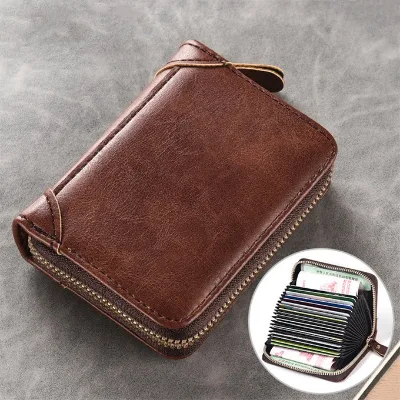


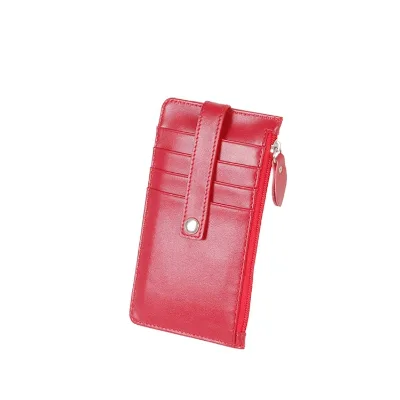
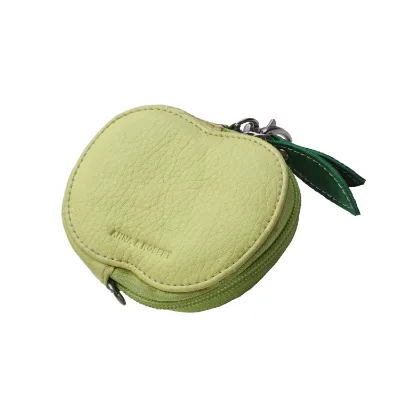


Cotton ID Credit Card Holder Facemask Coin Bag Purses Card Cotton Zipper Pouch
$0.46 - $1.10
MOQ: 500 Pieces


Comprehensive Sourcing Guide
Strategic Sourcing Guide for Lime Zipper Coin Holders
Understanding Product Specifications and Material Variability
When sourcing a Lime Zipper Coin Holder, the primary challenge lies in reconciling the specific color and functional requirements with the diverse material profiles available in the global market. The core keyword implies a compact, secure storage solution with a distinct aesthetic. While the specific "lime" color is a visual requirement, the underlying construction materials vary significantly between suppliers. Based on observed market data, coin holders and similar small pouches are frequently manufactured from paper, leather, or nylon. Each material presents unique trade-offs regarding durability, cost, and environmental impact.
Paper-based options, often cited with dimensions around 8.5cm by 20.5cm, offer a lightweight and eco-friendly profile, with weights typically under 0.5 Kg. These are suitable for promotional events where branding is paramount. However, for a functional coin holder intended for daily use, paper may lack the necessary structural integrity unless treated with waterproof coatings. In contrast, leather options provide a premium feel and are often described as having a "medium soft" hardness, suitable for a "simplicity" style. Nylon variants, sometimes found in pink or other colors, offer high durability and water resistance, making them ideal for travel or beach applications. The "lime" color specification must be verified against the supplier's standard color palette, as some manufacturers may only offer black, pink, or standard neutral tones, requiring a custom dyeing process.
The physical dimensions are another critical variable. While some product models list specific standard sizes like 10cm by 10cm by 10cm or 9cm by 2.5cm by 11.5cm, others offer fully customizable dimensions. A buyer must determine if the "coin holder" requires a specific internal volume to accommodate standard currency or if a flat, card-sized profile is sufficient. The zipper mechanism itself is a functional component that must be compatible with the chosen material; a heavy-duty zipper on a thin paper bag would fail, whereas a lightweight zipper on a thick leather pouch might add unnecessary bulk.
Compliance, Certification, and Safety Standards
Navigating the compliance landscape for small leather goods and textile accessories requires careful verification of supplier certifications. In the B2B sector, products often carry certifications such as CE or SGS, which indicate adherence to specific safety and quality benchmarks. However, the presence of these certifications is not universal across all product listings. Some suppliers may list CE and SGS as standard attributes, while others may not provide any certification data. Buyers must explicitly request proof of these certifications before placing an order, as the absence of documentation does not necessarily mean a product is non-compliant, but it does increase procurement risk.
For products originating from regions like Qingdao or Anhui in China, local manufacturing standards apply, but international buyers often require adherence to global norms. The "Standard" attribute in product listings can sometimes refer to physical dimensions (e.g., 40cm x 35cm x 12cm) rather than regulatory compliance. This ambiguity necessitates a clear distinction between size standards and safety standards. Buyers should verify if the materials used, particularly leather and nylon, meet specific chemical safety regulations regarding azo dyes or heavy metals, especially if the product is intended for children or general consumer use.
Furthermore, the "OEM/ODM" capability of a supplier is a proxy for their ability to meet custom compliance needs. If a buyer requires a specific fire-retardant rating or a specific eco-friendly certification, the supplier must confirm their ability to source materials that meet these criteria. The "Acceptable" status for OEM/ODM suggests flexibility, but it does not guarantee that the specific certification requested is available. Therefore, the procurement strategy must include a pre-production phase where the supplier provides material safety data sheets (MSDS) or third-party test reports to validate that the lime-colored zipper and the body material meet the target market's regulatory requirements.
Cost Drivers and Pricing Dynamics
The pricing structure for lime zipper coin holders is influenced by a complex interplay of material costs, customization levels, and order volume. Observed market data indicates a wide price range, from as low as $0.10 to nearly $30.00 USD. This significant variance is primarily driven by the material composition and the level of customization. A basic paper coin holder with screen printing will naturally fall at the lower end of the spectrum, whereas a handmade leather item with a custom zipper and logo will command a premium price.
Order quantity is another critical cost driver. The Minimum Order Quantity (MOQ) varies widely, with some suppliers requiring as few as 500 pieces, while others set the threshold at 1,000 or even 2,000 pieces. Suppliers with higher MOQs often offer lower unit prices due to economies of scale. Conversely, buyers seeking smaller batches may face higher per-unit costs or be forced to pay a setup fee for custom molds and color matching. The payment terms, typically structured as a 30% deposit with the balance against a copy of the bill of lading, also impact cash flow and overall project cost.
Customization adds a layer of cost complexity. Features such as a custom logo, specific stitching patterns, or unique dimensions require additional setup time and resources. The "Sample Time" of 5-7 days indicates that the customization process is not instantaneous and may incur additional sampling fees. Buyers should budget for these variable costs, understanding that the "Newest Fashionable" or "Normcore/Minimalist" styles may require more intricate production processes, such as hand-stitching or offset printing, which are more expensive than standard screen printing.
Typical Applications and Market Fit
The versatility of the Lime Zipper Coin Holder allows it to serve multiple market segments, from promotional giveaways to personal accessories. The "Usage" attributes observed in the market include shopping bags, gift bags, travel bags, and beach bags, suggesting that the product can be adapted for various carrying needs. For promotional purposes, the "Suit for: Promotion" attribute highlights its utility as a branded item for corporate events or trade shows. The ability to accept a customized logo makes it an ideal vehicle for brand visibility.
In the consumer market, the "Gender: Unisex" and "Season: All" attributes indicate broad appeal. The "Fashion Element" of stitching and the "Style" of simplicity or normcore suggest that these items are designed to complement modern, minimalist wardrobes. The "Hardness" ranging from soft to medium soft ensures comfort when carried in a pocket or hand. For travel applications, the "Waterproof" attribute is a key selling point, protecting coins and cards from moisture. However, buyers must verify if the waterproofing is a surface treatment or an inherent material property, as this affects the product's longevity and care instructions.
The specific application also dictates the required durability. A coin holder intended for daily life use in a pocket requires a different level of wear resistance compared to one used for a single event. The "Type: Hand-Held" classification suggests that the product is designed to be carried by hand, which may influence the handle design or the overall size. Buyers should align the product specifications with the intended use case to ensure customer satisfaction and reduce the risk of returns due to functional mismatch.
Supplier Evaluation and Production Capabilities
Evaluating a supplier for a Lime Zipper Coin Holder requires a deep dive into their production capabilities and logistical reliability. The "Origin" of the product, whether from Qingdao, Anhui, or other regions in China, can influence shipping costs and lead times. Suppliers with a history of producing similar items, such as paper bags or leather goods, may have established supply chains that ensure consistency. The "Process" attributes, including screen printing and offset printing, indicate the supplier's technical proficiency in surface handling.
The "Packing" methods, ranging from individual OPP bags to carton packing, are also critical for logistics. A supplier that offers "1PC/Poly Bag + Carton" packing demonstrates attention to detail in protecting the product during transit. However, buyers must ensure that the packing method aligns with their own distribution requirements. For instance, if the buyer intends to sell the items in retail stores, the individual packaging must be attractive and informative.
Supplier reliability is further assessed through their "Sample Time" and "MOQ" flexibility. A supplier that can deliver samples within 5-7 days demonstrates a responsive production line. Additionally, the ability to accept custom orders (OEM/ODM) suggests a willingness to collaborate with buyers to meet specific needs. Buyers should request references or case studies from previous clients to verify the supplier's track record. It is also essential to confirm the supplier's capacity to handle large orders without compromising quality, especially given the wide range of MOQs observed in the market.
Quality Control and Long-Term Procurement Strategy
Implementing a robust quality control (QC) strategy is essential for maintaining product integrity, particularly when dealing with custom colors like lime and varied materials. The "Hardness" and "Waterproof" attributes must be verified through physical testing. Buyers should establish clear acceptance criteria for color consistency, zipper functionality, and stitching quality. For leather items, checking for uniformity in the "Handmade" finish is crucial. For nylon items, verifying the tensile strength and water resistance is necessary.
Long-term procurement considerations involve building a sustainable relationship with the supplier. This includes negotiating favorable payment terms, such as the standard 30% deposit and 70% balance structure, and ensuring that the supplier can maintain consistent quality over multiple production runs. The "Standard" attributes, whether referring to dimensions or certifications, should be documented in the purchase agreement to avoid disputes. Buyers should also consider the environmental impact of their sourcing decisions, especially if they are targeting eco-conscious markets.
Finally, the "Style" and "Fashion Element" of the product must remain relevant to market trends. The "Newest Fashionable" attribute suggests that the product is designed to be current, but fashion trends shift rapidly. Buyers should plan for regular product updates and maintain a flexible supply chain that can adapt to changing consumer preferences. By focusing on these strategic elements, buyers can secure a reliable supply of high-quality lime zipper coin holders that meet both functional and aesthetic requirements.
FAQs
What materials are available for lime zipper coin holders?
Available materials include paper, leather, and nylon. Paper options are lightweight and suitable for promotions, while leather offers a premium feel and nylon provides durability and water resistance for travel or beach use.
Can suppliers customize the logo on these coin holders?
Yes, suppliers accept customized logos and OEM orders. Customization allows for branding on paper, leather, or nylon variants, though specific color requirements like lime may need verification against standard palettes.
What are the typical minimum order quantities for these items?
Minimum order quantities range from 500 to 1000 pieces depending on the supplier. Some vendors require 1000 pieces, while others accept orders starting at 500 pieces for standard or customized production runs.
How long does it take to receive samples for customization?
Sample production typically takes 5 to 7 days. This timeframe applies to creating prototypes for custom logos, specific dimensions, or material selections before full-scale manufacturing begins.
Which certifications are commonly associated with these products?
Common certifications include CE and SGS for safety and quality standards. These certifications indicate adherence to specific benchmarks, though buyers should verify documentation as availability varies by supplier.
What payment terms are standard for these orders?
Standard payment terms involve a 30% deposit with the balance paid against a copy of the bill of lading. This structure is typical for B2B transactions involving customization and bulk manufacturing.
Where are these coin holders typically manufactured?
Products originate from regions such as Qingdao and Anhui in China. These locations host factories capable of producing paper, leather, and nylon variants with varying levels of customization and packaging.