Source Engine Control 102-8019 for Excavators, Diesel Engines, and Industrial Machinery
Find and compare 30 listings for engine control 102-8019 suitable for excavators, diesel engines, and industrial applications. These new parts offer customization options, various packing methods, and global shipping from China with sufficient stock availability.
Key considerations
Products List


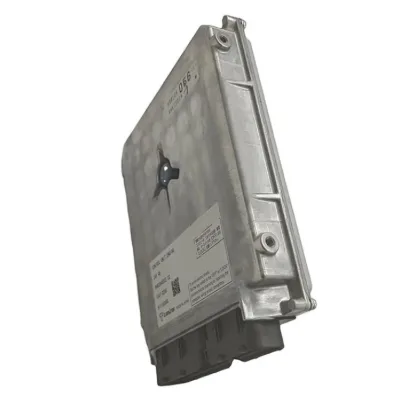
1013 Series Electric Control Module Ecm 04194979 02112850 Engine Control Unit ECU
$372.00 - $414.28
MOQ: 1 Pieces


$100.00 - $400.00
MOQ: 1 Pieces


$100.00 - $400.00
MOQ: 1 Pieces

$100.00 - $400.00
MOQ: 1 Pieces

$100.00 - $400.00
MOQ: 1 Pieces




Comprehensive Sourcing Guide
Engine Control 102-8019 Sourcing Guide
Sourcing critical engine control components requires a disciplined approach that balances technical precision with commercial reliability. The engine control 102-8019 represents a specific part identifier often associated with heavy-duty machinery and industrial diesel applications. Buyers must recognize that while the core keyword identifies the component, the surrounding ecosystem of suppliers, certifications, and logistical terms defines the actual value and risk profile of the procurement. This guide provides a structured framework for evaluating listings, verifying technical integrity, and establishing long-term supply chain stability for this category of engine spare parts.
The procurement landscape for engine controls is characterized by a wide variance in product origins, packaging standards, and after-sales support structures. Observations from current market listings indicate that suppliers often operate from major manufacturing hubs in China, with specific clusters like Ningbo, Zhejiang, emerging as notable origins for these components. Understanding the geographic and operational context of these suppliers is essential for assessing lead times, shipping methods, and the overall reliability of the supply chain. This guide aims to equip buyers with the necessary verification steps to navigate this complex market effectively.
Product Scope and Observed Listing Signals
The market for engine control components, including identifiers like 102-8019, is diverse, often overlapping with broader categories such as excavator parts, diesel engine spares, and general automotive accessories. Listings frequently highlight attributes such as "New" condition and "Made in China" quality, signaling a focus on cost-effective manufacturing without compromising immediate functionality. Buyers should note that while some products are explicitly categorized under heavy machinery like excavators, others may fall under general auto or motorcycle parts, requiring careful cross-referencing of part numbers to ensure compatibility with the specific engine model in question.
Observed listing signals reveal significant variation in packaging and customization options, which directly impact logistics and branding strategies. Suppliers commonly offer neutral packaging, paper boxes, or polywooden boxes for heavier items, indicating a flexibility in handling that can reduce shipping costs or prevent damage during transit. Furthermore, the availability of customization, including branded samples and specific packing configurations, suggests that many manufacturers are willing to adapt to the specific needs of B2B buyers. This flexibility is a key signal of a mature supplier base that understands the nuances of international trade and client-specific requirements.
Technical Specifications to Verify
Verifying technical specifications is the most critical step in sourcing engine control components, as compatibility issues can lead to costly downtime. Buyers must cross-reference the part number 102-8019 with the specific engine type, such as Weichai diesel engines, to ensure mechanical and electronic compatibility. The market data indicates that suppliers often provide a range of related part numbers, such as 492-17-76 or 372-2900, which may be interchangeable or part of a larger assembly. It is essential to confirm whether the component is a standalone unit or part of a larger system, such as an idle air control valve or a filter assembly, to avoid purchasing incorrect replacements.
Beyond basic compatibility, buyers should verify the manufacturing techniques and quality assurance processes employed by the supplier. Listings often mention "Press" techniques and "100% Test" quality standards, which are indicative of rigorous production controls. However, these claims must be validated through direct communication with the supplier. Buyers should request detailed technical drawings, material specifications, and test reports to confirm that the component meets the original equipment manufacturer (OEM) standards. Additionally, understanding the physical dimensions and weight of the component, as suggested by packaging sizes like 32x12x15cm, is crucial for accurate freight calculation and storage planning.
Compliance and Safety Documentation
Compliance with international standards is non-negotiable for engine control components, particularly those used in regulated industries or exported to markets with strict safety requirements. The observed certification landscape includes a wide array of standards such as DOT, ISO/TS, IATF, CE, and RoHS, which signal adherence to specific regional and global regulations. Buyers must carefully review which certifications are applicable to their specific use case and destination market. For instance, CE marking is essential for European markets, while DOT compliance may be required for certain automotive applications in North America.
Documentation verification should extend beyond simple certificate possession to include the validity and scope of these certifications. Buyers should request copies of the actual certificates and verify their authenticity with the issuing bodies. It is also important to understand the scope of the certification, as some may apply only to the manufacturing process and not to the specific product batch. Additionally, buyers should inquire about any additional testing or inspection reports, such as video outgoing inspections, which provide visual proof of the product's condition before shipment. This level of documentation ensures that the purchased components meet all legal and safety requirements, reducing the risk of customs delays or regulatory penalties.
Cost Drivers and Commercial Terms
The cost of engine control components is influenced by several factors, including material quality, manufacturing complexity, and the level of customization required. While observed price ranges can vary significantly, from low-cost items to high-value specialized parts, buyers should focus on the total cost of ownership rather than just the unit price. This includes considering shipping costs, which can be substantial given the varied shipping methods like DHL, UPS, and FedEx, as well as potential tariffs and duties. Understanding the MOQ (Minimum Order Quantity) is also crucial, as it can range from single units to hundreds, impacting inventory management and cash flow.
Commercial terms such as payment methods and delivery times play a significant role in the procurement process. Suppliers often offer flexible payment options, including L/C, T/T, Western Union, and PayPal, each with different implications for security and transaction costs. Delivery times can vary from immediate dispatch for in-stock items to longer lead times for customized orders, with some suppliers promising delivery within 1-3 working days after payment. Buyers should negotiate clear terms regarding these aspects, ensuring that they align with their operational needs and risk tolerance. Additionally, understanding the warranty policies, which may range from 3 months to 1 year, is essential for mitigating the risk of early failure.
Supplier Qualification and Quality Control
Supplier qualification is a multi-faceted process that goes beyond checking basic company information. Buyers should assess the supplier's production capacity, quality control systems, and after-sales service capabilities. The presence of "One-Stop Service" and "24 Hours Online" support indicates a commitment to customer satisfaction, but buyers should verify the responsiveness and technical expertise of the support team. It is also important to evaluate the supplier's track record, including their experience in exporting to the buyer's target markets and their ability to handle complex logistics.
Quality control measures should be explicitly defined in the purchase agreement. Buyers should request information on the supplier's internal quality control processes, including incoming material inspections, in-process checks, and final product testing. The availability of video outgoing inspections is a positive indicator, but buyers should also consider implementing their own third-party inspection services for high-value orders. Additionally, understanding the supplier's return and replacement policies is crucial for managing the risk of defective products. A robust quality control framework ensures that the purchased components meet the required standards and reduces the likelihood of operational disruptions.
Long-Term Procurement Checks
Establishing a long-term procurement strategy for engine control components requires ongoing monitoring and relationship management. Buyers should regularly review supplier performance metrics, including on-time delivery rates, product quality consistency, and responsiveness to issues. This data-driven approach allows for the identification of potential risks and the implementation of corrective actions before they impact operations. Additionally, buyers should stay informed about market trends, technological advancements, and regulatory changes that may affect the availability or compliance of these components.
Building a diversified supplier base is a key risk mitigation strategy. Relying on a single supplier can expose the buyer to supply chain disruptions, price volatility, and quality inconsistencies. By cultivating relationships with multiple qualified suppliers, buyers can ensure continuity of supply and leverage competitive pricing. Regular communication and collaboration with suppliers can also lead to improvements in product design, packaging, and logistics, resulting in long-term cost savings and operational efficiency. Ultimately, a proactive and strategic approach to procurement ensures that the buyer maintains a reliable and cost-effective supply of critical engine control components.
FAQs
What is the delivery time for engine control 102-8019?
Delivery typically takes 1-3 working days after payment is received. This rapid turnaround applies to items with sufficient stock available for immediate shipment via standard carriers.
Can I request custom branding for this engine part?
Yes, customized brand and samples are available for this product. Buyers can specify their requirements for branding and packaging to meet specific business needs.
Which certifications does the engine control 102-8019 hold?
The product holds certifications including DOT, ISO, IATF, and CE. These standards ensure the component meets international quality and safety requirements for automotive applications.
How is the product packed for shipping?
Items are packed in paper boxes or cartons, with polywooden boxes used for heavy units. Neutral or customized packing options are available depending on the order size.
What is the warranty period for this engine spare part?
The warranty period is either 3 months or 1 year depending on the specific agreement. This coverage ensures quality assurance for the purchased engine components.
Which payment methods are accepted for this order?
Accepted payment methods include L/C, T/T, Western Union, and PayPal. These options provide flexibility for international buyers to complete their transactions securely.
Where is the product manufactured and shipped from?
The product originates from China, specifically Ningbo, Zhejiang. It is shipped globally using methods like DHL, UPS, and FedEx to reach various international markets.