Source Environmental PC Light Diffusion Agent for PMMA, PC, PS
Compare 30 listings for the Environmental PC Light Diffusion Agent used in PMMA, PC, and PS applications. Buyers can review specifications like particle size and purity from factories in China with varying MOQs and delivery terms.
Key considerations
Products List






Comprehensive Sourcing Guide
Strategic Sourcing Guide for Environmental PC Light Diffusion Agents
Procuring high-performance light diffusion agents for polycarbonate (PC) applications requires a rigorous understanding of material science, supply chain logistics, and strict adherence to quality standards. The market for these chemical auxiliary agents is dynamic, with a specific focus on enhancing optical clarity while maintaining structural integrity in lighting diffusers. Buyers must navigate a landscape defined by varying particle sizes, purity levels, and specific gravity to ensure the selected agent meets the demanding requirements of modern LED lighting and plastic processing industries. This guide outlines the critical factors for sourcing environmental PC light diffusion agents, leveraging observed market data to inform decision-making without relying on unverified claims.
Technical Specifications and Material Characteristics
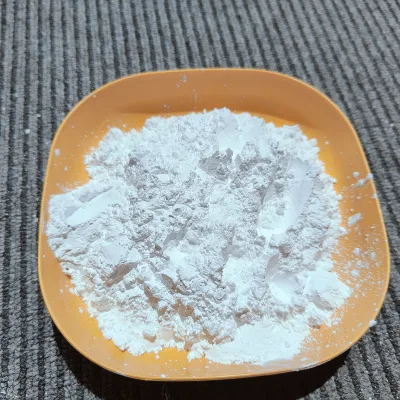
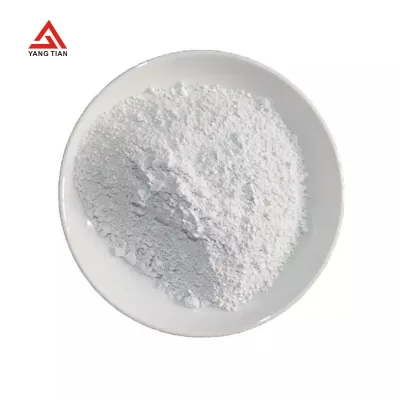
The foundation of a successful procurement strategy lies in the precise technical specifications of the product. For PC light diffusion, the physical form of the agent is paramount. Market observations indicate that the product typically appears as a white powder, with specific models offering a purity range of 99% to 99.5%. The particle size is a critical variable that directly influences the light scattering efficiency and the final surface finish of the molded part. Data suggests that average particle sizes can range from 1.4 micrometers to 10.0 micrometers, with specific models targeting sizes of 2.0 micrometers or 3.0 micrometers.
Buyers must verify the specific gravity, which is observed at 1.3 for certain formulations. This density metric is essential for calculating the correct dosage and ensuring uniform dispersion within the polymer matrix. The product classification often falls under chemical auxiliary agents, with specific applications in rubber and plastic auxiliary agents, as well as coating and electronics chemicals. The material is frequently described as organic in nature, designed to function effectively in PMMA, PC, and PS substrates. The additive amount typically recommended for optimal performance is around 10%, though this can vary based on the specific model number and the desired optical effect.
Compliance, Certification, and Regulatory Verification
When sourcing environmental PC light diffusion agents, verifying compliance with international standards is non-negotiable. While specific certification documents may not be universally listed for every SKU, buyers must demand evidence of compliance with relevant safety and environmental regulations. The H.S. Code for these products is generally identified as 391000, which aids in customs clearance and tariff classification. The CAS number 68554-70-1 is associated with specific formulations, providing a chemical fingerprint for traceability.
Buyers should explicitly request the EINECS number or confirmation of its absence, as some listings indicate "NA" for this identifier. It is crucial to understand that while general standards like ASTM D1003 are often referenced in the industry for haze and clarity testing, specific test results for a given batch must be verified with the supplier. Do not assume that a product listing implies automatic compliance with all environmental directives; instead, require the supplier to provide current test reports confirming the absence of restricted substances and adherence to the intended application's regulatory framework. The shelf life of the product is typically 24 months, which is a key factor in inventory management and ensuring material freshness upon receipt.
Cost Drivers and Pricing Dynamics
The pricing structure for PC light diffusion agents is influenced by several variables, including purity, particle size, and packaging. The observed market price range is broad, spanning from 1 to 99,999 USD, reflecting the diversity of product grades and order volumes. However, the Minimum Order Quantity (MOQ) is a significant cost driver. Listings show MOQs ranging from 1 kg to 5,000 kg, with a common threshold of 200 kg for standard industrial grades. Smaller MOQs, such as 1 kg, are often available for sampling or prototyping but may carry a higher unit cost.
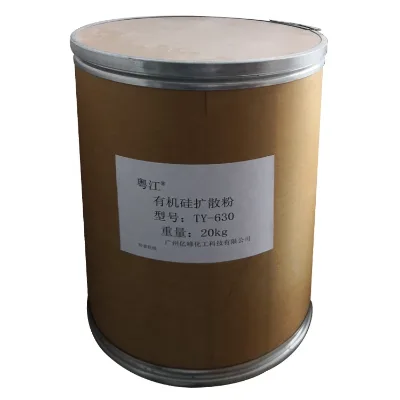
Packaging also impacts the final cost. Standard packaging includes 20 kg drums or cardboard drum packing, with some suppliers offering 25 kg or 200 kg options. The choice of packaging affects shipping efficiency and handling costs. Buyers should note that the business model is often "Factory Direct Sale," which can reduce intermediary markups but requires direct engagement with the manufacturing entity. The trade terms, such as EXW, CIF, FOB, and DDP, significantly alter the landed cost. For instance, an EXW (Ex Works) price excludes all transportation and insurance costs, whereas DDP (Delivered Duty Paid) includes them, offering a more predictable total cost of ownership.
Typical Applications and Performance Requirements
The primary application for these agents is in the manufacturing of light diffusers, where they are dispersed into polymers like PMMA, PC, and PS. The performance requirement is "Excellent Heat Resistance," which is critical for LED lighting applications where thermal management is a constant challenge. The agent must maintain its optical properties and structural stability under high-temperature processing conditions without degrading or discoloring.
Beyond light diffusers, the agents are utilized in masterbatch production, serving as a carrier for other additives. The versatility of the product allows it to function in electronics chemicals and coating auxiliary agents, expanding its utility across multiple sectors. The specific model numbers, such as OTT-618, OTT-620, OTT-630, and OTT-616, often correspond to different particle size distributions or purity levels tailored for specific polymer types. For instance, a model optimized for PC may differ in surface treatment compared to one designed for PMMA. Buyers must match the specific application requirements with the correct model number to ensure optimal light scattering and minimal haze.
Supplier Evaluation and Operational Capabilities
Evaluating a supplier for PC light diffusion agents requires a focus on their operational capabilities and logistical reliability. The place of origin is predominantly China, with specific hubs in Guangdong and Guangzhou. This geographic concentration suggests a mature supply chain but necessitates careful vetting of individual factories. The business type is consistently listed as "Factory Direct Sale," indicating that the supplier is the manufacturer, which can offer better quality control and pricing.
Lead time is a critical operational metric. Observed data indicates a lead time of 7 days after payment for standard orders, which is relatively fast for chemical logistics. However, buyers must confirm this timeline against their specific production schedules. Shipping terms are flexible, with options for sea or air freight, and delivery terms including EXW, CIF, FOB, and DDU. The ability to offer multiple shipping methods allows buyers to balance cost against urgency. When evaluating suppliers, verify their capacity to handle the specific packaging requirements, such as 20 kg drums, and their ability to provide consistent quality across batches.
Quality Control and Long-Term Procurement Considerations
Ensuring consistent quality over the long term is essential for maintaining product reliability. The purity of the agent, often cited as 99% or 99% min, must be verified through batch testing. The specific gravity of 1.3 and particle size consistency are key quality indicators that should be checked upon receipt. Buyers should establish a protocol for incoming quality control (IQC) that includes verifying the CAS number, checking the physical appearance for any discoloration, and testing the particle size distribution.
Long-term procurement considerations involve the stability of the supply chain and the supplier's ability to scale. With an observed product count of 30 different listings, the market offers variety, but consistency is key. The shelf life of 24 months provides a reasonable window for inventory management, but buyers should plan for first-in, first-out (FIFO) rotation to prevent degradation. Customization is available for many products, allowing buyers to tailor the agent to specific processing needs. However, this should be approached with caution, as custom formulations may introduce variability in lead times and quality consistency.
Comparative Analysis of Product Models
To assist in selecting the right product, the following table compares key specifications observed across different model numbers. This comparison highlights the variations in particle size, packaging, and application focus that buyers should consider.
| Model Number | Average Particle Size | Purity | Packaging | Primary Application |
|---|---|---|---|---|
| OTT-618 | 2.0 um | 99% | 20kg/Drum | Light Diffuser, Rubber |
| OTT-620 | 1.4um to 10.0um | 99.5% | Cardboard Drum | PMMA, PC, PS |
| OTT-630 | 3.0 | 99% | 20kg, 25kg, 200kg | Masterbatch, Electronics |
| OTT-616 | Not specified | 99% | 20kg/Drum | Coating, Rubber |
| TY-630 | Not specified | 99% | Standard | General Plastic Auxiliary |
Buyers should note that while the table provides a snapshot, specific attributes like specific gravity and heat resistance may vary by batch. The "LED/PC/PS/PMMA" model designation suggests a multi-polymer compatibility, which is valuable for manufacturers running diverse product lines.
Final Procurement Strategy
Sourcing environmental PC light diffusion agents requires a balanced approach that prioritizes technical fit, regulatory compliance, and supply chain reliability. By focusing on the observed specifications such as particle size, purity, and specific gravity, buyers can make informed decisions that align with their production needs. The broad price range and MOQ flexibility allow for both small-scale prototyping and large-volume industrial purchasing. However, the complexity of the market demands rigorous supplier evaluation and quality control measures. Buyers must verify all claims against actual test data and ensure that the chosen agent meets the specific environmental and performance standards required for their end products. Through careful selection and ongoing quality management, procurement teams can secure a reliable supply of high-performance light diffusion agents that enhance the quality and efficiency of their manufacturing processes.
FAQs
What is the typical purity level for these agents?
The typical purity level ranges from 99% to 99.5% depending on the specific model. Buyers should verify the exact percentage for their chosen product, as some listings specify 99% while others indicate 99.5% silicon content.
How does particle size affect light diffusion performance?
Particle size directly influences light scattering efficiency and surface finish, ranging from 1.4 to 10.0 micrometers. Specific models target sizes like 2.0 or 3.0 micrometers to optimize optical clarity for different polymer substrates.
Which polymers are compatible with this light diffusion agent?
The agent is compatible with PMMA, PC, and PS polymers for light diffuser applications. It also functions effectively in masterbatch production and serves as a chemical auxiliary agent for rubber and coating industries.
Can buyers request customization for specific applications?
Yes, customization is available for many products to tailor the agent to specific processing needs. Buyers should note that custom formulations may introduce variability in lead times and require direct engagement with the factory.
What is the standard lead time after payment?
The standard lead time is typically 7 days after payment for standard orders. This timeline allows for relatively fast chemical logistics, though buyers must confirm this against their specific production schedules.
How does the minimum order quantity impact pricing?
Minimum order quantities range from 1 kg for sampling to 5000 kg for bulk, with 200 kg being a common industrial threshold. Smaller orders often carry higher unit costs, while larger volumes may reduce the price per kilogram.
What packaging options are available for these agents?
Standard packaging includes 20 kg drums or cardboard drum packing, with some options for 25 kg or 200 kg. The choice of packaging affects shipping efficiency and handling costs for the buyer.