Source environmental-friendly pu concrete stamp molds for garden, patio, and driveway
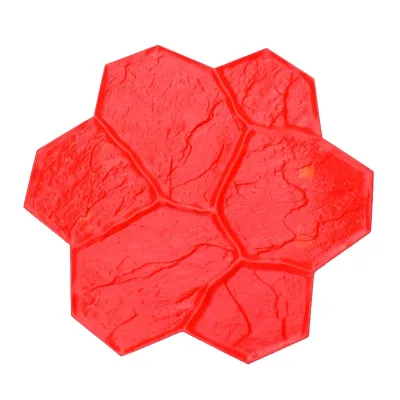
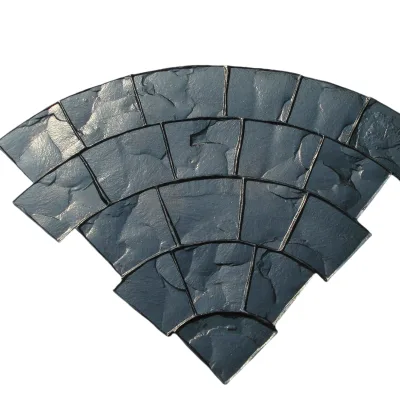
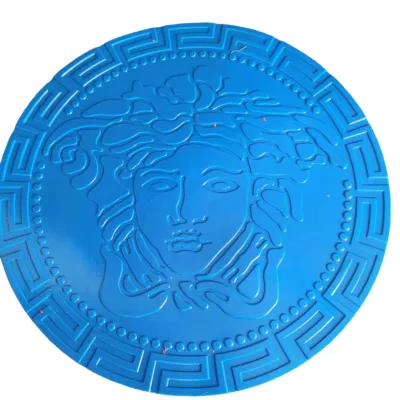
Explore 30 listings of environmental-friendly pu concrete stamp molds designed for creating decorative patterns on garden paths, patio surfaces, and driveway sections. Buyers can compare specifications like material, size, and flexibility to find the right tools for concrete imprinting projects.
Key considerations
Products List
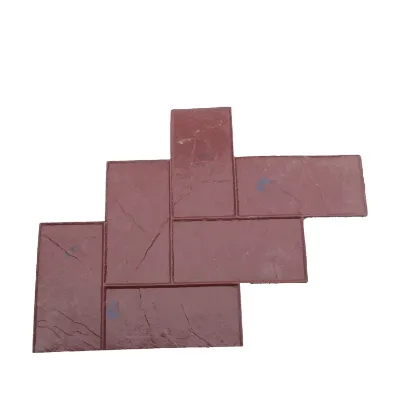
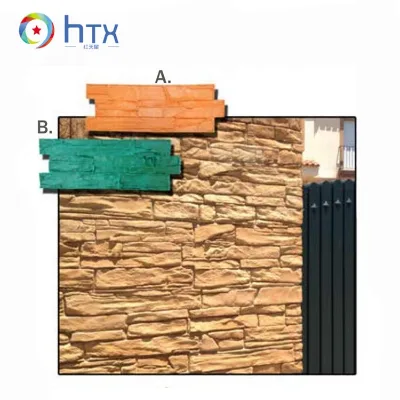
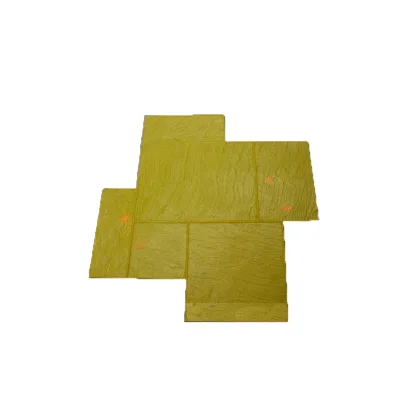
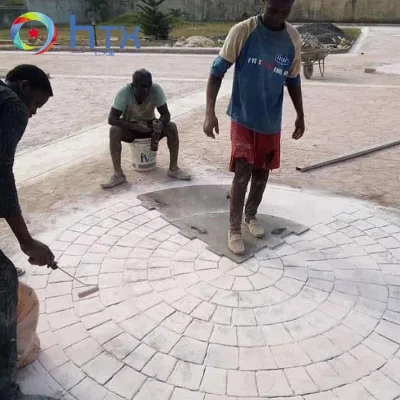


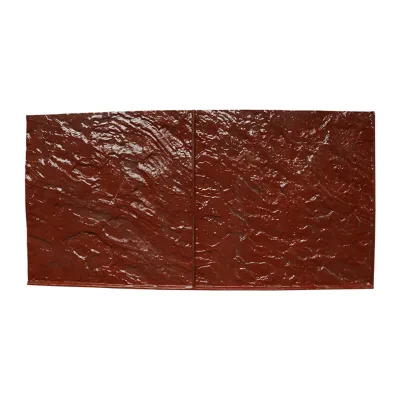
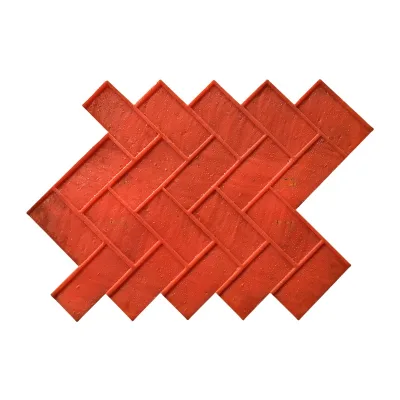
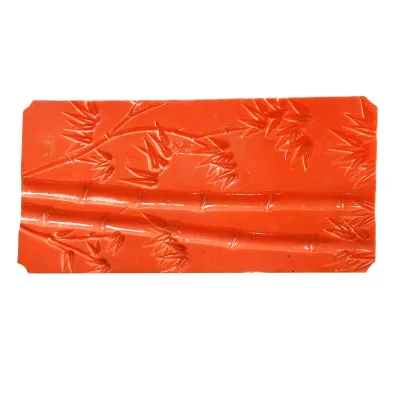
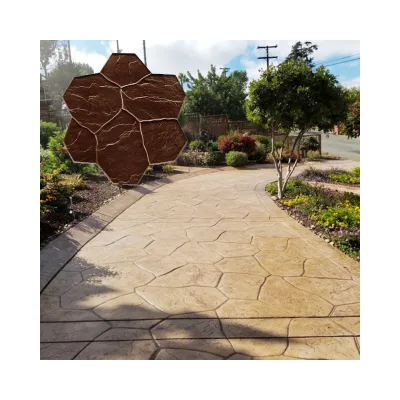

Comprehensive Sourcing Guide
Strategic Sourcing Guide for Environmental-Friendly PU Concrete Stamp Molds
Understanding Material Composition and Environmental Attributes
When sourcing environmental-friendly PU concrete stamp molds, the primary focus must be on the specific polymer composition and its interaction with the curing environment. The available product data indicates a dual-material approach where Polyurethane (PU) and Rubber are the dominant constituents. Specifically, the observed specifications list "Mould material" as a combination of PU and Rubber, while other entries highlight "Rubber" as the primary product material. This distinction is critical for buyers seeking eco-friendly solutions, as PU offers superior flexibility and detail reproduction compared to traditional rigid molds, while rubber provides durability.
The term "environmental-friendly" in this context often refers to the material's ability to be reused multiple times without degradation, reducing waste compared to single-use concrete forms. The data confirms that these molds are designed for "Decorative Garden Paving Stone Mold" applications, suggesting a shift away from disposable concrete barriers toward reusable stamping systems. The manufacturing process is identified as "Injection" or "Pressing Forming Mould," which allows for precise control over the mold's density and porosity. Buyers should verify that the specific PU formulation used does not emit volatile organic compounds (VOCs) during the curing process, although the provided text does not explicitly quantify emission levels. The flexibility of the material is listed as a key advantage, which facilitates easy demolding and reduces the energy required for extraction, indirectly supporting energy efficiency in the production workflow.
Technical Specifications and Performance Parameters
Technical due diligence requires a granular examination of the physical dimensions and thermal limits of the molds. The product specifications reveal a wide range of sizes, with "Customer Size Accepted" being a standard offering, alongside specific standard dimensions such as 74x74x1 cm, 75x75x5 cm, and 80x80x5 cm. The thickness of the molds is consistently noted in the range of 20-25mm, a dimension that balances structural integrity with the flexibility required for intricate rock designs and pavement patterns.
A critical performance metric for any concrete stamping tool is its operating temperature range. The supplied data explicitly states a working temperature of (-60℃ to 200℃). This wide thermal tolerance suggests the molds can withstand the exothermic reaction of curing concrete without deforming, as well as survive cold storage or transport in winter conditions. The single gross weight varies significantly based on size and density, ranging from 4.0 kg to 7.000 kg for a single unit. This variance indicates that buyers must specify the exact size to ensure accurate logistics planning.
The cavity configuration is listed as "Single-cavity," which is standard for high-detail decorative stones. The surface treatment is described as "Polish," which is essential for achieving a smooth finish on the concrete surface and preventing material adhesion. The "Shaping Mode" is identified as "Compression Mould," a process that ensures uniform density throughout the mold, reducing the risk of weak points that could lead to premature failure during the high-pressure stamping of concrete.
Compliance, Certification, and Regulatory Standards
In the B2B procurement of construction and landscaping tools, verifying compliance with international safety and environmental standards is non-negotiable. The product data lists a robust set of certifications: CE, RoHs, UL, FDA, and REACH. These certifications cover a broad spectrum of requirements, from electrical safety (UL) to chemical restrictions (RoHs, REACH).
The presence of FDA certification is particularly notable for molds intended for "Household Appliances" or "Home Use" applications, as it implies the material is safe for contact with food-grade or non-toxic environments, although concrete stamping is primarily an outdoor application. The CE marking indicates conformity with health, safety, and environmental protection standards for products sold within the European Economic Area. RoHs compliance ensures that the mold does not contain restricted hazardous substances, which is a key component of the "environmental-friendly" claim. REACH certification further validates that the chemical substances used in the PU and rubber blend have been registered and evaluated for safety.
However, buyers must exercise caution. While the data lists these certifications, it does not specify which specific product models or batches hold them. Procurement contracts should explicitly require that the delivered goods carry valid, traceable certificates for the specific batch purchased. The "Warranty" periods listed vary between 3 years and 5 years, which can serve as a proxy for the manufacturer's confidence in the product's durability and compliance with quality standards over time.
Cost Drivers and Economic Considerations
The pricing landscape for PU concrete stamp molds is highly variable, with observed listed prices ranging from $1.99 to $100,000 USD. This extreme disparity is not indicative of a single product tier but rather reflects the difference between small, single-cavity decorative units and large-scale industrial molds or complete production lines. The "Selling Units" are listed as "Single item," suggesting that the base price applies to individual molds, but the total cost is heavily influenced by the "MOQ" (Minimum Order Quantity), which ranges from 1 to 1000 pieces.
Several factors drive the cost of these molds. First, the "Customization" status is listed as "Available," and the "Specification" allows for "Customer Size Accepted." Custom molds require unique tooling and injection molding setups, which significantly increase the unit cost compared to standard "Rock design" or "Polyurethane concrete imprint stamp tools." Second, the packaging details mention "plastic bags" for standard items and "wooden box for quality concrete stamp mould stamp mats." The choice of packaging directly impacts the shipping weight and volume, influencing the final landed cost. The "Single package size" varies from 74x74x4 cm to 80x80x5 cm, affecting palletization efficiency.
Buyers should also consider the "Lead Time" implications of the "Injection" manufacturing process. While not explicitly quantified in the data, injection molding typically requires longer setup times for custom molds compared to standard compression molding. The "Fast Delivery" mentioned in packaging details suggests that standard SKUs may have shorter lead times, but this should be verified with the supplier. The "Brand Name" HTX appears frequently, indicating a specific manufacturer, but buyers should not assume all products with this brand name share the same price point or quality tier.
Typical Applications and Usage Scenarios
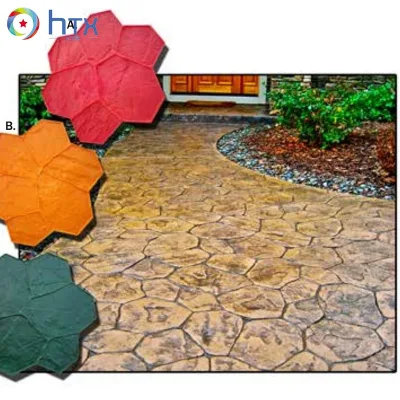
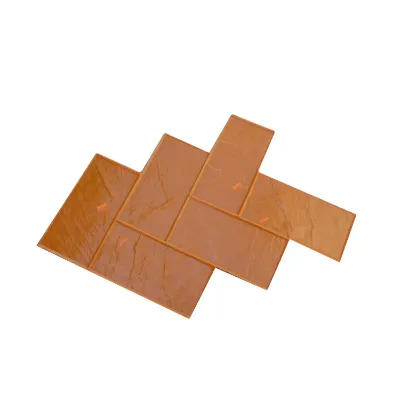
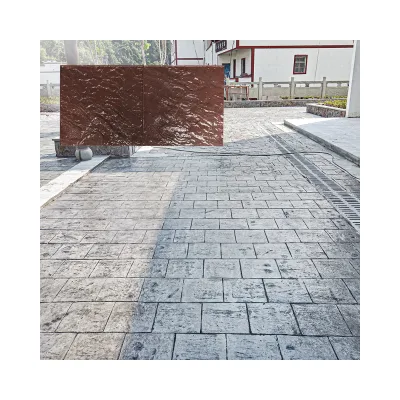
The versatility of PU concrete stamp molds makes them suitable for a diverse range of applications, primarily in the decorative paving and landscaping sectors. The primary usage is identified as "Decorative Garden Paving Stone Mold," which aligns with the "Rock design stamp concrete forms" description. These molds are ideal for creating textured surfaces that mimic natural stone, brick, or slate, enhancing the aesthetic value of driveways, patios, and walkways.
Beyond outdoor landscaping, the data indicates applications in "Household Appliances" and "Home Use," suggesting that these molds might also be utilized for creating decorative interior elements or small-scale DIY projects. The "Type" is described as "stamping rubber pavement mold" and "popular diy concrete paver plastic molds," highlighting their appeal to both professional contractors and hobbyists. The "Advantage" of flexibility allows these molds to be used on uneven surfaces or for creating complex, non-planar designs that rigid molds cannot accommodate.
The "Model Number" variations, such as "HTX Stamped Mold" and "HTX Stamped Mold-025," suggest a product line designed to cater to different design needs, from standard geometric patterns to intricate rock textures. The "Color" options, including red, blue, yellow, brown, and black, may refer to the mold itself or the colorants used in the concrete mix, though typically, the mold color is neutral to avoid staining. The "Application" field's inclusion of "Household Appliances" is unusual for concrete molds and may indicate a broader manufacturing capability of the supplier, requiring buyers to ensure they are purchasing the correct concrete-specific tool.
Supplier Evaluation and Quality Control Protocols
Evaluating suppliers for environmental-friendly PU molds requires a multi-faceted approach that goes beyond the provided product attributes. The "Place of Origin" is consistently listed as "Henan, China" or "Zhengzhou, China," indicating a concentration of manufacturing in this region. Buyers should verify the specific factory location to ensure it aligns with their logistics strategy and to assess the local regulatory environment regarding environmental compliance.
Quality control should focus on the consistency of the "Mould material" and the "Injection" process. Since the data lists both PU and Rubber, buyers must confirm the ratio and layering of these materials, as a poor blend can lead to premature wear or loss of detail. The "Surface Treatment: Polish" must be inspected to ensure there are no burrs or imperfections that could transfer to the concrete surface. The "Warranty" of 3 to 5 years is a strong indicator of quality, but it should be backed by a clear service agreement that defines what constitutes a defect versus normal wear and tear.
When assessing suppliers, buyers should request samples to test the "Flexibility" and "Working Temperature" claims. The ability to withstand the (-60℃-200℃) range should be verified through independent testing, especially if the molds will be used in extreme climates. The "Packaging Details" should be scrutinized to ensure the "wooden box" or "Carton" provides adequate protection against moisture and physical damage during transit, as PU and rubber can degrade if exposed to excessive humidity or direct sunlight.
Long-Term Procurement and Lifecycle Management
Sourcing PU concrete stamp molds is not merely a transactional purchase but a long-term investment in production capability. The "Customization" and "Customer Size Accepted" features suggest that the molds can be adapted to changing design trends, extending their lifecycle. However, the "Single-cavity" nature means that production volume is limited per mold, so buyers must calculate the number of units required to meet their project timelines.
The "Environmental-friendly" aspect implies a focus on sustainability, which should be integrated into the procurement strategy. This includes planning for the end-of-life disposal of the molds. Since the materials are PU and Rubber, they may not be easily biodegradable, but their durability (evidenced by the 3-5 year warranty) reduces the frequency of replacement. Buyers should inquire about the supplier's recycling programs for worn-out molds to ensure the entire lifecycle remains environmentally responsible.
Finally, the "Specification" of "74741CM" and similar dimensions should be cross-referenced with the buyer's existing concrete mixing and pouring equipment. Ensuring compatibility between the mold size and the production workflow is essential for maintaining efficiency. The "Selling Units" being "Single item" allows for flexible purchasing, enabling buyers to start with small orders to test quality before committing to larger volumes, thereby mitigating the risk of inventory obsolescence. By carefully analyzing these factors, buyers can secure a reliable supply of high-quality, eco-conscious concrete stamp molds that meet both aesthetic and operational requirements.
FAQs
What materials are used for these concrete stamp molds?
The molds are primarily made from a combination of Polyurethane (PU) and Rubber. This dual-material composition ensures superior flexibility and durability for decorative garden paving applications while maintaining structural integrity during the stamping process.
Can I customize the size and design of the molds?
Yes, customization is available with customer sizes accepted for most models. Buyers can request specific dimensions and patterns, such as rock designs, though custom orders may require unique tooling and potentially different lead times compared to standard SKUs.
What certifications do these molds hold for safety compliance?
The products carry CE, RoHS, UL, FDA, and REACH certifications. These credentials indicate compliance with international safety and environmental standards, ensuring the materials are free from restricted hazardous substances and suitable for various applications including home use.
How flexible are the molds for easy demolding?
Flexibility is listed as a key advantage of these molds, facilitating easy demolding and reducing extraction energy. The rubber and PU blend allows the molds to conform to uneven surfaces while retaining intricate details like rock textures without breaking.
What is the warranty period for the concrete stamp molds?
Warranty periods vary between 3 years and 5 years depending on the specific model and supplier. This range reflects the manufacturer's confidence in the product's durability and its ability to withstand repeated use in concrete stamping operations.
What is the minimum order quantity for these molds?
The minimum order quantity ranges from 1 to 1000 pieces depending on the specific product and customization level. Standard items may have lower MOQs, while bulk orders or custom specifications might require higher quantities to justify production setup.
Where are these molds manufactured and shipped from?
The products originate from Henan and Zhengzhou in China. Buyers should verify the specific factory location for logistics planning, as the place of origin impacts shipping costs and lead times for international delivery.