Source Floating Fun Fishing Bath Toy for Baby Play, Promotion, and Retail
Find and compare 30 Floating Fun Fishing Bath Toy options from verified manufacturers. These rubber and plastic animal-shaped toys are designed for safe baby bath play, promotional giveaways, and retail distribution, featuring various certifications and customization options.
Key considerations
Products List
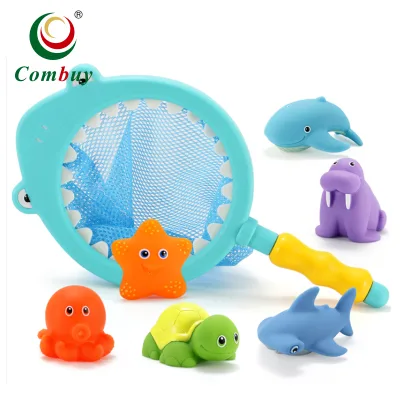


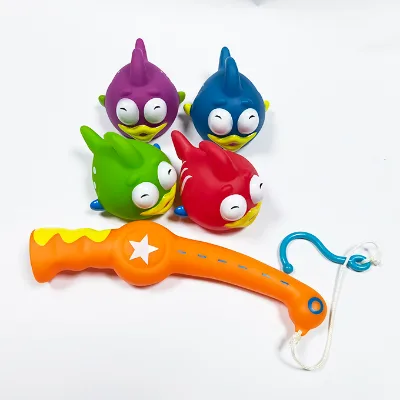
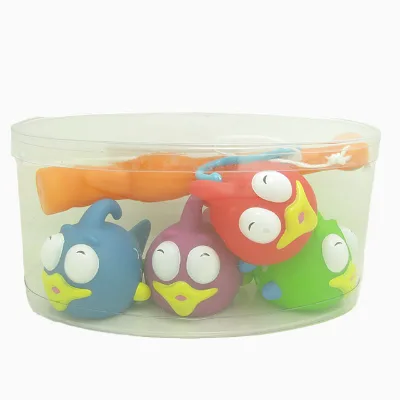
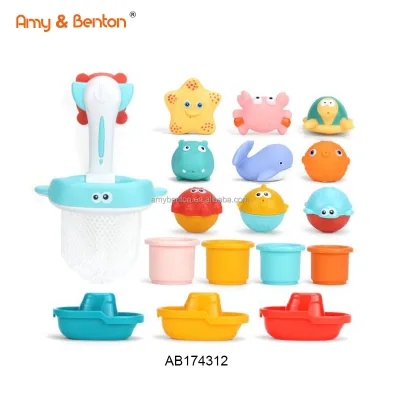



Comprehensive Sourcing Guide
Floating Fun Fishing Bath Toy Sourcing Guide
Sourcing floating fun fishing bath toys requires a careful balance between playful design and rigorous safety compliance, as these items are intended for direct interaction with young children in wet environments. The market for these toys is diverse, ranging from simple rubber ducks to complex fishing games that involve rods, reels, and magnetic or suction mechanisms. Buyers must navigate a landscape where aesthetic appeal drives initial interest, but material safety and durability dictate long-term satisfaction and regulatory clearance. This guide provides a structured approach to evaluating suppliers, verifying technical specifications, and ensuring that the final product meets the stringent requirements of international markets, particularly for children aged two to seven years.
The procurement process for these toys is heavily influenced by the specific materials used, such as rubber or plastic, and the complexity of the packaging. Observed listings indicate a wide range of product models, from basic floating figures to more intricate sets with multiple components. Buyers should focus on understanding the functional aspects of the toy, such as whether it requires batteries or relies on simple mechanical interactions, as this impacts both the user experience and the safety profile. Additionally, the customization options available, including logo printing and color variations, offer opportunities for brand differentiation but require careful management of production timelines and minimum order quantities.
Product Scope and Observed Listing Signals
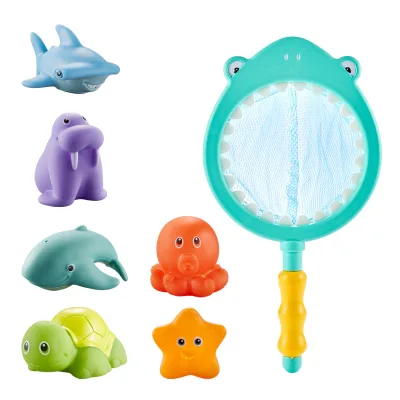
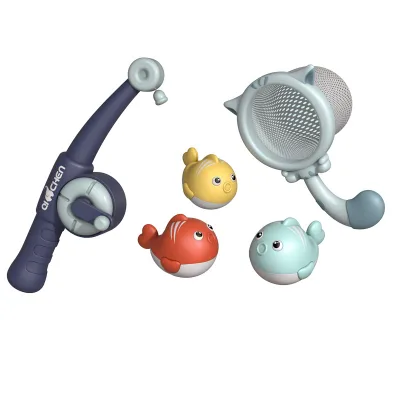
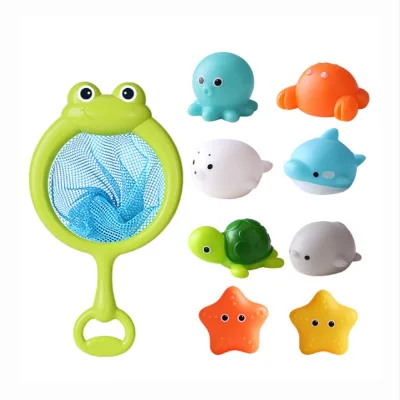
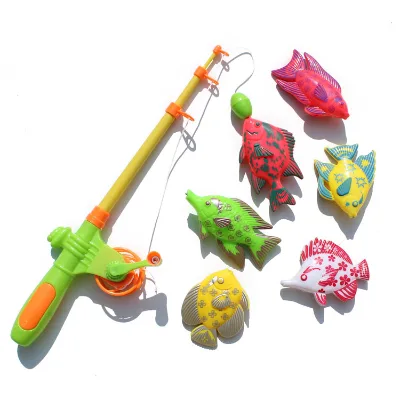
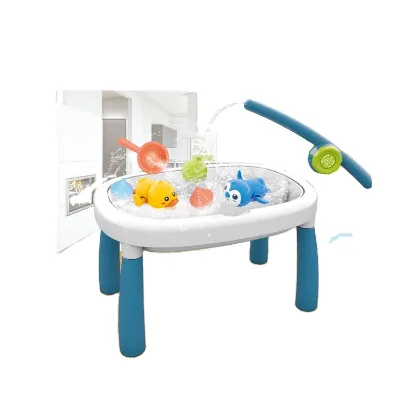
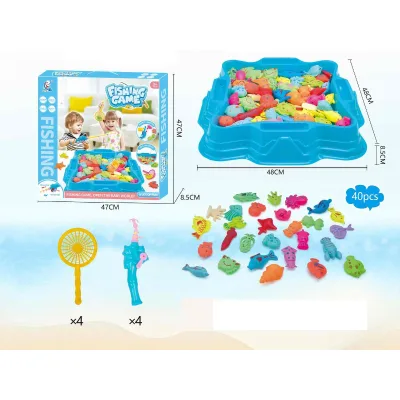
The product scope for floating fun fishing bath toys encompasses a variety of designs, including animal-shaped figures, cartoon characters, and specific types like ducks or fish. Listings often highlight features such as window box packaging, which allows for visual inspection of the product, and specific dimensions that affect shipping costs and shelf presence. For instance, some products are packaged in cartons with specific CBM values, indicating the volume they occupy during transit, which is a critical factor for logistics planning. The age range for these toys typically spans from toddlers to early elementary school children, necessitating designs that are engaging yet safe for this demographic.
Observed signals from the market suggest that customization is a key driver for many buyers, with options for pad printing, full-color logo application, and tailored packaging solutions. These customization capabilities allow brands to create unique products that stand out in a crowded marketplace. However, the availability of these options often comes with minimum order quantities that can range significantly, from small batches for testing to large volumes for established brands. Buyers should also note the variety of materials used, with rubber and plastic being the most common, each offering different tactile experiences and durability profiles that must be evaluated against the intended use case.
Technical Specifications to Verify
When evaluating technical specifications, buyers must prioritize the physical dimensions and weight of the product, as these factors influence both the user experience and shipping logistics. For example, specific models may have defined package sizes and gross weights that impact the number of units that can be loaded into a container. It is essential to verify the exact dimensions of the product itself, as well as the packaging, to ensure that the final product fits within the desired retail packaging constraints. Additionally, the material composition, whether rubber or plastic, should be confirmed to ensure it meets the desired durability and safety standards, particularly regarding resistance to water and frequent handling.
Another critical aspect of technical verification is the functional design of the fishing mechanism and the floating capability of the toy. Buyers should confirm whether the toy requires batteries or operates on simple mechanical principles, as this affects the complexity of the product and potential failure points. The shape and style of the toy, whether it is an animal, cartoon character, or abstract design, should also be aligned with the target audience's preferences. Furthermore, the presence of any small parts or detachable components must be assessed to ensure they meet safety standards for the specified age range, preventing choking hazards and ensuring that the toy remains intact during play.
Compliance and Safety Documentation
Compliance with international safety standards is non-negotiable for bath toys, given their direct contact with children and water. Buyers must ensure that suppliers provide valid certifications such as EN71, ASTM-F963, HR4040, 3C, and 7P, which are commonly required for markets in Europe, North America, and Asia. These certifications verify that the materials used are free from harmful substances and that the toy meets specific mechanical and physical safety requirements. It is crucial to request and review the actual test reports from accredited laboratories to confirm that the products have been tested for toxicity, flammability, and structural integrity.
In addition to material safety, buyers should verify that the toys meet age-appropriate labeling and warning requirements. For products intended for children aged two to four years, specific warnings about small parts and choking hazards must be clearly displayed on the packaging. The certification process should also include checks for the durability of the toy under simulated use conditions, ensuring that it does not break into small, sharp pieces during normal play. Buyers should work with suppliers who have a proven track record of maintaining these certifications and who are willing to provide updated documentation as regulations evolve.
Cost Drivers and Commercial Terms
The cost of floating fun fishing bath toys is influenced by several factors, including the material used, the complexity of the design, and the level of customization required. Rubber toys may have different cost structures compared to plastic ones, depending on the quality of the raw materials and the manufacturing process. Packaging also plays a significant role in cost, with options like window boxes or multi-layer carton boxes adding to the overall expense. Buyers should request detailed quotations that break down the costs of materials, labor, packaging, and shipping to understand the true cost drivers and identify areas for potential savings.
Commercial terms, such as minimum order quantities and payment terms, are also critical considerations in the procurement process. Suppliers may offer different MOQs depending on the level of customization, with higher customization often requiring larger orders to justify the setup costs. Buyers should negotiate terms that align with their inventory management strategies, ensuring that they can maintain adequate stock levels without overcommitting capital. Additionally, lead times for production and shipping should be clearly defined to avoid delays that could impact retail availability, especially during peak seasons.
Supplier Qualification and Quality Control
Supplier qualification is a vital step in ensuring the reliability and consistency of the product supply. Buyers should conduct thorough due diligence on potential suppliers, verifying their business licenses, production capabilities, and quality management systems. It is advisable to request samples of the products to assess their quality, functionality, and adherence to the specified design and material requirements. Suppliers with a strong reputation in the industry and a history of exporting to target markets are generally more reliable, as they are likely to have established processes for meeting international standards.
Quality control measures should be implemented throughout the production process to ensure that the final products meet the agreed-upon specifications. This includes pre-production checks on raw materials, in-process inspections during manufacturing, and final random inspections before shipment. Buyers should establish clear quality criteria and communicate them effectively to the supplier, ensuring that any deviations are identified and corrected promptly. Implementing a robust quality control plan helps to minimize the risk of receiving defective products and ensures that the brand's reputation is protected.
Long-Term Procurement Checks
Long-term procurement success depends on establishing a sustainable relationship with suppliers and continuously monitoring product performance in the market. Buyers should regularly review supplier performance metrics, such as on-time delivery rates, product quality consistency, and responsiveness to issues. Building a strong partnership with suppliers can lead to better pricing, priority production slots, and collaborative improvements in product design and safety. Additionally, staying informed about changes in regulations and market trends is essential for maintaining compliance and meeting consumer expectations.
Feedback from customers and retailers should be actively collected and analyzed to identify areas for product improvement. This includes monitoring for any safety incidents, customer complaints, or requests for new features. Buyers should use this feedback to drive continuous improvement in their product offerings, working with suppliers to address any issues and introduce enhancements that add value. By maintaining a proactive approach to procurement and product management, buyers can ensure that their floating fun fishing bath toys remain competitive and safe in the long term.
FAQs
What materials are used for floating bath toys?
Floating bath toys are typically made from rubber or plastic to ensure durability and safety in water. These materials allow the toys to remain buoyant while providing a soft texture for young children. The choice of material often depends on the specific design and intended age group, ensuring the product meets standard safety requirements for bath time play.
Which certifications do these bath toys have?
These bath toys hold multiple international safety certifications including EN71, ASTM-F963, HR4040, 3C, and 7P. These standards ensure the products are free from harmful substances and meet rigorous safety criteria for children's toys. Compliance with these certifications is essential for selling in various global markets and ensures consumer trust in product safety.
Can these toys be customized with a logo?
Yes, customization is available for these floating bath toys, including logo printing options. Buyers can choose from methods like pad print or full-color logo application to brand the products. This service allows businesses to create unique promotional items or private label products, enhancing brand visibility while maintaining the functional quality of the bath toy.
What is the typical age range for these toys?
These floating bath toys are designed for children aged 12 months and up, covering ranges from 2 to 4 years and 5 to 7 years. Some variations may be suitable for all ages, but the primary target is toddlers and young children. The design ensures the toys are safe and engaging for early developmental play during bath time.
How are these toys packaged for shipping?
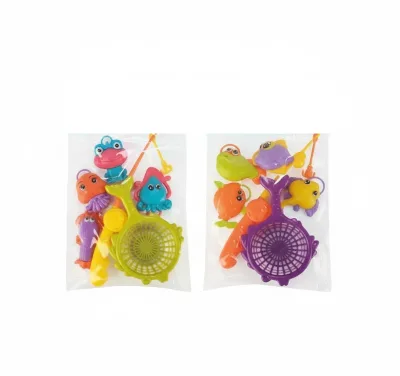
Packaging options include window boxes, carton boxes, and five-layer carton boxes for bulk shipping. Individual pack sizes vary, with some measuring around 24.5 by 6.0 by 31 cm. Bulk cartons are designed to optimize space, with specific dimensions like 53.5 by 43 by 70 cm per batch, ensuring efficient logistics and product protection during transit.
Where are these bath toys manufactured?
These bath toys are manufactured in Guangdong, China, with some origins noted in Shantou. This region is known for its robust toy manufacturing industry and supply chain efficiency. Production in these areas allows for competitive pricing and consistent quality control, meeting the demands of international buyers seeking reliable sourcing partners for children's bath accessories.