Source BPA Free Baby Link Rings for Carriers, Slings, and Safety
Compare 30 listings for BPA Free Baby Link Rings suitable for baby slings, carriers, and safety applications. Buyers can evaluate stainless steel and plastic options with varying chain sizes and surface treatments from verified Chinese manufacturers; compare the available evidence and request quotations based on your requirements.
Key considerations
Products List

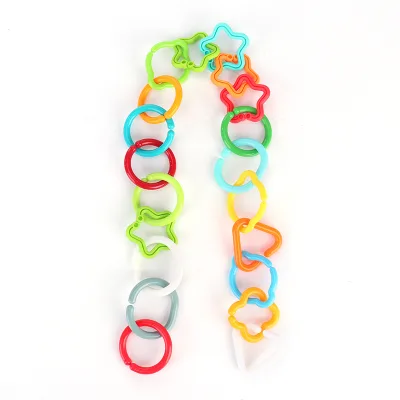

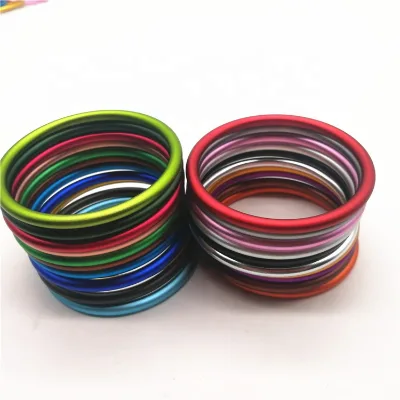


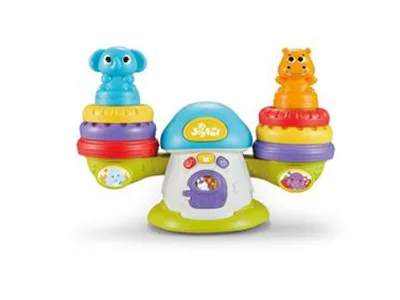


Yixiang Non-Standard Custom Aluminum Alloy Connection Ring for Baby Carriers
$0.38 - $0.86
MOQ: 100 Pieces

Yixiang Non-Standard Customization Aluminum Seamless Ring Baby Carrier Ring
$0.38 - $0.86
MOQ: 100 Pieces


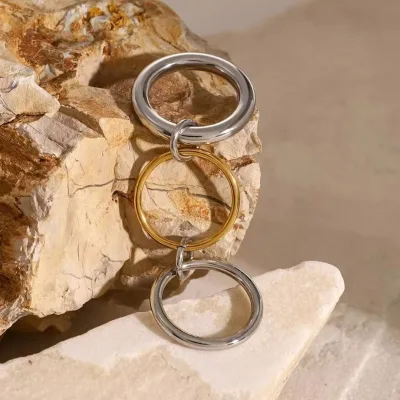

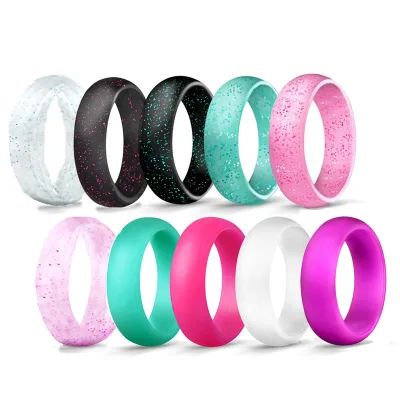


Comprehensive Sourcing Guide
BPA Free Baby Link Rings Sourcing Guide
Sourcing BPA-free baby link rings requires a nuanced understanding of the diverse product landscape available on global B2B platforms. Buyers often encounter listings that mix industrial-grade hardware with consumer-facing infant accessories, creating significant confusion regarding material safety and intended use. The core keyword suggests a focus on safety-critical components for baby carriers, slings, or educational toys, yet the observed market data reveals a wide spectrum of offerings. Some suppliers list stainless steel chains with specific grades like G30 or G40, which are typically industrial, while others explicitly market plastic or aluminum-plastic rings for infant use. This divergence necessitates a rigorous filtering process to isolate products that genuinely meet the stringent safety standards required for items that come into direct contact with a baby’s skin or mouth.
Procurement teams must prioritize suppliers who clearly distinguish between industrial hardware and consumer safety products. The presence of terms like "oil resistant" or "welded chain" in the same listing as "baby sling" is a major red flag, indicating a potential mismatch in product categorization. Buyers should focus on listings that explicitly state BPA-free certification for plastic components and provide clear material declarations for metal parts. The observed supply ability of one million pieces per day suggests high-volume manufacturing capabilities, but this does not guarantee the specific safety protocols required for infant products. It is crucial to verify that the supplier specializes in consumer goods rather than general industrial hardware, ensuring that their quality control processes are aligned with the delicate requirements of baby product manufacturing.
Product Scope and Observed Listing Signals
The observed product scope for baby link rings is fragmented, with listings ranging from simple plastic components to complex metal chain assemblies. Key attributes such as "plastic chain" and "aluminum-plastic" materials appear alongside industrial specifications like "G40 grade" and "oil blooming" surface treatments. This mix indicates that many suppliers offer a broad catalog, requiring buyers to carefully inspect the specific item details rather than relying on the general category title. The presence of "multicolor" options and "solid color" variants suggests that aesthetic customization is a common feature, allowing brands to align the rings with their specific product lines. However, the coexistence of "household" and "industrial" usage tags highlights the need for precise specification matching to avoid receiving unsuitable industrial-grade hardware for consumer applications.
Listing signals also reveal significant variations in packaging and logistics parameters, which impact the total landed cost. Some products are packed in simple cartons with pallets, while others utilize plastic reels or drums, indicating different handling requirements for bulk shipments. The single package size of 1x1x1 cm for some items suggests small, lightweight components, whereas other listings mention larger dimensions, potentially indicating bundled sets or different product types entirely. Buyers should pay close attention to the "single gross weight" and "supply ability" metrics to estimate shipping costs and production timelines accurately. The observation of "Shenzhen" as a port of dispatch provides a logistical baseline, but the actual place of origin varies between Guangdong and Shandong provinces, which may affect lead times and regional supplier expertise.
Technical Specifications to Verify
Verifying technical specifications is paramount when sourcing baby link rings, particularly regarding material composition and dimensional accuracy. Buyers must confirm that any plastic components are explicitly certified as BPA-free, as this is a non-negotiable safety requirement for infant products. For metal components, the grade must be clearly defined, with options like G30, G40, or G50 indicating different tensile strengths suitable for various load-bearing applications. The chain size, observed as 1/2"*3/32" in some listings, must be matched to the specific design requirements of the baby carrier or sling to ensure proper fit and functionality. Surface treatments such as "polishing" or "galvanizing" should be evaluated for their impact on durability and skin safety, ensuring that no harmful coatings are present.
Dimensional consistency and structural integrity are other critical technical factors that require verification. The standard size range of 4cm to 10cm provides a general guideline, but buyers should request detailed technical drawings or samples to confirm exact measurements. The "welded chain" structure mentioned in some listings must be inspected for smooth edges and secure welds to prevent snagging or breakage during use. Additionally, the "self-color" or "oil blooming" finishes should be assessed for their resistance to wear and tear, especially if the rings are subjected to frequent washing or exposure to moisture. Buyers should also verify the "single package size" and "gross weight" to ensure that the product dimensions align with their packaging design and shipping constraints, avoiding unexpected logistical issues.
Compliance and Safety Documentation
Compliance with international safety standards is essential for baby link rings, given their direct contact with infants. Buyers must request comprehensive documentation proving that the products meet relevant regulations, such as EN71 for toys or ASTM F963 for consumer product safety. While some background information mentions ISO 9001 and OEKO-TEX, these are general quality and textile standards that do not replace specific product safety certifications. It is crucial to verify that the plastic components are free from harmful chemicals like BPA, phthalates, and lead, and that metal parts do not contain hazardous substances that could leach out. Suppliers should provide third-party test reports from accredited laboratories to substantiate their claims, ensuring that the products are safe for prolonged use by babies.
Documentation should also include detailed material safety data sheets (MSDS) and declarations of conformity for each component used in the rings. Buyers should inquire about the supplier’s quality management systems and whether they adhere to specific standards for infant product manufacturing. The presence of "CE" marking in some contexts suggests compliance with European safety requirements, but this must be validated with actual test certificates. Additionally, buyers should check for any specific regional requirements, such as California Proposition 65 warnings or Chinese GB standards, depending on the target market. Ensuring that all compliance documentation is up-to-date and verifiable is critical to avoiding regulatory hurdles and protecting the brand’s reputation for safety and quality.
Cost Drivers and Commercial Terms
Cost drivers for baby link rings are influenced by material selection, customization requirements, and order volume. The use of high-grade stainless steel or specialized plastics can significantly impact the unit price, as can the complexity of surface treatments like polishing or galvanizing. Customization options, such as specific colors or branding, may incur additional setup fees or minimum order quantity (MOQ) requirements. The observed MOQ range of 1 to 1000 pieces suggests flexibility, but buyers should negotiate terms that align with their production schedules and inventory needs. Understanding the cost breakdown, including material, labor, and packaging, helps in evaluating the competitiveness of supplier quotes and identifying potential areas for cost optimization.
Commercial terms also include packaging details, shipping methods, and payment conditions, all of which affect the total procurement cost. The observed packaging options, such as cartons, reels, or drums, should be assessed for their suitability in protecting the products during transit and their impact on storage efficiency. Buyers should clarify the port of dispatch, typically Shenzhen, and negotiate freight terms to minimize shipping expenses. Payment terms, such as letters of credit or advance payments, should be structured to mitigate financial risk while maintaining a positive supplier relationship. Additionally, buyers should consider the potential for volume discounts and long-term partnership benefits, which can lead to more favorable pricing and priority production scheduling.
Supplier Qualification and Quality Control
Supplier qualification involves a thorough assessment of their manufacturing capabilities, quality control processes, and track record. Buyers should verify the supplier’s production facilities, ensuring they have the necessary equipment and expertise to produce high-quality baby link rings. The observed supply ability of one million pieces per day indicates large-scale production, but buyers must confirm that this capacity is maintained without compromising quality. Requesting references from other clients, particularly those in the infant product sector, can provide insights into the supplier’s reliability and consistency. Additionally, buyers should inquire about the supplier’s quality control protocols, including incoming material inspections, in-process checks, and final product testing.
Quality control measures should be clearly defined and agreed upon before placing orders. Buyers should specify acceptance criteria for dimensions, material composition, and surface finish, and request pre-shipment inspections to ensure compliance. The use of third-party inspection services can provide an objective assessment of product quality and supplier performance. Buyers should also establish a clear communication channel for addressing any quality issues or discrepancies, ensuring that problems are resolved promptly and effectively. Building a strong relationship with the supplier based on transparency and mutual trust can lead to improved product quality and more efficient collaboration throughout the procurement process.
Long-Term Procurement Checks
Long-term procurement checks focus on maintaining product quality, supplier performance, and market relevance over time. Buyers should conduct regular audits of the supplier’s quality control processes and review performance metrics such as defect rates and on-time delivery. Continuous monitoring of market trends and regulatory changes is essential to ensure that the products remain compliant and competitive. Buyers should also evaluate the supplier’s ability to innovate and adapt to new requirements, such as sustainable materials or advanced safety features. Establishing a structured review process for supplier performance can help identify areas for improvement and foster a culture of continuous improvement.
Additionally, buyers should maintain a diversified supplier base to mitigate risks associated with supply chain disruptions or quality issues. Regularly engaging with multiple suppliers can provide leverage in negotiations and ensure a steady supply of high-quality products. Buyers should also stay informed about emerging technologies and materials that could enhance the safety and durability of baby link rings. By proactively managing supplier relationships and staying ahead of industry developments, buyers can secure a reliable supply of safe, high-quality baby link rings that meet the evolving needs of their customers and regulatory environments.
FAQs
What materials are used for baby link rings?
Baby link rings are commonly made from stainless steel or plastic. Some products also utilize aluminium-plastic composites. These materials ensure durability and safety for infants while meeting various industrial and household usage requirements.
Can I customize the size of these rings?
Customization is available for many baby link ring products. Buyers can often select specific sizes ranging from 4cm to 10cm. However, some specific models may not accept custom orders, so verifying the product model is essential before purchasing.
What is the minimum order quantity for these items?
The minimum order quantity varies by product type. Some items require as few as 1 piece, while others like baby slings start at 200 pieces. The general observed range spans from 1 to 1000 units depending on the specific supplier and model selected.
Where are these baby link rings manufactured?
These products originate primarily from China, specifically Guangdong and Shandong provinces. Shenzhen serves as a common port of dispatch for shipments. This location allows for efficient logistics and supply chain management for international buyers seeking these items.
How are these rings packaged for shipping?
Packaging typically includes cartons, pallets, plastic reels, or drums. Specific models may use single cartons or plastic drums for bulk transport. The packaging details ensure safe delivery while accommodating different order sizes and shipping requirements for various buyers.
Are these rings suitable for everyday baby use?
Yes, these rings are designed for everyday use with infants. They are suitable for carrying babies and function as safety carriers. The products are unisex and intended for children aged 0 to 24 months, ensuring versatility for daily parenting needs.
What is the supply capacity for these products?
Suppliers can provide up to 1,000,000 pieces per day for certain items. This high capacity ensures that large orders can be fulfilled quickly. Buyers should confirm specific supply abilities with vendors to ensure timely delivery for their project requirements.