Source Essential Oil Bottle for Perfume, Cosmetics, and Medicine
Compare 30 glass Essential Oil Bottle options featuring customization, various capacities, and certifications like FDA and ISO. Buyers can evaluate models with screw caps, droppers, and leak-proof seals for perfume, cosmetics, and medicine applications; compare the available evidence and request quotations based on your requirements.
Key considerations
Products List


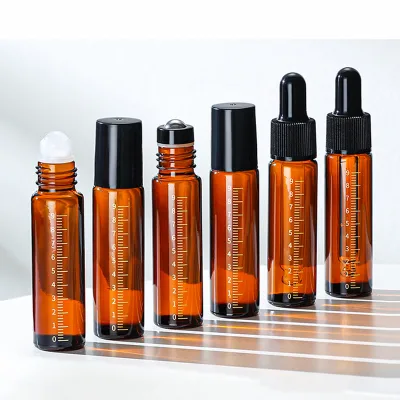
Amber/Black Glass Bottle for Essential Oil 10ml 20ml Essential Oil Bottle
$0.08 - $0.28
MOQ: 10000 Pieces

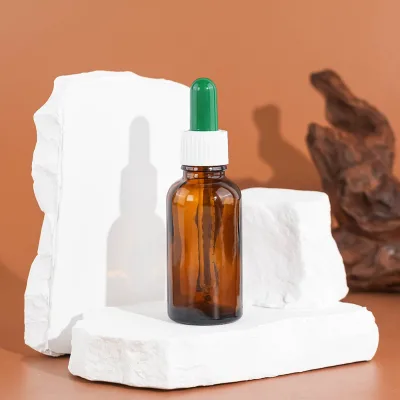
Perfect for Gifting or Personal Use 50ml Glass Bottle for Essential Oils
$0.51 - $0.65
MOQ: 2000 Pieces






Comprehensive Sourcing Guide
Essential Oil Bottle Sourcing Guide
Sourcing high-quality glass containers for essential oils requires a strategic approach that balances aesthetic appeal with functional integrity. Buyers must prioritize vessels that protect volatile compounds from degradation while ensuring secure dispensing mechanisms. The market offers diverse options, ranging from simple screw-cap bottles to complex atomizer systems, each serving distinct brand positioning needs. Understanding these variations is the first step in aligning packaging with product identity.
Procurement teams should evaluate suppliers based on their ability to provide customization and consistent quality. Factors such as glass type, color options, and sealing technology directly impact shelf life and user experience. By focusing on verified specifications and reliable manufacturing processes, buyers can mitigate risks associated with leakage, contamination, or poor visual presentation. This guide outlines the critical parameters for selecting the right Essential Oil Bottle supplier.
Product Scope and Observed Listing Signals
The current market landscape for essential oil packaging features a wide array of glass bottles designed for various capacities and applications. Listings indicate a price range of $0.02 to $2.80 USD, with minimum order quantities (MOQs) spanning from 50 to 200,000 units. This variability allows businesses of all sizes to find suitable solutions, from small artisanal brands to large-scale manufacturers. The observed product count of 30 items suggests a competitive environment with diverse supplier offerings.
Key attributes observed include cylindrical and round shapes, with colors ranging from clear to amber and pink. Materials are predominantly glass, specifically melt glass, which is valued for its inertness and premium feel. Many listings highlight features such as UV protection, eco-friendly properties, and leak-proof locking mechanisms. These signals help buyers quickly identify products that meet basic functional requirements for storing sensitive aromatic compounds.
Technical Specifications to Verify
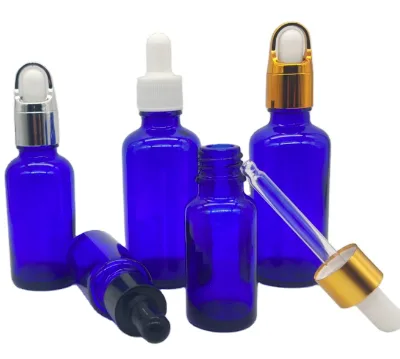
When evaluating technical specifications, buyers must confirm the neck size and cap compatibility to ensure proper sealing. Common neck sizes include 18mm DIN, which is standard for many dropper and pump systems. The choice between aluminum screw caps, lotion pumps, and atomizers depends on the desired dispensing method. Verifying that the bottle shape is cylindrical or round ensures compatibility with automated filling lines and labeling equipment.
Capacity ranges typically span from 5ml to 50ml, with some models extending up to 100ml. It is crucial to verify the inclusion of droppers or specific cap types, as these components significantly affect the user experience. Additionally, surface handling techniques like screen printing should be assessed for durability and aesthetic quality. Ensuring that the glass type is suitable for the intended application prevents chemical interactions that could compromise product integrity.
Compliance and Safety Documentation
Compliance with international standards is non-negotiable for essential oil packaging, especially when products are intended for cosmetic or medical use. Buyers should request documentation for certifications such as RoHS, REACH, LFGB, and FDA. These certifications indicate that the materials used in the glass and closures are safe for contact with food-grade or personal care substances. Verifying these documents protects brands from regulatory penalties and consumer safety issues.
In addition to material safety, buyers must ensure that the packaging meets specific industry standards for food-grade applications. The presence of ISO certifications, while not explicitly confirmed for every supplier, is a strong indicator of robust quality management systems. Procurement teams should ask for test reports that confirm the absence of harmful substances and the stability of the glass under various conditions. This due diligence builds trust with end consumers and regulatory bodies.
Cost Drivers and Commercial Terms
Several factors influence the final cost of essential oil bottles, including material quality, customization options, and order volume. Customization services, such as logo printing or unique cap designs, often incur additional fees. Buyers should negotiate clear terms regarding these extras to avoid unexpected costs. The observed MOQ range of 50 to 200,000 units allows for flexibility, but larger orders typically yield better per-unit pricing.
Packaging methods also impact logistics costs. Products are often shrink-wrapped and packed in cartons or on pallets to prevent damage during transit. Buyers should clarify whether packaging costs are included in the quoted price and how they affect shipping efficiency. Understanding these commercial terms helps in creating an accurate total cost of ownership model, ensuring that budget constraints are met without compromising on quality.
Supplier Qualification and Quality Control
Supplier qualification involves assessing their manufacturing capabilities and quality control processes. Look for suppliers that employ automatic inspection systems for the entire production process, as this reduces the risk of defects. Verify their ability to support OEM/ODM services if custom branding is required. A reliable supplier should provide samples for evaluation before committing to large orders.
Quality control checks should include visual inspections for cracks, bubbles, or imperfections in the glass. Buyers should also test the sealing integrity of caps and droppers to ensure they are leak-proof. Establishing a clear communication channel for addressing quality issues is essential. Suppliers with a track record of consistent quality and responsive service are better positioned to support long-term procurement needs.
Long-Term Procurement Checks
Long-term success in sourcing essential oil bottles depends on continuous monitoring of supplier performance and market trends. Regularly review supplier certifications to ensure they remain valid and up-to-date. Stay informed about changes in regulatory requirements that may affect packaging materials or labeling standards. Building a strong relationship with suppliers can lead to better pricing and priority service during peak demand periods.
Consider diversifying your supplier base to mitigate risks associated with supply chain disruptions. Evaluate new technologies or materials that may offer improved sustainability or functionality. Periodically reassess your packaging needs to ensure they align with evolving brand strategies and consumer preferences. By maintaining a proactive approach to procurement, buyers can secure a reliable supply of high-quality essential oil bottles that support their business growth.
FAQs
What customization options are available for essential oil bottles?
Customization is available for these glass bottles, allowing buyers to request specific logos and surface handling like screen printing. The products support OEM and ODM services, enabling tailored designs for cosmetic or medical applications while maintaining standard features like leak-proof locks.
Which certifications do the essential oil glass bottles hold?
The bottles hold multiple certifications including RoHS, REACH, LFGB, FDA, and ISO standards. They are also certified as food grade, ensuring safety for storing essential oils, perfumes, and medicines. These credentials verify compliance with international safety and environmental regulations for global trade.
Can I find essential oil bottles with UV protection features?
Yes, clear glass bottles in this collection offer UV protection to preserve oil quality. The products are designed with specific features to prevent degradation from light exposure. This makes them suitable for storing sensitive essential oils and aroma products that require long-term stability.
What sealing types are used for these glass dropper bottles?
These bottles utilize leak-proof lock sealing types to ensure product integrity during transport. They come equipped with aluminum screw caps, lotion pumps, or atomizers depending on the specific model. The screw dropper caps are included to provide precise dispensing for various liquid applications.
How does the production process ensure quality for these bottles?
The manufacturing process includes an automatic inspection system for the whole process to guarantee consistent quality. This system monitors the glass bottles from production through packing, ensuring that every unit meets the required standards for shape, capacity, and sealing before being shipped to buyers.
What packaging methods are used for shipping these glass bottles?
The bottles are packed in carton boxes, shrink wrapped, or placed on pallets for secure shipping. This packaging method protects the cylindrical glass bottles from damage during transit. The specific packing arrangement depends on the order quantity and the buyer's logistical requirements for bulk delivery.
Which capacities are available for the essential oil glass bottles?
Available capacities range from 5ml to 50ml, with specific models like 20ml also listed. The standard specifications cover sizes from 5ml up to 100ml, allowing buyers to select the exact volume needed for their essential oil, perfume, or cosmetic product lines without compromising on bottle integrity.