Source Essential Oil Cosmetic Dropper Bottle for Perfume, Skincare, Aromatherapy
Find 30 verified listings for Essential Oil Cosmetic Dropper Bottle options from Chinese manufacturers. Buyers can compare glass volumes, cap types, and customization services for personal care packaging needs.
Key considerations
Products List


Hot Cosmetic Packaging Skin Care Essential Oil Spray and Dropper Bottle
$0.10 - $1.00
MOQ: 10000 Pieces
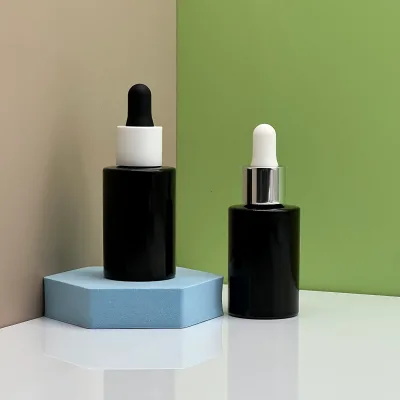


Custom Color 30ml Cosmetic Dropper Essential Oil Bottle for Personal Care
$0.05 - $0.12
MOQ: 10000 Pieces


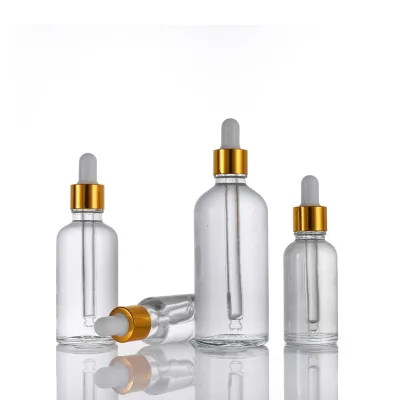


Cosmetic Dropper Bottles Matte Glass Luxury Essential Oil Bottle with Packaging
$0.19 - $0.35
MOQ: 5000 Pieces

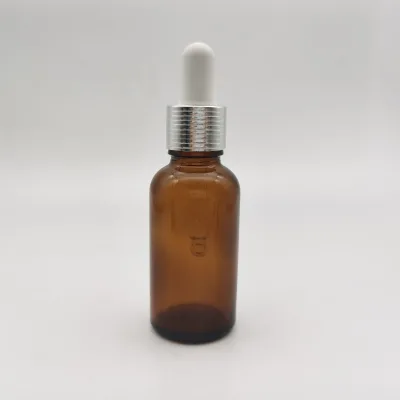
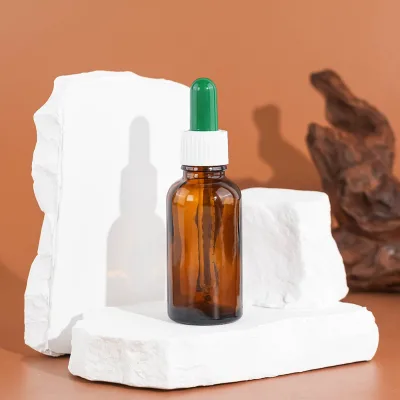
Cosmetic Packing Essential Oil Bottle Amber Glass Drop Bottle with Dropper
$0.09 - $0.09
MOQ: 10000 Pieces




Comprehensive Sourcing Guide
Strategic Sourcing Guide for Essential Oil Cosmetic Dropper Bottles
Technical Specifications and Material Composition
When sourcing essential oil cosmetic dropper bottles, the primary focus must be on the compatibility between the container material and the volatile nature of the product. The core material identified in the available market data is glass, which is the industry standard for preserving the integrity of essential oils due to its non-reactive properties. The product specifications indicate a wide range of volumes, specifically listing capacities from 5ml up to 150ml, with common increments including 5ml, 10ml, 15ml, 20ml, 25ml, 30ml, 50ml, and 100ml. Buyers must verify that the specific volume they require aligns with the manufacturer's standard mold capabilities, as custom volumes are noted as available but may impact tooling costs.
The cap material is a critical variable that determines the bottle's aesthetic and functional performance. The observed market offers a diverse selection of cap materials, including ABS, PP, Wooden, Surlyn, Acrylic, Plastic, Zamac, and Leather. Each material serves a different market segment; for instance, wooden caps often appeal to organic or luxury branding, while ABS and PP offer durability and cost-effectiveness for mass-market personal care items. The sealing mechanism is predominantly the screw cap, though dropper caps are also a standard offering. The dropper assembly itself typically features a rubber head, which is essential for the precise dispensing required for essential oils. Buyers should confirm the chemical resistance of the rubber head to ensure it does not degrade when exposed to high concentrations of essential oil compounds.
The shape of the bottle is another significant specification, with square profiles being a documented option. However, the market also supports custom shapes to differentiate brand identity. Surface handling options include screen printing, hot stamping, and spray techniques, allowing for extensive customization of the bottle's exterior. The thickness of the glass is a structural factor, with specific listings noting a thickness of 2mm, which provides a baseline for durability. However, for larger volumes like 100ml, the wall thickness may need to be adjusted to prevent breakage during shipping. The color palette is extensive, ranging from clear to amber, with options for any color to match brand guidelines. Amber glass is particularly relevant for essential oils as it offers UV protection, which helps prevent the oxidation of light-sensitive ingredients.
Compliance, Certification, and Safety Standards
Ensuring that essential oil packaging meets regulatory and safety standards is a non-negotiable aspect of B2B procurement. While the provided data lists "SGS" as a standard associated with certain product models, this should be interpreted as an example of the type of third-party verification available rather than a universal guarantee for every listing. Buyers must actively verify that their chosen supplier can provide valid SGS reports or equivalent certifications (such as ISO standards) specifically for the glass and cap materials intended for cosmetic use. The verification process should confirm that the materials are free from heavy metals and other contaminants that could leach into the essential oil.
The "Industrial Use" category is explicitly listed as "Cosmetic," which implies that the products are designed to meet the stringent requirements of the cosmetics industry. This includes compliance with regulations regarding food-grade or cosmetic-grade contact materials. For products originating from China, specifically from regions like Jiangsu or Shanghai, buyers should be aware that export standards often align with international norms, but local regulatory compliance must still be confirmed. The "Feature" attribute of "Recyclable" is a significant selling point for brands aiming for sustainability. However, buyers must distinguish between the recyclability of the glass bottle and the cap materials, as mixed materials (such as a glass bottle with a wooden or metal cap) can complicate the recycling process.
Certification checks should extend beyond the product itself to the manufacturing process. The presence of "Standard Export Carton" and "Pallet" packaging suggests that the supplier is familiar with international shipping requirements, but this does not automatically equate to compliance with destination-specific regulations. For instance, if the destination market requires specific labeling or material disclosures, the supplier must be able to accommodate these requests. The "Customized Service" attribute indicates that suppliers are generally flexible, but buyers should explicitly request documentation proving that the customization process adheres to the same safety standards as the standard production line.
Cost Drivers and Pricing Dynamics
The pricing structure for essential oil dropper bottles is influenced by several key factors, including material selection, volume, and customization complexity. The observed price range in the market spans from $0.02 to $2.80 per unit. This wide variance is primarily driven by the choice of cap material and the complexity of the glass molding. A basic glass bottle with a standard plastic cap will likely fall at the lower end of this spectrum, while a bottle with a wooden, Zamac, or leather cap, or one featuring complex screen printing and hot stamping, will command a higher price.
Volume is another critical cost driver. The Minimum Order Quantity (MOQ) ranges from 500 to 10,000 pieces. Suppliers often offer tiered pricing, where the unit cost decreases significantly as the order volume increases. The specific listing of an MOQ of 10,000 pieces for certain models suggests that high-volume orders are necessary to access the most competitive rates. Buyers with lower volume requirements may need to negotiate with suppliers who have lower MOQ thresholds, potentially accepting a higher unit cost or paying a setup fee for custom molds.
Customization is a major factor in cost escalation. While "Samples Are Free" is a common offering, the actual production of custom-designed bottles involves tooling costs for molds and setup costs for printing processes like silk screen or hot stamping. The "Customization: Available" attribute confirms that these services exist, but the financial impact depends on the degree of deviation from standard stock items. Additionally, the packaging method affects the final landed cost. Options such as "Paper Pack," "Carton," or "Pallet Package" vary in material cost and labor intensity. A "Trading Carton" might be more economical for smaller shipments, whereas a "Standard Export Carton" with "Paper Dividers" is essential for protecting glass bottles during long-distance international shipping, adding to the overall cost.
Typical Applications and Market Segmentation
Essential oil cosmetic dropper bottles serve a diverse range of applications within the personal care and beauty industry. The primary application is identified as "Personal Care," with specific uses including "Printed," "Plain," "Perfume," and "Essential Oils." This versatility allows the same bottle design to be adapted for various product lines, from high-end perfumes to therapeutic essential oil blends. The "Age Group" is listed as "Adult," indicating that these products are generally targeted at mature consumers, though the design can be adapted for broader demographics.
The specific use cases often dictate the choice of bottle features. For example, essential oils that are photosensitive require amber or colored glass to maintain potency, while clear glass is preferred for products where visual appeal of the liquid is a selling point. The "Glass Cosmetic Packaging" application highlights the use of these bottles in professional cosmetic formulations, where the dropper mechanism allows for precise dosage control, a critical factor for active ingredients. The square shape and various cap materials (such as wood or leather) are often utilized in "luxury" or "organic" market segments to convey a natural or premium aesthetic.
The following table summarizes the typical applications based on the observed product attributes:
| Application Category | Key Bottle Features | Target Market Segment |
|---|---|---|
| Essential Oils | Amber/Colored Glass, Dropper Cap, Rubber Head | Aromatherapy, Wellness, Organic Brands |
| Perfumes | Clear/Colored Glass, Screw Cap, Custom Logo | Luxury Fragrance, Niche Perfumery |
| Serums & Toners | Square Shape, Various Volumes (5-100ml) | Skincare, Clinical Cosmetics |
| General Personal Care | Recyclable Glass, Standard Packaging | Mass Market, Retail Chains |
Supplier Evaluation and Verification
Evaluating a supplier for essential oil dropper bottles requires a rigorous assessment of their capabilities, particularly regarding customization and quality consistency. The "Brand Name" Olila is mentioned in the data, but buyers should not limit their search to a single brand. Instead, the focus should be on the supplier's ability to provide "Customized Service" and their track record with the specific materials required. The origin of the products is primarily China, with specific mentions of Jiangsu (Mainland) and Shanghai as delivery points. Buyers should verify the specific factory location to assess logistics and potential supply chain risks.
A critical aspect of supplier evaluation is the ability to handle the full range of specifications, from the 5ml to 150ml volume range and the diverse cap materials. Suppliers that offer "Standard Export Carton" and "Pallet" packaging demonstrate experience with international shipping, which is vital for B2B transactions. The availability of "Free Samples" is a significant advantage, allowing buyers to physically inspect the quality of the glass, the fit of the dropper, and the accuracy of the printing before committing to a large order.
Buyers should also inquire about the supplier's capacity to handle different "Surface Handling" techniques. The ability to perform "Screen Printing," "Hot Stamping," and "Spray" printing indicates a versatile production line. However, it is essential to verify that the supplier has the necessary equipment and expertise to execute these processes without compromising the structural integrity of the glass. The "Feature: Recyclable" attribute should be backed by verifiable claims, as sustainability is increasingly a requirement for modern cosmetic brands.
Quality Control and Long-Term Procurement
Quality control in the production of glass dropper bottles is paramount to prevent breakage and ensure product safety. The "Sealing Type: Screw Cap" and "Dropper: Rubber Head" specifications must be tested for leak resistance and durability. Buyers should request test results or quality assurance protocols that verify the seal integrity under various conditions, including temperature fluctuations and shipping vibrations. The "Thickness: 2mm" specification serves as a baseline, but for larger volumes, the glass thickness must be sufficient to withstand handling without cracking.
Long-term procurement considerations involve establishing a reliable supply chain that can scale with demand. The "MOQ: 10,000PCS" for certain models suggests that suppliers are geared towards large-scale production. For buyers with fluctuating demand, negotiating flexible MOQ terms or maintaining a relationship with multiple suppliers can mitigate risk. The "Delivery: Shanghai" location implies that buyers should factor in lead times associated with port logistics and customs clearance.
Sustainability is a growing priority in the cosmetic industry. The "Recyclable" feature of the glass bottles is a key selling point, but buyers should also consider the environmental impact of the cap materials. While glass is infinitely recyclable, materials like Zamac or mixed plastics may require specific recycling streams. Long-term contracts should include clauses that ensure the supplier maintains consistent quality and adheres to agreed-upon sustainability standards. Additionally, the "Other Service: Customized Service" should be leveraged to develop exclusive designs that protect the buyer's intellectual property and brand identity over time.
In conclusion, sourcing essential oil cosmetic dropper bottles requires a balanced approach that considers technical specifications, compliance, cost, and supplier reliability. By carefully evaluating the available options and verifying all claims against the provided facts, buyers can secure a supply chain that meets their specific needs while maintaining high standards of quality and sustainability.
FAQs
What cap materials are available for essential oil cosmetic dropper bottles?
Cap materials include ABS, PP, Wooden, Surlyn, Acrylic, Plastic, Zamac, and Leather. Buyers should select based on brand aesthetics and chemical resistance, as wooden or leather caps often suit organic branding while plastic options offer durability.
Which glass volumes are standard for these cosmetic dropper bottles?
Standard volumes range from 5ml to 150ml, including 5, 10, 15, 20, 25, 30, 50, and 100ml increments. Custom volumes are available but may require additional tooling costs, so verify specific mold capabilities before ordering.
Can buyers get free samples before placing a large order?
Yes, samples are free for most product models. This allows verification of glass quality, dropper fit, and printing accuracy before committing to the minimum order quantity, which typically ranges from 500 to 10,000 pieces.
How does the MOQ vary for essential oil cosmetic dropper bottles?
The minimum order quantity ranges from 500 to 10,000 pieces depending on the specific model and customization level. Higher volumes often secure better unit pricing, while lower MOQs may apply to standard stock items.
What surface printing options are available for logo customization?
Surface handling includes screen printing, hot stamping, and spray techniques. These methods allow for detailed branding, but buyers must confirm the chemical resistance of inks and the durability of the finish for long-term use.
Which glass colors are offered for protecting light-sensitive essential oils?
Colors include clear, amber, and any custom color. Amber glass is particularly recommended for essential oils as it provides UV protection to prevent oxidation, while clear glass highlights the liquid's visual appeal.
Where are these cosmetic dropper bottles manufactured and shipped from?
Products originate from China, with specific delivery points in Shanghai and Jiangsu. Buyers should verify the exact factory location to assess logistics costs and ensure compliance with international shipping standards for glass packaging.