Source Essential Oils Sleep Patches for relaxation, travel, and home use
Find 30 verified listings for Essential Oils Sleep Patches designed to support restful sleep and relaxation. Buyers can compare specifications like effective time, material, and OEM capabilities to select the right supplier for their needs.
Key considerations
Products List




Comprehensive Sourcing Guide
Strategic Sourcing Guide for Essential Oil Sleep Patches
The global demand for non-pharmaceutical sleep aids has driven significant interest in essential oil sleep patches, a category blending aromatherapy with transdermal delivery systems. For B2B buyers, navigating this market requires a disciplined approach to verifying product attributes, understanding supply chain variables, and ensuring regulatory compliance. This guide synthesizes observed market data and technical specifications to provide a framework for sourcing high-quality sleep patches without relying on unverified claims or speculative market figures.
Technical Specifications and Product Attributes
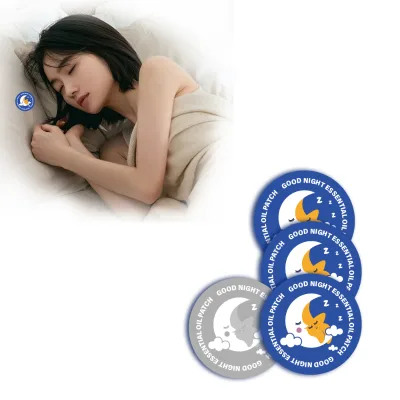
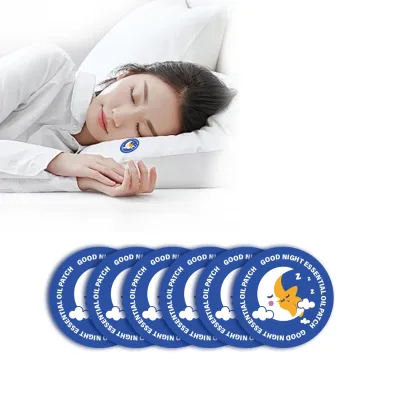
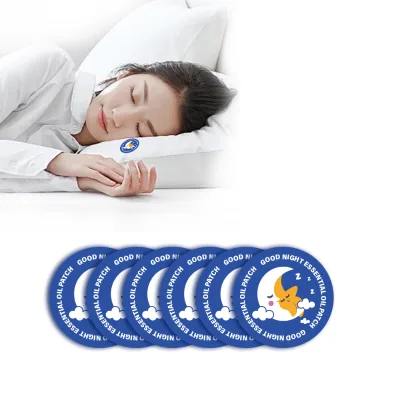
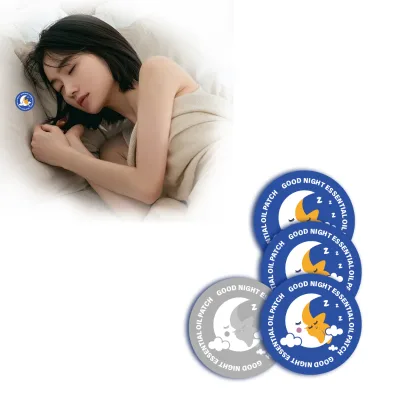
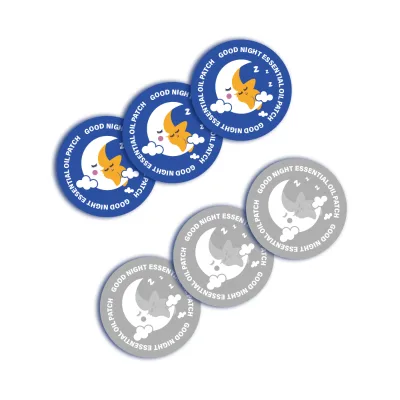
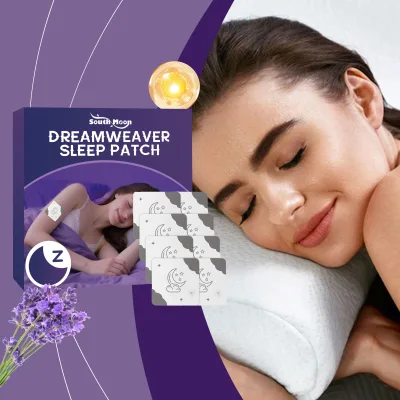
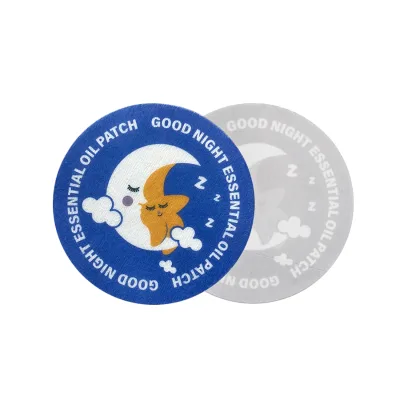
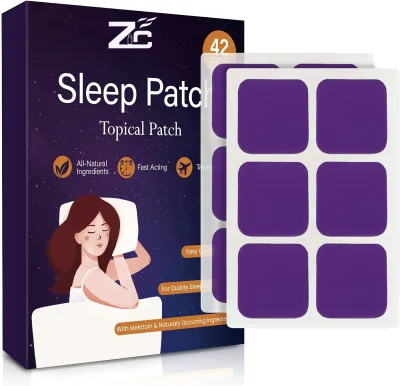
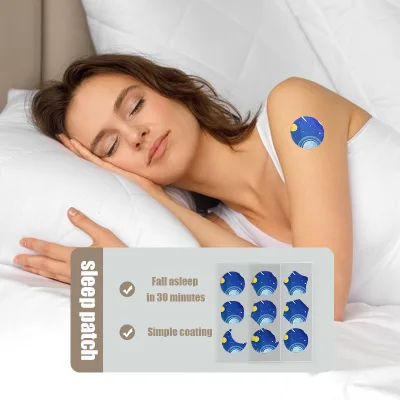
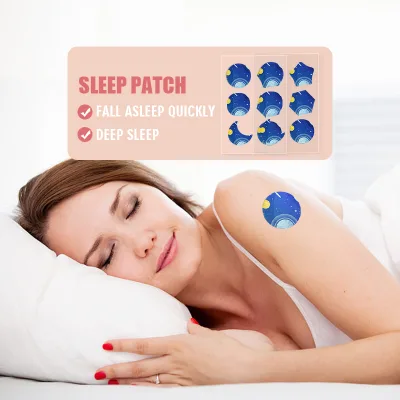
When evaluating essential oil sleep patches, the primary focus must be on the physical construction and the delivery mechanism of the active ingredients. The core component of these products is the adhesive patch itself, which typically utilizes a non-woven fabric or cotton substrate to ensure breathability and skin compatibility. Market observations indicate that the item form is consistently described as a "Patch" or "Stick," with specific dimensions often standardized around a diameter of 6 cm, though customization is frequently available based on buyer requirements.
The efficacy of the patch relies heavily on the formulation of the essential oil blend. High-confidence data suggests that the primary additive is oil, with key ingredients often listed as 100% natural aroma essential oils. The concentration and type of oil are critical, as they determine the therapeutic profile. The effective time for these patches varies by formulation, with observed performance ranges indicating that a single patch can last between 7 to 8 hours, aligning with a standard night's sleep cycle.
Packaging specifications are equally vital for logistics and retail presentation. Standard single package dimensions have been observed at approximately 10 x 9.5 x 1 cm or 10 x 6.5 x 0.2 cm, depending on the specific model and layering of the product. The single gross weight is a critical factor for freight calculations, with individual units ranging from 0.020 kg to 0.200 kg. Buyers must verify the net weight, which can vary from 33g for larger units to lighter configurations, to ensure accurate inventory planning. The material composition is predominantly non-woven fabric, though some variants utilize cotton, which may offer different tactile properties and absorption rates.
Compliance and Quality Certification Verification
Regulatory compliance is a non-negotiable aspect of sourcing health and personal care products. For essential oil sleep patches, the market data highlights specific quality certifications that serve as indicators of manufacturing standards. The most frequently observed certifications include MSDS (Material Safety Data Sheet) and CE marking. The presence of an MSDS is essential for understanding the chemical composition and safety handling requirements of the essential oils used. The CE mark indicates conformity with health, safety, and environmental protection standards for products sold within the European Economic Area.
Buyers must treat these certifications as observations of specific listings rather than universal guarantees for all products in the category. It is imperative to request current, verifiable copies of these documents directly from the supplier before placing an order. The application of the product is strictly defined as external use or personal care, and any claim suggesting internal consumption or medical treatment must be scrutinized against local regulations. Furthermore, the shelf life of these products is typically listed as 2 years, a factor that impacts inventory turnover and storage conditions.
Cost Drivers and Pricing Dynamics
The pricing structure for essential oil sleep patches is influenced by several variables, including material quality, customization levels, and order volume. The observed price range in the market spans from $0.04 to $2.30 per unit. This wide disparity suggests that the cost is heavily dependent on the specific configuration of the product. Lower price points often correlate with standard designs, basic packaging, and lower minimum order quantities (MOQs), while higher prices may reflect premium essential oil blends, custom branding, or specialized packaging.
The MOQ range is equally variable, extending from as low as 1 unit for sampling purposes to 50,000 units for bulk manufacturing. This flexibility allows buyers to test the market with minimal risk before committing to large-scale production. However, the unit price is rarely static; it typically follows a tiered structure where the cost per unit decreases as the order volume increases. Buyers should also consider the "Sample" policy, which often includes free samples with freight paid, a common practice that reduces the initial cost of evaluation.
| Cost Factor | Observation Range | Impact on Procurement |
|---|---|---|
| Unit Price | $0.04 - $2.30 USD | Highly dependent on customization and volume |
| MOQ | 1 - 50,000 units | Determines initial capital outlay and risk |
| Packaging Size | 10x9.5x1 cm to 10x6.5x0.2 cm | Affects shipping volume and freight costs |
| Weight | 0.020 kg - 0.200 kg per unit | Influences air vs. sea freight selection |
Typical Applications and Market Positioning
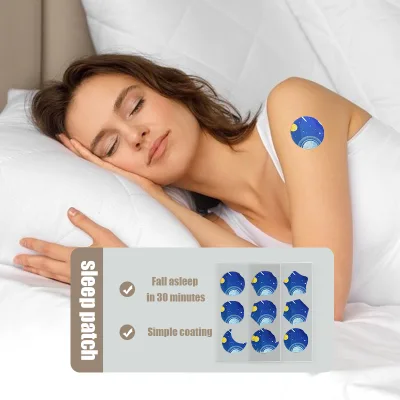
The primary application of essential oil sleep patches is in the health care and personal care sectors, specifically targeting individuals seeking natural sleep support. The functional claims associated with these products focus on relaxation and promoting better sleep quality. The product benefits are consistently described as "sleep support," leveraging the properties of essential oils to create a calming environment. The application is strictly external, designed to be applied to the body, often on the chest, back, or soles of the feet, to allow for the gradual release of aromatics.
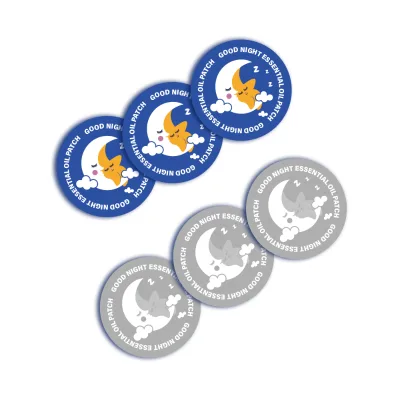
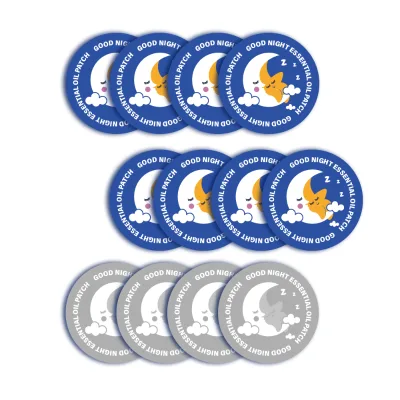
The market positioning of these patches often emphasizes their portability and lightweight nature. These attributes make them suitable for travelers, shift workers, and anyone experiencing temporary sleep disturbances. The ability to offer OEM (Original Equipment Manufacturer) and ODM (Original Design Manufacturer) services allows suppliers to tailor the product to specific brand identities. This includes customization of the shape, color, packaging, and logo. Some listings indicate that the color can be as per the photo or customized to specific brand requirements, such as blue or other calming hues.
Supplier Evaluation and Sourcing Capabilities
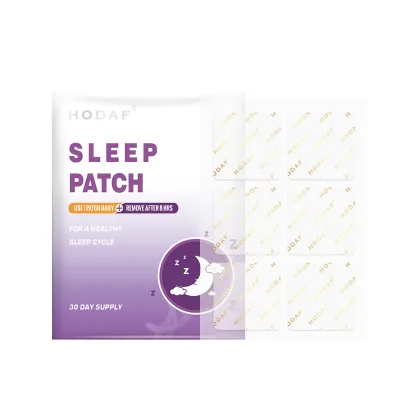
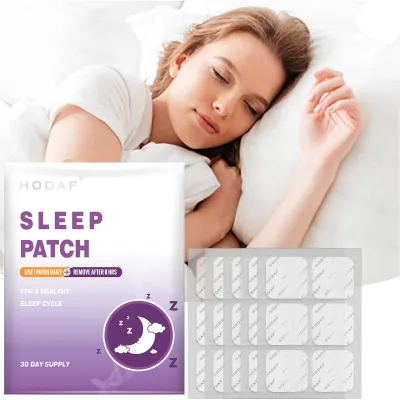
When evaluating potential suppliers, buyers should prioritize those with demonstrated capabilities in OEM and ODM services. The ability to customize the product is a significant differentiator in this market. Suppliers should be able to accommodate requests for specific shapes, colors, packaging designs, and logo placements. The brand name on the product may be listed as "OEM ODM" or a specific manufacturer brand like "HODAF," indicating the level of white-labeling available.
Geographic origin is another critical factor in supplier evaluation. The majority of the observed production originates from Hebei, China, a region known for its manufacturing capabilities in textiles and personal care products. Buyers should verify the supplier's location and assess their logistical capabilities, including lead times and shipping methods. While specific lead times are not universally standardized in the provided data, the capacity to handle large volumes up to 500 mL in packaging or 50,000 units in order quantity suggests a robust production infrastructure.
Quality Control and Inspection Protocols
Implementing a rigorous quality control (QC) protocol is essential to ensure that the received goods match the agreed-upon specifications. Given the variability in observed attributes, such as the effective time ranging from 7 to 8 hours and the weight varying between 0.020 kg and 0.200 kg, buyers must establish clear acceptance criteria. Inspection should focus on the integrity of the non-woven fabric or cotton material, the consistency of the adhesive, and the uniformity of the essential oil application.
Buyers should verify the shelf life of 2 years and ensure that the product is stored and shipped in conditions that preserve the volatile nature of essential oils. The "Safe" feature mentioned in product attributes should be validated through the provided MSDS and CE documentation. Additionally, the application of the product must be strictly adhered to as external use only. Any deviation from these standards could lead to consumer complaints or regulatory issues.
Long-Term Procurement Considerations
Sourcing essential oil sleep patches is not merely a transactional exercise but a strategic partnership that requires long-term planning. Buyers should consider the scalability of the supplier's operations, particularly their ability to maintain consistent quality as order volumes increase. The flexibility to adjust the model number, such as the observed variations from EOP20250722 to HX-20240918, indicates a dynamic production line capable of adapting to market trends.
Sustainability and ingredient sourcing are becoming increasingly important. While the data specifies "100% Natural Aroma Essential Oil," buyers should inquire about the sourcing of these oils to ensure they meet ethical and environmental standards. The ability to offer private label services allows brands to build long-term customer loyalty by creating a unique product identity. Finally, maintaining a clear communication channel with the supplier regarding updates in regulations, material availability, and pricing structures will ensure a stable supply chain for years to come. By adhering to these evidence-based guidelines, buyers can navigate the complex landscape of essential oil sleep patches with confidence and precision.
FAQs
What certifications do Essential Oils Sleep Patches typically have?
Most listed products carry MSDS and CE certifications to verify safety and compliance. These documents confirm the chemical composition and adherence to European health standards for external use products.
How long does each patch last for sleep support?
Each patch is designed to last up to 8 hours or 7 hours depending on the specific formulation. This duration aligns with a standard night's sleep cycle to provide continuous relaxation.
What is the minimum order quantity for these patches?
The minimum order quantity ranges from 1 unit for sampling to 50,000 units for bulk manufacturing. This flexibility allows buyers to test the market before committing to large-scale orders.
Can I customize the shape and color of the patches?
Yes, OEM and ODM services allow customization of shape, color, packaging, and logo. Suppliers typically accept requests for specific branding requirements to match your product identity.
Where are these essential oil sleep patches manufactured?
The majority of production originates from Hebei, China, a region known for textile and personal care manufacturing. Buyers should verify specific supplier locations to ensure logistical compatibility.
What material is used to make the sleep patches?
The patches are primarily constructed from non-woven fabric or cotton to ensure breathability. This material choice supports skin compatibility and effective delivery of the essential oil additive.