Source Essential Oil Roller Bottle for Cosmetics, Perfumes, Serums
Compare 30 Essential Oil Roller Bottle options from Chinese manufacturers. Buyers can evaluate materials like plastic and glass, sizes ranging from 10ml to 70ml, and customization services including logo printing and OEM capabilities.
Key considerations
Products List


Empty 10ml Glass Roll-on Bottle Essential Oil Cream Bottle with Roller Ball
$0.05 - $0.16
MOQ: 10000 Pieces


10ml Glass Essential Oil Roller Bottle with Plastic Stainless Steel Ball
$0.15 - $0.32
MOQ: 3000 Pieces


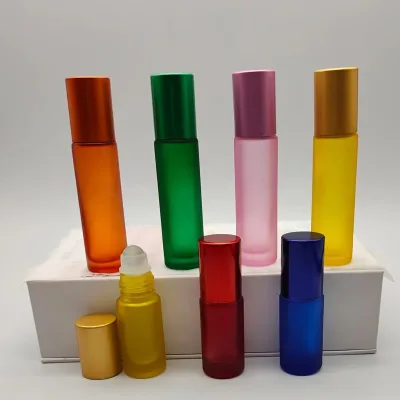
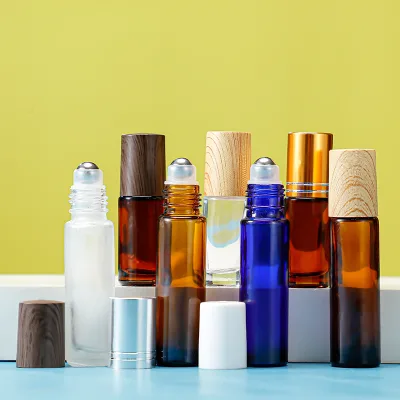


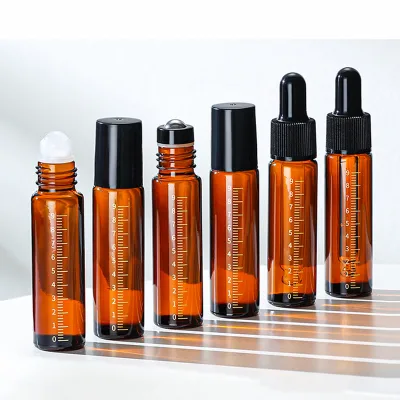


Comprehensive Sourcing Guide
Strategic Sourcing Guide for Essential Oil Roller Bottles
Understanding Core Product Specifications and Variants
When initiating a procurement strategy for essential oil roller bottles, the first critical step is defining the precise technical specifications required for your application. The market presents a diverse array of options, primarily distinguished by material composition, capacity, and closure mechanisms. Based on current industry observations, the primary material categories include plastic and glass. Plastic variants are frequently noted for their durability and cost-effectiveness, while glass options, often described as clear, provide a premium aesthetic and superior chemical resistance for sensitive formulations.
Capacity is another fundamental variable. The observed market data indicates a wide range of sizes, from small 10 ml units suitable for concentrated serums to larger 50 ml and 70 ml bottles designed for broader skincare applications. Some suppliers offer custom sizing, allowing for specific volume requirements such as 20 ml or 30 ml. The physical shape of the bottle also varies, with cylinder and round profiles being the most common configurations. The bottleneck design is typically standardized to accommodate the roller ball mechanism, though some listings reference jar-style openings which may require specific adapter considerations.
The closure system is perhaps the most defining feature of this product category. The primary sealing types observed are roll-on bottles, screw caps, and roller ball mechanisms. The roll-on bottle design specifically integrates a metal or plastic ball that rotates within the cap to dispense the liquid, ensuring precise application without direct skin contact with the bottle opening. This mechanism is essential for maintaining the purity of essential oils and aromatherapy products. Buyers must verify that the roller ball fits the specific viscosity of their product; thicker oils may require a larger ball or a different aperture size to ensure smooth flow.
Compliance, Certification, and Material Safety Standards
In the realm of personal care and cosmetics, regulatory compliance is non-negotiable. When sourcing essential oil roller bottles, buyers must prioritize suppliers who can demonstrate adherence to recognized quality management systems. The supply chain data indicates that ISO certification is a common attribute among reputable manufacturers. This certification serves as a baseline indicator that the production facility maintains consistent quality control processes, which is vital for products intended for direct skin application.
Material safety is paramount, particularly when dealing with essential oils that can be corrosive or reactive. While specific chemical resistance standards are not explicitly detailed in the general product listings, the distinction between plastic and glass materials is significant. Glass is generally inert and does not interact with the chemical composition of essential oils, making it a preferred choice for high-value or sensitive blends. Plastic bottles, while offering advantages in weight and breakage resistance, must be verified for compatibility with the specific solvents and oils they will contain to prevent leaching or degradation.
Buyers should also verify the origin of the products. The majority of observed listings indicate a production origin in China. While this location is a major hub for manufacturing, it necessitates rigorous due diligence regarding the specific factory's compliance history. The presence of a "Customized" logo attribute suggests that suppliers are equipped to handle branding requirements, but this customization must not compromise the structural integrity or safety of the packaging. Furthermore, the "Service" attributes often listed as ODM (Original Design Manufacturing) and OEM (Original Equipment Manufacturing) imply that suppliers can tailor the product to specific regulatory needs, but the buyer must explicitly define these requirements in the contract.
Cost Drivers and Pricing Dynamics
The pricing structure for essential oil roller bottles is influenced by a complex interplay of factors, including material type, order volume, and customization levels. The observed market data suggests a significant variance in pricing, with some listings indicating a range of 0-1 USD, though this likely reflects a baseline or promotional rate rather than a standard unit cost for high-quality glass or customized plastic units. Buyers should be cautious of prices that seem abnormally low, as they may indicate compromises in material quality or manufacturing standards.
Order Volume is a primary driver of cost efficiency. The Minimum Order Quantity (MOQ) observed in the market ranges widely, from 50 units to as high as 20,000 units. A specific high-confidence fact notes an MOQ of 10,000 pieces for certain plastic variants, while other listings suggest an MOQ of 10,000 for glass options. This high threshold is typical for custom-molded plastic or glass rolling bottles due to the setup costs associated with tooling and production lines. Buyers with lower volume needs may need to negotiate with suppliers who offer lower MOQs, potentially at a higher unit cost, or consider purchasing from stock inventory.
Customization is another significant cost factor. The availability of "Customized" logos and "Custom" sizes implies additional expenses for mold creation, screen printing, or labeling. The "Free Sample" attribute is a common offering, which allows buyers to assess quality before committing to a large order, but the cost of shipping samples and the time required for production should be factored into the overall budget. Additionally, the "Advantage" of having more than 15 years of experience may correlate with higher pricing, reflecting the supplier's expertise and reliability.
Typical Applications and Market Usage
Essential oil roller bottles serve a versatile role across several sectors of the personal care and wellness industry. The primary applications identified include skincare products, serums, perfumes, and aromatherapy blends. The specific design of the roller ball makes these bottles ideal for targeted application, allowing users to apply oils directly to pulse points such as the wrists, neck, and temples. This targeted delivery system is particularly valued in the aromatherapy sector, where the precise dosing of essential oils is crucial for therapeutic efficacy.
The "Usage" attributes highlight that these bottles are suitable for cosmetics and personal care products in general. The "Age Group" specification of "Adult" suggests that these products are primarily marketed toward adult consumers, though the packaging design can be adapted for different demographics. The "Volume" constraint of less than 100 ml aligns with the typical travel-friendly nature of roller bottles, making them popular for on-the-go use.
Furthermore, the "Application" list includes specific product types like essential oils and perfumes, indicating that the bottles must be capable of handling volatile compounds without degrading. The "Sealing Type" of roll-on bottles ensures that the product remains fresh and protected from oxidation, which is critical for maintaining the potency of essential oils. Buyers should consider the end-user's experience; a bottle that is too heavy or difficult to roll can negatively impact the perceived value of the product, regardless of the quality of the oil inside.
Supplier Evaluation and Quality Control Protocols
Selecting the right supplier requires a comprehensive evaluation of their capabilities, particularly regarding their ability to meet specific quality and delivery standards. The "Delivery Time" of 7-15 days is a common benchmark observed in the market, but this can vary based on order complexity and customization requirements. Buyers should confirm lead times explicitly, as delays can disrupt product launches and inventory management. The "Shipping Ways" available, including air, sea, and express shipment, offer flexibility in logistics, but the choice of shipping method will impact both cost and delivery speed.
Quality control is essential to ensure that the roller bottles function correctly and do not leak. Buyers should request samples to test the roller mechanism for smoothness and the seal for integrity. The "Free Sample" and "Free Sample" attributes indicate that suppliers are generally willing to provide product samples for evaluation. During the quality assessment, buyers should check for defects such as uneven rolling, loose caps, or visible imperfections in the glass or plastic. The "Certificate: ISO" mentioned in the data provides a baseline for quality management, but buyers should also inquire about specific testing protocols for leakage and material compatibility.
The "Service" attributes of ODM and OEM suggest that suppliers can offer design and manufacturing support. However, buyers must ensure that the supplier has the technical expertise to handle the specific requirements of essential oil packaging. The "Advantage" of having over 15 years of experience is a positive indicator, but it should be verified through references or case studies. Additionally, the "Payment Term" of Tt (Telegraphic Transfer) is standard, but buyers should negotiate terms that protect their interests, such as partial payments upon shipment or inspection.
Long-Term Procurement Considerations and Sustainability
Sourcing essential oil roller bottles is not just a one-time transaction but a long-term partnership that requires strategic planning. The "Customization" availability allows for brand differentiation, but buyers must consider the long-term implications of these choices. For instance, switching materials or designs mid-production can be costly and time-consuming. Therefore, it is advisable to finalize specifications early in the process to avoid unnecessary changes.
Sustainability is an increasingly important factor in procurement. While the provided data does not explicitly mention eco-friendly materials, buyers should inquire about the recyclability of the plastic and glass used. The "prod_packing" of "Carton" or "Carton+Pallet" indicates standard packaging methods, but buyers can request eco-friendly packaging options to align with corporate sustainability goals. The "Volume" of the order also plays a role in sustainability; larger orders may reduce the carbon footprint per unit, but they also require more storage space and capital.
Finally, the "Standard" attributes, such as "Customize" or specific sizes like "10ml" and "20ml," suggest that buyers have the flexibility to adapt to market trends. However, maintaining a consistent supply chain is crucial for brand stability. Buyers should establish clear communication channels with suppliers to ensure that any changes in regulations or market demands can be addressed promptly. The "Application" of these bottles in the skincare and aromatherapy sectors is likely to grow, making it essential to choose a supplier who can scale production as demand increases. By focusing on these long-term considerations, buyers can build a resilient and efficient supply chain for their Essential Oil Roller Bottle needs.
FAQs
What materials are available for essential oil roller bottles?
Both plastic and glass materials are available for these bottles. Plastic offers durability and cost-effectiveness, while glass provides a premium aesthetic and superior chemical resistance for sensitive formulations.
Which capacities can be found for these roller bottles?
Capacities range from 10 ml to 70 ml, with options for 20 ml and 30 ml sizes. Some suppliers also offer custom sizing to meet specific volume requirements for different product types.
Can I get custom logos on these bottles?
Yes, customized logos are available on the bottles. This service allows for brand differentiation, though buyers should verify that customization does not compromise the structural integrity or safety of the packaging.
What is the typical minimum order quantity for these bottles?
The minimum order quantity is typically 10,000 pieces for both plastic and glass variants. Some listings suggest a range from 50 to 20,000 units, but 10,000 is a common threshold for custom orders.
How long does delivery usually take for these products?
The standard delivery time is between 7 to 15 days. This timeline can vary based on order complexity and customization requirements, so buyers should confirm lead times explicitly before placing an order.
Are ISO certified manufacturers available for these bottles?
Yes, some manufacturers hold ISO certification for their production facilities. This certification indicates adherence to recognized quality management systems, which is vital for products intended for direct skin application.
What shipping methods are offered for these bottles?
Air, sea, and express shipment methods are available for shipping these bottles. The choice of shipping method will impact both the cost and the speed of delivery to the buyer's location.