Source Euro 6 Water Sprinkler Truck for Road Cleaning, Dust Control, and Fire Suppression
Explore 30 listings of the Euro 6 Water Sprinkler Truck available for road cleaning, dust suppression, and landscape irrigation. Buyers can compare specifications like tank volume, engine power, and chassis models from multiple Chinese manufacturers.
Key considerations
Products List


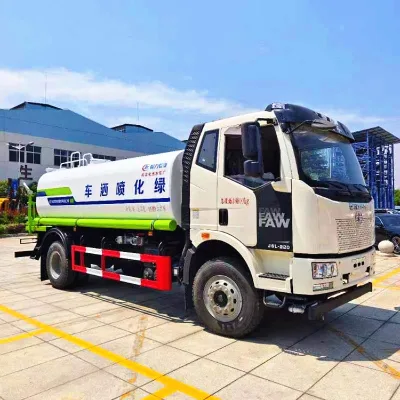
Euro 6 Faw 12cbm Sprinkler Truck Landscaping Spraying Truck Drinking Water tank Truck
$22591.17 - $23005.69
MOQ: 1 units
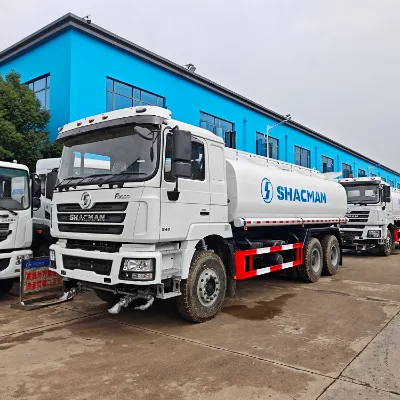


Reliable China Wide Spraying Coverage High-Quality Water Sprinkler Truck
$26000.00 - $28000.00
MOQ: 1 Pieces

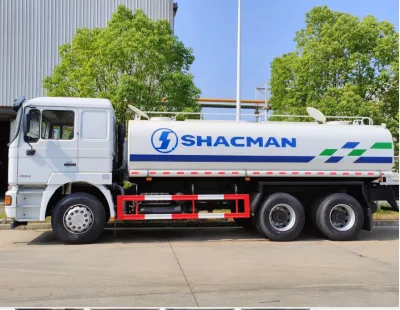


Reliable Sinotruk 6X4 Water Sprinkler Truck for Efficient Irrigation
$20000.00 - $40000.00
MOQ: 1 Pieces


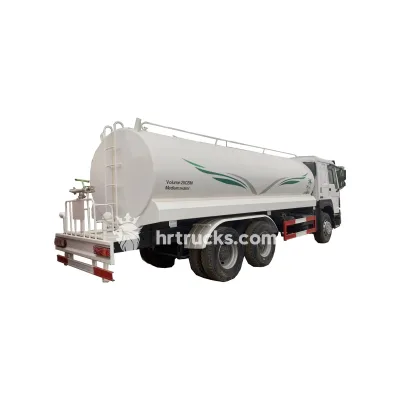

Mini Water Tank Truck Sprinkler Water Truck New Sprinkler Water Tanker Truck
$19000.00 - $20000.00
MOQ: 1 pieces


Heavy-Duty Water Sprinkler Truck for Efficient Agricultural Irrigation
$14500.00 - $15500.00
MOQ: 1 Pieces


Water Delivery Sprinkler Truck for Urban Environmental Protection Projects
$14000.00 - $15000.00
MOQ: 1 Pieces


Comprehensive Sourcing Guide
Strategic Sourcing Guide for Euro 6 Water Sprinkler Trucks
Understanding the Technical Landscape of Modern Sprinkling Vehicles
When sourcing a Euro 6 Water Sprinkler Truck, buyers must first navigate the complex technical specifications that define the vehicle's operational capabilities. The core function of these units is road cleaning and dust suppression, requiring a precise integration of chassis engineering, tank capacity, and spraying mechanisms. Based on available market data, the chassis models often cited include the EQ1120gsz6DJ2 and specific configurations like the CLW5252GSSHDL. These vehicles are typically built on heavy-duty platforms, with drive wheel configurations ranging from 4×2 to 8×6, allowing for flexibility based on payload requirements.
The tank volume is a critical differentiator in this category. Observations indicate that tank capacities can vary significantly, with specific units featuring a 14.8 cubic meter volume or a 10,000-liter (10 cubic meter) capacity. The construction material for these tanks is predominantly carbon steel, chosen for its durability and resistance to corrosion in harsh environments. The spraying system itself is engineered for efficiency, with a sprinkling area exceeding 16 square meters and a spraying width of at least 14 meters. For long-range dust suppression, the water cannon range is a vital metric, with observed specifications indicating a range of 28 meters or more.
Powertrain selection is equally critical for Euro 6 compliance. The engine capacity often exceeds 8 liters, with specific models utilizing the Wd615 Diesel Engine. Horsepower ratings observed in the market range from 160 HP to 190 PS, ensuring sufficient torque for heavy payloads. The transmission type is consistently manual, providing the driver with direct control over gear selection in varying road conditions. Fuel tank capacities are standardized around 200 liters to support extended operational ranges without frequent refueling. Buyers must verify that the specific unit's emission standard aligns with the Euro 6 requirement, as some listings may reference Euro 3 or other standards, necessitating a careful review of the engine certification documents.
Compliance Verification and Certification Standards
Achieving Euro 6 compliance is not merely a marketing claim but a rigorous regulatory requirement that impacts the vehicle's eligibility for operation in many international markets. The emission standard is a primary compliance factor, and buyers must ensure that the engine and exhaust after-treatment systems meet the specific particulate and nitrogen oxide limits defined by Euro 6 regulations. While some product data references Euro 3 standards, the target keyword explicitly demands Euro 6. This discrepancy highlights the necessity for buyers to request the official Certificate of Conformity (CoC) or the specific emission test report from the supplier.
Certification checks extend beyond emissions. The product property data indicates the presence of ISOCE certification, which suggests adherence to specific international quality or safety standards. Additionally, ISO9001 is a background standard often associated with manufacturing quality management systems, though its specific application to the final vehicle assembly must be verified. Buyers should not assume that a listed ISOCE certification automatically covers the entire vehicle; rather, it should be treated as a component of the supplier's quality assurance framework.
When evaluating compliance, the chassis brand plays a significant role. Major manufacturers such as Dongfeng, FAW, Foton, Sino, JAC, and Shacman are frequently cited. Each of these brands has its own compliance history and export track record. The "Brand Name" listed as "clw" or "Shanqi" often refers to the body builder or the specific model line rather than the chassis manufacturer. It is crucial to distinguish between the chassis brand, which dictates the engine and emission compliance, and the body manufacturer, which handles the tank and spraying system integration. Buyers must verify that the chassis model number matches the emission standard claimed, as a mismatch here can lead to regulatory rejection at the port of entry.
Cost Drivers and Pricing Structure Analysis
The pricing for Euro 6 water sprinkler trucks is influenced by a complex array of factors, resulting in a wide observed range of 520 to 80,000 USD. This variance is not indicative of a single product line but rather reflects differences in chassis specifications, tank volume, engine power, and the level of customization. The lower end of the price spectrum may correspond to smaller, lighter-duty units or those with older emission standards, while the higher end reflects heavy-duty models with large tank capacities, advanced spraying systems, and full Euro 6 compliance.
Payload capacity is a primary cost driver. Units with a payload of 20 tons and a gross vehicle weight of 25,000 kg will naturally command a higher price than those with a gross vehicle weight of 12,000 kg. The engine power also correlates with cost; a 190 PS engine will be more expensive than a 160 HP unit, assuming all other factors are equal. Furthermore, the complexity of the spraying system, including the self-priming pump type and the range of the water cannon, adds to the manufacturing cost.
The condition of the vehicle is another significant variable. The market data shows listings for both "New" and "Used" units. While the core keyword implies new equipment, the presence of used units in the data suggests a secondary market exists. Buyers must be aware that used vehicles may have lower upfront costs but could face higher maintenance expenses and potential compliance issues if the emission systems have been tampered with or degraded. The "Selling Units" field indicates that these are typically sold as single items, meaning there are no bulk discounts for small orders, and the Minimum Order Quantity (MOQ) is effectively 1.
Typical Applications and Operational Scenarios
The primary application for Euro 6 water sprinkler trucks is road cleaning and dust suppression. These vehicles are essential for municipal maintenance, construction site management, and industrial zone operations where air quality control is a priority. The large sprinkling area and wide spraying width allow for efficient coverage of main roads and highways, reducing the need for multiple passes. The water cannon capability is particularly valuable for suppressing dust in mining operations, demolition sites, and large-scale construction projects where particulate matter is a significant concern.
The versatility of the driving type, ranging from 4×2 to 8×6, allows these trucks to be deployed in various terrains. Lighter configurations are suitable for urban environments with tight turns and lower weight restrictions, while heavier 6×4 or 8×4 configurations are better suited for rugged industrial sites or long-haul transport of water. The "Transport" application listed in the data suggests that these vehicles may also be used for water distribution in areas where piped water is unavailable, serving as mobile reservoirs for emergency response or rural development projects.
The dimensions of the vehicle, such as 7000x2500x3100 mm or 10580x2500x3450 mm, must be considered in the context of the operational environment. Larger vehicles offer greater tank capacity but may face restrictions in urban centers with low bridges or narrow streets. Buyers should assess the specific route requirements and infrastructure limitations of their target market before selecting a vehicle size. The "Bulk" packing method indicates that these vehicles are typically shipped as complete units, which requires careful planning for logistics and unloading at the destination.
Supplier Evaluation and Origin Verification
Evaluating suppliers for Euro 6 water sprinkler trucks requires a thorough vetting process, particularly given the concentration of manufacturing in Hubei, China. The "Place of Origin" and "prod_origin" fields consistently point to this region, which is a major hub for commercial vehicle manufacturing. However, the presence of multiple brand names and model numbers in the data suggests a fragmented supply chain with various body builders and chassis integrators.
Buyers should prioritize suppliers who can provide transparent documentation regarding the chassis brand and engine origin. The "Chassis brand" field lists Dongfeng, FAW, Foton, and others, but the "Brand Name" field may list "clw" or "Shanqi," which could be the body manufacturer. It is essential to clarify the relationship between these entities to ensure that the supplier has direct access to the original equipment manufacturer (OEM) parts and support. The "After-sales Service Provided" field mentions "Video Technical Support" and "Online support," which are valuable for remote troubleshooting but may not be sufficient for complex mechanical repairs. Buyers should inquire about the availability of local service centers or authorized dealers in their region.
The "Condition" of the product is another critical factor. While the keyword implies new vehicles, the data includes "Used" units. Buyers must verify the history of any used vehicle, including maintenance records and the status of the emission control system. For new vehicles, the "prod_standard" field lists various dimensions and specifications, but these should be treated as observations rather than guarantees. Buyers should request a detailed bill of materials and a production timeline to ensure that the vehicle is built to the specified Euro 6 standards.
Quality Control and Long-Term Procurement Considerations
Quality control for Euro 6 water sprinkler trucks involves rigorous testing of both the chassis and the body integration. The "Water Tank Material" is specified as carbon steel, which must be inspected for thickness, welding quality, and corrosion resistance. The "Water Pump Type" and "Water Cannon Range" must be tested under real-world conditions to ensure they meet the claimed specifications. The "Emission Standard" is the most critical quality metric, requiring third-party verification to ensure compliance with Euro 6 regulations.
Long-term procurement considerations include the availability of spare parts and the durability of the vehicle. The "Fuel Tank Capacity" of 200 liters and the "Engine Capacity" of over 8 liters suggest a design focused on extended operation, but the reliability of the engine and transmission over time is paramount. The "Transmission Type" being manual may require more skilled operators, which should be factored into training costs. The "After-sales Service" options, such as video support, are useful but should be supplemented with a clear warranty policy and a commitment to providing genuine spare parts.
Buyers should also consider the "prod_packing" method, which is listed as "Bulk." This implies that the vehicle is shipped without extensive packaging, which can reduce shipping costs but increases the risk of damage during transit. Proper inspection upon arrival is essential to identify any shipping-related defects. Finally, the "Selling Units" being single items means that buyers must evaluate each unit individually, rather than relying on batch testing or standardization across a large order.
Final Sourcing Recommendations and Verification Checklist
To successfully source a Euro 6 Water Sprinkler Truck, buyers must adopt a methodical approach that prioritizes verification over assumption. The wide range of observed prices and specifications underscores the need for detailed due diligence. The following checklist summarizes the critical verification steps:
| Verification Category | Key Action Item |
|---|---|
| Emission Compliance | Request official Euro 6 Certificate of Conformity and engine emission test reports. |
| Chassis & Engine | Verify the chassis model number (e.g., EQ1120gsz6DJ2) and engine brand (e.g., Wd615) against the emission standard. |
| Tank Specifications | Confirm tank volume (e.g., 14.8 m³ or 10,000 L) and material (Carbon Steel) via inspection or third-party report. |
| Spraying Performance | Validate sprinkling area (>16m²), spraying width (≥14m), and water cannon range (≥28m) through on-site testing. |
| Supplier Credentials | Check for ISOCE certification and verify the relationship between the body builder and chassis manufacturer. |
| After-Sales Support | Confirm the availability of local service centers and spare parts inventory in the destination country. |
| Condition Verification | Ensure the vehicle is "New" if required, and request maintenance logs for any "Used" units. |
By adhering to these verification steps and maintaining a clear understanding of the technical and regulatory landscape, buyers can mitigate the risks associated with sourcing specialized heavy-duty vehicles. The complexity of the Euro 6 standard and the variability in market offerings necessitate a proactive and evidence-based procurement strategy.
FAQs
What is the typical tank capacity for these trucks?
Tank capacities vary, with observed units offering 10,000 liters or 14.8 cubic meters. Buyers must verify the specific model's volume as it directly impacts operational range and payload efficiency.
Which chassis brands are commonly used for these vehicles?
Common chassis brands include Dongfeng, FAW, Foton, Sino, JAC, and Shacman. The specific brand determines the engine and emission compliance, so buyers should confirm the chassis model number matches their regulatory needs.
How is the sprinkling area defined for these trucks?
The sprinkling area is observed to exceed 16 square meters for effective road cleaning. This metric ensures efficient coverage, but actual performance depends on the specific pump type and nozzle configuration installed.
Can buyers find used units in this category?
Yes, the market includes both new and used units for water sprinkler trucks. Buyers must carefully inspect used vehicles for emission system integrity and maintenance history to ensure they meet current operational standards.
What emission standards are available in the current listings?
Listings show various emission standards, including Euro 3, though Euro 6 is the target for modern compliance. Buyers must request official certification documents to verify that the specific engine meets the required Euro 6 limits.
Where are these trucks typically manufactured?
The primary place of origin is Hubei, China, which is a major manufacturing hub for these vehicles. Buyers should verify the specific factory location to ensure quality control and logistics planning align with their requirements.