Source Geely Panda Clutch Pressure Plate for Cars Trucks Racing
Find 30 verified listings for the Geely Panda Clutch Pressure Plate with varying weights, materials, and delivery times. Buyers can compare specifications from suppliers in Guangdong China to select the right aftermarket or original grade part for repair and replacement needs.
Key considerations
Products List
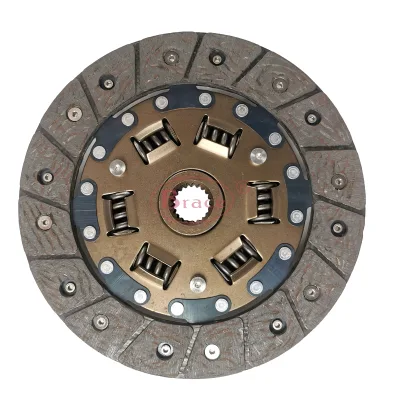


Lietuvo Hot Sale Clutch Pressure Plate for Engine Auto Clutch Plate Parts
$64.44 - $70.30
MOQ: 1 Pieces


Geely Auto Parts Clutch Pressure Plate 1086001145 for Geely Mk Clutch Kit
$3.60 - $8.90
MOQ: 10 Pieces


Factory Auto Parts Transmission System Clutch Pressure Plate for Toyota
$15.00 - $20.00
MOQ: 50 Pieces


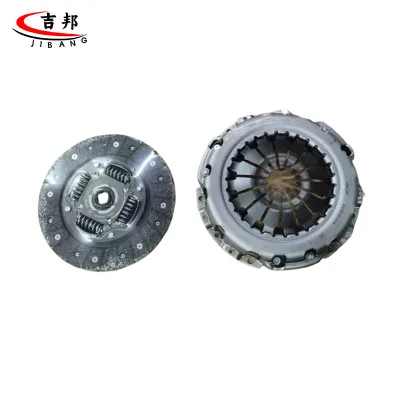
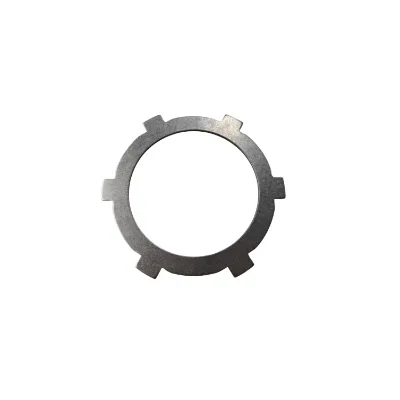


Comprehensive Sourcing Guide
Strategic Sourcing Guide for Geely Panda Clutch Pressure Plates
Understanding Technical Specifications and Compatibility
When sourcing a clutch pressure plate specifically for the Geely Panda 1.0, the primary objective is to ensure precise mechanical compatibility. The market data indicates that the core product type is classified as an "Auto Parts Clutch Plate Clutch Disc" or specifically a "Clutch Pressure Plate." Buyers must recognize that while the vehicle model is the Geely Panda 1.0, the specific part number is critical for successful integration. The observed product models in the supply chain include identifiers such as 1016002809, 1106018067, 1086001146, 1136000160/1136000161, JC430A246, and WG9925160621. These alphanumeric codes serve as the definitive link between the aftermarket component and the original equipment manufacturer (OEM) requirements.
The physical dimensions of the pressure plate are a non-negotiable factor in this sourcing process. Specifications list the "Outer Diameter" as 190mm, which is a standard measurement for this class of automotive component. Additionally, the "Diameter" is noted as "STD" (Standard), and the "Size" is described as "Standard." These attributes suggest that the component is designed to fit within the standard housing dimensions of the Geely Panda transmission system. However, buyers should verify that the "Deck" configuration is "Single," as multi-plate configurations would be incompatible with standard passenger car transmissions. The material composition is consistently identified as "Steel," which provides the necessary structural integrity for the pressure mechanism. The weight of the component varies across listings, with observed values of 2.8 Kg, 0.94 Kg, and 0.78 Kg. This variance in weight suggests that different listings may represent different sub-assemblies or that the weight includes varying packaging standards. Procurement teams must confirm the exact net weight of the unit to ensure accurate shipping cost calculations and to verify that the component matches the OEM mass specifications.
Compliance, Certification, and Quality Grading
In the automotive aftermarket sector, compliance and certification are the primary indicators of reliability. The supplied data highlights "ISO/TS16949" as a key certification associated with these products. This standard is critical for automotive suppliers, as it represents a quality management system specifically designed for the automotive industry. The presence of this certification, often noted in conjunction with material grades, implies that the manufacturing process adheres to rigorous control protocols. However, buyers must treat this as an observation of the supplier's capability rather than a universal guarantee for every single unit listed.
The quality grading of the parts is another vital consideration. The market data distinguishes between "Aftermarket" and "Original" grades. An "Original" grade implies the part meets the exact specifications of the manufacturer, whereas an "Aftermarket" grade suggests it is a replacement part designed to meet or exceed OEM standards. Both categories are listed as "High-Quality" and "100% Tested," indicating a baseline expectation of performance. The "Condition" is universally listed as "New," ensuring that buyers are not purchasing refurbished or used components. The "Purpose" is explicitly stated as "for replace/repair" or "for Repair/Replace," confirming the component's intended function in restoring vehicle functionality.
Buyers should verify that the "Grade" aligns with their specific operational needs. For fleet vehicles requiring maximum longevity, an "Original" grade might be preferred, while for cost-sensitive repairs, a high-grade "Aftermarket" part certified under ISO/TS16949 may offer the best value. The "Quality" attribute is further reinforced by the "100% Tested" claim, suggesting that every unit undergoes a functional check before dispatch. This testing is essential for clutch systems, where failure can lead to significant vehicle downtime or safety hazards.
Cost Drivers and Pricing Dynamics
The pricing landscape for Geely Panda clutch pressure plates exhibits a wide range, with observed listed prices in USD spanning from 1 to 70.3. This significant variance is driven by several factors, including the specific product model, the grade of the component (Original vs. Aftermarket), and the included packaging or logistics services. A price at the lower end of the spectrum may reflect a basic aftermarket unit with minimal packaging, while the higher end likely corresponds to premium Original grade parts or bundles that include specialized shipping arrangements.
The "Selling Units" are defined as "Single item," which allows for flexible purchasing without the need to buy in bulk for initial testing or small-scale repairs. However, the "MOQ" (Minimum Order Quantity) ranges from 1 PC to 100. This flexibility is beneficial for small repair shops that may only need a single unit, while larger distributors can leverage the higher MOQ tiers to negotiate better unit economics. The "Payment Terms" are diverse, offering "TT" (Telegraphic Transfer), "Western Union," "PayPal," and "Trade Assurance." The availability of "Trade Assurance" is particularly important for international buyers, as it provides a layer of financial protection and dispute resolution.
Buyers should analyze the cost drivers beyond the base unit price. The "prod_packing" is listed as "Carton" for some items, while others mention "Ocean Freight" as a packing or shipping method. These logistical details can significantly impact the final landed cost. Furthermore, the "Standard" of the product is sometimes listed as "30kg," which may refer to a packaging weight limit or a specific load standard, requiring clarification to avoid confusion in shipping calculations. Understanding these variables is essential for accurate budgeting and total cost of ownership analysis.
Typical Applications and Usage Scenarios
The Geely Panda Clutch Pressure Plate is designed for a specific set of applications, primarily centered around the "Cheely Mk" (likely a reference to the Geely Panda Mk) and the "Geely Panda 1.0" model. The "Usage" is explicitly defined as "Car," but the data also expands this to include "Heavy Duty Trucks" and "Racing Cars" in certain contexts. This suggests that while the primary design is for passenger vehicles, the robustness of the steel construction and the "High-Quality" rating may make these components suitable for more demanding environments, provided the fitment is verified.
The "Type" of the component is identified as "Clutch Plates," and the "Part" is specifically "Clutch Plates." The "Key Words" associated with the product reinforce its identity as a "Clutch Plate." The "Voltage" is listed as "12V," which is standard for automotive electrical systems, though this attribute is more relevant to the vehicle's overall electrical system than the mechanical clutch itself. It is crucial for buyers to confirm that the "Application" matches their specific vehicle fleet. While the product is marketed for the Geely Panda, the inclusion of "Heavy Duty Trucks" and "Racing Cars" in the usage list indicates a versatile design that may be adapted for various performance levels.
Buyers should note that the "Purpose" is strictly for "replace/repair." This means the component is not intended for new vehicle assembly but rather for the maintenance and restoration of existing vehicles. The "Customization" is listed as "Available," which offers an opportunity for buyers to request specific modifications or branding, though this may impact lead times and costs. The "Color" of the product is typically "Grey," a standard finish for automotive steel components, which may also serve as a visual indicator of the material quality.
Supplier Evaluation and Lead Time Management
Selecting the right supplier requires a thorough evaluation of their operational capabilities. The "Place of Origin" is consistently listed as "Guangdong China" or simply "China," indicating a concentrated manufacturing hub known for automotive parts production. The "Production Time" is noted as "1-3 Days," which is a strong indicator of a responsive supply chain capable of rapid turnaround for standard orders. However, the "Delivery Time" varies significantly, with ranges of "2-7 Days" and "7-35 Days" observed. This discrepancy likely reflects the difference between domestic shipping within China and international logistics, or variations in stock availability.
Suppliers should be evaluated based on their ability to meet the "Delivery Time" requirements of the buyer. For urgent repairs, a supplier with a "2-7 Days" delivery window is preferable, while for planned inventory replenishment, a "7-35 Days" window may be acceptable. The "Warranty" is a critical factor in supplier selection, with a standard offering of "12 months." This warranty period provides a safety net for buyers, ensuring that any premature failures are addressed by the supplier.
The "Standard" of the product is sometimes listed as "By The Customer Needs," which suggests a high degree of flexibility in the manufacturing process. Buyers should leverage this flexibility to ensure that the product meets their specific quality and performance expectations. The "prod_standard" is also listed as "Standard," reinforcing the idea that the parts adhere to general industry norms. When evaluating suppliers, buyers should request proof of the "ISO/TS16949" certification and verify the "100% Tested" claims through third-party audits or sample testing.
Quality Control and Long-Term Procurement Strategies
Maintaining high quality in the supply chain is essential for the long-term success of automotive repair operations. The "Quality" attribute is consistently highlighted as "High-Quality" and "100% Tested," but buyers must implement their own quality control measures to verify these claims. The "Material" is specified as "Steel," and the "Grade" is either "Original" or "Aftermarket." Buyers should request material test reports to confirm the steel composition and ensure it meets the necessary tensile strength and durability requirements for clutch applications.
The "prod_packing" is listed as "Carton," which is standard for protecting components during transit. However, the mention of "Ocean Freight" as a packing method suggests that some suppliers may use specialized packaging for international shipments. Buyers should ensure that the packaging is robust enough to prevent damage during long-haul transport, especially given the weight variations observed (0.78 Kg to 2.8 Kg).
For long-term procurement, buyers should establish a relationship with suppliers who offer "Customization" and have a proven track record of meeting "Delivery Time" commitments. The "Payment Terms" should be negotiated to include "Trade Assurance" for added security. Regular audits of the supplier's production facilities and quality control processes are recommended to ensure consistency. The "Warranty" of "12 months" should be clearly defined in the contract, outlining the process for claims and replacements.
By focusing on these key areas—technical specifications, compliance, cost drivers, applications, supplier evaluation, and quality control—buyers can make informed decisions when sourcing clutch pressure plates for the Geely Panda 1.0. The data provided offers a solid foundation for building a reliable supply chain, but continuous verification and due diligence remain essential to mitigate risks and ensure optimal performance.
FAQs
What is the warranty period for these clutch plates?
The standard warranty period for these clutch plates is 12 months. This coverage applies to new units sourced from suppliers in Guangdong China, ensuring protection against premature failure for replacement or repair purposes.
Which certification confirms the quality of the steel material?
ISO/TS16949 certification confirms the quality management system for the steel material used in these parts. This standard is critical for automotive suppliers and indicates that the manufacturing process adheres to rigorous industry control protocols.
How long does production take for a single item order?
Production time for a single item order typically ranges from 1 to 3 days. This rapid turnaround allows for quick fulfillment, though total delivery time may vary between 2 to 35 days depending on shipping logistics.
Can I find suppliers with a minimum order quantity of one?
Yes, you can find suppliers offering a minimum order quantity of 1 PC for this product. This flexibility supports small repair shops or individual buyers who need a single clutch pressure plate without committing to bulk purchases.
What is the standard outer diameter for this clutch component?
The standard outer diameter for this clutch component is 190mm. This measurement ensures compatibility with the Geely Panda 1.0 transmission system, matching the standard size and deck configuration required for proper installation.
Which payment methods are accepted for international transactions?
Accepted payment methods include TT, Western Union, PayPal, and Trade Assurance. Trade Assurance is particularly recommended for international buyers as it provides financial protection and dispute resolution capabilities during the sourcing process.
What is the condition and grade of the available parts?
The available parts are in new condition and come in either Original or Aftermarket grades. Both categories are described as high-quality and 100% tested, ensuring they meet the necessary standards for replacing or repairing vehicle clutch systems.