Source Euro 6 Water Tank Truck for Municipal, Fire, and Construction
Compare 30 Euro 6 Water Tank Truck listings from verified suppliers. Evaluate specifications like tank volume, chassis models, and emission standards to find the right vehicle for municipal, fire, or construction applications.
Key considerations
Products List


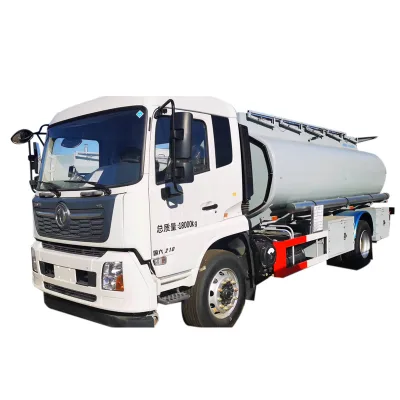


Factory Direct Water Tank Truck for Customized Water Tank Transport Solutions
$14500.00 - $15500.00
MOQ: 1 Pieces

Advanced Water Tank Truck for Reliable Bulk Water Transport Solutions
$14500.00 - $15500.00
MOQ: 1 Pieces


Durable Water Tank Truck for Long Distance Water Transport Construction Work
$14500.00 - $15500.00
MOQ: 1 Pieces


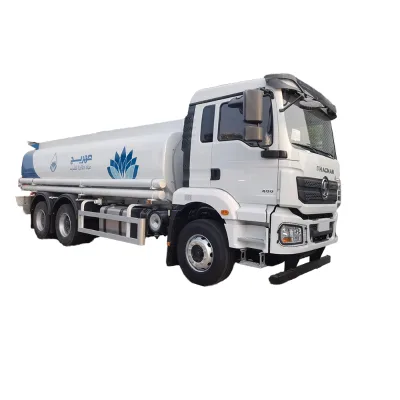


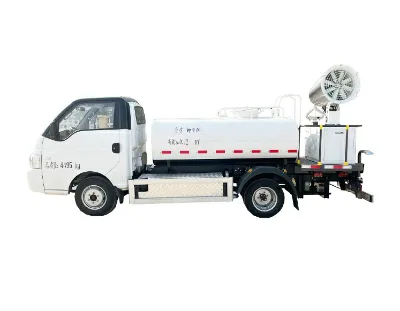
Brand New Mobile 2 Ton Water tank Truck Cheap Small Water tank Truck for Sale in Ethiopia
$4367.47 - $7008.27
MOQ: 1 sets


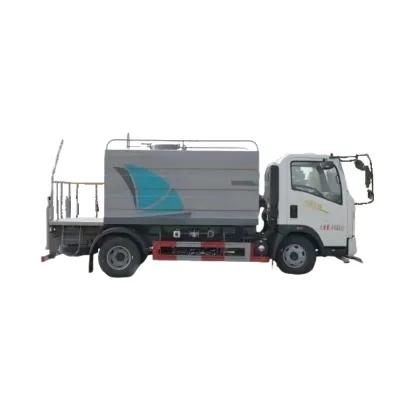


5000 Liters Water Truck 10000liter 20000liter Water Tank Truck Price
$15000.00 - $25000.00
MOQ: 1 Pieces


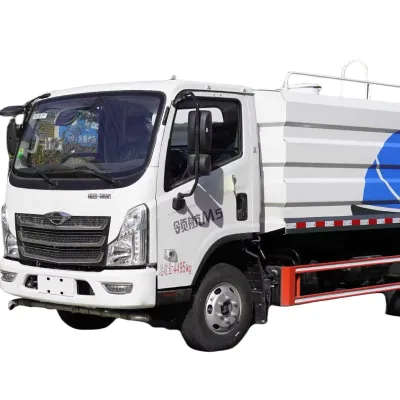

5000 Liters Water Tanker Truck 5ton Sprinkler Water Transport Tank Truck
$9500.00 - $14500.00
MOQ: 1 Pieces
Comprehensive Sourcing Guide
Strategic Sourcing Guide for Euro 6 Water Tank Trucks
Understanding the Technical Landscape of Modern Water Tank Trucks
The procurement of a Euro 6 Water Tank Truck requires a precise understanding of the vehicle's technical architecture, which differs significantly from older diesel models. The core keyword "Euro 6" indicates a strict adherence to emission standards that limit nitrogen oxides and particulate matter, necessitating advanced engine management systems and exhaust after-treatment technologies. In the current market, buyers encounter a mix of configurations, including manual and automatic transmission types, with engine capacities ranging from 4 to 6 liters up to over 8 liters depending on the payload requirements.
A critical observation in the current supply landscape is the variation in drive wheel configurations. While some units are specified as 6×4 drive systems, others appear with 4×2 configurations, directly influencing traction and stability on varied terrains. The chassis models available often include specific identifiers such as EQ1120gsz6DJ2, which serves as a baseline for compatibility with various tank bodies. The tank volume itself is a primary differentiator, with observed ranges spanning from 15,001 to 30,000 liters. This capacity directly correlates with the operational scope, where larger volumes are essential for municipal water distribution, while smaller units may serve industrial or localized fire-fighting support.
The physical dimensions of these trucks are highly customizable, with standard lengths often hovering around 8.95 meters, widths near 2.55 meters, and heights up to 3.45 meters. However, specific listings indicate a wide array of dimension sets, including lengths of 8100, 7840, 8040, and 7780 millimeters, suggesting that buyers must verify the exact footprint required for their local infrastructure and parking constraints. The wheelbase also varies, with common options including 3800, 4200, 4500, and 4700 millimeters, which affects the turning radius and maneuverability in urban environments.
Compliance Verification and Certification Standards
Navigating the regulatory landscape is perhaps the most critical phase of sourcing a Euro 6 vehicle. The Euro 6 emission standard is not merely a marketing term but a rigorous regulatory requirement that dictates the engine's internal combustion efficiency and exhaust treatment capabilities. Buyers must verify that the vehicle's emission standard is explicitly certified as EURO 6, as some listings may reference older standards like EURO 5 or lack specific emission data entirely. The presence of a "Euro Engine" designation in product attributes often signals compliance, but explicit documentation is required to ensure legal operation in regions with strict environmental laws.
Certification plays a dual role in this process, serving both as a quality assurance marker and a legal prerequisite for importation. The supply chain for these trucks frequently lists multiple certification types, including ISOCE, CE, and CCC (China Compulsory Certification). The CE mark indicates conformity with health, safety, and environmental protection standards for products sold within the European Economic Area, while CCC is mandatory for vehicles sold within China. It is vital for international buyers to understand that a vehicle bearing CCC certification may require additional homologation to be legally registered in other jurisdictions.
Furthermore, the product standards listed often include complex numerical codes such as 7050, 7600x2500, 2350, and 2300x2850. These figures likely represent specific industry standards for tank dimensions, structural integrity, or safety testing protocols. Buyers should not assume that a vehicle meeting one standard automatically satisfies the requirements of another. The verification process must involve cross-referencing the specific certification documents provided by the supplier against the regulatory bodies of the destination country. Failure to do so can result in the vehicle being deemed non-compliant, leading to seizure or the inability to obtain road registration.
Cost Drivers and Financial Considerations in Procurement
The financial landscape for sourcing Euro 6 water tank trucks is influenced by a complex array of factors, with the observed price range in the market spanning from approximately $4,367 to over $158,000. This vast disparity highlights the importance of defining the exact specifications before engaging in price negotiations. The lower end of the price spectrum may correspond to used units or models with smaller tank capacities and older chassis configurations, while the higher end likely reflects new vehicles with advanced Euro 6 engines, larger volumes, and comprehensive after-sales support packages.
The condition of the vehicle is a primary cost driver. Listings explicitly distinguish between "New" and "Used" units. A new vehicle typically commands a premium due to the inclusion of the latest emission control technologies, warranty coverage, and the absence of wear and tear. Conversely, used units, while more affordable, may require immediate investment in maintenance or part replacements, particularly for the complex emission systems required by Euro 6 standards. Buyers must calculate the total cost of ownership, including potential retrofitting costs for older models to meet current emission standards, rather than focusing solely on the initial purchase price.
Additional cost factors include the payload capacity and the specific engine brand. Units with a payload of 20 tons or a gross vehicle weight of 25 tons will generally be more expensive than those with a loading capacity of 5 to 10 tons. The choice of engine manufacturer, such as Cummins, also impacts the price, as these brands are often associated with higher reliability and performance but come with a higher upfront cost. Furthermore, the inclusion of customization options, which are frequently available, adds to the final price. Buyers should budget for these variables to avoid unexpected financial overruns during the procurement process.
Operational Applications and Performance Expectations
Water tank trucks serve a diverse range of applications, from municipal street cleaning and landscaping to industrial fire suppression and emergency water supply. The specific application dictates the required technical specifications. For instance, trucks with a sprinkling area of greater than 16 meters are ideal for wide-area road cleaning, while those with an 8 to 12-meter range may be better suited for narrower urban streets or industrial compounds. The tank volume is equally critical; a capacity of 15,001 to 30,000 liters is suitable for large-scale municipal operations, whereas smaller volumes might be reserved for specific industrial tasks.
The performance of the vehicle is heavily influenced by its transmission type and drive configuration. Manual transmission units offer a traditional driving experience and may be preferred in regions where driver familiarity with manual gearboxes is high, while automatic transmission units provide ease of use and reduced driver fatigue, particularly in stop-and-go traffic. The drive wheel configuration, whether 4×2 or 6×4, determines the vehicle's traction capabilities. A 6×4 configuration is generally preferred for heavy payloads and off-road conditions, providing better stability and power distribution, whereas a 4×2 setup is sufficient for standard road operations with moderate loads.
The tire specifications, such as the 12r22.0 size, are designed to support the vehicle's gross weight and ensure longevity under various load conditions. The approach and departure angles, often listed as 18/10 or 18/11 degrees, are crucial for navigating uneven terrain without damaging the undercarriage. Buyers must align these performance metrics with their operational environment. For example, a truck intended for mountainous regions requires a robust axle load capacity, such as the 4285/7710 kg split, and a wheelbase that ensures stability on inclines.
Supplier Evaluation and After-Sales Support
Selecting a reliable supplier is paramount when dealing with complex machinery like Euro 6 water tank trucks. The supply chain for these vehicles is predominantly centered in China, with specific origins noted in regions like Jilin. While the location provides insight into the manufacturing hub, it does not guarantee the quality of the final product. Buyers must evaluate suppliers based on their ability to provide comprehensive after-sales services. Common support mechanisms observed in the market include video technical support, overseas call centers, and online support channels. These services are essential for troubleshooting technical issues, especially regarding the complex emission control systems of Euro 6 engines.
The availability of customization is another key indicator of a supplier's flexibility and capability. Suppliers that offer customization allow buyers to tailor the vehicle to specific operational needs, such as adjusting the tank dimensions or modifying the sprinkling system. However, this flexibility must be balanced with the supplier's ability to maintain quality control during the customization process. Buyers should request detailed documentation on the customization workflow to ensure that the modifications do not compromise the vehicle's structural integrity or emission compliance.
Furthermore, the minimum order quantity (MOQ) is a significant factor in supplier evaluation. The market data indicates an MOQ of 1, which allows for single-unit purchases. This is advantageous for buyers who do not require large fleets immediately but need to test the vehicle's performance in their specific operational context. However, buyers should be aware that single-unit orders may come with different pricing structures or lead times compared to bulk orders. It is crucial to clarify these terms before finalizing the procurement agreement to avoid delays in delivery.
Quality Control and Long-Term Procurement Strategy
Implementing a robust quality control (QC) strategy is essential to ensure that the procured Euro 6 Water Tank Truck meets all specified requirements. The QC process should begin with a thorough review of the product specifications, including the chassis model number, engine capacity, and emission standards. Buyers should verify that the vehicle's dimensions, such as the length, width, and height, match the requested specifications, as these can vary significantly even within the same model line. The tank volume and gross vehicle weight must also be confirmed to ensure they align with the intended payload and operational capacity.
Long-term procurement considerations extend beyond the initial purchase to include maintenance, spare parts availability, and the lifecycle of the vehicle. The use of specific components, such as the Fast gearbox or Cummins engine, suggests a reliance on established supply chains for parts. Buyers should assess the supplier's ability to provide these parts over the vehicle's lifespan to minimize downtime. Additionally, the condition of the vehicle, whether new or used, impacts the long-term maintenance strategy. New vehicles typically come with a warranty that covers major components, while used vehicles may require a more proactive maintenance schedule.
Finally, buyers should consider the environmental impact and regulatory future of their fleet. As emission standards continue to evolve, investing in Euro 6 vehicles positions the buyer to meet current regulations while potentially extending the operational life of the vehicle in markets with strict environmental laws. However, buyers must remain vigilant about potential regulatory changes that could affect the vehicle's compliance status. By integrating these quality control measures and long-term strategies into the procurement process, buyers can ensure a successful acquisition of Euro 6 water tank trucks that deliver value and reliability over the long term.
FAQs
What certifications are available for euro 6 water tank trucks?
Available certifications include ISOCE, CE, and CCC. These marks indicate compliance with specific safety and environmental standards, though CCC is mandatory for domestic sales in China and may require additional homologation for international use.
Which drive wheel configurations are offered for these trucks?
Both 6×4 and 4×2 drive wheel configurations are observed in the market. The 6×4 setup provides better traction for heavy payloads, while the 4×2 configuration is suitable for standard road operations with moderate loads.
Can I find new and used euro 6 water tank trucks?
Yes, listings explicitly distinguish between new and used units. New vehicles command higher prices due to warranty and latest emission tech, while used units are more affordable but may require immediate maintenance investment.
What is the minimum order quantity for sourcing these trucks?
The minimum order quantity is 1 unit, allowing for single-item purchases. This flexibility benefits buyers who need to test performance before committing to a larger fleet acquisition.
How does tank volume vary across different models?
Tank volumes range from 15,001 to 30,000 liters depending on the specific model. Larger capacities are ideal for municipal distribution, while smaller volumes may serve industrial or localized fire-fighting support tasks.
Which engine brands are commonly used in these trucks?
Cummins is a commonly observed engine brand in these listings. These engines are associated with higher reliability and performance, though they often come with a higher upfront cost compared to other manufacturers.