Source Euro IV NOx Sensor for Iveco, Isuzu, and Deutz Engines
Compare 30 verified listings for the Euro IV NOx Sensor from suppliers in China and Japan. Buyers can evaluate specifications like OE numbers, certifications, and customization options for Iveco, Isuzu, and Deutz applications.
Key considerations
Products List


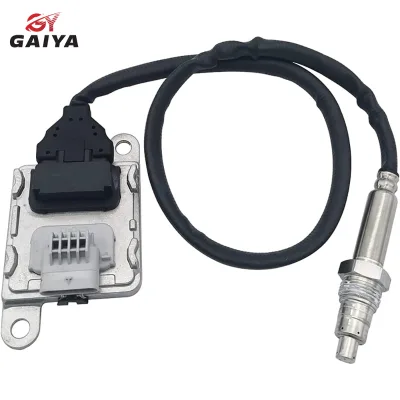
Heavy-Duty Truck China VI/Euro 6 Nox Sensor for Accurate Emission Regulations
$100.00 - $200.00
MOQ: 20 Pieces

China VI/Euro 6 Diesel Nox Sensor for Accurate Emission Regulations for Truck
$100.00 - $200.00
MOQ: 20 Pieces

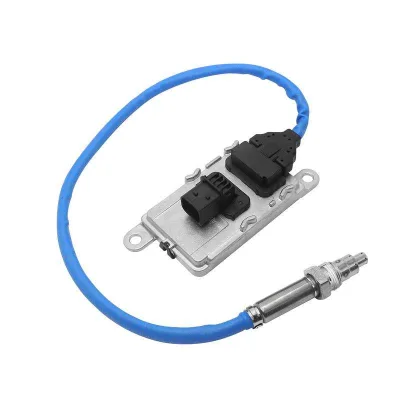
Customized China VI/Euro 6 Diesel Nox Sensor for Accurate Emission Regulations
$100.00 - $200.00
MOQ: 20 Pieces

Precision China VI/Euro 6 Diesel Nox Sensor for Accurate Emission Regulations
$100.00 - $200.00
MOQ: 20 Pieces

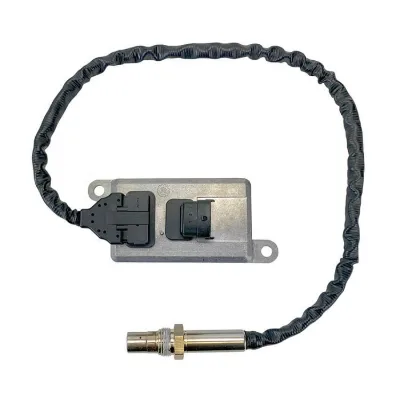
China VI/Euro 6 Nox Sensor for Accurate Emission Regulations - Improves Fuel Efficiency
$100.00 - $200.00
MOQ: 20 Pieces
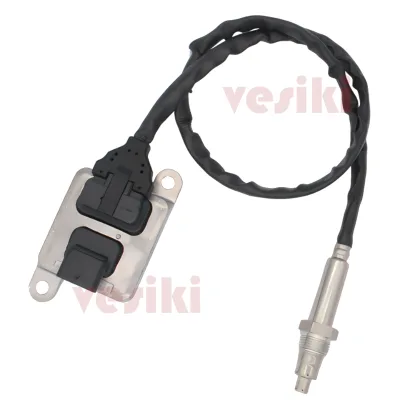
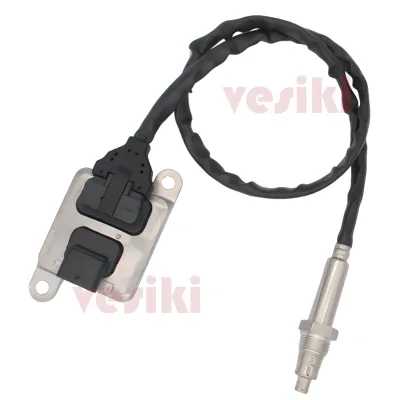
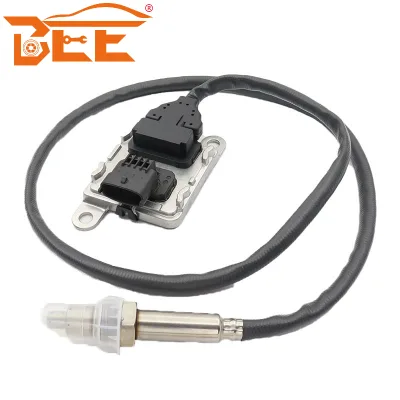


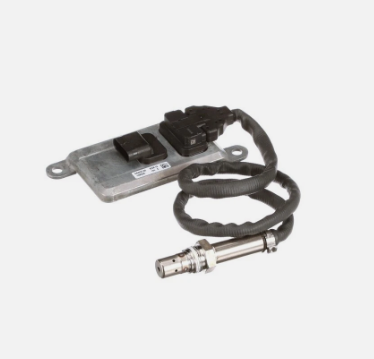
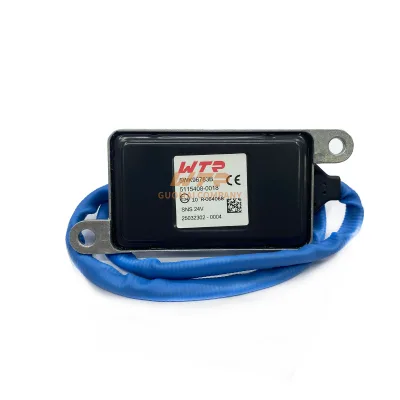


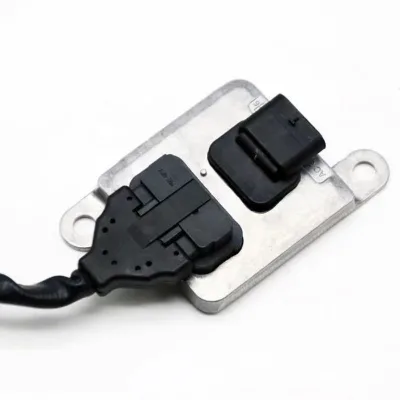


Sensor, Nitrogen Oxide Nox Sensor OEM No: A0091533628 0091533628 for Ercedes Euro5
$150.00 - $155.00
MOQ: 20 Pieces



Comprehensive Sourcing Guide
Strategic Sourcing Guide for Euro IV NOx Sensor Procurement
Sourcing components for heavy-duty diesel engines requires a rigorous approach, particularly when targeting emissions control systems like NOx sensors. The market for Euro IV compliant parts is complex, involving a mix of original equipment manufacturer (OEM) specifications and aftermarket alternatives. Buyers must navigate a landscape where technical compatibility, regulatory adherence, and supply chain reliability are paramount. This guide provides a structured framework for evaluating NOx sensors, focusing on the specific constraints and opportunities observed in current B2B listings, while adhering to strict evidence-based procurement principles.
Technical Specifications and Sensor Architecture
The core of any NOx sensor procurement begins with a precise understanding of the technical architecture. In the current market, NOx sensors are often integrated with oxygen sensing capabilities to provide comprehensive exhaust gas analysis. Buyers should verify the specific sensor type, as listings frequently distinguish between standalone NOx sensors and combined units. For instance, observed product data indicates the existence of "Nitrogen Oxygen Sensor" configurations, which suggests a dual-functionality design capable of monitoring both nitrogen oxides and oxygen levels simultaneously.
Critical physical and electrical specifications must be matched against the vehicle's engine control unit (ECU). The "Type" attribute in supplier catalogs often varies, ranging from "PRESSURE SENSOR" to "Oxygen Sensor" and "Catalytic Converter" related components. While a pressure sensor is distinct from a NOx sensor, some integrated systems may utilize pressure data for calibration. Buyers must ensure the model number aligns exactly with the engine requirements. Specific model numbers observed in the market include 5WK96791A, 5WK96731, and 04214582. These identifiers are not merely labels; they represent specific calibration curves and heating element requirements.
Furthermore, the physical dimensions and packaging are vital for logistics and installation. Standard sizes are common, with single package dimensions often listed as 15x15x10 cm or 20x20x20 cm depending on the specific model. The gross weight of individual units typically ranges from 0.500 kg to 1.000 kg. These metrics influence shipping costs and handling procedures. Buyers should also note the "Body Material," which is frequently listed as Steel, indicating durability against high-temperature exhaust environments. The "Color" is often described as Metallic, a standard finish for heat-resistant automotive components.
Regulatory Compliance and Certification Verification
Compliance with emission standards is the most critical filter in NOx sensor sourcing. The core keyword "Euro IV" implies a specific regulatory baseline, yet the market data reveals a mix of compliance levels. Some products explicitly state compliance with "China VI / Euro 6" standards, while others reference "Euro V" discharge standards. This discrepancy highlights a potential risk: a sensor certified for Euro 6 may be over-engineered for a Euro IV application, or conversely, a Euro V part may lack the necessary sensitivity for stricter Euro IV enforcement in certain jurisdictions.
Buyers must verify the "Certification" status of the supplier. Observed data includes "CE" certification, which is a mandatory requirement for products entering the European market. Additionally, quality management systems are crucial. Listings mention adherence to "IATF16949," the international standard for automotive quality management, and "ISOCE" or "TS" certifications. These are not optional; they indicate that the manufacturing process has been audited for consistency and safety.
The "Discharge Standard" is another key attribute. While the target is Euro IV, suppliers may list "Euro V" or "Euro 6" compliance. Buyers should understand that a sensor meeting a higher standard (e.g., Euro 6) might function correctly in a Euro IV engine, provided the communication protocol and signal output match. However, relying on a sensor with a lower standard (e.g., Euro III) for a Euro IV application is a compliance violation. The "Reference NO." lists, which include codes like 0824010321 and 0258006754, serve as cross-reference points to ensure the part meets the specific regulatory requirements of the vehicle's original design.
Cost Drivers and Pricing Dynamics
Understanding the cost structure of NOx sensors is essential for budgeting and negotiation. The observed price range in the market spans from $15.8 to $800 USD. This wide variance is driven by several factors, including the complexity of the sensor technology, the brand reputation, and the level of integration. A basic oxygen sensor may fall at the lower end of this spectrum, while a high-precision NOx sensor with integrated heating elements and advanced communication protocols will command a premium price.
The "MOQ" (Minimum Order Quantity) is another significant cost driver. Listings show an MOQ range of 1 to 20 units. For small fleet operators or repair shops, an MOQ of 1 allows for immediate procurement without tying up capital in inventory. However, for large-scale fleet renewals, negotiating an MOQ closer to 20 or higher could unlock volume discounts, though the base unit price remains the primary cost determinant.
Additional cost factors include the "Warranty" period, which is observed as 12 months in many listings. A longer warranty period often correlates with higher initial costs but reduces the total cost of ownership by mitigating the risk of premature failure. The "Packing" method, such as "Carton" or "Standard Package," also impacts logistics costs. Bulky packaging, such as 20x20x20 cm boxes, increases shipping volume and weight, directly affecting the landed cost. Buyers should calculate the total cost of ownership, including shipping, duties, and potential inventory holding costs, rather than focusing solely on the unit price.
Typical Applications and Vehicle Compatibility
NOx sensors are not universal; they are highly specific to engine manufacturers and chassis configurations. The market data indicates compatibility with a diverse range of commercial vehicles. Specific "Car Make" attributes include "IVECO," "ISUZU," and "DEUTZ." These are major players in the heavy-duty truck and industrial engine sectors. A sensor designed for an IVECO truck will likely have a different connector, thread size, and signal output than one for an ISUZU or Deutz engine.
The "OE NO." (Original Equipment Number) is the definitive identifier for compatibility. Lists include codes such as 5WK96791A, 5WK96731, and 04214582. Buyers must cross-reference these numbers with their vehicle's service manual. The presence of multiple OE numbers in a single listing, such as 5WK96791A, SNS3072, and 5801881001, suggests that the part is a multi-application component. However, buyers must verify that the specific application matches their vehicle's engine code and production year.
The "Purpose" of the sensor is generally "for replace/repair," indicating its role in maintenance rather than initial assembly. This distinction is important for warranty claims and insurance purposes. Additionally, the "Condition" is almost universally listed as "New," which is the expected standard for replacement parts. Buyers should be wary of any listings that do not explicitly state the condition, as refurbished or used parts may not meet the stringent performance requirements of Euro IV emission systems.
Supplier Evaluation and Quality Assurance
Evaluating suppliers requires a deep dive into their quality control processes and production capabilities. The "Quality" attribute in listings often includes terms like "High Level" or "100% Tested and High Performance." While these are positive indicators, buyers should demand evidence of the testing protocols. The "Certificate" section mentioning "Strictly according to IATF16949" is a strong signal of a robust quality management system, but it should be verified through third-party audits or supplier documentation.
The "Place of Origin" is a critical factor in supplier evaluation. Data shows origins in "China" (specifically Zhejiang) and "Japan." Japanese-origin components often carry a reputation for precision and reliability, which may justify a higher price point. Chinese-origin parts, particularly those from Zhejiang, are known for competitive pricing and high customization capabilities. The "Customization" attribute being "Available" suggests that suppliers can tailor products to specific needs, which is valuable for niche applications.
Buyers should also assess the "Brand Name" associated with the product. Brands like "Vesiki" and "BEE" are observed in the market. While brand recognition can be a proxy for quality, it should not be the sole criterion. The "Single gross weight" and "Single package size" provide insights into the supplier's packaging efficiency and logistics capabilities. A supplier that consistently provides accurate weight and dimension data demonstrates attention to detail, which often translates to better product consistency.
Long-Term Procurement and Maintenance Strategy
Procuring NOx sensors is not a one-time transaction but part of a long-term maintenance strategy. The "Warranty" period of 12 months is a standard benchmark, but buyers should consider the "Lead Time" and "Supply Chain Resilience." Although specific lead times are not provided in the data, the "Customization" availability suggests that production cycles may vary. Buyers should establish relationships with suppliers who can guarantee consistent supply to avoid downtime in fleet operations.
The "Type" of sensor, whether it is a "PRESSURE SENSOR" or "Oxygen Sensor," dictates the maintenance schedule. NOx sensors are sensitive to contamination and thermal stress, requiring regular checks. The "Noise Source" and "Automobile Chassis Noise" attributes, while seemingly unrelated to the sensor itself, highlight the broader context of engine health. A failing NOx sensor can lead to increased engine noise and combustion issues, making early detection crucial.
Buyers should also consider the "Reference NO." lists as a tool for future-proofing. As emission standards evolve, having a supplier who can provide cross-references for older and newer standards ensures that the fleet can adapt to regulatory changes. The "Product Description" mentioning "Nox Sensor" and "Catalytic Converter" compatibility suggests that these components are part of a larger emissions control system. Buyers should evaluate the entire system's health, not just the sensor in isolation, to ensure optimal performance and compliance.
Conclusion
Sourcing Euro IV NOx sensors requires a meticulous approach that balances technical specifications, regulatory compliance, and supplier reliability. By focusing on verified attributes such as model numbers, OE codes, and certification standards, buyers can mitigate the risks associated with counterfeit or incompatible parts. The wide price range and diverse origins in the market offer flexibility, but they also demand careful due diligence. Ultimately, a successful procurement strategy relies on a deep understanding of the specific vehicle requirements and a commitment to partnering with suppliers who demonstrate a proven track record of quality and compliance.
FAQs
What certifications do euro iv nox sensors typically have?
These sensors often carry CE certification and comply with China VI or Euro 6 standards. Some manufacturers also adhere to IATF16949 quality management systems. Buyers should verify specific certificates like ISOCE or TS to ensure regulatory compliance for their target market.
Which car makes are compatible with these sensors?
The sensors are designed for specific brands including Iveco, Isuzu, and Deutz. Compatibility is determined by matching OE numbers like 5WK96791A or 04214582 to the vehicle's engine requirements. Always cross-reference the model number before purchasing to ensure proper fitment.
How long is the warranty period for these parts?
The standard warranty period for these sensors is typically 12 months. This coverage applies to new condition units that meet high-level quality standards. Buyers should confirm the specific warranty terms with the supplier to understand the scope of protection against defects.
Can I find customized packaging for bulk orders?
Customization is available for these sensors, including specific packaging requirements. Standard options include cartons with dimensions like 15x15x10 cm or 20x20x20 cm. Suppliers can often adjust single package sizes and gross weights to meet specific logistics needs for different order volumes.
What is the minimum order quantity for purchasing?
The minimum order quantity ranges from 1 to 20 units depending on the supplier. Small fleet operators can often start with a single item, while larger orders may require higher quantities. This flexibility allows buyers to manage inventory costs while ensuring they have necessary replacement parts.
Where are these sensors manufactured and shipped from?
Products originate from locations in China, specifically Zhejiang, and Japan. The place of origin affects shipping logistics and potential lead times. Buyers should verify the specific origin listed for each model to plan delivery schedules and calculate accurate landed costs for their operations.
How do I verify the sensor specifications match my engine?
Verify specifications by checking the model number and OE numbers against your vehicle manual. Common models include 5WK96791A and 04214582 with standard sizes. Ensure the body material is steel and the color is metallic to confirm durability and compatibility with your exhaust system.