Source Euro II Agricultural Dump Truck for mining, farming, and construction
Find 30 listings for the Euro II Agricultural Dump Truck with varying capacities and specifications. Buyers can compare features like horsepower, transmission types, and cargo tank lengths to select the right vehicle for heavy-duty tasks.
Key considerations
Products List

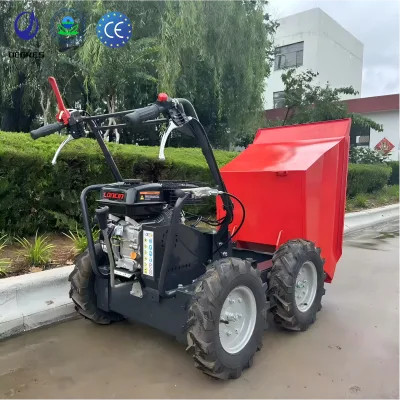
Affordable Euro 2 Compliant Agricultural Dump Truck for Sale
$5000.00 - $10000.00
MOQ: 1 unit
Changsha Tianwei Engineering Machinery Manufacturing Co., Ltd.




Heavy Duty Hydraulic Dump Trailer Tipper for Agricultural Transport
$7000.00 - $10000.00
MOQ: 1 Pieces


$20999.00 - $68000.00
MOQ: 1 Pieces


Comprehensive Sourcing Guide
Sourcing Guide for Euro II Agricultural Dump Trucks
Understanding the Technical Profile of Euro II Agricultural Dump Trucks
When sourcing a Euro II Agricultural Dump Truck, buyers must first establish a clear understanding of the technical specifications that define this class of heavy-duty vehicle. The core keyword implies a specific regulatory era for emissions, which directly influences engine design and fuel efficiency. Based on available market data, these vehicles often feature diesel powertrains with engine capacities exceeding 8 liters, a common configuration for heavy hauling in agricultural settings. The horsepower ratings observed in this segment vary significantly, ranging from compact units around 106 HP to heavy-duty models boasting between 351 and 450 HP. This variance suggests that the term "Euro II Agricultural Dump Truck" covers a broad spectrum of applications, from smaller farm transport to large-scale earthmoving operations.
The drivetrain configuration is another critical technical attribute. Most units in this category utilize a 4x2 or 6x4 drive wheel arrangement, with the 6x4 configuration being particularly prevalent for models designated as "dump trucks" or "tipper trucks" requiring higher traction and load-bearing capabilities. The transmission type is typically manual, often featuring a high number of forward gears, such as 10-speed systems, to manage torque effectively across varying terrain conditions. Steering is predominantly left-hand drive (LHD), aligning with the majority of global agricultural markets, though customization options exist.
Physical dimensions and load capacity are equally vital for operational planning. The gross vehicle weight (GVW) can range from approximately 600 kg for lighter utility models to over 12,000 kg for heavy-duty transport units. The rated load capacity often spans from 1 to 10 tons, with some specialized heavy models capable of handling loads between 31 and 40 tons. The cargo tank length is a defining specification, typically falling within the 4.2-meter to 6.2-meter range, with many models offering customized lengths to suit specific agricultural needs. For instance, standard configurations may feature a tank length of 5.3 to 6.2 meters, while others might be limited to 4.2 meters or less. The overall vehicle dimensions generally measure around 3850 mm in width and 2300 mm in height, with a track ground length of approximately 2000 mm, ensuring stability during tipping operations.
Compliance Verification and Certification Standards
Navigating the regulatory landscape for Euro II compliant vehicles requires rigorous verification, as this emission standard represents a specific historical benchmark in diesel engine regulation. Buyers must confirm that the engine meets the Euro II emission standard explicitly, as this dictates the allowable levels of nitrogen oxides and particulate matter. The presence of a Euro II certification is not merely a label but a functional requirement for operation in regions where newer standards are enforced or where older fleets are being phased out.
In addition to emission standards, tire and vehicle certifications play a crucial role in compliance. The tire design is typically radial, and the specific tire size, such as 12.00r20, is common for heavy-duty applications. Certification marks such as ECE (Economic Commission for Europe), ISO (International Organization for Standardization), GCC (Gulf Cooperation Council), and DOT (Department of Transportation) may be present on the vehicle or its components. It is essential to verify that the specific unit being purchased holds the relevant certifications for the destination market. For example, a vehicle intended for export to the Middle East must possess GCC certification, while those for European markets require ECE compliance.
The product standard itself is often listed as "As per your request" or "Standard Specifications or Customized," indicating that compliance is a negotiated aspect of the procurement process. Buyers should not assume that all listed products automatically meet every standard; rather, they must explicitly request documentation proving the Euro II status and the validity of any tire or safety certifications. The condition of the vehicle is another factor, with many available units listed as "Used," which necessitates a thorough inspection of the engine's emission control systems to ensure they have not been tampered with or degraded beyond the Euro II threshold.
Cost Drivers and Pricing Dynamics in the Market
The pricing structure for Euro II agricultural dump trucks is influenced by a complex interplay of factors, including horsepower, load capacity, and the condition of the vehicle. The observed price range in the market is vast, spanning from approximately 300 USD to 68,000 USD. This wide disparity reflects the difference between smaller, lighter utility vehicles and massive, high-horsepower heavy-duty trucks. A unit with 106 HP and a lower load capacity will naturally fall at the lower end of this spectrum, while a 450 HP model with a 31-40 ton capacity will command a premium price.
Condition is a primary cost driver. "Used" vehicles are generally more affordable than new units, but the price depends heavily on the remaining service life, engine hours, and the integrity of the chassis and cargo tank. The customization options also significantly impact cost. While the base price might be lower for standard configurations, requests for customized cargo tank lengths, specific color schemes, or tailored emission controls will increase the final price. The packing method, whether "Nude Package," "Export Packing," or "Standard Packaging," can also affect logistics costs, which are often factored into the total landed cost.
Fuel tank capacity is another variable that influences the vehicle's utility and, by extension, its value. Units with a 400-liter tank are standard, but some models offer capacities up to 500 liters, providing greater range for remote agricultural operations. The number of cylinders, typically 6, and the maximum torque range of 1500-2000 Nm are technical specifications that correlate with performance and price. Buyers should evaluate the total cost of ownership, including maintenance, fuel efficiency, and potential downtime, rather than focusing solely on the initial purchase price. The minimum order quantity (MOQ) is typically 1 unit, allowing for flexible procurement strategies for individual farms or small logistics companies.
Typical Applications and Operational Use Cases
Euro II agricultural dump trucks are designed for a variety of demanding tasks within the agricultural sector. Their primary function is the transport of bulk materials such as grain, hay, silage, and fertilizer. The 6x4 drive configuration is particularly suited for off-road conditions found on farms, providing the necessary traction to navigate muddy fields or unpaved roads. The front lifting style dumping mechanism allows for efficient unloading of materials in confined spaces, which is common in modern agricultural storage facilities.
The versatility of these trucks is enhanced by their customizable features. The cargo tank length can be adjusted to accommodate different types of loads, whether it is a short, high-density load of grain or a long, low-density load of hay bales. The color customization option allows farm operators to brand their vehicles or match them with existing fleet aesthetics. The 360-degree rear camera system, observed in some models, significantly improves safety during reversing operations in busy farmyards, reducing the risk of accidents with workers or other equipment.
For larger scale operations, the high load capacity models are essential. Vehicles capable of carrying 31 to 40 tons are ideal for long-distance transport of agricultural produce from remote fields to processing centers or ports. The robust construction, indicated by the heavy-duty chassis and high torque engines, ensures that these trucks can withstand the rigors of daily agricultural work. The manual transmission provides the driver with direct control over gear selection, which is beneficial when traversing steep inclines or slippery surfaces often encountered in rural environments.
Supplier Evaluation and Origin Considerations
When evaluating suppliers for Euro II agricultural dump trucks, the origin of the vehicle is a key consideration. The majority of the supply in this category originates from China, with specific manufacturing hubs identified in the Shandong province. This region is known for its heavy machinery industry and offers a competitive advantage in terms of production volume and cost efficiency. Buyers should verify the specific origin, as "Shandong, China" is a more precise indicator of manufacturing quality and supply chain reliability than a generic "China" label.
Supplier reliability is paramount, especially when dealing with used vehicles or customized orders. Buyers should look for suppliers who offer clear communication regarding the condition of the vehicle, the availability of spare parts, and the warranty terms. The ability to customize the product, such as adjusting the cargo tank length or color, indicates a supplier with flexible manufacturing capabilities. It is also important to assess the supplier's experience with international shipping and export documentation, as the "Export Packing" requirement suggests that the vehicle must be prepared for long-distance transport.
The product model numbers, such as XN60-1 or DE-05w, serve as identifiers for specific configurations. Buyers should request detailed specifications for these models to ensure they match their operational requirements. The presence of keywords like "Tipper Truck" and "6X4 Dump Truck" in supplier listings helps in identifying the correct product category, but buyers must cross-reference these with the actual technical data provided.
Quality Control and Long-Term Procurement Strategy
Ensuring the quality of a Euro II Agricultural Dump Truck requires a proactive approach to quality control. Buyers should insist on a comprehensive inspection report that covers the engine, transmission, chassis, and cargo tank. For used vehicles, this inspection is critical to verify that the Euro II emission standards are still being met and that the engine has not been modified in a way that compromises performance or legality. The tire condition, specifically the radial design and tubeless construction, should be checked for wear and tear, as tire failure can lead to significant downtime.
Long-term procurement considerations involve planning for maintenance and parts availability. The 6-cylinder diesel engine and manual transmission are robust systems, but they require regular maintenance to ensure longevity. Buyers should verify that the supplier can provide a steady supply of spare parts, particularly for the specific model number being purchased. The "Standard Specifications or Customized" nature of the product standard means that non-standard parts may require longer lead times, so this should be factored into the procurement timeline.
The lead time for these vehicles can vary depending on the customization level and the current production schedule. While the MOQ is low, allowing for single-unit purchases, the lead time for customized orders may be longer. Buyers should establish clear expectations regarding delivery times and ensure that the "Nude Package" or "Export Packing" is suitable for the intended shipping method. Finally, the total cost of ownership, including fuel consumption and maintenance, should be calculated to ensure the vehicle remains economically viable over its service life. By focusing on these quality control and strategic planning aspects, buyers can secure a reliable Euro II Agricultural Dump Truck that meets their operational needs.
Comparative Analysis of Key Specifications
To assist buyers in making informed decisions, the following table summarizes the key specifications observed in the market for Euro II agricultural dump trucks. This comparison highlights the variability in performance and capacity, helping buyers align their procurement with specific operational requirements.
| Specification Category | Entry-Level / Light Duty | Heavy-Duty / High Capacity | Notes for Verification |
|---|---|---|---|
| Horsepower | ~106 HP | 351-450 HP | Verify engine model and actual output. |
| Drive Wheel | 4x2 | 6x4 | 6x4 preferred for off-road/agricultural use. |
| Load Capacity | 1-10 Tons | 31-40 Tons | Match capacity to typical cargo weight. |
| Cargo Tank Length | ≤4.2m | 5.3-6.2m (Customized) | Confirm exact length for storage compatibility. |
| Emission Standard | Euro II | Euro II | Essential for regulatory compliance. |
| Engine Capacity | Variable | >8 Liters | Larger capacity usually implies higher torque. |
| Fuel Tank Capacity | 400L | 400-500L | Affects operational range between refueling. |
| Tire Size | 12.00r20 | 12.00r20 | Verify radial vs. bias-ply construction. |
| Condition | New / Used | Used | Inspect used units for emission system integrity. |
| Origin | China (Shandong) | China (Shandong) | Verify specific factory location for quality. |
This table serves as a reference point, but buyers must always request the specific data sheet for the unit they intend to purchase, as the market offers a wide range of configurations. The "Customized" options for tank length and color provide flexibility, but they require clear communication with the supplier to ensure the final product meets all operational and regulatory requirements. By carefully analyzing these specifications, buyers can navigate the complex landscape of Euro II Agricultural Dump Truck procurement with confidence.
FAQs
What is the horsepower range for these trucks?
Horsepower ranges from 106 HP to 351-450 HP depending on the model. Buyers should verify the specific engine capacity, which often exceeds 8 liters for heavy-duty units, to ensure it matches their hauling requirements.
Which emission standard do these vehicles meet?
These vehicles meet the Euro 2 emission standard. Buyers must explicitly request documentation to confirm this status, as used units may have tampered systems that no longer comply with the required regulatory threshold.
Can the cargo tank length be customized?
Yes, the cargo tank length is available in standard ranges of 4.2 meters to 6.2 meters or can be customized. This flexibility allows operators to adjust the vehicle for specific agricultural loads like grain or hay bales.
What certifications are available for these trucks?
Tire certifications include ECE, ISO, GCC, and DOT depending on the destination market. Buyers must verify that the specific unit holds the relevant certifications required for their region before finalizing the purchase.
How much does a Euro II Agricultural Dump Truck cost?
Prices range from 300 USD to 68,000 USD based on horsepower and load capacity. The final cost depends heavily on whether the vehicle is new or used and the extent of any requested customization options.
What is the minimum order quantity for these trucks?
The minimum order quantity is 1 unit for most suppliers. This allows individual farms or small logistics companies to procure a single vehicle without needing to commit to a larger fleet purchase immediately.