Source European American Plastic Horse Figures for decoration, display, and collecting
Compare 30 listings of European American Plastic Horse Figures suitable for decoration, display, and collecting. Buyers can review specifications, certifications, and pricing for these plastic unicorn and animal models from Guangdong suppliers.
Key considerations
Products List
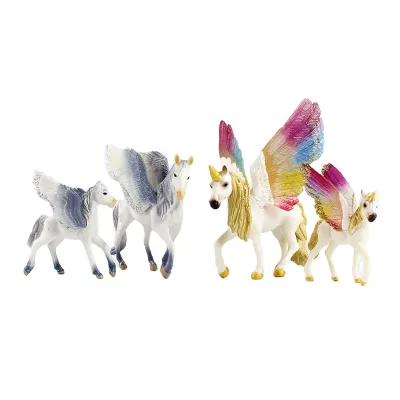
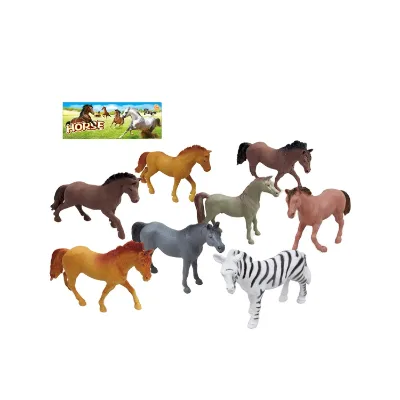


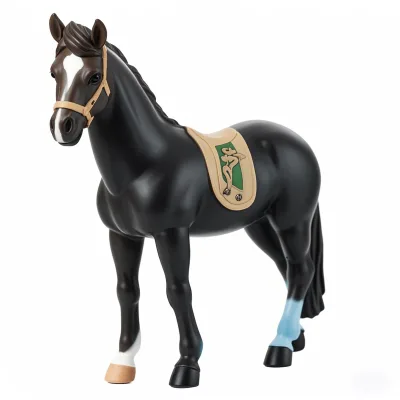
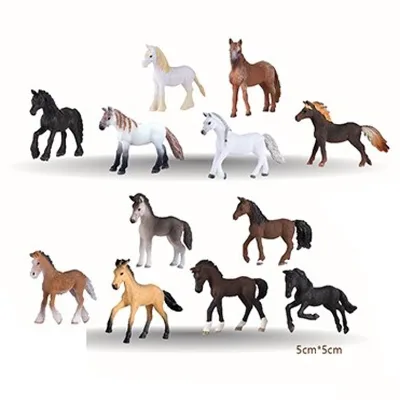
Plastic Toy Set Plastic Horse Blind Box Toys Printing Horse Mini Toys Figure
$0.25 - $0.55
MOQ: 100 Pieces

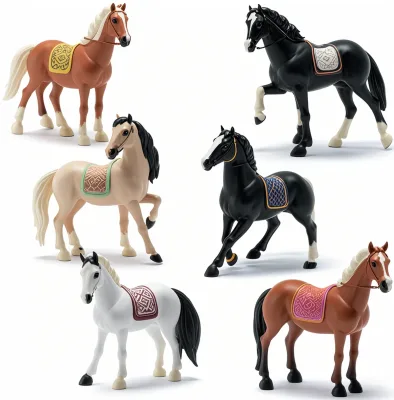
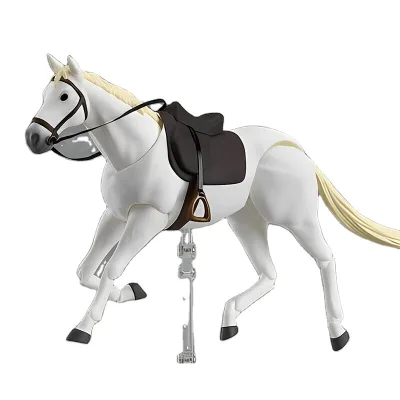


Comprehensive Sourcing Guide
Strategic Sourcing Guide for European American Plastic Horse Figures
Understanding Product Variants and Technical Specifications
The market for European American Plastic Horse Figures encompasses a diverse range of products designed for distinct consumer segments, from early childhood education to adult collecting. When sourcing these items, buyers must first distinguish between the specific technical configurations available. The product landscape includes solid simulation animal models, such as flying horse figures and unicorns, which often feature dimensions ranging from 11 centimeters to 30 centimeters in height. These larger figures are typically constructed from durable plastic materials and are marketed with a specific aesthetic that aligns with European and American design styles.
In contrast, a separate category of plastic animal figurines focuses on farm animals and smaller scale models, with sizes often ranging from 0 to 19 centimeters. These smaller units are frequently designed for younger demographics, specifically targeting children under three years of age. The material composition is a critical differentiator; while some high-end simulation models utilize standard plastic, others in the farm animal segment may employ PVC. This variation in material affects the tactile feel, durability, and safety profile of the final product. Furthermore, the power requirements for these figures are generally non-operated, meaning they are static display items rather than electronic toys. The absence of power-operated features simplifies the supply chain by eliminating the need for battery compliance checks, though it does require careful attention to the mechanical stability of the plastic components.
The packaging specifications also vary significantly based on the intended usage. Standard retail units for larger simulation models often come in individual polyethylene (PE) bags, while farm animal toys may be packaged in PVC bags. For promotional or bulk distribution, customized packaging solutions are frequently available, allowing buyers to tailor the presentation to their specific brand requirements. The selling units are typically single items, which simplifies inventory management but requires precise forecasting to avoid stockouts during peak seasons. Understanding these technical distinctions is the first step in aligning procurement strategies with specific market demands, ensuring that the selected figures meet the functional and aesthetic expectations of the target audience.
Compliance and Certification Verification
Navigating the regulatory landscape for plastic toys requires rigorous verification of safety certifications, particularly when targeting markets in Europe and North America. The primary concern for buyers is ensuring that the plastic materials used do not contain harmful substances that could pose risks to children. In the context of European American Plastic Horse Figures, specific certification standards are often cited as indicators of compliance. Buyers should look for products that explicitly state adherence to EN71, ASTM, and HR4040 standards. These standards cover various aspects of toy safety, including mechanical and physical properties, flammability, and chemical composition.
For products intended for younger children, specifically those under three years of age, the verification process becomes even more stringent. The presence of certifications such as EN71/7P or 10P HR4040 suggests that the manufacturer has undergone testing for specific phthalates and heavy metals. However, buyers must treat these certifications as observations of the supplier's current status rather than a guarantee that every unit in a large order will pass testing. It is essential to request current test reports from the supplier to confirm that the specific model numbers, such as FAS018371-74 or JH-P42, have been validated against the required standards.
The material safety is another critical component of compliance. The use of ECO material is frequently highlighted as a selling point for these figures, indicating a commitment to non-toxic production methods. When sourcing PVC-based figures, which are common in the farm animal category, buyers must ensure that the PVC formulation meets the strictest environmental and safety regulations. The "European & American" style designation implies that the product design and material safety protocols are aligned with the regulatory frameworks of these regions. Therefore, a thorough audit of the supplier's certification documents is not merely a formality but a fundamental risk mitigation strategy. Buyers should verify that the certifications are issued by recognized third-party laboratories and are valid for the specific production batches being ordered.
Cost Drivers and Pricing Dynamics
The pricing structure for European American Plastic Horse Figures is influenced by a complex interplay of factors, including material costs, production volume, and customization requirements. The observed price range in the market spans from 0.1 to 10,000 USD, reflecting the vast diversity in product complexity and order quantities. For standard, non-customized items, the cost is primarily driven by the raw material price of plastic or PVC and the labor intensity of the molding process. Larger figures, such as those measuring up to 30 centimeters, naturally command higher unit prices due to the increased material usage and more intricate molding requirements.
Order volume plays a pivotal role in determining the final cost per unit. Suppliers often offer tiered pricing structures where the unit cost decreases as the order quantity increases. The supply ability of manufacturers, which can range from 20,000 to 1,000,000 pieces per month depending on the product line, indicates the capacity to handle large-scale orders at competitive rates. However, buyers should be aware that high-volume orders may require longer lead times or specific production scheduling to accommodate the factory's capacity.
Customization is another significant cost driver. While many suppliers offer OEM and ODM services, allowing for brand-specific designs and packaging, these services come at a premium. The cost of developing new molds, creating custom packaging, and managing the additional quality control steps for customized orders must be factored into the total procurement budget. Additionally, the choice of packaging material, such as PE bags versus PVC bags or fully customized boxes, can impact the overall cost. Buyers seeking to optimize their budget should carefully evaluate the necessity of customization against the potential increase in unit costs.
Typical Applications and Market Segmentation
European American Plastic Horse Figures serve a wide array of applications, ranging from educational tools to decorative collectibles. The primary market segment for these products is early childhood education. Figures designed for children under three years old often incorporate educational functions, aiding in the development of motor skills and cognitive recognition of animals. These toys are typically robust, non-toxic, and sized appropriately for small hands, making them ideal for nurseries, preschools, and home play environments.
Beyond education, these figures are widely used for promotional and decorative purposes. The "Solid Simulation" nature of the models makes them excellent for display in retail environments, museums, or as part of themed events. Their European and American styling appeals to collectors who appreciate the aesthetic details and historical accuracy of the designs. The versatility of these figures allows them to be used in various settings, from home decoration to commercial displays. The "Unisex" gender classification further expands their market reach, ensuring they are suitable for all children regardless of gender preferences.
The application also extends to promotional campaigns and corporate gifts. The ability to customize packaging and potentially the figures themselves allows businesses to create branded merchandise that resonates with their target audience. Whether used as a prize in a contest, a gift at a trade show, or a decorative item in a corporate lobby, these plastic horse figures offer a cost-effective and visually appealing solution. The specific usage scenarios, such as promotion, decoration, ornament, display, and collecting, dictate the required quality standards and design features, guiding buyers in selecting the most appropriate product for their specific needs.
Supplier Evaluation and Selection Criteria
Selecting the right supplier for European American Plastic Horse Figures requires a comprehensive evaluation of their capabilities, reputation, and operational stability. Buyers should prioritize suppliers who demonstrate a clear understanding of the specific technical and regulatory requirements of the target markets. Key indicators of a reliable supplier include a proven track record of meeting certification standards like EN71 and ASTM, as well as a transparent supply chain that allows for traceability of materials.
The geographical location of the supplier is also a critical factor. Many manufacturers of these figures are based in Guangdong, China, with dispatch ports in Shantou or Shenzhen. This concentration of industry expertise in the region often translates to higher efficiency and lower logistics costs. However, buyers must verify the specific port of dispatch for each order to ensure accurate shipping calculations and delivery timelines. The proximity to major shipping hubs can significantly impact the lead time and overall cost of the procurement process.
Service capabilities, including OEM and ODM support, are essential for buyers seeking customized solutions. A supplier's ability to offer flexible packaging options, such as PE bags or customized boxes, and their willingness to accommodate specific design requests are strong indicators of a partnership-oriented approach. Additionally, the supplier's payment terms, such as T/T, should be reviewed to ensure they align with the buyer's financial policies and risk management strategies. Evaluating the supplier's response time, communication clarity, and willingness to provide samples or detailed product specifications can further inform the selection process.
Quality Control and Long-Term Procurement Considerations
Maintaining consistent quality in the procurement of plastic horse figures requires a robust quality control (QC) framework. Given the variation in materials, from standard plastic to PVC, and the diverse applications, buyers must establish clear quality benchmarks before placing orders. This includes defining acceptable tolerances for dimensions, such as the height range of 11 to 30 centimeters, and ensuring that the color matches the provided pictures exactly. The "AS Picture" specification highlights the importance of visual consistency, which can be challenging to maintain across large production runs.
Long-term procurement considerations involve building a sustainable relationship with suppliers that can adapt to changing market demands. This includes monitoring the supplier's ability to maintain their supply ability, which can fluctuate based on raw material availability and production capacity. Buyers should also consider the environmental impact of their procurement choices, favoring suppliers who use ECO materials and adhere to strict environmental standards. The washability of the figures, which is often non-washable, should be clearly communicated to end-users to prevent damage and ensure product longevity.
Furthermore, buyers should plan for potential variations in product attributes. Not every listed product may satisfy all the observed specifications, and suppliers may introduce new models or discontinue existing ones. Regular communication and periodic audits can help mitigate these risks. By focusing on continuous improvement and maintaining a flexible procurement strategy, buyers can ensure a steady supply of high-quality European American Plastic Horse Figures that meet the evolving needs of their customers. The ability to navigate these complexities while maintaining cost efficiency and compliance is the hallmark of successful B2B procurement in this sector.
FAQs
What certifications do these plastic horse figures have?
These figures hold EN71, ASTM, and HR4040 certifications for safety. Some farm animal variants also meet EN71/7P standards. Buyers should verify current test reports for specific model numbers to ensure compliance with target market regulations.
Which materials are used for the European American horse figures?
The primary materials are standard plastic and PVC depending on the specific model. Some products utilize ECO material for enhanced safety. The material choice affects durability and tactile feel, with PVC common in farm animal categories and plastic in simulation models.
How large are the solid simulation animal horse figures?
Solid simulation models typically range from 11 to 30 centimeters in height. Smaller farm animal figurines may measure between 0 and 19 centimeters. Dimensions vary by product, so buyers should check specific model numbers like FAS018371-74 for exact sizing details.
Can I order small quantities of these plastic unicorn toys?
Yes, suppliers accept small orders with an MOQ as low as one piece. Production capacity varies, with some lines offering up to one million pieces monthly. Buyers can choose between regular PE bags or customized packaging for flexible order sizes.
What age ranges are suitable for these plastic animal figurines?
Products are available for children aged 5 to 13 years as well as those under three years old. Some models include early childhood education functions for younger demographics. Buyers must select specific items based on the intended age group and safety requirements.
Where are these plastic horse figures manufactured and shipped from?
Manufacturing takes place in Guangdong, China, with dispatch ports in Shantou or Shenzhen. The origin is consistently listed as China for these items. Buyers should confirm the specific port of dispatch for accurate logistics planning and shipping cost calculations.