Source Europe Style Multifunction Serving Tray and Dish Set for Hotels, Restaurants, Dining Halls
Compare 30 listings for the Europe Style Multifunction Serving Tray and Dish Set from verified suppliers. Buyers can evaluate metal and ceramic options with custom patterns, polished finishes, and eco-friendly features for hotel and restaurant use.
Key considerations
Products List
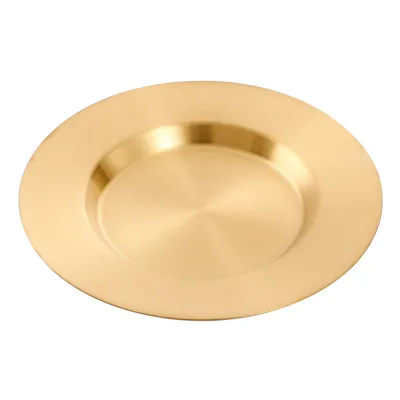
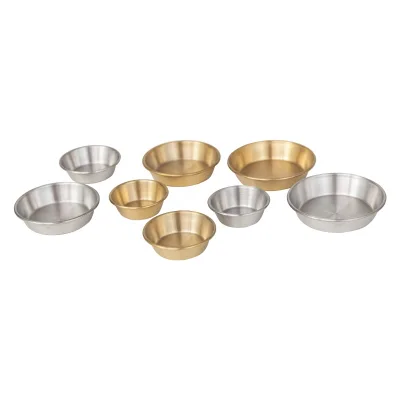


Bowl Tableware Plate Ceramic Household Nordic Wholesale Dish Set Simple Japanese Style
$0.55 - $7.40
MOQ: 50 Pieces
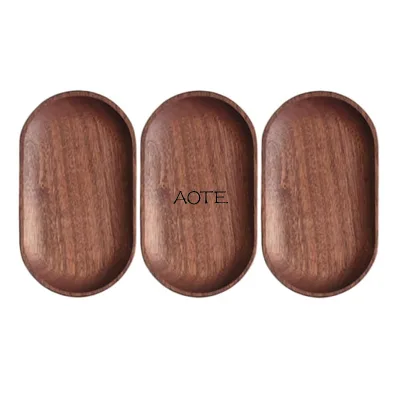
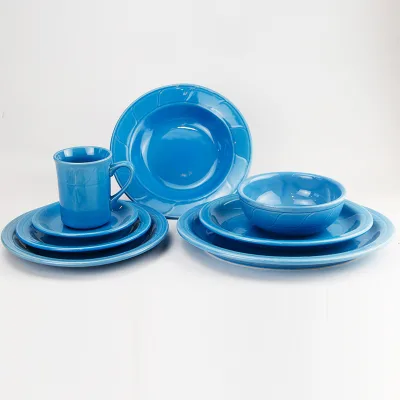


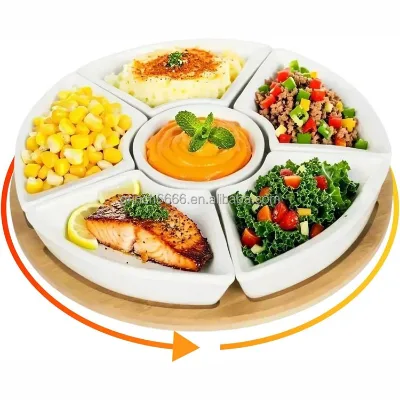
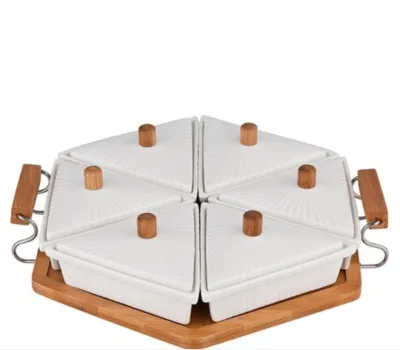
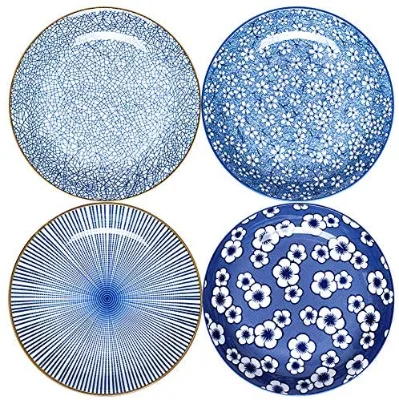
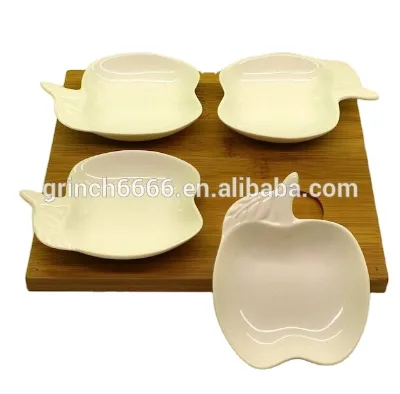


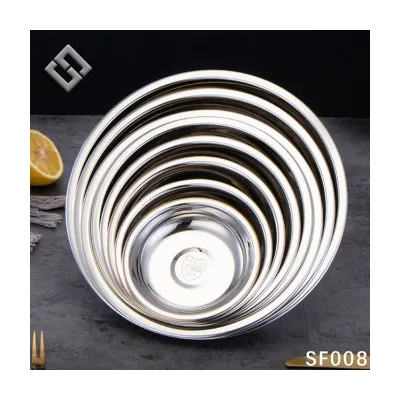

18PCS Dinnerware Dish Set for 6, Ceramic Tableware Set, Modern Plates and Bowls Set
$17.80 - $18.00
MOQ: 500 Sets


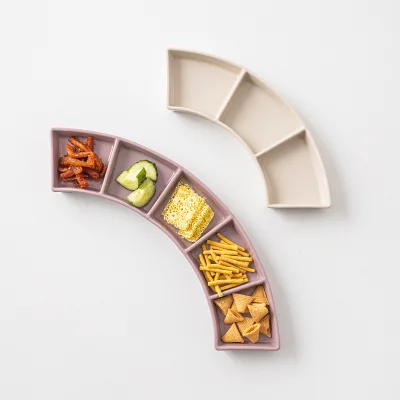
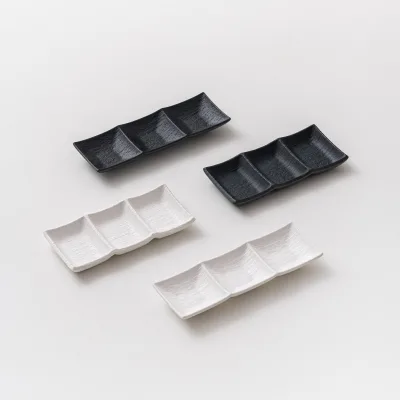
Comprehensive Sourcing Guide
Strategic Sourcing Guide for Europe Style Multifunction Serving Tray and Dish Sets
The global B2B market for hospitality and retail tableware continues to evolve, with a distinct demand for multifunctional serving solutions that blend aesthetic appeal with operational efficiency. Buyers searching for "Europe style multifunction serving tray and dish sets" are typically seeking products that offer a sophisticated visual language suitable for high-end dining environments, hotels, and modern retail spaces. This guide provides a structured approach to sourcing these items, grounded in verified product attributes and industry standards. The focus remains on identifying reliable supply chains, understanding technical specifications, and ensuring that procurement decisions align with quality and compliance requirements without relying on unverified marketing claims.
Understanding Product Attributes and Design Standards
When evaluating a serving tray and dish set, the primary consideration is the alignment of design aesthetics with functional requirements. The "Europe style" designation often implies specific design cues such as clean lines, elegant finishes, and versatile shapes that complement a variety of table settings. In the context of available product data, attributes such as "American Style" and "Country" style are also observed, indicating that the term "Europe style" may be used broadly by suppliers to denote a Western aesthetic rather than a strictly regional origin. Buyers must verify the specific visual characteristics against their own brand guidelines.
Material composition is a critical differentiator in this category. The market offers products in various materials, including metal, stainless steel, and ceramic or porcelain. For instance, specific listings indicate "Metal" and "Stainless steel" as primary materials, often finished with a "Polished" technique to achieve a "Silver/gold" or "Dark Gray, Gold" appearance. Conversely, other product lines in the same category may utilize "Ceramic & Porcelain" for a more traditional dining feel. The choice of material directly impacts the weight, durability, and thermal properties of the set. A stainless steel tray set, for example, offers robustness and ease of cleaning, whereas ceramic dishes provide a different tactile experience and aesthetic warmth.
The shape and size specifications are equally vital for multifunctional sets. Data indicates that round shapes are prevalent, with diameter specifications ranging from 7cm to 11cm for individual components, and overall set sizes often categorized as 7, 8, 9, or 10cm. For larger serving trays, dimensions may vary significantly. Buyers should note that some product entries list "non" for diameter, suggesting that size customization or non-standard dimensions may be available. The "Custom Products" pattern type further supports the ability to tailor dimensions to specific operational needs.
Technical Specifications and Functional Versatility
The functionality of a serving tray and dish set is defined by its intended usage environment. The product data explicitly lists "Hotel," "Restaurant," "Dining Hall," and "Home" as primary usage scenarios. This versatility suggests that the products are designed to withstand the rigors of commercial dishwashing while maintaining an aesthetic suitable for residential use. The "Easy to wash" attribute is a key technical specification for commercial buyers, as it directly influences labor costs and operational efficiency in high-volume settings.
Construction techniques also play a significant role in product longevity. The "Polished" technique mentioned in the data suggests a high-quality finish that resists staining and corrosion, particularly for metal-based sets. For ceramic options, the focus shifts to glaze quality and structural integrity. The "Non-Disposable" attribute confirms that these are durable goods intended for repeated use, which is a fundamental requirement for B2B procurement in the hospitality sector.
Packaging standards are another technical consideration. The data references "Opp Bag+Carton Box" and "Color Box" as common packaging methods. These packaging types are designed to protect the items during transit while presenting them attractively for retail display. The "Stocked" feature indicates that certain configurations are available for immediate shipment, which can be crucial for buyers with urgent restocking needs. However, the "Custom Products" attribute also highlights that bespoke configurations are possible, allowing buyers to request specific packaging or branding solutions.
Cost Drivers and Pricing Dynamics
Pricing in the tableware market is influenced by a complex interplay of factors, including material costs, manufacturing complexity, and order volume. The observed price range for these products spans from $0.32 to $70 USD, reflecting the vast diversity in product types, from small individual sauce dishes to complete serving sets. This wide range underscores the importance of defining precise specifications before requesting quotes.
The Minimum Order Quantity (MOQ) is a significant cost driver. The data shows an MOQ range of 1 to 3000 pieces, with a specific observation of 100 pieces for certain product lines. Buyers with smaller budgets or those testing new markets may find the lower MOQs advantageous, while larger retailers can leverage economies of scale by ordering in bulk. The "Competitive" price attribute suggests that suppliers in this category are price-sensitive, but buyers should verify this against current market rates and material costs.
Additional cost factors include customization options. The "Support Customzied" and "Customization: Available" attributes indicate that adding logos, specific colors, or unique shapes will likely incur additional costs. The "Logo" support feature is particularly relevant for brands looking to create a unified identity across their service offerings. Buyers should also consider the impact of payment terms, such as "T/T" (Telegraphic Transfer), on cash flow and overall procurement costs.
Supplier Evaluation and Verification Protocols
Selecting the right supplier is paramount to ensuring product quality and supply chain reliability. The product data identifies "Guangdong, China" and "China" as the primary places of origin. While this provides a geographic context, buyers must conduct thorough due diligence to verify the supplier's capabilities. The "XINYUAN" brand name is observed in the data, but buyers should not limit their search to a single supplier. Instead, they should evaluate multiple vendors based on their ability to meet specific technical and compliance requirements.
Key evaluation criteria include the supplier's production capacity, quality control processes, and history of delivering on time. The "Delivery time" of 25-30 days is a standard lead time observed in the data, but buyers should confirm if this can be expedited for urgent orders. The "Selling Units" of "Single item" suggest flexibility in ordering, but buyers should clarify if this applies to the entire set or individual components.
Verification of the supplier's ability to handle "Custom Products" is essential. Buyers should request samples to assess the quality of the "Polished" finish, the accuracy of the "Silver/gold" or "Dark Gray, Gold" colors, and the overall craftsmanship. Additionally, checking the supplier's adherence to the "For 10 people" standard, if applicable, can help ensure that the set dimensions and quantities meet the intended service requirements.
Quality Control and Compliance Considerations
Quality control is a non-negotiable aspect of sourcing tableware. Buyers must ensure that the products meet relevant safety and performance standards. While specific certification names are not provided in the data, buyers should verify compliance with international food safety standards, such as those regarding heavy metal migration for metal and ceramic products. The "Eco-Friendly" feature observed in the data is a positive attribute, but buyers should request documentation to substantiate this claim, such as material safety data sheets or environmental certifications.
The "Clean" attribute, specifically "Easy to wash," should be validated through practical testing. Buyers can request samples to test the product's resistance to staining and its ability to withstand repeated washing cycles without degradation. For metal products, checking for corrosion resistance is crucial, especially in environments with high humidity or frequent exposure to acidic foods.
Compliance with packaging standards is also important. The "Opp Bag+Carton Box" and "Color Box" packaging should be robust enough to prevent damage during shipping. Buyers should inspect the packaging for durability and ensure that it meets any specific requirements of their target market, such as recyclability or specific labeling regulations.
Long-Term Procurement and Supply Chain Resilience
Long-term success in sourcing tableware depends on building a resilient supply chain. The "Stocked" feature indicates that some suppliers maintain inventory, which can reduce lead times and mitigate supply disruptions. However, buyers should also consider the risks associated with relying on a single source. Diversifying suppliers and maintaining a buffer stock can help manage fluctuations in demand.
The "Customization" capability offers a strategic advantage for buyers looking to differentiate their offerings. By working with suppliers who can provide tailored solutions, buyers can create unique product lines that stand out in the market. However, customization requires careful planning and clear communication to avoid errors and delays.
Finally, buyers should establish clear communication channels with their suppliers to ensure ongoing quality and service. Regular audits, sample reviews, and performance evaluations can help maintain high standards and foster a collaborative relationship. By focusing on these long-term considerations, buyers can secure a reliable supply of high-quality serving trays and dish sets that meet the demands of the modern hospitality and retail sectors.
Conclusion
Sourcing Europe style multifunction serving tray and dish sets requires a balanced approach that considers design, material, functionality, and supplier reliability. By leveraging the verified attributes and market data available, buyers can make informed decisions that align with their operational needs and brand values. The wide range of options, from stainless steel to ceramic, and the flexibility in customization, provide ample opportunities to find the perfect solution. However, rigorous supplier evaluation, quality control, and long-term planning are essential to ensure success in this competitive market.
FAQs
What materials are used for these serving trays and dish sets?
Products are available in metal, stainless steel, and ceramic or porcelain materials. The metal options often feature a polished technique with silver or gold finishes, while ceramic sets provide a traditional dining feel suitable for various hospitality environments.
Which customization options are available for logo and design?
Customization is available for logos and specific product patterns, allowing for tailored designs. Buyers can request custom products with specific dimensions or branding, though some standard items may be listed as non-customized depending on the specific model number selected.
How long is the delivery time for these tableware items?
The standard delivery time ranges from 25 to 30 days for production and shipping. This lead time applies to orders placed with suppliers in Guangdong, China, and may vary based on the specific order volume and customization requirements.
What is the minimum order quantity for purchasing these sets?
Minimum order quantities typically range from 1 to 3000 pieces depending on the supplier and product type. Some specific product lines list a standard MOQ of 100 pieces, while others may accommodate smaller single-item orders for testing purposes.
Can these serving sets be used in hotels and restaurants?
Yes, these items are explicitly designed for use in hotels, restaurants, and dining halls. They are non-disposable, easy to wash, and built to withstand commercial use while maintaining an aesthetic suitable for high-end dining environments.
What packaging methods are used for shipping these products?
Common packaging includes Opp Bag plus Carton Box or Color Box configurations. These methods are designed to protect the items during transit and present them attractively for retail display, ensuring the products arrive in good condition.