Source Europe Style Stainless Steel Coaster for hotels, cafes, and offices
Find 30 Europe Style Stainless Steel Coaster options from verified suppliers. Compare features like shape, size, and customization to select the right product for your business needs.
Key considerations
Products List




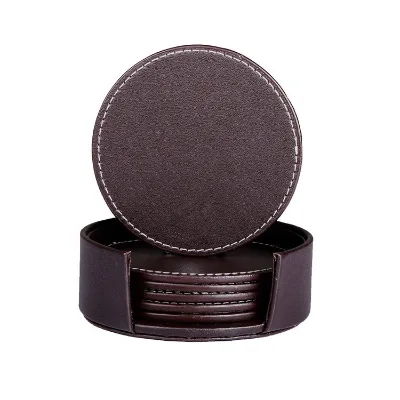

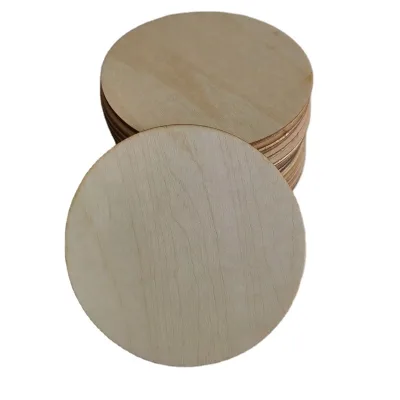


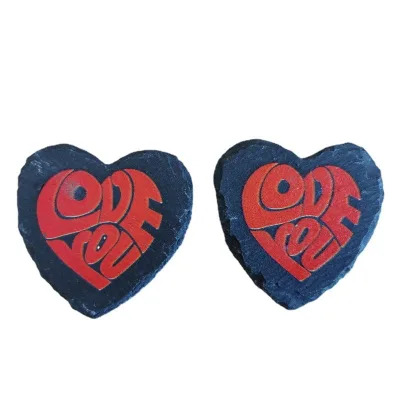


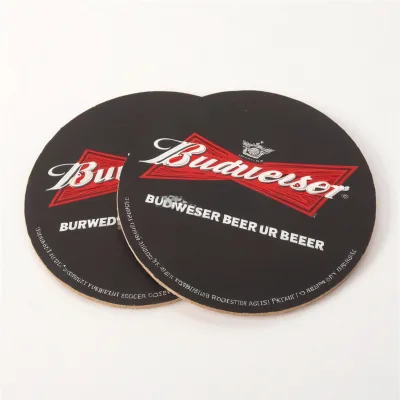
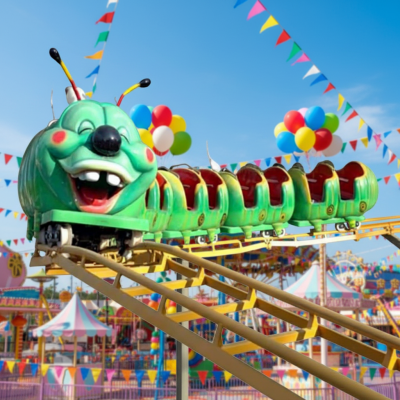
Attractive Amusement Park Roller coaster for Sale, Cheap Roller coaster
$15267.63 - $20356.84
MOQ: 1 Minimum



Comprehensive Sourcing Guide
Strategic Sourcing Guide for Europe Style Stainless Steel Coasters
Navigating the global market for Europe style stainless steel coasters requires a disciplined approach that balances aesthetic expectations with rigorous technical verification. The term "Europe style" in this context often implies specific design languages, such as minimalist lines, silver or dark gray finishes, and shapes that range from classic rounds to modern octagons or squares. While the core material is frequently identified as metal, specifically stainless steel or metal-cork composites, the actual specifications vary significantly across suppliers. Buyers must treat product attributes as observations from specific listings rather than universal guarantees for every item in the category. This guide outlines the critical dimensions, compliance checks, and evaluation metrics necessary for a successful procurement strategy.
Technical Specifications and Material Composition
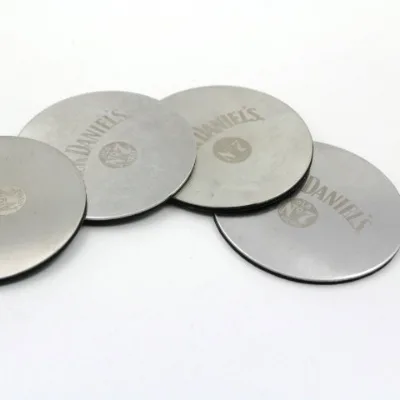
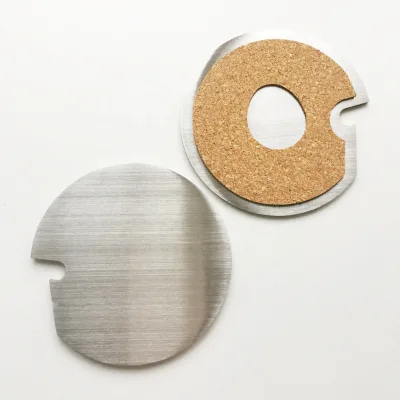
The foundation of a reliable coaster order lies in understanding the precise material composition and dimensional tolerances. In the observed product data, the primary material is consistently listed as "Metal," with specific variations noted as "Metal+cork." This composite approach is common in Europe style designs, where a stainless steel top provides a sleek, reflective surface while a cork or rubber base offers the necessary "Antiskid" and "Insulation" characteristics. The thickness of the metal component is a critical specification; observed data indicates a thickness of 2mm, which generally ensures durability without excessive weight. However, buyers must verify this metric for each supplier, as thinner gauges may compromise the structural integrity required for heavy glassware.
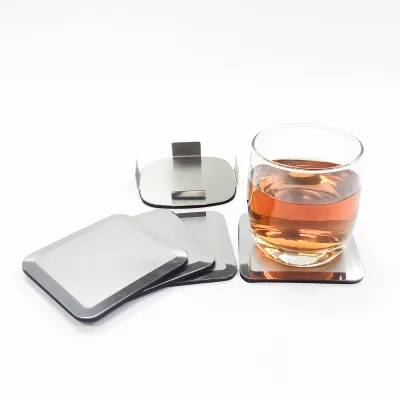
Shape and size are equally pivotal. The market offers a diverse array of geometries, including "Square," "Round," and "Octagon" forms. Dimensions observed in the supply chain range from 82mm to 100mm in diameter, with specific square variants measuring 95x95mm or 92x92mm. The "Big" imprint size is a notable feature for promotional items, allowing for substantial branding opportunities. When sourcing, it is essential to confirm whether the size is fixed or customizable. Some listings suggest a wide range of sizes, including 85mm, 100mm, and 95x95mm, while others may offer fully customized dimensions. The weight of individual units, observed at 340g for certain sets, also impacts shipping costs and the perceived quality of the product. Buyers should request a detailed specification sheet that confirms the exact diameter, thickness, and weight for the specific model number, such as "B-C113" or "600022," to ensure the product meets the intended use case.
Design Aesthetics and Customization Capabilities
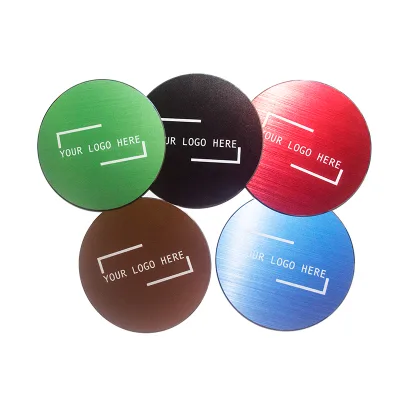
The "Europe style" designation is heavily influenced by color and finish. The observed data highlights "Silver" and "Dark Gray" as primary color options, alongside "Natural Color" finishes that may appeal to rustic or eco-conscious markets. The aesthetic is often described as "Simple" or reflecting "Europe, American Style" trends, characterized by clean lines and understated elegance. Customization is a major driver in this sector, with "Logo Printing" available through various techniques. The specific methods observed include "Laser Engrave," "Silk Screen Printing," "Offset Printing," and "Letterpress Printing."
The choice of printing method significantly affects the final look and durability of the logo. Laser engraving is particularly suited for metal surfaces, offering a permanent, high-contrast mark that does not fade over time. In contrast, silk screen or offset printing may provide vibrant colors but requires careful evaluation of adhesion on metal or cork surfaces. The "Imprint Size" is noted as "Big" in several listings, which is advantageous for corporate branding. However, the actual printable area must be verified against the physical dimensions of the coaster. For instance, a round coaster with a 95mm diameter may have a different effective imprint area compared to a square 95x95mm unit. Buyers should request digital proofs to ensure the logo placement aligns with the design intent and does not interfere with the antiskid base or the overall aesthetic balance.
Compliance, Certification, and Origin Verification
Compliance and certification are non-negotiable elements in B2B procurement, particularly for products used in food and beverage environments. The observed data lists "CE" as a product standard, indicating compliance with European safety, health, and environmental protection requirements. This is a critical verification point for buyers targeting the European market. Additionally, background knowledge suggests standards such as ASTM F2291 and EN 13814, which relate to flooring and safety, though their direct applicability to coasters requires specific confirmation from the supplier. Buyers must explicitly ask for test reports or certificates of conformity that verify the material safety, ensuring the metal does not leach harmful substances and the cork or rubber base is non-toxic.
The origin of the product is another vital factor. The data indicates production locations in "Guangdong" and "Zhejiang," China, with a specific port of dispatch noted as "Zhongshan." These regions are known for their manufacturing capabilities, but the specific factory location can influence lead times and logistics. The "Place of Origin" should be clearly stated on the commercial invoice and packaging to avoid customs delays. Furthermore, the "Supply Ability" is a key metric for scaling orders; observed data suggests a capacity of 100,000 pieces per month, which is sufficient for large-scale promotional campaigns or bulk retail distribution. Buyers should verify this capacity against their own volume requirements and the supplier's current production schedule to prevent delays.
Cost Drivers and Pricing Structures
Understanding the cost structure of stainless steel coasters involves analyzing multiple variables beyond the unit price. The observed price range is vast, spanning from $0.01 to over $20,000, which reflects the difference between single-unit samples and massive bulk orders, or potentially the inclusion of custom packaging and tooling costs. The "MOQ" (Minimum Order Quantity) is a significant cost driver, with observed ranges from 1 to 1,000 units, and specific listings showing an MOQ of 500. Higher customization levels, such as laser engraving or unique shapes, typically increase the unit cost and may raise the MOQ threshold.
Packaging details also impact the final landed cost. Listings indicate various packaging configurations, such as "1PC/OPP Bag," "Color Box," or bulk cartons containing 100 or 24 pieces per carton. The choice between simple OPP bags and premium color boxes will affect both the unit price and the shipping volume. Buyers should calculate the total cost per unit, including packaging, shipping, and any potential tariffs, rather than focusing solely on the factory gate price. The "Single gross weight" of 0.100 kg per unit is a useful baseline for estimating freight costs, but the actual weight may vary based on the thickness of the metal and the density of the cork base.
Supplier Evaluation and Quality Control
Evaluating a supplier for Europe style stainless steel coasters requires a multi-faceted approach. The "Quality" attribute is listed as "Fine" in the data, but this is a subjective claim that must be validated through physical inspection. Buyers should request samples to assess the finish quality, the precision of the laser engraving, and the stability of the antiskid base. The "Characteristics" of the product, such as "Insulation" and "Antiskid," must be tested to ensure they perform as expected under real-world conditions. A coaster that slides easily or fails to insulate against heat will result in customer dissatisfaction and potential returns.
The "Brand Name" and "Application" details provide insight into the supplier's market positioning. Some suppliers target "Promotional Activities," "Tradeshow Giveaways," or "Family Reunions," while others focus on "Home, Office, Restaurant, Cafe" use. A supplier with experience in the hospitality sector may offer higher quality control standards. The "Selling Units" being listed as "Single item" suggests flexibility for small orders, but buyers should confirm if this applies to the initial sample phase or if bulk orders require different terms. Quality control protocols should include checks for surface scratches, consistent color matching, and accurate dimensions. A robust QC process ensures that the final shipment matches the approved sample in every detail.
Long-Term Procurement and Application Strategy
The versatility of stainless steel coasters makes them suitable for a wide range of applications, from "bar, Hotel, coffee shops, restaurant" to "Home, Office" settings. The "Usage" data confirms their adaptability across these environments. For long-term procurement, buyers should consider the durability of the product. Stainless steel is resistant to corrosion, but the quality of the plating or finish determines its longevity. The "Style" being "Simple" or "Europe, American Style" ensures that the product remains relevant for longer periods, reducing the risk of obsolescence.
When planning for future orders, buyers should establish a relationship with a supplier that can handle both small, frequent orders and large, seasonal spikes. The "Supply Ability" of 100,000 pieces per month indicates a capacity for growth, but communication regarding lead times and production slots is essential. The "Port of dispatch" in Zhongshan offers logistical advantages for shipping to major global markets. By maintaining a clear understanding of the technical specifications, compliance requirements, and quality standards, buyers can build a sustainable supply chain for Europe style stainless steel coasters that meets the demands of the modern market.
FAQs
What customization options are available for these coasters?
Customization is available with logo printing options including laser engraving, silk screen, offset, and letterpress printing. Buyers can choose from shapes like square, round, or octagon and select colors such as silver or dark gray to match specific branding needs.
Which certifications do these metal coasters typically hold?
The products listed carry CE certification, indicating compliance with European safety standards. While background knowledge mentions other standards, the verified product data confirms CE as the primary documented standard for these items originating from Guangdong and Zhejiang.
How large is the imprint area for logo printing?
The imprint size is described as big, suitable for substantial branding on the metal surface. Specific dimensions vary by model, with available sizes including 82mm, 85mm, 95mm, and 100mm, allowing for flexible logo placement on round or square designs.
Can I order samples or small quantities of these coasters?
Yes, some listings allow single item sales with a minimum order quantity as low as one unit. However, standard bulk orders often require a minimum of 500 pieces, and specific models may have different thresholds depending on the customization level requested.
What materials are used to construct these Europe style coasters?
The primary material is metal, often combined with cork for a composite structure. This metal and cork combination provides antiskid and insulation characteristics, ensuring stability and heat protection for glassware in home, office, or restaurant settings.
Where are these stainless steel coasters manufactured and shipped from?
Products originate from Guangdong and Zhejiang provinces in China, with a specific port of dispatch noted as Zhongshan. Buyers should verify the exact place of origin on the commercial invoice to ensure accurate customs documentation and logistics planning.
What is the typical supply capacity for large orders?
The observed supply ability is 100,000 pieces per month, which supports large-scale promotional campaigns or bulk retail distribution. This capacity should be confirmed against the supplier's current production schedule to ensure timely delivery for high-volume procurement needs.