Source European Mesh Waist Slim Jumpsuit for Fashion, Events, and Retail
Find and compare 30 European Mesh Waist Slim Jumpsuit options from verified suppliers. Evaluate materials like spandex blends, fit types, and customization services to select the right inventory for your business needs.
Key considerations
Products List



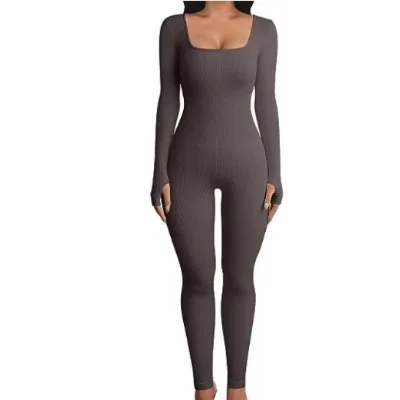


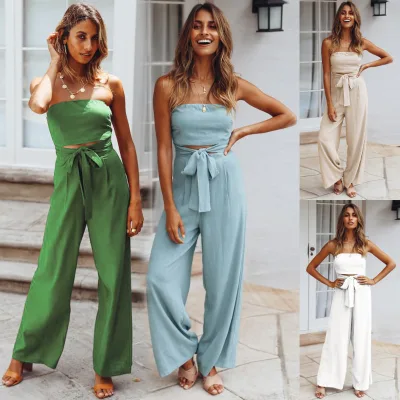
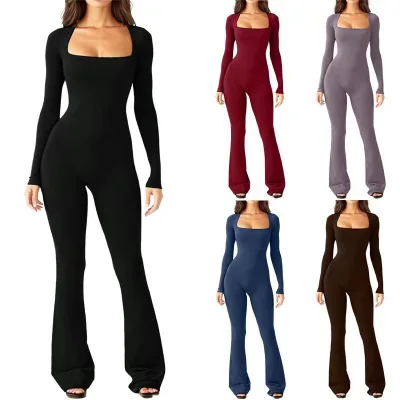


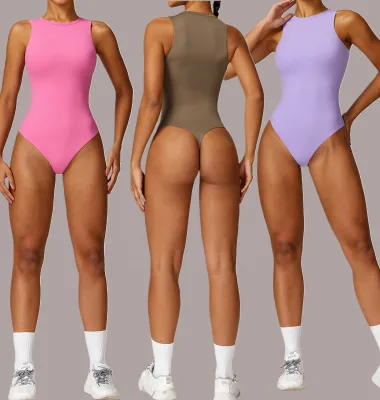
Comprehensive Sourcing Guide
European Mesh Waist Slim Jumpsuit Sourcing Guide
Procuring European-style mesh waist slim jumpsuits requires a precise alignment between aesthetic expectations and technical feasibility. The core challenge lies in balancing the visual appeal of mesh detailing with the structural integrity required for a slim fit. Buyers must recognize that "European" in this context often refers to cut, silhouette, and fabric quality rather than geographic origin, as most observed listings indicate production in Guangdong, China. This distinction is critical for setting realistic quality benchmarks and avoiding misinterpretations of origin claims during the initial supplier screening phase.
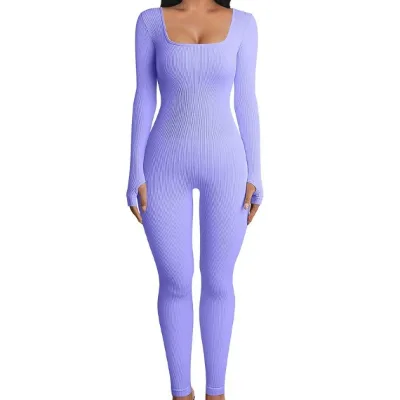
The slim fit designation implies a specific construction method that differs significantly from loose or oversized styles. A slim jumpsuit demands precise pattern grading and high-recovery fabrics to ensure comfort and movement without excessive stretching or distortion. When sourcing these items, buyers should prioritize suppliers who demonstrate expertise in body-hugging garments, as the tolerance for error in seam placement and waistband tension is minimal. Understanding that the mesh waist is a design feature rather than a structural necessity helps in evaluating whether the supplier can integrate this element without compromising the garment's durability or fit consistency.
Product Scope and Observed Listing Signals
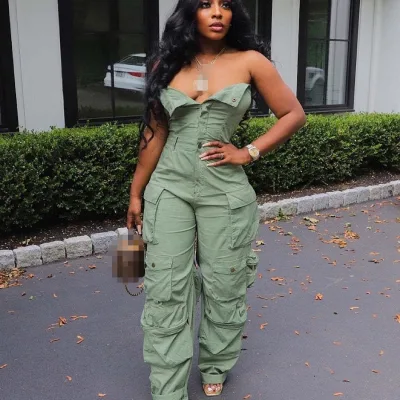
The observed product data reveals a diverse range of materials and construction methods, with Spandex/Nylon and Spandex/Polyester blends being the dominant fabric compositions. These materials are chosen for their elasticity and drape, which are essential for achieving the slim fit profile. However, the presence of Canvas and Polyester/Cotton blends in related listings suggests that suppliers may offer variations in fabric weight and texture. Buyers must carefully verify the specific material composition for each SKU, as the term "mesh" can refer to different weave structures, from fine netting to broader open-weave patterns, each with distinct performance characteristics.
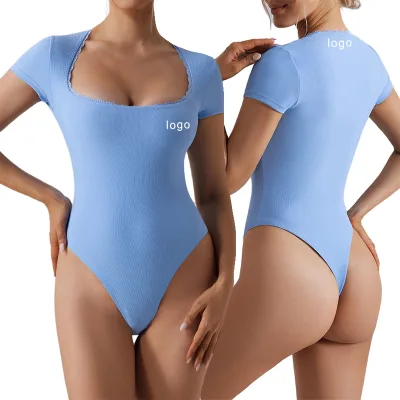
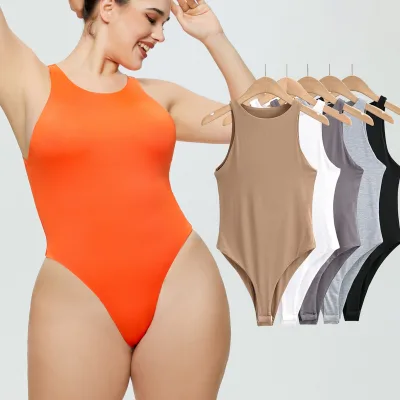
Listing signals also indicate a variety of neckline and sleeve options, including square necks, collarless designs, and sleeveless cuts. The observed color palette includes Light Blue, White, Pink, Beige, and various shades of Green, suggesting a focus on versatile, neutral, and seasonal tones. The size range typically spans from S to 3XL, which is standard for European sizing but requires careful mapping to local market standards. Buyers should note that the "Kits" style attribute and "Sexy & Club" occasion tags suggest these garments are often marketed for evening wear or fashion-forward casual settings, which influences the required level of finish and detail.
| Attribute | Observed Values | Buyer Implication |
|---|---|---|
| Material | Spandex/Nylon, Spandex/Polyester, Canvas | Verify stretch recovery and weight for fit consistency |
| Neckline | Square neck, Collarless, Ruffled | Confirm pattern accuracy for specific design elements |
| Size Range | S, M, L, XL, 2XL, 3XL | Ensure grading charts align with target market standards |
| Color | Light Blue, White, Pink, Beige, Green | Check colorfastness and dye lot consistency |
Technical Specifications to Verify
The waistline specification is a critical technical parameter, with "High Waist" being a common attribute in the observed data. A high-waist design affects the overall silhouette and comfort, requiring precise measurement of the waistband height and width. Buyers should request detailed technical packs that specify the exact placement of the mesh panel relative to the natural waistline. Additionally, the "Sleeveless" and "Short sleeve" options require verification of armhole depth and shoulder seam placement to ensure the garment sits correctly on the body without shifting during movement.
Fabric weight and weaving method are additional technical factors that influence the final product's performance. The observed fabric weight of 220 grams for certain items provides a baseline for evaluating the heft and opacity of the material. For mesh sections, the buyer must verify the mesh density and thread count to ensure it meets the desired aesthetic and durability standards. The "Knitted" weaving method is prevalent, which offers inherent stretch, but buyers should confirm the specific knit structure to predict how the fabric will behave after multiple washes.
Compliance and Safety Documentation
Safety documentation is paramount for apparel intended for the European market, where regulatory standards are stringent. While the provided data does not list specific certifications, buyers must request test reports for skin safety, including checks for formaldehyde, pH levels, and azo dyes. The "Needle detection: Yes" attribute indicates that suppliers are aware of foreign object risks, but buyers should verify the frequency and method of needle detection in the production line. This is particularly important for garments with complex construction like mesh inserts, where small components can be lost during assembly.
Chemical compliance is another area requiring rigorous verification. The use of Spandex and Nylon blends necessitates checks for residual chemicals from the manufacturing process. Buyers should ensure that suppliers can provide documentation proving that the fabrics meet relevant European textile safety regulations. Additionally, the "Washed" technics attribute suggests that some items undergo pre-washing, which can affect dimensional stability. Buyers should request shrinkage test data to ensure that the garment maintains its slim fit after consumer care.
Cost Drivers and Commercial Terms
The observed price range of $2.99 to $20.70 per unit reflects the variability in material quality, complexity of construction, and order volume. Lower price points may correspond to simpler designs or lower-grade fabrics, while higher prices likely reflect premium materials, intricate mesh detailing, or smaller batch sizes. Buyers should analyze the cost breakdown to understand which factors drive the price, such as the type of mesh used, the number of color options, and the level of customization. Understanding these drivers allows for more effective negotiation and budget planning.
Minimum Order Quantity (MOQ) ranges from 1 to 200 units, indicating flexibility in order size. However, lower MOQs often come with higher per-unit costs, while larger orders may offer better pricing but require more storage and inventory management. Buyers should evaluate their sales velocity and storage capacity to determine the optimal order size. Additionally, the "In-Stock Items" and "Oem Service" supply types suggest that suppliers can offer both ready-made stock and custom manufacturing, each with different lead times and cost structures.
Supplier Qualification and Quality Control
Supplier qualification should focus on their capability to handle the specific technical requirements of slim-fit mesh jumpsuits. Buyers should request samples to evaluate the fit, fabric quality, and finish before placing bulk orders. The "7 days sample order lead time: Support" attribute indicates that suppliers can provide samples relatively quickly, which is beneficial for rapid prototyping and design validation. However, buyers should verify that the sample production process mirrors the bulk production process to ensure consistency.
Quality control measures should include in-line inspections and final random inspections. Buyers should define acceptance criteria for defects such as seam slippage, mesh distortion, and color inconsistency. The "Single gross weight: 0.500 kg" and "0.900 kg" data points can be used to verify that the packaging and product weight are consistent with expectations. Additionally, buyers should assess the supplier's ability to handle returns and rework, as this is a common issue with complex garments like jumpsuits.
Long-Term Procurement Checks
Long-term procurement success depends on maintaining consistent quality and reliable supply. Buyers should establish a performance review process that tracks defect rates, lead time adherence, and communication responsiveness. The "All Seasons" attribute suggests that these garments are designed for year-round wear, which requires consistent fabric performance across different environmental conditions. Buyers should monitor how the garments perform in different seasons to identify any potential issues with fabric durability or comfort.
Building a strategic relationship with the supplier is also important for long-term success. This includes regular communication, joint problem-solving, and continuous improvement initiatives. Buyers should consider implementing a supplier scorecard that evaluates various performance metrics, such as quality, cost, and service. By doing so, buyers can make informed decisions about which suppliers to prioritize for future orders and which to replace if performance declines.
FAQs
What materials are used in these jumpsuits?
The jumpsuits are constructed from Spandex and Nylon or Spandex and Polyester blends. These materials provide the necessary stretch and durability for a slim fit. The fabric is knitted to ensure comfort and breathability for all-season wear.
What sizes are available for the jumpsuit?
Available sizes range from S to 3XL, depending on the specific model. This wide size range accommodates various body types. Buyers should verify the exact size chart for each model number to ensure a proper fit for their target customers.
Can suppliers provide sample orders within 7 days?
Yes, 7-day sample order lead time is supported for these products. This allows buyers to evaluate fabric quality and fit before placing bulk orders. Confirming sample availability is a standard step in the sourcing process for custom or specific styles.
What is the minimum order quantity for these items?
The observed MOQ range is between 1 and 200 units. This flexibility allows for small test orders or larger bulk purchases. Specific MOQs may vary by supplier and stock availability, so it is best to confirm current terms directly with the vendor.
What printing methods are used for the jumpsuits?
Silk Screen Printing is a primary method used for these garments. Other printing methods may also be available depending on the design complexity. This technique ensures durable prints that withstand washing and regular wear for casual or club occasions.
Where are these jumpsuits manufactured?
The place of origin is Guangdong, China. This region is a major hub for apparel manufacturing. Sourcing from this location often provides competitive pricing and established supply chains for women's fashion items like jumpsuits and shorts.
What is the fabric weight of the jumpsuit?
The fabric weight is specified as 220 grams for certain models. This weight indicates a medium-weight fabric suitable for all-season wear. It provides structure while maintaining the breathability required for comfortable daily use or special occasions.