Source European Style Bedroom Dresser for Home Hotel Villa
Find 30 European Style Bedroom Dresser options featuring adjustable sizes, modern and antique designs, and materials like particle board or solid wood. Buyers can compare customization, packing, and delivery times from suppliers in China.
Key considerations
Products List


Bedroom Furniture Set Storage Wardrobe European French Style Bedroom Wardrobe Closet
$61.50 - $62.26
MOQ: 1 Square Meters

Classic Walk-in Closet Bedroom Wardrobe Closet Custom Bedroom Furniture European Style
$58.00 - $59.53
MOQ: 1 Square Meters


$72.00 - $75.95
MOQ: 1 Square Meters
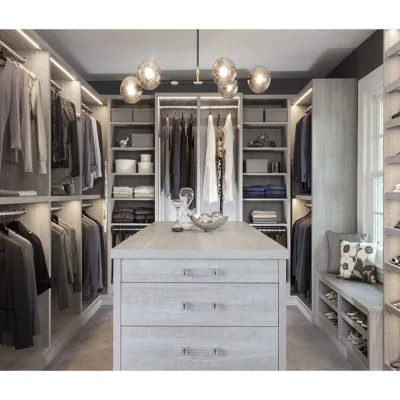


European Modular Modern Design Wardrobe Master Bedroom Wardrobe Closet
$75.00 - $80.00
MOQ: 9 Square Meters

European Style Furniture Wooden Wardrobe High End Bedroom Built-in Wardrobe Closets
$120.00 - $150.00
MOQ: 9 Square Meters

The European Style Bedroom Set Includes a European Style Wardrobe and Dressing Table
$5950.00 - $6000.00
MOQ: 50 Sets


Bedroom Multifunctional Simple Modern Solid Wood Customizable Bedroom Dresser
$75.00 - $90.00
MOQ: 50 Pieces


Contemporary Wardrobe Closet for Bedroom with Modular Storage System
$85.00 - $220.00
MOQ: 1 Square Meters


Bedroom Antique European Corner Wardrobe Closet Cabinet Wooden Furniture
$48.00 - $95.00
MOQ: 5 Square Meters
Comprehensive Sourcing Guide
Sourcing Strategy for European Style Bedroom Dressers
The global market for bedroom furniture has seen a sustained shift toward designs that blend traditional European aesthetics with modern manufacturing efficiency. For procurement professionals seeking "European style bedroom dressers," the primary challenge lies in distinguishing between authentic design heritage and generic mass-produced items that merely mimic the visual language. The sourcing process requires a rigorous evaluation of technical specifications, material integrity, and supply chain reliability. This guide outlines the critical factors buyers must assess when identifying suppliers capable of delivering high-quality, European-inspired bedroom dressers that meet international trade standards.
Technical Specifications and Material Composition
When evaluating potential suppliers for European style bedroom dressers, the first point of scrutiny must be the material composition and construction details. The "European style" designation often implies the use of solid wood or high-grade engineered wood products that offer durability and a specific aesthetic finish. Based on available market data, suppliers frequently utilize materials such as particle board, MDF (Medium Density Fiberboard), and solid wood. The specific choice of material significantly impacts the final product's weight, acoustic properties, and resistance to environmental changes.
Buyers should verify the exact material specification provided by the supplier. While some listings indicate "Wood" or "Wooden" as a general category, precise sourcing requires confirmation of whether the core structure is solid timber or an engineered composite. For instance, particle board and MDF are common in modern European designs due to their stability and cost-effectiveness, but they require high-quality edge banding to prevent moisture damage. The presence of "Particle Board" or "MDF" in product specifications should be cross-referenced with the intended application environment. For high-traffic areas like hotels or apartments, the structural integrity of the board grade is paramount.
Furthermore, the configuration of the dresser is a critical technical variable. Market observations show a prevalence of multi-door configurations, specifically units with three or four doors. The number of doors directly correlates with storage capacity and the physical footprint of the unit. Buyers must ensure that the specified dimensions align with the target room's layout. Specifications often list "Customized Size" as a standard offering, which allows for flexibility in fitting unique architectural constraints. However, this customization capability must be balanced against the supplier's ability to maintain dimensional accuracy across large production runs. The internal layout, including the number of drawers and layers, is equally important. Data indicates configurations ranging from two layers to four drawers, which must be verified against the specific storage needs of the end-user, whether for a residential home, a hotel suite, or a villa.
Compliance, Certification, and Safety Standards
In the B2B procurement of bedroom furniture, compliance with international safety and environmental standards is non-negotiable. While specific certification claims in the market data are sometimes inconsistent or mixed with general attributes, buyers must demand verifiable documentation for any product claiming compliance. The European market, in particular, has stringent regulations regarding formaldehyde emissions, chemical safety, and fire resistance.
Buyers should explicitly request proof of certification from suppliers. Common standards that should be verified include ISO certifications for quality management systems, as well as specific product safety standards. Although some background data mentions standards like EN 1021 or EN 597, these are not universally present in every product listing. Therefore, the procurement strategy must involve a direct inquiry to the supplier regarding their adherence to these specific European norms. The absence of a specific certification in a product description does not necessarily indicate non-compliance, but it does require the buyer to initiate a formal verification process before placing an order.
Additionally, environmental certifications are increasingly critical for modern procurement. Claims of "Eco-Friendly" materials should be substantiated by third-party testing reports. Buyers should look for evidence that the adhesives, finishes, and wood treatments used in the dresser meet low-emission criteria. The "Customized" nature of many European style dressers means that the finishing process can vary significantly between batches. Ensuring that the finish is durable and non-toxic is essential, especially for applications involving children or sensitive environments. The supplier's ability to provide a Material Safety Data Sheet (MSDS) for the finishes used is a key indicator of their compliance readiness.
Cost Drivers and Pricing Structures
Understanding the cost drivers for European style bedroom dressers is essential for accurate budgeting and negotiation. The price range in the market is broad, observed between $1 and $6,000, reflecting the vast difference between basic particle board units and high-end solid wood constructions. Several factors influence this pricing structure, including the material grade, the complexity of the design, and the level of customization required.
The primary cost driver is the material. Solid wood units command a premium price due to the cost of raw timber and the labor-intensive finishing processes involved. In contrast, dressers made from particle board or MDF are more cost-effective but require careful quality control to ensure they do not degrade over time. The "Customized Size" option, while offering flexibility, often incurs additional costs due to the need for specialized tooling and non-standard production runs. Buyers should be aware that "Standard Carton Packing" or "Export Stand Package" options may also influence the final landed cost, as specialized packaging adds to the logistics expense.
Another significant factor is the "Lead Time" and production capacity. Suppliers offering "15-20 Working Days" delivery times may have optimized their production lines for efficiency, whereas those with longer lead times might be handling smaller, more bespoke orders. The "MOQ" (Minimum Order Quantity) is another critical cost variable. With observed MOQs ranging from 1 to 50 units, buyers can negotiate better unit prices by consolidating orders, provided the supplier's production capacity allows for it. The "After-Sale Service" provisions, such as "Online Technical Support" or warranty terms, also factor into the total cost of ownership. A higher upfront price might be justified if it includes a robust warranty, such as the "5 Years" warranty observed in some listings, which reduces long-term risk.
Typical Applications and Market Segmentation
European style bedroom dressers are versatile and find applications across a wide spectrum of market segments. The observed data indicates suitability for various environments, including "Home Furniture," "Bedroom," "Hotel," "Apartment," "Laundry," and "Villa." This diversity requires buyers to tailor their sourcing strategy to the specific demands of the target market.
For residential applications, such as "Home Furniture" or "Villa" projects, the aesthetic appeal and customization options are paramount. Buyers in this segment often prioritize the "Modern" or "Antique" style attributes and the ability to match the dresser with existing interior design themes. The "Customized Service" offered by many suppliers is particularly valuable here, allowing for bespoke dimensions and finishes that align with the homeowner's vision.
In the hospitality sector, including "Hotel" and "Apartment" projects, durability and maintenance are the primary concerns. These environments demand furniture that can withstand high usage and frequent cleaning. The "Durable" and "Eco-Friendly" attributes observed in the market are highly relevant here. Suppliers must demonstrate that their products can maintain their appearance and structural integrity over years of use. The "Folded" or "Unfolded" status of the product is also a consideration for logistics and installation in tight hotel corridors or small apartment units.
For commercial or institutional use, such as "Laundry" areas or "Babies and Kids" applications, safety and functionality take precedence. The "Adjustable" features and specific "Layers" or "Drawer" configurations must be designed to meet the specific needs of these users. The "Brand Name" associated with the product can also influence the perceived value in these segments, with established brands often commanding higher trust and price points.
Supplier Evaluation and Quality Control
Selecting the right supplier is the most critical step in the sourcing process. Buyers should evaluate potential partners based on their production capabilities, quality control systems, and track record. The "Condition" of the product is listed as "New," which is a baseline requirement, but the depth of the supplier's quality assurance processes is what truly differentiates a reliable partner.
Buyers should request detailed information on the supplier's quality control protocols. This includes in-process inspections, final product testing, and packaging standards. The "prod_packing" details, such as "Internal Carton and PVC Foam Panel Packaging" or "Export Stand Package," indicate the level of care taken during the shipping process. Proper packaging is essential to prevent damage during transit, especially for fragile components like glass mirrors or delicate wood finishes.
The "prod_origin" location is another key factor. Suppliers based in "China," specifically in regions like "Zhaoqing" or "Shenzhen," have established manufacturing ecosystems for furniture. However, buyers should verify the specific factory capabilities and ensure that the production facility meets international labor and environmental standards. The "Standard" of the product, whether "Customized Size" or specific material grades like "Particleboard/Solid Wood," should be clearly defined in the contract to avoid ambiguity.
Furthermore, the "Service" aspect, including "Customizable Service" and "After-Sale Service," should be thoroughly evaluated. A supplier that offers "Online Technical Support" demonstrates a commitment to post-sales assistance, which is crucial for resolving any issues that may arise after delivery. The "Warranty" terms, such as the "5 Yeas" (likely a typo for 5 Years) observed in some listings, should be clearly understood and documented. Buyers should also check for any "Certification" claims, ensuring they are backed by valid documentation.
Long-Term Procurement Considerations
Sourcing European style bedroom dressers is not merely a transactional activity but a strategic decision that impacts long-term business operations. Buyers must consider the scalability of the supply chain, the potential for future customization, and the alignment with sustainability goals. The "Customized" nature of the product line suggests that suppliers must have the flexibility to adapt to changing market trends and design preferences.
Sustainability is a growing concern in the furniture industry. Buyers should prioritize suppliers who demonstrate a commitment to sustainable sourcing and manufacturing practices. This includes using responsibly sourced wood, minimizing waste during production, and employing energy-efficient processes. The "Eco-Friendly" attribute observed in the market should be a key criterion in supplier selection, with a preference for those who can provide evidence of their environmental stewardship.
Finally, the relationship with the supplier should be built on transparency and trust. Clear communication regarding specifications, timelines, and quality expectations is essential for a successful partnership. Buyers should establish a framework for regular performance reviews and feedback loops to ensure continuous improvement. By focusing on these long-term considerations, buyers can secure a reliable supply of high-quality European style bedroom dressers that meet their business objectives and customer expectations.
FAQs
What materials are used for these dressers?
The dressers are constructed from wood, particle board, and MDF. These materials offer durability and stability, with options ranging from solid wood to engineered composites depending on the specific model and customization requirements.
Can I request a customized size for the unit?
Yes, customized size is available as a standard feature for these products. This flexibility allows buyers to fit unique architectural constraints while maintaining the modern or antique design styles observed in the listings.
What is the typical lead time for delivery?
The delivery time is typically 15 to 20 working days for standard orders. This timeline applies to units originating from China, including specific manufacturing hubs like Zhaoqing and Shenzhen, ensuring efficient supply chain management.
Which certifications should I verify for safety compliance?
Buyers should verify ISO certifications and specific product safety standards like EN 1021 or EN 597 where applicable. While some listings mention ISO, explicit proof of compliance with European norms is required for international trade.
What is the minimum order quantity for these items?
The minimum order quantity ranges from 1 to 50 units depending on the supplier and product configuration. This range allows for both small-scale residential purchases and larger commercial orders for hotels or apartments.
How are the dressers packed for shipping?
Packaging options include standard carton packing, export stand packages, and internal carton with PVC foam panels. These methods ensure the disassembled units remain protected during transit from the factory to the destination.