Source European Style Baby Changing Pad for Nursery and Travel
Source 30 European Style Baby Changing Pad options for nursery organization, travel convenience, and bedside storage. Compare waterproof materials, custom colors, and OEM/ODM capabilities from China-based manufacturers to find the right fit for your brand; compare the available evidence and request quotations based on your requirements.
Key considerations
Products List


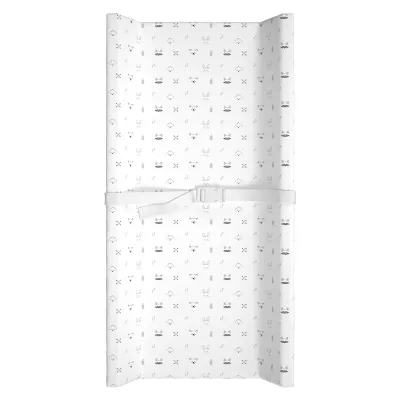
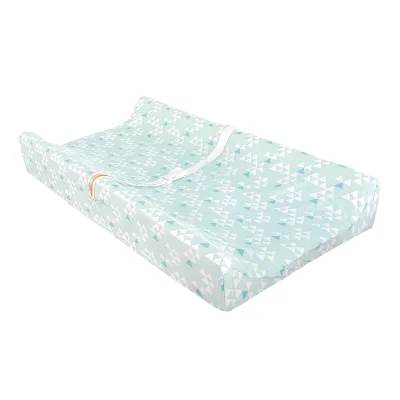
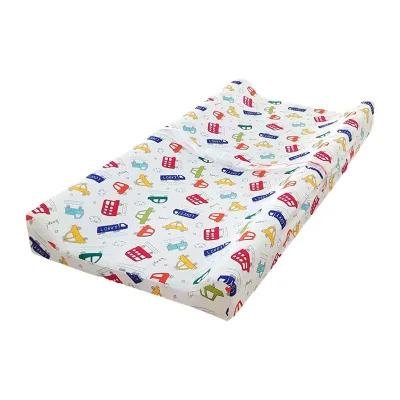
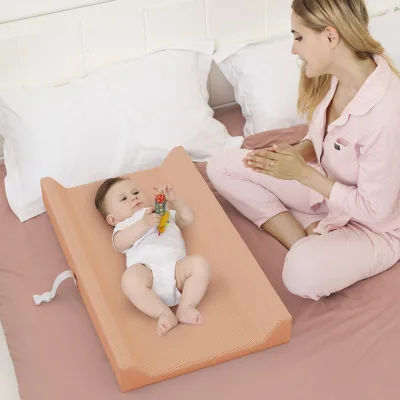
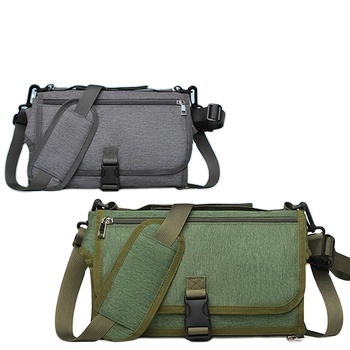
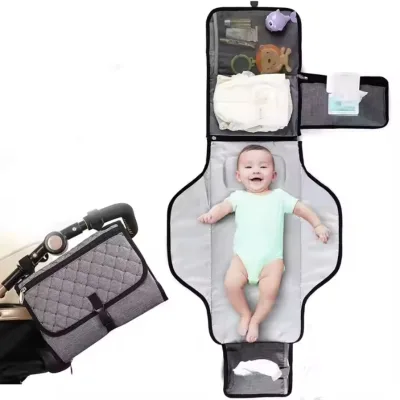
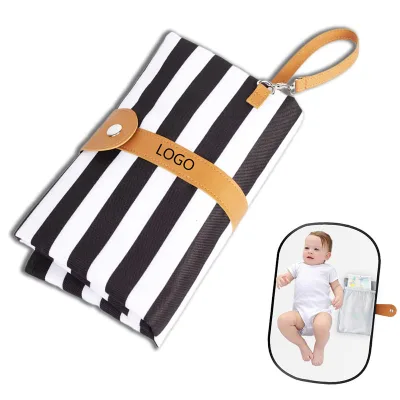
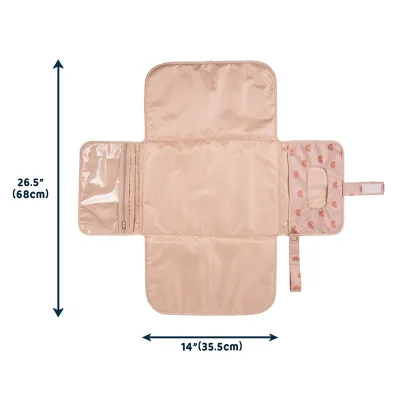
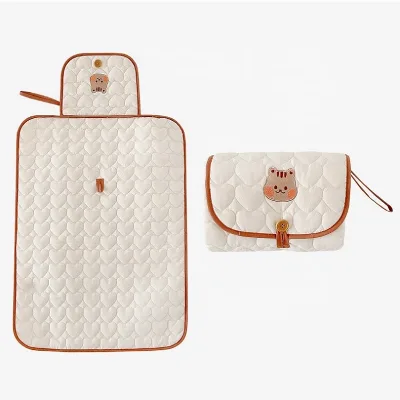
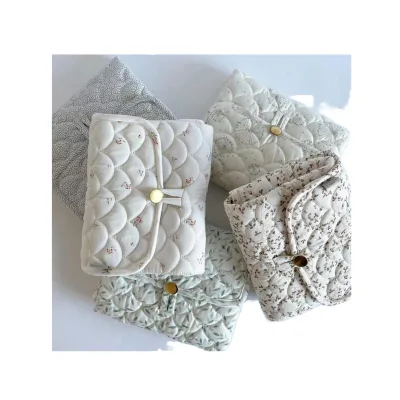
Comprehensive Sourcing Guide
European Style Baby Changing Pad Sourcing Guide
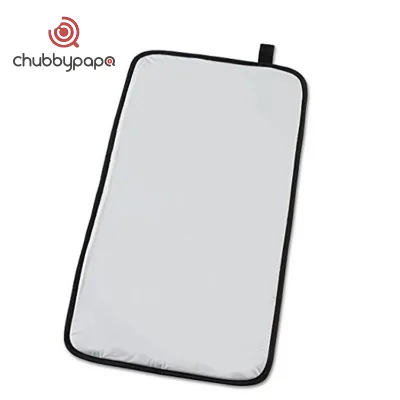
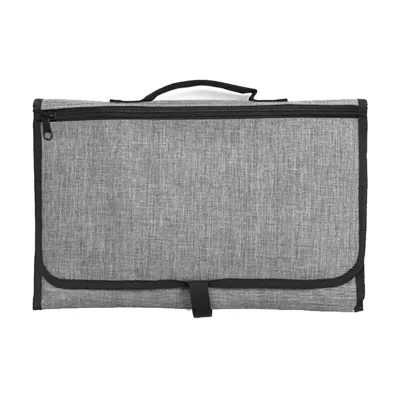
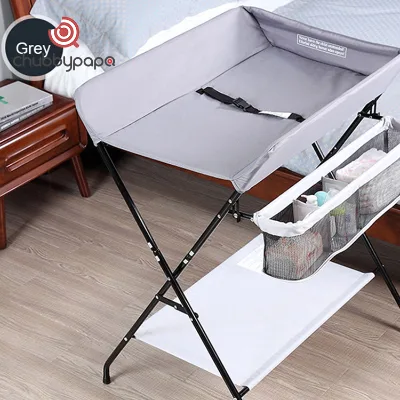
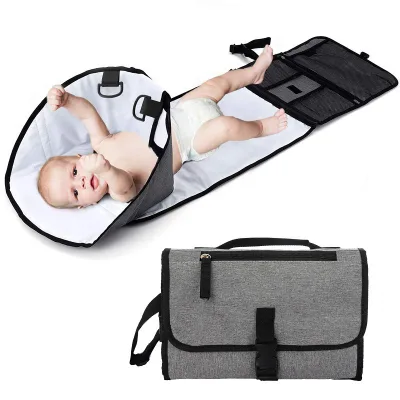
Sourcing European style baby changing pads requires identifying suppliers who balance aesthetic refinement with functional durability for infant care. The observed market data indicates a distinct product category featuring designs labeled as "European Style" alongside "Cartoon" and "Simple" variations, often constructed from materials like polyester or microfiber. Buyers must verify that the specific "Double Shoulder" or "Single Shoulder" bag designs align with the intended portable changing mat application, ensuring the style matches the functional requirement of a bedside organizer or portable pad.
Procurement teams should prioritize suppliers offering customization options for colors and patterns, as the data confirms "Customized Color" and "Print" pattern types are available. The presence of specific model codes like HC-24062512 and OKT161 suggests a diverse inventory where design elements vary significantly between SKUs. It is critical to confirm that the "European Style" designation refers to the visual aesthetic of the fabric or bag structure rather than a specific regulatory standard, ensuring the product meets the visual expectations of the target market while maintaining the necessary waterproof and non-disposable characteristics.
Product Scope and Observed Listing Signals
The product scope for this category encompasses portable changing mats, bedside organizer bags, and diaper changing mattresses, all unified by their suitability for children and unisex usage. Listings frequently highlight features such as "Large Capacity," "Waterproof" surfaces, and "Non-Disposable" construction, which are essential for repeated use in various settings. The observed data shows that items are often packed individually in polybags or cartons, with some options allowing for custom packing solutions to meet specific branding or logistical needs.
Buyers must carefully distinguish between different product types within the listing signals, as some items are explicitly defined as "Baby Nappy Mats" while others are "Bedside Organizer Bags." The availability of "Customization" and "OEM/ODM" acceptance indicates that suppliers can adapt these core products to specific brand requirements. However, the variation in model numbers and standard dimensions, such as 3050cm or 5630cm, necessitates a rigorous review of the physical specifications to ensure the selected item fits the intended usage scenario, whether for travel or stationary home use.
Technical Specifications to Verify
Technical verification must begin with the physical dimensions and weight standards, as the data presents conflicting or varied specifications like 3050cm with 0.65kg weight versus 5630cm dimensions. Buyers should explicitly request the exact folded and unfolded measurements for the specific model number to ensure it meets the spatial requirements of the intended environment. The material composition, identified as either polyester or microfiber, must be confirmed for its specific performance attributes, particularly regarding the waterproof claim and the softness required for direct infant contact.
Further verification is required for the design and structural integrity of the carrying solutions, specifically the "Double Shoulder" or "Hand-Held" configurations. The "Logo Printing" status is noted as "Without Logo Printing" in some instances, yet "Your Brand Logo" is also listed as an option, creating a potential ambiguity that must be resolved before production. Additionally, the "Sample Time" of 5 days or 5-7 days and the "Leadtime" of 35 days are critical operational parameters that must be aligned with the buyer's inventory planning and launch schedules to avoid supply chain disruptions.
Compliance and Safety Documentation
While the supplied facts do not explicitly confirm specific certification statuses like REACH, CE, or OEKO-TEX, buyers must treat these as mandatory verification points for any product intended for infant use. The category knowledge dictates that baby products require rigorous safety testing for chemical content and physical hazards, regardless of the visual style or material type. Procurement teams should demand current test reports from accredited laboratories to validate that the polyester or microfiber materials are free from harmful substances and meet the safety expectations of the target market.
Documentation should also address the "Standard" claims, which in the provided data appear as dimensional specifications rather than safety certifications. Buyers must clarify whether the listed standards refer to manufacturing tolerances or compliance with international safety regulations. It is essential to verify that the "Waterproof" treatment applied to the fabric does not introduce toxic chemicals, and that the "Non-Disposable" nature of the product ensures long-term durability without degradation that could pose a safety risk to the child.
Cost Drivers and Commercial Terms
Cost structures in this category are heavily influenced by the level of customization required, particularly regarding color, logo printing, and packaging. The observed MOQ range of 1 to 1000 units, with specific listings showing 500 PCS or 300 PCS, indicates that economies of scale are significant. Buyers should negotiate based on the specific model complexity, as items with "Custom Packing" or specific "European Style" designs may incur higher tooling or setup costs compared to standard "Cartoon" or "Simple" designs.
Commercial terms must account for the variability in lead times and sample availability, which are listed as 5 days or 5-7 days for samples and 35 days for bulk production. The price range observed from 1.2 to 25.67 USD suggests a wide disparity in value propositions, likely driven by material quality, brand positioning, and order volume. Buyers should structure contracts to include clear penalties for lead time delays and define the cost implications of changing the "Customized Color" or "Pattern Type" after the initial sample approval to prevent budget overruns.
Supplier Qualification and Quality Control
Supplier qualification should focus on their ability to manage the "Customization" and "OEM/ODM" processes effectively, as the data confirms these services are available but require precise execution. Buyers must assess the supplier's facility in Fuzhou, China, for its capacity to handle the specific "Double Shoulder" or "Single Shoulder" bag constructions and ensure consistent quality across the "All Seasons" product line. The presence of multiple model numbers suggests a robust production line, but verification of their quality control protocols for stitching, material bonding, and waterproofing is essential.
Quality control checks must include a rigorous inspection of the "Product Name" accuracy and the physical attributes of the "Baby Portable Changing Pad." Inspectors should verify that the "Polyester" or "Microfiber" material matches the sample and that the "Waterproof" feature performs under stress. Given the "Without Logo Printing" and "Your Brand Logo" variations, a dedicated check for branding accuracy and placement is necessary to ensure the final product meets the brand's visual identity standards before shipment.
Long-Term Procurement Checks
Long-term procurement success depends on establishing a reliable relationship with suppliers who can maintain consistent quality and lead times over multiple production cycles. Buyers should monitor the supplier's ability to adhere to the 35-day lead time and the 5-day sample turnaround consistently, as these metrics are critical for maintaining inventory flow. Regular audits of the production process in Fuzhou will help ensure that the "Customized Color" and "Pattern Type" remain consistent with the approved samples, preventing drift in product quality over time.
Continuous improvement initiatives should focus on optimizing the "Packing" methods, which currently range from "1PC/Polybag" to "Carton" and "Custom Packing." Evaluating the efficiency of these packing solutions can reduce shipping costs and minimize damage during transit. Additionally, buyers should periodically review the product specifications to ensure they remain competitive and safe, adapting to any new market trends or regulatory changes that may affect the "European Style" baby changing pad category.
FAQs
What materials are used for european style baby changing pads?
Manufacturers typically use polyester or microfiber for these pads. Polyester offers durability and easy cleaning, while microfiber provides a soft surface for the baby. Both materials are selected for their ability to withstand repeated washing and maintain structural integrity over time.
Can I customize the color of the changing pad?
Yes, customized colors are available for most orders. Buyers can select specific shades to match nursery themes or brand identities. This customization option allows for distinct product differentiation and ensures the final item aligns with specific aesthetic requirements for retail or promotional use.
What is the typical lead time for production?
The standard lead time is approximately 35 days after order confirmation. This duration covers material sourcing, manufacturing, quality control, and packaging preparation. Buyers should account for this timeline when planning inventory replenishment to ensure timely delivery for seasonal demands or specific market launches.
Is the changing pad waterproof and reusable?
Yes, the product is designed to be waterproof and non-disposable. This feature ensures that spills are contained and the pad remains hygienic. The reusable nature makes it cost-effective for long-term use, reducing waste compared to single-use alternatives while maintaining safety and comfort standards.
What is the minimum order quantity for customization?
The minimum order quantity is generally 300 to 500 pieces. This threshold allows for efficient production runs while accommodating custom branding or packaging requests. Buyers seeking smaller quantities may need to check specific supplier policies, but standard OEM orders typically adhere to these baseline volume requirements.
How are the pads packaged for shipping?
Pads are packaged in polybags or color boxes, with options for custom packing. Bulk shipments may use cartons for efficiency. This flexible packaging approach protects the product during transit and allows buyers to choose retail-ready options or cost-effective bulk solutions based on their distribution needs.