Source European Style Door Cylinder Lock for Home, Hotel, Office
Find 30 European Style Door Cylinder Lock options from Chinese manufacturers. Buyers can compare brass materials, pin counts, and customization features for residential or commercial building applications.
Key considerations
Products List


European Style Cylinder with Keys High Security Door Cylinder Lock for Bathroom
$0.50 - $1.00
MOQ: 1000 Pieces


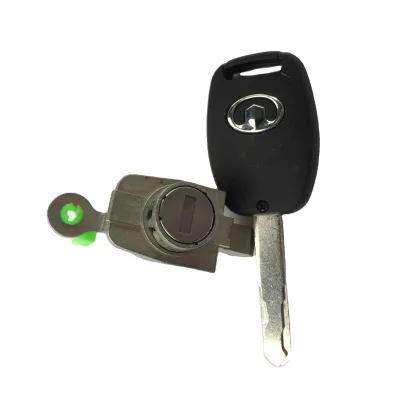
Copper Single Open Lock Door Cylinder Lock Cylinder Lock Door Locks Cylinder
$0.50 - $1.00
MOQ: 1000 Pieces

Comprehensive Sourcing Guide
Strategic Sourcing Guide for European Style Door Cylinder Locks
Understanding the Core Product Architecture
The European Style Door Cylinder Lock represents a distinct category within the global hardware market, characterized by its specific geometric profile and functional integration. Unlike the American screw style or other regional variants, the European configuration is defined by a standardized shape designed to fit mortise door locks, particularly in residential and commercial buildings across Europe and regions adopting similar standards. The core component is the key cylinder, which operates as a pin tumbler mechanism. In the observed product data, the housing is consistently constructed from brass, a material selected for its durability, corrosion resistance, and machinability. This brass construction forms the primary body of the lock, ensuring structural integrity against forced entry attempts while maintaining a sleek aesthetic suitable for modern door designs.
The internal architecture of these cylinders relies heavily on the pin system. Available configurations include 5, 6, 7, 10, and 12-pin options, allowing for varying levels of security complexity. The standard pin count often observed is five, but higher pin counts provide increased resistance to picking and bumping techniques. The cylinder operates via a cam mechanism, with degree options typically available at 0 or 30 degrees. This cam angle dictates the rotation required to actuate the bolt, a critical specification for compatibility with the specific door latch or deadbolt mechanism. The backset, or the distance from the edge of the door to the center of the cylinder, is frequently standardized at 60mm, a dimension that must be verified against the door preparation to ensure a proper fit.
Technical Specifications and Dimensional Compatibility
When sourcing these locks, precise dimensional verification is paramount to prevent installation failures. The primary specification governing the physical fit is the door thickness. For the European style cylinder, the observed door thickness range is typically 35-50mm. However, some product listings indicate a "Customized" door thickness fit, suggesting that suppliers may offer extended or reduced lengths to accommodate non-standard door profiles. Buyers must explicitly confirm the required length before placing an order, as a mismatch can result in the cylinder protruding or failing to engage the lock body.
The keyway is another critical technical variable. While standard keyways exist, the ability to customize the keyway is a high-value feature for this product category. Options include Schlage, Computer, and other proprietary keyways, with the capability to be customized to specific requirements. This flexibility is essential for projects requiring master key systems or specific security protocols. The key type itself can be a double-row anti-dialing key, which adds a layer of mechanical security by preventing the key from being manipulated to bypass the locking mechanism. The product model numbers, such as CL001, CL002, CL003, CL111, and CL116, serve as identifiers for these variations, though the specific technical differences between these models should be confirmed with the supplier rather than assumed based on the number alone.
Compliance, Standards, and Security Ratings
Compliance with international standards is a non-negotiable aspect of sourcing high-quality door hardware. The European style cylinder is often associated with the BS EN 1303 standard, which defines the requirements for cylinder locks. This standard covers mechanical performance, durability, and resistance to manipulation. When evaluating potential suppliers, buyers should request documentation proving adherence to BS EN 1303 or equivalent national standards. The observed data also references an "Anti-theft Standard: A," which indicates a baseline level of security performance, though the specific metrics of this rating should be clarified.
Certification status is another area requiring careful verification. While some background information mentions CE certification, this should not be assumed as a universal attribute of all listed products. Buyers must treat certification claims as observations that require validation for each specific batch or model. The product standard field often lists "Refer to requirement" or "Refer to Sample," indicating that compliance is project-specific. For commercial applications, the standard may need to align with local building codes or specific security mandates. The finish process, described as "Snp" or "Coloring," and the surface treatment by order, also play a role in compliance, particularly regarding environmental regulations and material safety in the destination market.
Cost Drivers and Pricing Dynamics
The pricing structure for European style door cylinders is influenced by several variable factors, resulting in a wide observed range from $0.10 to $11.97 USD. This significant variance is not merely a reflection of brand premiums but is driven by specific customization choices and order volumes. The minimum order quantity (MOQ) ranges from 1 to 3,000 units, indicating that the unit price is highly sensitive to volume. Smaller orders, often at the lower end of the MOQ spectrum, will naturally carry a higher per-unit cost due to the fixed costs of setup and logistics. Conversely, bulk orders approaching the 3,000-unit threshold can leverage economies of scale to achieve the lower price points.
Material composition is a primary cost driver. The use of brass for the housing is standard, but the grade of brass and the presence of additional internal components, such as higher pin counts or specialized keyways, will increase the manufacturing cost. Customization options, including logo stamping or laser engraving, add processing steps that affect the final price. The packing method also influences cost; options range from bulk packing to plastic bag plus white box, or even plastic bag plus white box plus carton. More elaborate packaging provides better protection during transit but incurs higher material and labor costs. Buyers should request a detailed breakdown of costs to understand how specific features, such as the 30-degree cam start angle or specific keyway types, impact the total landed cost.
Supplier Evaluation and Customization Capabilities
Evaluating suppliers for European style door cylinders requires a focus on their customization capabilities and production transparency. The product data indicates that customization is available, covering aspects such as keyway design, pin configuration, and packing methods. A reliable supplier will demonstrate flexibility in accommodating these requests without compromising the structural integrity of the lock. The origin of the products is listed as China, with specific mentions of Jiangmen as a production hub. While this provides a geographical context, buyers should verify the specific factory location and capacity to ensure it aligns with their supply chain requirements.
The supplier's ability to provide samples is crucial for quality verification. Since standards often reference "Actual Products" or "Samples," the ability to evaluate a physical unit before committing to a large order is essential. Suppliers should be willing to provide samples that match the specific model numbers (e.g., CL001, CL116) and configurations required. Furthermore, the supplier should be transparent about their production process, including the finish treatments and surface treatments applied to the brass housing. The availability of different key functions, such as master key systems, also indicates the supplier's technical proficiency in complex lock mechanisms. Buyers should prioritize suppliers who can provide clear documentation on their customization process and quality control measures.
Quality Control and Long-Term Procurement Strategy
Implementing a robust quality control (QC) strategy is vital for ensuring the longevity and reliability of the sourced door cylinders. Given the wide range of observed specifications, a standardized QC protocol must be applied to every shipment. This includes verifying the brass housing for defects, checking the pin count and alignment, and testing the cam rotation angles. The finish, whether "Snp" or "Coloring," must be inspected for consistency and adhesion to prevent corrosion over time. For products with a "Customized" door thickness fit, dimensional accuracy is the primary QC focus to ensure the cylinder fits the door frame perfectly.
Long-term procurement considerations involve building a relationship with suppliers who can maintain consistency across multiple orders. The variability in product standards, such as "Refer to requirement" or "Refer to Sample," suggests that each order might have unique specifications. A strategic approach involves establishing a master agreement that defines the baseline quality standards while allowing for specific project variations. Buyers should also consider the lead times associated with customization. While the data does not specify exact lead times, the complexity of custom keyways and packing methods implies that these orders may require more time than standard stock items. Planning for these potential delays is essential for project timelines.
Application Scenarios and Market Fit
The European Style Door Cylinder Lock is versatile, finding application in both residential and commercial building environments. The product data explicitly lists usage for household door locks, bedrooms, and general residential or commercial buildings. The specific features, such as the mortise door lock shape and the 60mm backset, make it particularly suitable for modern doors that require a sleek, integrated look. The availability of different key functions, including normal, bathroom, and emergency options, expands its utility to various room types within a building.
In commercial settings, the ability to customize the keyway and implement master key systems is a significant advantage. This allows building managers to control access across multiple doors with a single key hierarchy. The anti-theft standard and the robust brass construction provide the necessary security for high-traffic areas. However, buyers must ensure that the specific model selected meets the security requirements of the intended application. For instance, a high-security commercial building may require the 12-pin configuration and double-row anti-dialing keys, whereas a standard residential application might be adequately served by the 5-pin standard. Understanding the specific security needs of the end-user is crucial for selecting the right product from the available range.
Comparative Analysis of Product Variants
To assist in decision-making, the following table summarizes the key variations observed in the European Style Door Cylinder Lock market based on the provided data. This comparison highlights the differences in specifications, standards, and customization options that buyers should consider.
| Feature | Variant A (Standard) | Variant B (Customized) | Variant C (High Security) |
|---|---|---|---|
| Material | Brass | Brass | Brass |
| Pin Count | 5 Pin | 5, 6, 7, 10, 12 Pin | 10, 12 Pin |
| Door Thickness | 35-50mm | Customized | Customized |
| Keyway | Standard | Schlage, Computer, Custom | Double Row Anti-Dialing |
| Cam Angle | 0 or 30 Degree | 30 Degree | 0 or 30 Degree |
| Standard | BS EN 1303 | Refer to Requirement | Refer to Sample |
| Packing | Bulk or Carton | Plastic Bag + White Box | Plastic Bag + White Box + Carton |
| Model ID | CL001, CL002 | CL003, CL111 | CL116 |
| Finish | Snp | By Order | Coloring |
This table illustrates that while the core material and style remain consistent, the functional capabilities vary significantly. Buyers should use this framework to match their specific project requirements with the appropriate variant, ensuring that the selected lock meets both the physical and security demands of the installation. By carefully evaluating these factors, procurement professionals can secure high-quality European style door cylinders that deliver reliable performance and long-term value.
FAQs
What material is used for the housing of these locks?
The housing is constructed from brass to ensure durability and corrosion resistance. This material provides structural integrity against forced entry while maintaining a sleek aesthetic suitable for modern door designs in residential and commercial buildings.
Which pin configurations are available for the key cylinder?
Available configurations include 5, 6, 7, 10, and 12-pin options to vary security complexity. While five pins are standard, higher pin counts offer increased resistance to picking and bumping techniques for enhanced security needs.
How does the backset dimension affect door compatibility?
The backset is frequently standardized at 60mm, which is the distance from the door edge to the cylinder center. This dimension must be verified against the door preparation to ensure the cylinder fits the mortise lock body correctly.
Can the keyway be customized for specific security requirements?
Yes, the keyway can be customized to specific requirements including Schlage, Computer, and other proprietary types. This flexibility is essential for projects requiring master key systems or specific security protocols beyond standard configurations.
What is the typical door thickness range for these cylinders?
The typical door thickness range is 35 to 50mm for standard European style cylinders. Some listings indicate a customized door thickness fit, so buyers must explicitly confirm the required length to prevent installation failures.
Which standards apply to the anti-theft performance of the lock?
The locks are often associated with the BS EN 1303 standard for mechanical performance and durability. An Anti-theft Standard A rating indicates a baseline security level, though specific metrics should be clarified with the supplier.