Source EV Car for Passenger Transport, Delivery, and City Commuting
Compare 30 verified EV Car listings with varying specifications like 72V voltage, 150-170km range, and different braking systems. Buyers can evaluate models from Jiangsu and Fujian for passenger or delivery applications.
Key considerations
Products List

SUV Electric Carelectric Car Electric Car SUV Electric Car Low Speed Cars
$4080.00 - $4300.00
MOQ: 4 Pieces

New Type Close Suitable Style 170km Mileage Long Range Electric Car for Daily Life
$4380.00 - $4700.00
MOQ: 5 Pieces


$1700.00 - $1800.00
MOQ: 1 Pieces


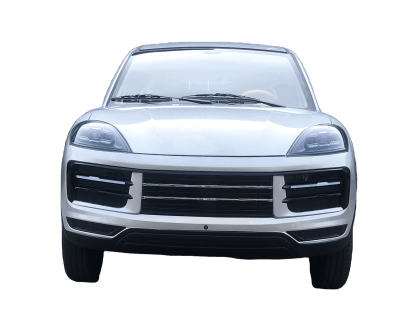

2021 Electric Vehicle Used EV SUV New Energry Electricial Car
$42800.00 - $45800.00
MOQ: 1 Pieces
Chengdu Himore Zhonghuan Automobile Exports Trading Co., Ltd.


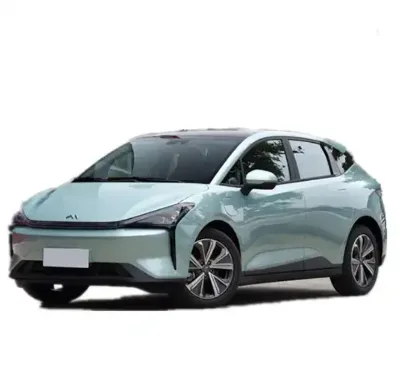


Electric Vehicles High Speed EV Car Family Car Electric Cars Adults Vehicle
$12000.00 - $20000.00
MOQ: 1 Sets


Energy Electric Vehicle Motors Car Automobile Cars Made in China Car SUV Electric
$12000.00 - $20000.00
MOQ: 1 Sets


Electric Super Car EV Vehicles EV Cars Made in China High Speed Electric Cars
$29300.00 - $29500.00
MOQ: 1 Pieces
Comprehensive Sourcing Guide
Strategic Sourcing Guide for Electric Vehicle Procurement
Understanding the Technical Landscape of Low-Speed Electric Vehicles
The procurement of electric vehicles (EVs) in the current B2B market requires a nuanced understanding of the diverse product categories available, particularly within the low-speed segment. Buyers must distinguish between passenger-grade electric cars designed for urban mobility and specialized industrial applications. The observed market data indicates a significant presence of vehicles categorized as "Electric Car Low Speed Cars," which often feature specific technical constraints and capabilities. These units typically operate with a maximum speed ranging between 30 km/h and 42 km/h, making them suitable for controlled environments such as gated communities, industrial parks, or short-distance urban logistics rather than high-speed public highways.
Powertrain specifications are a primary differentiator in this sector. Listings reveal that many units in this category are equipped with power outputs exceeding 800W, with some models reaching 1200W. This power range is critical for determining the vehicle's ability to handle gradients and payload requirements. The propulsion system is predominantly rear-wheel drive, a configuration that offers specific traction benefits for light utility vehicles. Furthermore, the battery architecture is a key technical consideration; the supply chain frequently features 72V systems paired with capacities such as 100Ah, utilizing lead-acid battery technology. While lead-acid batteries are cost-effective, buyers must evaluate their lifecycle and maintenance requirements compared to emerging lithium-ion alternatives. The driving range for these specific configurations is observed to fall between 150 km and 170 km on a single charge, which dictates the operational radius for fleet deployments.
Compliance, Certification, and Regulatory Standards
Navigating the regulatory landscape is perhaps the most critical step in sourcing electric vehicles for commercial use. In the Chinese manufacturing sector, which serves as a primary origin for these products, compliance is often marked by specific certification marks. The presence of CCC (China Compulsory Certification) is a frequent attribute observed in the product listings, indicating that the vehicles meet mandatory national safety and quality standards for the domestic market. Some listings also reference CE certification, which is essential for buyers intending to import these vehicles into European markets or regions requiring conformity with European health, safety, and environmental protection standards.
Beyond certifications, physical and dimensional standards play a vital role in regulatory compliance and logistics planning. The product standards observed in the market vary significantly based on the vehicle model and intended use. For instance, specific low-speed electric cars adhere to dimensions such as 3027 mm in length, 1517 mm in width, and 1620 mm in height, while other models may reach 3500 mm in length with a width of 1540 mm. These dimensions directly impact parking requirements, garage fitment, and transport logistics. Buyers must verify that the specific model's standard dimensions align with local infrastructure constraints. Additionally, the "CBU" (Completely Built Unit) packing method suggests that the vehicles arrive fully assembled, which simplifies the import process but requires careful inspection of the final assembly quality upon arrival.
Cost Drivers and Pricing Structures
The pricing structure for electric vehicles in this segment exhibits a wide variance, reflecting the diversity of specifications, battery capacities, and customization levels. The observed price range spans from approximately 7 USD to 200,000 USD. This extreme range indicates that the market includes both basic, entry-level utility vehicles and highly specialized, high-capacity units or complete fleet packages. The lower end of the spectrum likely corresponds to minimal configurations with basic lead-acid batteries and standard features, while the upper end may involve advanced models with larger battery capacities, custom body styles, or bulk procurement deals.
Several factors drive these cost variations. The battery capacity is a primary cost driver; a 72V 100Ah battery system represents a significant portion of the total vehicle cost. Customization options, such as specific body colors, interior configurations, or specialized branding, also add to the base price. Furthermore, the "Customization: Available" attribute suggests that buyers can tailor vehicles to specific operational needs, which inevitably influences the final unit cost. Buyers should also consider the Minimum Order Quantity (MOQ), which ranges from 1 to 100 units. Ordering in larger quantities often allows for negotiation on unit pricing, potentially moving the cost closer to the lower end of the observed spectrum. However, the total cost of ownership must also factor in the lead time and shipping costs, especially for CBU units that require specialized transport.
Typical Applications and Operational Use Cases
The versatility of low-speed electric vehicles allows them to serve a wide array of applications, from passenger transport to industrial utility. The "Usage: Passenger" attribute confirms their suitability for transporting people in controlled environments. Specific models are designed with a "Body Type: Closed" configuration, offering protection from the elements for drivers and passengers. This makes them ideal for security patrols, golf course transport, or residential community shuttles. The "Seat No.: Type:PHEV" and "Seats: Steering:Left" attributes indicate that some models are configured for specific seating arrangements and driving positions, catering to regional driving norms.
In addition to passenger transport, these vehicles find application in industrial settings. The presence of "Application: Motorcycle Parts" and "Manufacture: Die Casting Machine" in the product attributes suggests that the supply chain also supports the manufacturing of components or specialized vehicles for industrial machinery. For logistics, the "Driving Range: 150-170km" is sufficient for intra-facility movement, reducing the need for frequent recharging during a standard shift. The "Fuel: 100% Electric" specification ensures zero emissions, which is a significant advantage for indoor or enclosed facility operations where air quality is a concern. The "Brake Type: Front: Disc/Rear:Drum" and "Braking Method: Hydraulic Disc Brake" options provide varying levels of stopping power, allowing buyers to select the appropriate braking system based on the vehicle's weight and intended speed.
Supplier Evaluation and Manufacturing Capabilities
When evaluating suppliers in the electric vehicle sector, buyers must look beyond the product listing and assess the underlying manufacturing capabilities. The "prod_origin" field indicates that products originate from specific regions in China, such as Jiangsu and Fujian. These regions are known for their robust manufacturing ecosystems, particularly in the automotive and machinery sectors. The presence of "Process: CNC" and "Surface Treatment: Polishing" in the product attributes suggests that the suppliers utilize advanced machining and finishing techniques, which are indicative of higher quality control standards.
Buyers should verify the supplier's ability to handle "Customization" requests, as this is a common requirement for B2B clients. The availability of "Color: Customized" options implies that suppliers have the flexibility to modify exterior finishes to match corporate branding. Additionally, the "Condition: New" attribute confirms that the products are not refurbished, which is crucial for warranty and reliability expectations. The "Gearbox: Automatic" feature simplifies operation, making the vehicles accessible to a wider range of drivers. When assessing suppliers, it is essential to confirm their capacity to meet the "MOQ" requirements and their ability to provide "Wooden Packaging" or "Iron Frame Package" solutions to ensure safe transit of the vehicles.
Quality Control and Long-Term Procurement Considerations
Ensuring long-term reliability requires a rigorous quality control strategy. The "Tire: 155/65 R13" specification is a standard detail that buyers should verify for compatibility with local road conditions. The "Wheel Distance: >1110mm" dimension affects the vehicle's stability and handling, particularly when carrying loads. Buyers should request test results or quality assurance documentation to validate the performance claims regarding the "Max Speed" and "Driving Range." While the observed data provides ranges, actual performance can vary based on terrain, temperature, and battery age.
For long-term procurement, the maintenance of the battery system is a critical consideration. With "Lead-Acid Battery" being a common type, buyers must plan for periodic replacement and maintenance. The "Electromagnetic" braking system and "Hydraulic Disc Brake" options offer different maintenance profiles, and buyers should consult with technical experts to determine the most suitable system for their operational environment. The "Standard" dimensions and "Packing" methods also play a role in long-term logistics; ensuring that the vehicles can be stored and transported efficiently will reduce overhead costs. Finally, buyers should maintain open communication with suppliers regarding updates to "Certification" standards, as regulatory requirements can evolve, impacting the compliance status of the fleet. By focusing on these technical and operational details, buyers can build a resilient and efficient electric vehicle fleet tailored to their specific needs.
FAQs
What certifications do these low-speed electric cars have?
The products commonly hold CCC certification, and some listings also include CE certification. These marks indicate compliance with mandatory national safety standards in China and conformity with European health and safety requirements for import.
How much power do the electric motors produce?
Most units feature power outputs exceeding 800W, with specific models reaching up to 1200W. This power range supports handling gradients and payload requirements for light utility vehicles in controlled environments.
What is the maximum speed of these vehicles?
The maximum speed typically ranges between 30 km/h and 42 km/h depending on the model. These speeds are suitable for gated communities, industrial parks, or short-distance urban logistics rather than high-speed highways.
Can buyers customize the vehicle color and features?
Yes, customization is available for features like color and interior configurations to match corporate branding. Buyers can tailor vehicles to specific operational needs, which may influence the final unit cost and lead time.
What battery capacity and type are used in these cars?
The vehicles frequently utilize 72V systems with capacities such as 100Ah using lead-acid battery technology. This configuration provides a driving range of 150 to 170 km on a single charge for intra-facility movement.
Where are these electric cars manufactured?
Products originate from specific regions in China, including Jiangsu and Fujian provinces. These areas are known for robust manufacturing ecosystems in the automotive and machinery sectors, supporting advanced production techniques.
What is the minimum order quantity for purchasing?
The minimum order quantity ranges from 1 to 100 units depending on the supplier and model. Ordering in larger quantities often allows for negotiation on unit pricing and may affect the total cost of ownership.