Source European Wood Burning Fireplace for Hotels, Homes, and Outdoors
Compare 30 European Wood Burning Fireplace options from verified manufacturers. Browse models featuring adjustable thermostats, overheating protection, and CE certification suitable for indoor and outdoor applications. These units offer high efficiency, easy operation, and customizable designs for various settings including hotels and residential spaces.
Updated
Key considerations
Products List

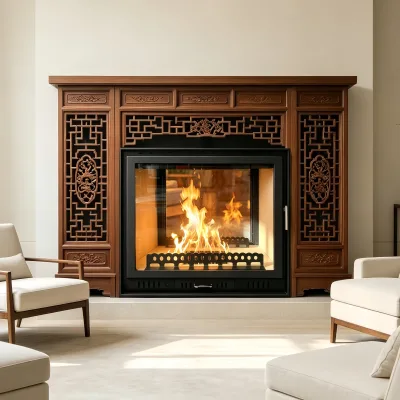
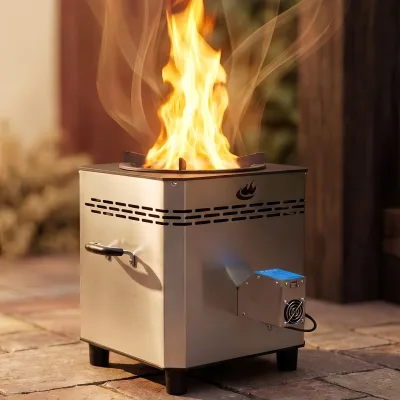
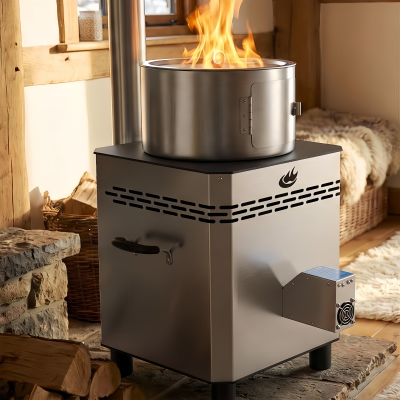
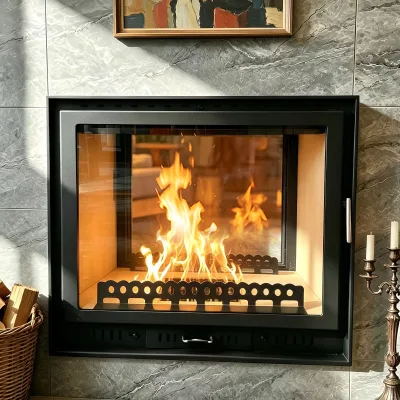
Europe Hot Sale Wood-Burning Fireplace Wood Burning Stoves Fireplaces
$650.00 - $1300.00
MOQ: 1 Pieces

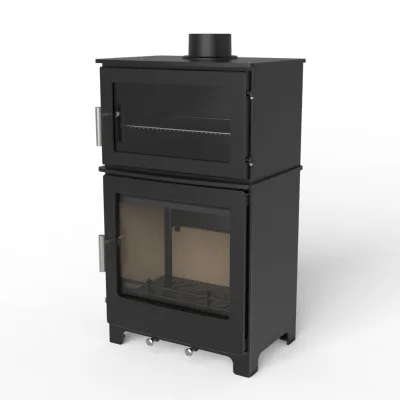
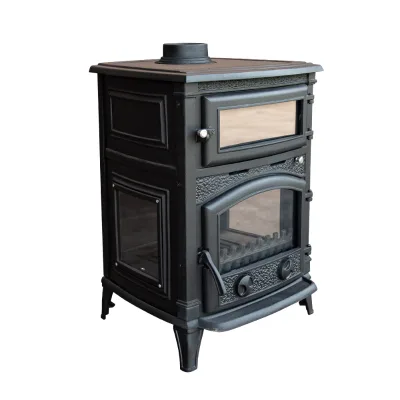


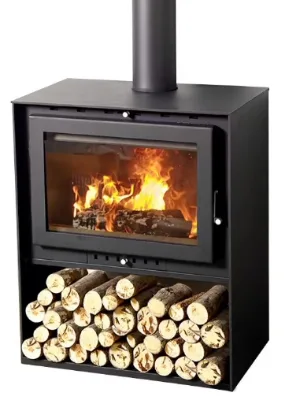
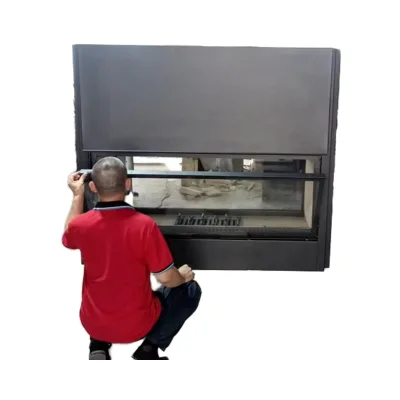
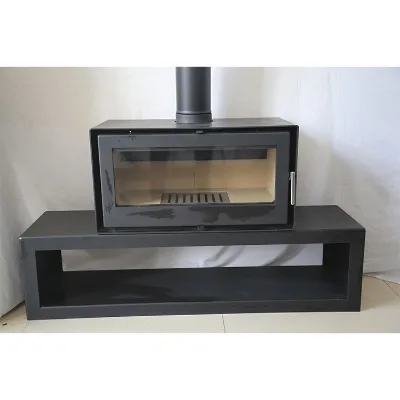
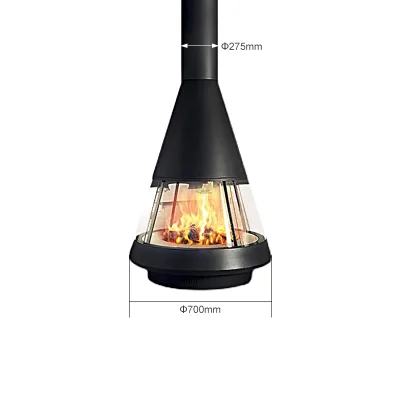
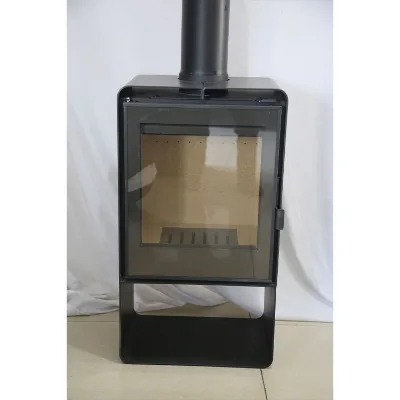

Hot Sell Real Fire Europe Fashion Wood Burning Fireplace with High Efficiency
$238.00 - $288.00
MOQ: 10 Pieces

Classic Indoor Small European Home Stay Heater Wood Burning Fireplace
$238.00 - $288.00
MOQ: 10 Pieces


Modern Real Fire Wood-Burning Fireplace for Indoor Heating Water Heater Stove
$238.00 - $288.00
MOQ: 10 Pieces
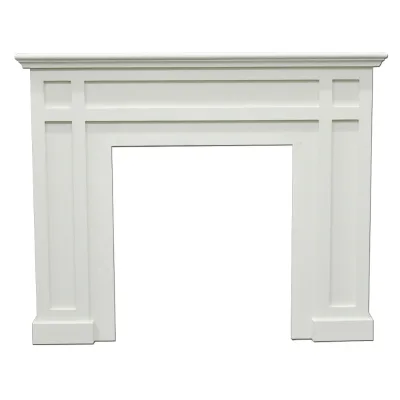
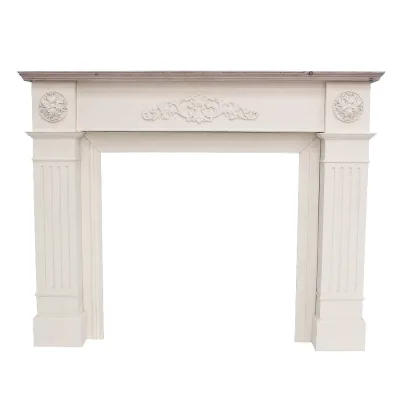
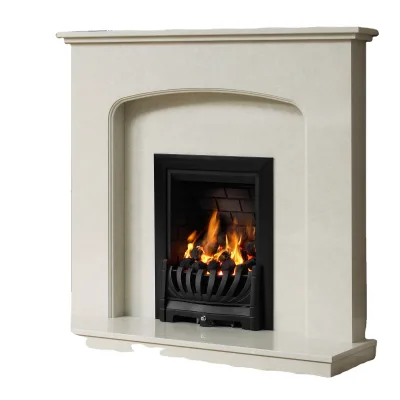
Superior Wooden Burn Roman Large Fireplace , White Wooden Burn Fire Place
$290.00 - $2000.00
MOQ: 1 Minimum
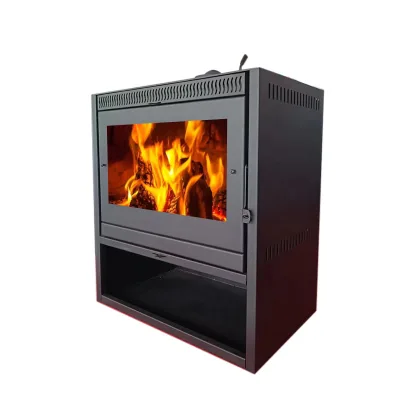
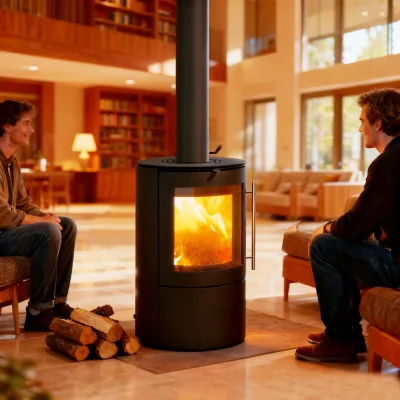
Comprehensive Sourcing Guide
European Wood Burning Fireplace Sourcing Guide
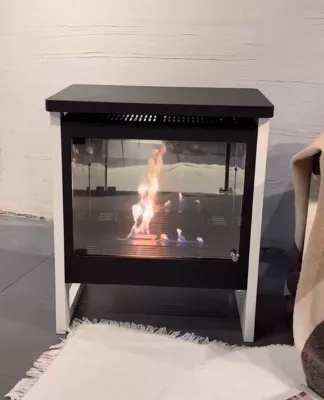
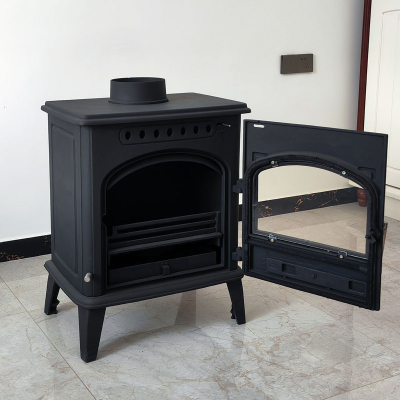
Procuring a European-style wood burning fireplace requires careful alignment of aesthetic preferences with technical performance metrics. Buyers must distinguish between traditional country styles and modern contemporary designs, as these variations significantly impact installation requirements and fuel efficiency. The observed market includes freestanding units constructed from metal or mild steel, offering distinct visual profiles that suit both indoor residential spaces and specific outdoor hotel applications. Understanding these stylistic differences is the first step in defining a precise procurement specification that meets end-user expectations for warmth and ambiance.
Technical verification is critical when sourcing these heating appliances, as specifications vary widely across different models. Key attributes such as heat output, flue diameter, and overall dimensions must be cross-referenced with existing chimney infrastructure to ensure compatibility. Buyers should prioritize units featuring adjustable thermostats and overheating protection mechanisms to enhance operational safety and user control. Additionally, confirming the working time and customization options allows for tailored solutions that integrate seamlessly into diverse architectural environments, ensuring both functional reliability and aesthetic cohesion in the final installation.
Product Scope and Observed Listing Signals
The current market landscape for wood burning fireplaces presents a diverse range of options, with observed prices spanning from approximately $51.15 to $5,315 USD. This wide variance reflects differences in material quality, brand reputation, and included features such as remote control capabilities or advanced insulation. Most listings indicate a minimum order quantity of one piece, facilitating flexible procurement for individual projects or small-scale renovations. Buyers should note that while some units are marketed as affordable, the final cost may increase based on specific customization requests or packaging requirements, such as wooden cases for secure transport.
Listing signals also reveal important operational characteristics, including the absence of remote controls in many standard models and the prevalence of manual adjustable thermostats. The primary function remains warming the immediate environment, with an emphasis on high efficiency and ease of operation. Suppliers often highlight their status as manufacturers rather than traders, which can imply better direct support and customization potential. However, buyers must verify these claims independently, as the presence of certain attributes like online technical support or specific warranty periods can vary significantly between different product SKUs and supplier profiles.
Technical Specifications to Verify
Dimensional accuracy is paramount when selecting a wood burning fireplace, as units vary from compact models measuring 470W300D990H to larger contemporary designs reaching 705W740D805mm. Buyers must carefully compare these external dimensions against available floor space and clearance requirements to ensure safe installation. Weight is another critical factor, with single gross weights ranging from 98 kg to 142 kg or more, impacting both floor load capacity and logistics handling. Verifying the single package size, which can range from 59x46x68 cm to 78x64x65 cm, is essential for planning warehouse storage and final delivery routes to the installation site.
Flue and ventilation specifications require precise attention to detail to ensure proper exhaust management and combustion efficiency. Observed flue diameters include 127mm and 150mm outlets, which must match the existing chimney or flue system of the building. Heat output capabilities, such as the 8.4KW rating noted in some models, should be calculated against the room volume to determine adequate heating performance. Additionally, confirming the model numbers, such as ST-650 or Z0819, allows buyers to access specific technical datasheets and ensure that all mechanical components, including the stove type and material construction, meet the project’s structural and thermal requirements.
Compliance and Safety Documentation
Certification status is a non-negotiable aspect of sourcing wood burning fireplaces for the European market, with CE marking being a primary indicator of conformity with health, safety, and environmental protection standards. Buyers must request valid CE certificates and verify that they correspond to the specific model numbers being purchased, as certifications are often model-specific rather than brand-wide. The presence of GS certification in some listings suggests additional safety testing, but buyers should confirm the issuing body and the scope of the certification to ensure it meets local regulatory requirements in the destination country.
Safety features such as overheating protection and adjustable thermostats are critical for mitigating fire risks and ensuring stable operation. Buyers should verify that these features are integrated into the design and function as intended, rather than relying solely on marketing claims. Additionally, confirming the warranty period, typically one year for many units, provides a baseline for after-sales support and liability coverage. It is advisable to request detailed installation manuals and maintenance guidelines to ensure that end-users can operate the fireplace safely, minimizing the risk of accidents or premature component failure due to improper use.
Cost Drivers and Commercial Terms
Shipping and logistics costs significantly influence the total landed cost of wood burning fireplaces, with sea freight being a common method for bulk orders. Buyers should account for the substantial weight and bulky packaging of these items, which can increase freight charges and require specialized handling equipment. The use of wooden cases for packing adds protection but also increases volumetric weight, impacting shipping quotes. Understanding the Incoterms and responsibility for customs clearance is essential to avoid unexpected delays or additional fees at the destination port, ensuring a smooth supply chain from the manufacturer in China to the final installation site.
Commercial terms such as payment structure and lead times must be clearly defined in the purchase agreement to mitigate financial risk. While minimum order quantities are often low, larger orders may qualify for volume discounts or preferential shipping rates. Buyers should negotiate clear delivery schedules, considering that manufacturing and shipping can take several weeks. Additionally, clarifying the scope of after-sales service, including online technical support, helps define the support structure in case of installation issues or defects. Transparent communication regarding these terms ensures that the procurement process remains predictable and aligned with project timelines and budget constraints.
Supplier Qualification and Quality Control
Verifying the supplier’s business type and manufacturing capabilities is crucial for ensuring product consistency and reliability. Many suppliers identify as manufacturers, which can offer advantages in terms of customization and direct quality control, but buyers should request evidence of factory audits or production capacity assessments. The location of origin, such as Xingtai City or Jiangsu Province, provides context for the supply chain but does not guarantee quality. Buyers should conduct due diligence on the supplier’s reputation, including checking for past client references or third-party verification reports, to assess their ability to meet specific procurement requirements and deliver on time.
Quality control processes should be established before production begins, with clear specifications for materials, dimensions, and finish quality. The use of mild steel or metal construction should be verified through material certificates or sample inspections. Buyers should define acceptance criteria for surface finishes, such as matte black or other color options, to ensure aesthetic consistency across units. Implementing pre-shipment inspections can help identify defects early, reducing the risk of receiving non-conforming goods. Establishing a robust quality control framework protects the buyer’s investment and ensures that the final product meets the expected standards for durability and performance.
Long-Term Procurement Checks
Establishing a reliable after-sales support structure is essential for the long-term success of wood burning fireplace installations. Buyers should confirm the availability of spare parts and the responsiveness of technical support teams to address any operational issues that may arise. The one-year warranty period provides initial coverage, but buyers should explore options for extended warranty services or maintenance contracts to ensure ongoing reliability. Clear communication channels with the supplier facilitate quick resolution of problems, minimizing downtime and ensuring customer satisfaction with the heating solution.
Regular review of supplier performance and product feedback is necessary to maintain high standards in future procurement cycles. Buyers should track metrics such as delivery accuracy, product defect rates, and support responsiveness to identify areas for improvement. Engaging with end-users to gather feedback on the fireplace’s performance, ease of operation, and aesthetic appeal can provide valuable insights for future specifications. By continuously evaluating these factors, buyers can refine their sourcing strategies, build stronger supplier relationships, and ensure that their procurement activities consistently deliver value and quality for their projects.
FAQs
What certifications do these fireplaces have?
These units carry GS and CE certifications to ensure safety and compliance. The CE mark confirms adherence to European standards for wood stoves. Buyers should verify specific model documentation for full regulatory details before import.
Can I customize the design of the stove?
Customization is available for these wood burning fireplaces. Manufacturers offer options to tailor features to specific project needs. This service allows buyers to adjust aesthetics or functional elements to match their interior or exterior design requirements.
What is the minimum order quantity for these units?
The minimum order quantity is one piece. This low MOQ allows buyers to test quality or order small batches. It supports flexible procurement strategies for both individual homeowners and small-scale commercial projects seeking reliable heating solutions.
How much heat output does the stove provide?
The stove provides a heat output of 8.4KW. This capacity is suitable for warming indoor spaces effectively. The adjustable thermostat allows users to regulate temperature precisely, ensuring efficient energy use and comfortable warmth during colder seasons.
What material is used to construct the fireplace?
The fireplace is constructed from metal, specifically mild steel. This material ensures durability and high heat resistance. The sturdy build supports long-term use while maintaining structural integrity under high temperatures, making it a reliable choice for heating.
What is the warranty period for this product?
The product comes with a one-year warranty. This coverage provides assurance against manufacturing defects. Buyers receive online technical support for troubleshooting, ensuring that any operational issues are addressed promptly to maintain the fireplace's performance and safety standards.