Source EVA Yoga Blocks for Stretching for Home, Gym, and Studio
Compare 30 listings for EVA Yoga Blocks for Stretching, featuring high-density foam, waterproof materials, and customizable logos. Options include solid colors and various sizes to suit adult yoga exercises and home fitness routines; compare the available evidence and request quotations based on your requirements.
Key considerations
Products List


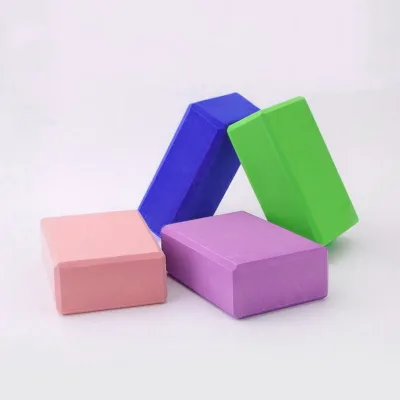
High Density Yoga Blocks with Logo Exerciser Foam Block Dance Foam Blocks
$1.00 - $1.50
MOQ: 100 Pieces




Comprehensive Sourcing Guide
EVA Yoga Blocks for Stretching Sourcing Guide
Sourcing EVA Yoga Blocks for Stretching requires identifying manufacturers that align with specific density and customization needs. The observed market data indicates a strong preference for high-density hard foam materials, which provide the necessary stability for deep stretching routines. Buyers must verify that the selected supplier offers the specific dimensions observed in listings, such as 3x6x9 inches or 4x6x9 inches, to ensure the blocks fit standard yoga mat protocols.
Procurement decisions should also account for the wide range of customization options available, including solid colors like yellow, blue, and pink, as well as custom logo printing. Since the product is designed for adult home exercise and yoga classes, verifying the hardness rating is critical; some listings specify medium soft or specific durometer values like 35 or 55 degrees. Ensuring the supplier can meet these precise material and aesthetic requirements is the first step in securing a reliable supply chain for this equipment.
Product Scope and Observed Listing Signals
The product scope for EVA yoga blocks centers on durable, waterproof foam blocks designed for both home and studio environments. Listings consistently highlight features such as stackability and foldability, which are essential for storage efficiency in crowded fitness centers. The material composition is uniformly identified as EVA, a closed-cell foam that resists moisture absorption and maintains its shape under repeated compression during intense stretching sessions.
Buyers should note the variation in packaging methods observed across different suppliers, ranging from simple paper wraps to sturdy corrugated cartons and wooden crates. This variation impacts shipping costs and product protection, requiring a clear specification in the purchase order. Additionally, the availability of OEM services and custom logo acceptance suggests that many manufacturers are prepared to support private label branding, allowing retailers to differentiate their offerings in a competitive market.
Technical Specifications to Verify
Technical verification must begin with the physical dimensions and density of the foam blocks to ensure they meet user safety and performance standards. The observed standard sizes include 3x6x9 cm and 3x6x9 inch configurations, but buyers must confirm the exact metric or imperial measurements required for their target market. Density is a critical factor, with high-density hard foam being the preferred specification for stability, though some suppliers offer medium soft options that may suit different user demographics.
Hardness ratings and color consistency are equally important technical parameters that require strict supplier validation. While some data points indicate specific durometer values like 35 or 55 degrees, others simply list medium soft as a general attribute. Buyers should request physical samples to verify that the color options, such as solid blue, pink, or black, match the requested Pantone codes and that the waterproof properties hold up under rigorous cleaning and usage conditions.
Compliance and Safety Documentation
Compliance documentation for EVA yoga blocks should focus on material safety and chemical restrictions relevant to the destination market. Although specific certification statuses like BSCI, REACH, or ROHS appear in background data, buyers must treat these as potential attributes rather than guaranteed facts for every listed product. It is essential to request current test reports confirming that the EVA foam does not contain harmful phthalates or heavy metals, ensuring the product is safe for direct skin contact during exercise.
Safety verification also extends to the structural integrity of the blocks, particularly regarding their ability to support body weight without cracking or deforming. Buyers should inquire about the manufacturing standards applied to the foam molding process to prevent issues like delamination or uneven hardness. While specific standards like 3x6x9/4x6x9/3x5.5*9 cm are listed as product standards, these refer to dimensions rather than safety protocols, so independent safety testing remains a necessary step before finalizing a bulk order.
Cost Drivers and Commercial Terms
Cost drivers for EVA yoga blocks are primarily influenced by material density, customization complexity, and order volume. The observed minimum order quantities (MOQ) range from 50 to 5000 pieces, with a specific listing noting an MOQ of 100 pieces, which significantly impacts the unit price. Higher customization levels, such as custom logo printing or unique color formulations, will increase production costs compared to standard solid color blocks, requiring a detailed cost-benefit analysis for the buyer.
Commercial terms and payment methods are also critical factors in the procurement process. Suppliers typically accept a variety of payment channels, including PayPal, Western Union, TT, and Trade Assurance, each carrying different levels of risk and processing fees. Buyers should negotiate clear terms regarding lead times and packaging, as the choice between paper wrap, box, or wooden packaging will affect the final landed cost. Understanding these variables allows for more accurate budgeting and prevents unexpected expenses during the fulfillment phase.
Supplier Qualification and Quality Control
Supplier qualification should prioritize manufacturers with a proven track record in producing EVA foam products for the fitness industry. The observed product origins in Jiangsu and Shanghai suggest a concentration of manufacturing capabilities in these regions, but buyers must verify the specific factory's capacity to handle custom orders and maintain consistent quality. Checking for OEM approval and the ability to produce custom models like TP19-YBLEVA-YBL 302 or JLY-YB001 indicates a supplier's flexibility and technical competence.
Quality control measures must be established before production begins to ensure the final products meet the agreed-upon specifications. This includes verifying the hardness, density, and waterproof properties of the foam, as well as the accuracy of the dimensions and the quality of the logo printing. Buyers should implement a pre-shipment inspection protocol to check for defects such as uneven coloring, structural weaknesses, or packaging damage, ensuring that the delivered goods match the sample provided during the negotiation phase.
Long-Term Procurement Checks
Long-term procurement success depends on establishing a reliable relationship with suppliers who can consistently deliver high-quality EVA yoga blocks over time. Buyers should monitor the supplier's ability to maintain the specified hardness and density levels across different production batches, as variations in foam quality can lead to customer dissatisfaction and returns. Regular communication regarding production schedules and inventory levels helps prevent stockouts and ensures a steady supply for ongoing business needs.
Continuous evaluation of supplier performance is essential for maintaining a competitive edge in the market. This includes tracking the supplier's responsiveness to customization requests, adherence to delivery timelines, and the quality of after-sales support. By maintaining a detailed record of product performance and supplier interactions, buyers can make informed decisions about future orders and identify opportunities for cost optimization or product improvement in the evolving yoga equipment sector.
FAQs
What material are these yoga blocks made from?
These yoga blocks are manufactured from high-density EVA foam. This material provides a durable and firm structure suitable for various stretching routines. The blocks are designed to be waterproof and resistant to moisture, ensuring longevity during regular home exercise use. They are available in solid colors like yellow and blue, offering a consistent aesthetic for your practice space.
Can I customize the logo on the yoga blocks?
Yes, customized logos are available for these EVA yoga blocks. The supplier accepts OEM orders and allows for custom logo printing on the product surface. This feature is ideal for brands looking to add their identity to the equipment. The customization options support various design requirements, making it suitable for corporate gifts or private label yoga accessories.
What are the standard dimensions for these blocks?
The standard specifications include sizes such as 3x6x9 inches and 4x6x9 inches. Some models are listed with dimensions of 3x5.5x9 cm, while others may vary. The product is categorized as a middle size with a medium soft hardness. Buyers should verify the exact model number, such as TP19-YBLEVA-YBL 302, to confirm the precise physical dimensions for their specific needs.
What is the minimum order quantity for these blocks?
The minimum order quantity is typically 100 pieces for standard orders. However, observed ranges indicate that MOQs can vary between 50 and 5000 pieces depending on the supplier and customization level. Buyers should confirm the specific MOQ with the vendor before proceeding. This flexibility allows both small businesses and large retailers to place orders that fit their inventory requirements.
Are these yoga blocks suitable for women and adults?
Yes, these EVA yoga blocks are designed for adult users, including women. The product is marketed as suitable for yoga exercises and home stretching routines. The medium soft hardness and high-density foam provide adequate support for various body types. The solid color options and durable construction make them a practical choice for general fitness and flexibility training for adult practitioners.
How are the yoga blocks packaged for shipping?
The packaging options include paper wrap, boxes, corrugated cartons, and wooden crates. The specific packaging method depends on the supplier and the order volume. Corrugated cartons are commonly used for bulk shipping to ensure protection during transit. Buyers should specify their preferred packaging type to ensure the blocks arrive safely and meet their logistical requirements for storage and distribution.