Source EVA Protective Tablet Case for Travel, Work, and Storage
Source 30 EVA Protective Tablet Case options from Guangdong suppliers. Compare materials like EVA foam and neoprene, check waterproof features, and review MOQs starting at 500 pieces for bulk orders.
Key considerations
Products List
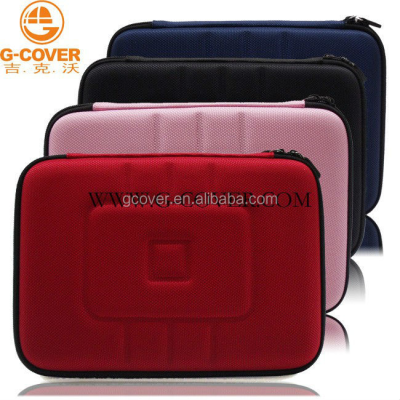
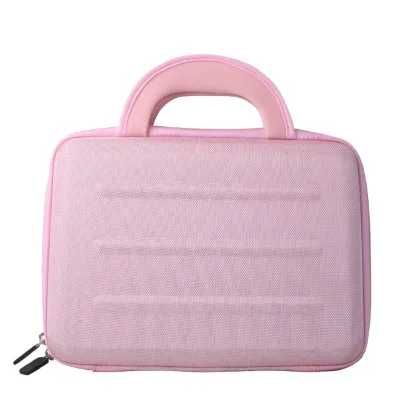
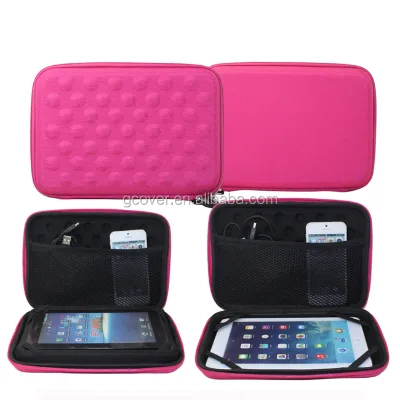
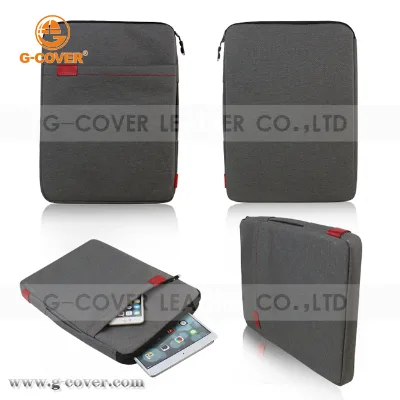
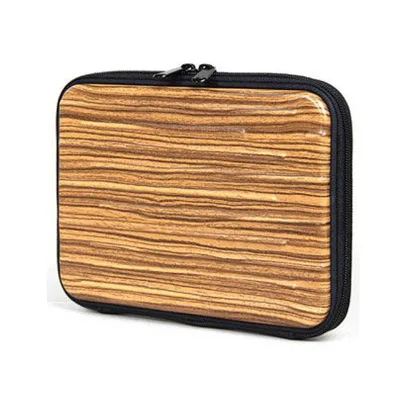
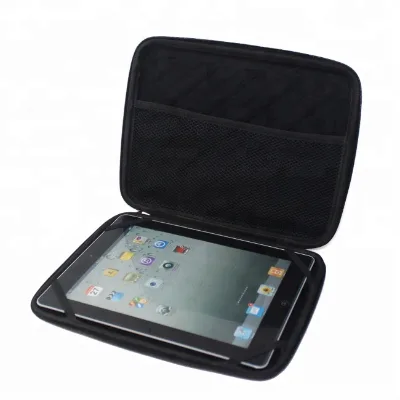
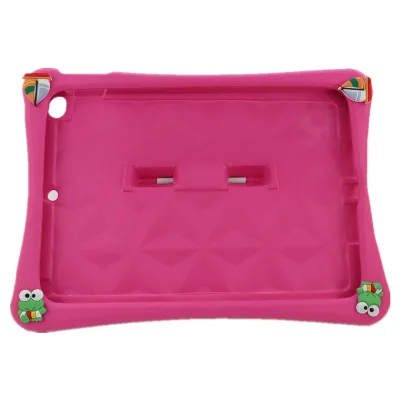
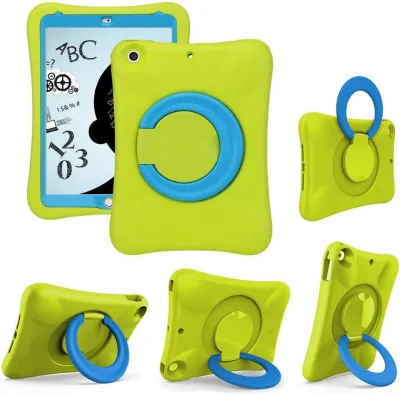
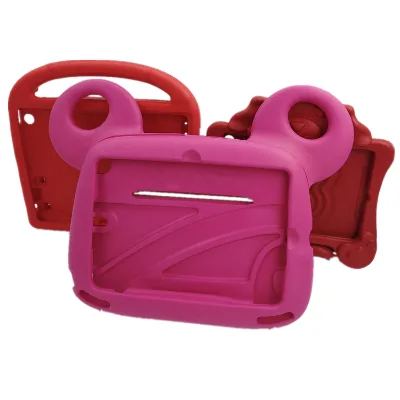

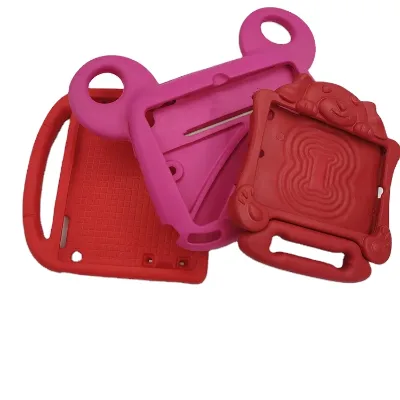
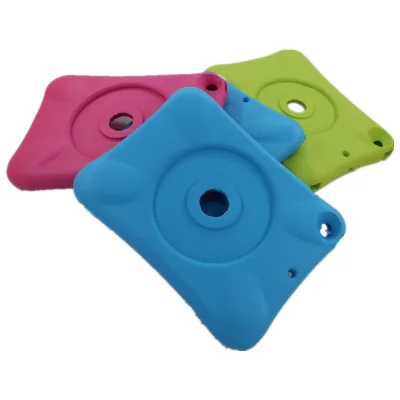


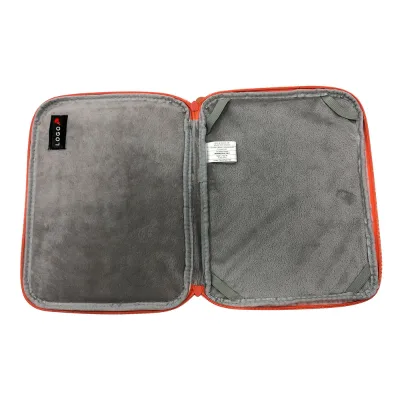


EVA Tablet Covers for iPad Mini 2/3/4 Cartoon Tablet Case for iPad Mini 5
$3.85 - $4.95
MOQ: 10 Pieces


Comprehensive Sourcing Guide
EVA Protective Tablet Case Sourcing Guide
Sourcing EVA protective tablet cases requires a careful balance between material durability, functional design, and commercial viability. These cases are widely utilized in B2B contexts for protecting electronic devices during travel, storage, and daily use. The market offers a variety of configurations, ranging from simple foam sleeves to hard-shell flip cases with multiple receiver slots. Buyers must navigate a landscape where product attributes vary significantly, including material composition, closure types, and customization options. Understanding these variations is essential for selecting the right supplier and product specification that aligns with your brand’s quality standards and end-user expectations.
The procurement process for these items involves verifying specific technical details, such as dimensions, weight, and material layers, to ensure compatibility with target tablet models. Common materials include EVA foam, nylon, and velvet linings, each offering distinct benefits in terms of shock absorption and aesthetic appeal. Additionally, factors like color options, branding capabilities, and minimum order quantities (MOQs) play a crucial role in decision-making. This guide provides a structured approach to evaluating suppliers, ensuring that you make informed decisions based on observable listing signals and verified technical specifications.
Product Scope and Observed Listing Signals
The current market for EVA protective tablet cases presents a diverse range of products, with observed price points ranging from $0.68 to $15 USD. This wide variance reflects differences in material quality, design complexity, and branding options. For instance, basic neoprene sleeves may sit at the lower end of the price spectrum, while multi-layered cases featuring 1680D nylon, EVA, and velvet linings command higher prices. Buyers should note that these figures are indicative of current listings and may fluctuate based on order volume and specific customization requirements. It is crucial to correlate price with the observed features, such as waterproofing, shockproofing, and dustproof capabilities, to assess value accurately.
Minimum order quantities (MOQs) typically range from 10 to 1000 pieces, with many suppliers setting a standard MOQ of 500 pieces per color. This structure allows for flexibility in initial testing while encouraging larger commitments for cost efficiency. Some listings indicate that samples are accepted, which is a critical step for verifying product quality before committing to bulk orders. Additionally, customization is widely available, with options for embossed, debossed, or silkscreen logos. Buyers should leverage these signals to negotiate terms that align with their inventory needs and branding strategies, ensuring that the final product meets both functional and aesthetic requirements.
Technical Specifications to Verify
When evaluating EVA tablet cases, precise dimensional and weight specifications are paramount to ensure compatibility with target devices. Observed listings indicate sizes such as 20.5285 cm and 15.5X25.5X4 cm, catering to various tablet dimensions, including 7-inch and 9.7-inch models. Buyers must verify that the internal cavity dimensions match the external dimensions of the tablets they intend to protect. Additionally, single gross weights range from 0.21 kg to 0.38 kg, which can impact shipping costs and user portability. Confirming these specifications with the supplier is essential to avoid mismatches that could lead to product returns or customer dissatisfaction.
Material composition and functional features are equally critical in determining the case’s protective capabilities. Common materials include EVA foam, neoprene, and combinations of nylon and velvet. Functional attributes such as waterproof, dustproof, and shockproof properties are frequently highlighted, with some cases offering anti-bump and drop protection. Buyers should request detailed material breakdowns to understand the layering and density of the EVA foam, which directly influences durability. Furthermore, closure types, such as zippers, and style variations, including vertical or flip designs, should be verified to ensure they meet the intended use case, whether for travel, camping, or everyday office use.
Compliance and Safety Documentation
Compliance with environmental and safety standards is a growing concern in the procurement of electronic accessories. Some suppliers list certifications such as REACH and eco-friendly status, indicating adherence to specific chemical and environmental regulations. Buyers should verify the validity and scope of these certifications, ensuring they align with the regulatory requirements of their target markets. While some listings mention Rohs compliance, this information should be treated with caution and confirmed through official documentation from the supplier. Proper certification ensures that the materials used in the cases are safe for consumers and do not contain harmful substances.
In addition to environmental compliance, buyers should inquire about the testing procedures used to validate the protective claims of the cases. Claims of waterproof and shockproof performance should be supported by test results or quality control reports. Although specific test data may not always be publicly listed, suppliers should be willing to provide evidence of their quality assurance processes. This includes verifying the durability of zippers, the integrity of seams, and the effectiveness of the EVA foam in absorbing impacts. By prioritizing suppliers with robust compliance and testing documentation, buyers can mitigate risks associated with product liability and ensure long-term customer satisfaction.
Cost Drivers and Commercial Terms
Several factors influence the cost of EVA protective tablet cases, including material selection, customization complexity, and order volume. The use of premium materials like 1680D nylon and velvet linings increases production costs compared to basic neoprene or single-layer EVA options. Customization features, such as logo printing and unique color combinations, also add to the overall price. Buyers should analyze these cost drivers to determine the most cost-effective solution for their needs. Additionally, promotional pricing and special purchasing events, such as Super September, may offer opportunities for cost savings, but these should be evaluated against standard pricing to ensure genuine value.
Commercial terms, including payment methods and shipping arrangements, are critical components of the procurement process. Common payment options include Western Union, PayPal, and T/T, providing flexibility for international transactions. Buyers should negotiate clear terms regarding payment schedules, such as deposits and balance payments, to manage cash flow effectively. Furthermore, understanding the lead times and shipping options is essential for inventory planning. While specific lead times may vary, buyers should establish clear expectations with suppliers to avoid delays. Transparent commercial terms help build trust and ensure a smooth transaction process from order placement to delivery.
Supplier Qualification and Quality Control
Selecting a reliable supplier is crucial for maintaining product quality and consistency. Buyers should assess suppliers based on their production capabilities, quality control processes, and customer service responsiveness. Suppliers with a history of producing customized orders and offering samples demonstrate a commitment to meeting diverse buyer needs. It is advisable to request references or case studies from previous clients to gauge the supplier’s reliability. Additionally, verifying the supplier’s location, such as Guangdong, China, can provide insights into their supply chain efficiency and access to raw materials.
Quality control measures should be rigorously evaluated to ensure that the final products meet specified standards. Buyers should inquire about the supplier’s inspection protocols, including pre-production samples, in-line checks, and final random inspections. Establishing clear quality benchmarks, such as acceptable defect rates and packaging standards, is essential. Suppliers who offer OEM services and have experience with global brands are often better equipped to handle complex quality requirements. By prioritizing suppliers with robust quality control systems, buyers can minimize the risk of receiving substandard products and ensure consistent quality across orders.
Long-Term Procurement Checks
Sustaining a successful procurement relationship with EVA tablet case suppliers requires ongoing monitoring and evaluation. Buyers should regularly review supplier performance metrics, including on-time delivery rates, product quality consistency, and responsiveness to issues. Establishing a feedback loop with the supplier can help identify areas for improvement and foster continuous collaboration. Additionally, staying informed about market trends and technological advancements in case design can help buyers stay competitive. Regular audits and site visits, if feasible, can provide deeper insights into the supplier’s operations and commitment to quality.
Long-term procurement strategies should also include contingency planning for supply chain disruptions. Diversifying suppliers and maintaining a buffer stock can mitigate risks associated with production delays or material shortages. Buyers should also consider the environmental impact of their procurement choices, exploring options for sustainable materials and packaging. By adopting a proactive approach to supplier management and risk mitigation, buyers can ensure a stable and efficient supply of EVA protective tablet cases. This strategic focus on long-term relationships and continuous improvement will support sustained business growth and customer satisfaction.
FAQs
What materials are used for the tablet cases?
The cases are constructed from EVA foam, often combined with 1680D Nylon and Velvet or Fabric lining. Some variations use Neoprene material. These materials ensure the product offers waterproof, dustproof, and shockproof protection for tablets during travel or daily use.
Can I customize the logo on the case?
Yes, customization is allowed for the product logo. You can choose from embossed, debossed, or silkscreen printing methods. This option is available for the G-COVER brand and OEM orders to meet specific branding requirements for your business.
What is the minimum order quantity for these cases?
The minimum order quantity is 500 pieces per color. This standard applies to the factory pricing structure for the EVA protective tablet cases. Buyers should note that the MOQ is set at 500 units to ensure efficient production and cost-effective pricing.
Where are these tablet cases manufactured?
These products originate from Guangdong, China. The manufacturing location supports the supply of various sizes including 7-inch and 9.7-inch models. Buyers can expect consistent quality standards from this specific production region for all listed tablet case items.
Are the cases waterproof and shockproof?
Yes, the cases provide waterproof, dustproof, and shockproof protection. They are designed to prevent bumps, drops, and dust damage to the tablet. This functionality makes them suitable for travel, camping, and general daily protection needs for electronic devices.
What payment methods are accepted for orders?
Accepted payment methods include Western Union, PayPal, and T/T. These options facilitate secure transactions for international buyers. The factory supports these standard payment channels to ensure smooth processing of orders for the EVA tablet cases.
Do you accept sample orders before bulk purchase?
Yes, sample orders are accepted for evaluation. Buyers can request samples to verify the quality and specifications before committing to the 500-piece minimum order. This allows clients to assess the product features like the zipper closure and material durability.