Source Everlasting Replaceable Inkless Pencil for Office, School, and Promotional Use
Find 30 models of the Everlasting Replaceable Inkless Pencil designed for office, school, and promotional applications. Compare plastic and wood body options, lead hardness variants, and customization features to select the ideal writing instrument for your business needs.
Key considerations
Products List
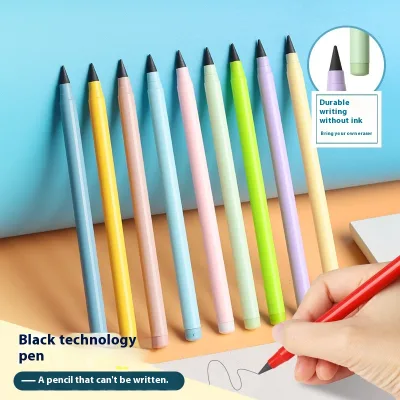


Stationery 7'' Color Pencil, Wood Pencil, Drawing Pencil, Promotion Pencil
$0.23 - $0.58
MOQ: 10000 Sets


Comprehensive Sourcing Guide
Everlasting Replaceable Inkless Pencil Sourcing Guide
Sourcing everlasting replaceable inkless pencils requires a clear understanding of the mechanical and material distinctions that separate these products from traditional graphite or colored pencils. These writing instruments rely on a unique friction-based mechanism where a metal or ceramic tip rubs against the paper to create a mark, rather than depositing pigment or lead. This fundamental difference means that procurement teams must evaluate the durability of the tip mechanism and the consistency of the writing surface interaction. The term "everlasting" typically refers to the refillable nature of the lead or the longevity of the mechanical body, while "inkless" confirms the absence of liquid or paste-based writing media. Buyers should approach this category with a focus on mechanical reliability and tip wear rates, as these factors directly impact the user experience and the perceived value of the product.
The market for these items spans various stationery segments, including office supplies, school essentials, and promotional merchandise. Because these pencils do not require sharpening and offer a clean writing experience without graphite dust, they are often positioned as premium or eco-friendly alternatives to standard mechanical pencils. However, the specific performance characteristics can vary significantly between manufacturers, particularly regarding the hardness of the lead and the color of the mark produced. Procurement specialists must verify whether the product is designed for permanent marking or erasable writing, as this distinction dictates the appropriate use case and customer satisfaction levels. Understanding these functional nuances is critical before initiating supplier negotiations or placing bulk orders.
Product Scope and Observed Listing Signals
Current market listings indicate a diverse range of product attributes, with observed prices ranging from $0.03 to $0.85 USD per unit. This wide price band suggests significant variation in material quality, manufacturing complexity, and branding strategies. The minimum order quantities (MOQs) observed range from as low as 2 pieces to 10,000 pieces, reflecting the flexibility of suppliers to accommodate both small-scale sampling and large-volume corporate orders. Buyers should note that lower MOQs often correlate with higher unit costs, while bulk purchases may unlock volume discounts but require stricter adherence to customization or packaging specifications. The presence of both loose and packaged options, such as OPP bags or color boxes, further influences the final landed cost and the product's readiness for retail or direct distribution.
Product names and descriptions in the market include terms like "Inkless Magic Pencil," "Mechanical Pencils," and "Colored Pencils," which can create confusion regarding the actual writing mechanism. Some listings describe the product as having a plastic body with a specific model number, such as A360, while others specify wood bodies or different model codes like CP1201. The lead hardness is frequently cited as HB, but some listings also mention specific color variations for the lead, including black, white, blue, red, yellow, green, and purple. This variability indicates that buyers must carefully distinguish between true inkless friction pencils and standard mechanical pencils that may be mislabeled or marketed with similar terminology. Verifying the actual writing mechanism through sample testing is essential to ensure alignment with procurement requirements.
Technical Specifications to Verify
The body material of these pencils is a critical specification, with observed options including plastic and wood constructions. Plastic bodies are often associated with modern or cartoon styles and may offer greater durability and water resistance, while wooden bodies might appeal to buyers seeking a traditional aesthetic or eco-friendly positioning. The single package size and gross weight are also important logistical considerations, with some listings indicating dimensions of 18x1.2x1.2 cm and a gross weight of 0.015 kg. These metrics directly impact shipping costs and storage efficiency, particularly for large-volume orders. Buyers should request detailed dimensional data for all packaging variants to accurately calculate freight charges and warehouse space requirements.
Lead diameter and hardness are pivotal technical parameters that define the writing quality and line width. Observed lead diameters include 0.7mm and 1.0mm, which cater to different user preferences for precision versus boldness. The lead hardness is commonly listed as HB, but some products offer specialized hardness levels or color variations that affect the visibility and permanence of the mark. Additionally, the presence or absence of an eraser and the availability of logo printing services are key customization options. Buyers must confirm whether the lead is truly replaceable and if the mechanism allows for easy refilling without compromising the structural integrity of the pencil. Testing the lead feed mechanism and tip durability is necessary to ensure long-term usability.
Compliance and Safety Documentation
Safety and regulatory compliance are paramount when sourcing stationery products, especially those intended for school or office use. Some listings reference compliance with standards such as EN71, SGS, and CE, which are critical for markets in Europe and other regions with strict toy and stationery safety regulations. EN71, in particular, addresses the safety of toys, which can overlap with stationery items depending on their design and target audience. Buyers must verify the validity and scope of these certifications, ensuring that the specific product model and batch are covered. Relying on generic claims without documented test reports can expose the buyer to regulatory risks and potential product recalls.
The material composition of the pencil body and lead also requires scrutiny to ensure compliance with chemical safety standards. Plastic bodies may contain various polymers and additives that must meet restrictions on hazardous substances, such as phthalates or heavy metals. Similarly, the lead material, whether it is a friction-based compound or a specialized graphite mix, must be free from toxic components. Buyers should request Material Safety Data Sheets (MSDS) or specific chemical compliance reports from suppliers. For products marketed as "inkless" or "magic," it is essential to confirm that the marking mechanism does not involve harmful chemicals that could pose health risks during prolonged use.
Cost Drivers and Commercial Terms
The cost of everlasting replaceable inkless pencils is influenced by several factors, including material selection, manufacturing complexity, and customization requirements. Plastic bodies are generally less expensive to produce than wooden ones, but the inclusion of complex mechanical components for lead replacement can increase costs. Customization options, such as logo printing or specific packaging designs, add to the unit price but can enhance brand value for promotional buyers. The observed MOQ range of 2 to 10,000 pieces allows for flexible purchasing strategies, but buyers should be aware that smaller orders may incur higher setup fees or premium pricing. Negotiating volume-based tiered pricing can help optimize costs for large-scale procurement.
Packaging and logistics also play a significant role in the total cost of ownership. Options range from simple loose packaging to more elaborate color boxes or OEM packaging solutions. The choice of packaging affects not only the product's presentation but also its protection during transit. Buyers should consider the durability of the packaging to prevent damage and ensure that the product arrives in sellable condition. Additionally, the lead time for production and shipping should be factored into the commercial terms. While specific lead times are not provided in the observed data, buyers should establish clear delivery schedules and penalties for delays to mitigate supply chain risks.
Supplier Qualification and Quality Control
Supplier qualification is a critical step in ensuring the reliability and consistency of the product supply. Buyers should verify the supplier's manufacturing capabilities, including their production capacity and quality control processes. Suppliers located in regions such as Jiangxi and Zhejiang Ningbo in China are common sources for stationery products, but buyers must assess the specific factory's reputation and track record. Requesting references or case studies from previous clients can provide insights into the supplier's reliability and product quality. Additionally, verifying the supplier's business license and export credentials is essential to ensure legal compliance and smooth international transactions.
Quality control measures should be implemented throughout the production process to maintain product consistency. Buyers should define clear quality standards for the pencil's mechanical function, lead hardness, and aesthetic appearance. Conducting pre-shipment inspections is recommended to verify that the products meet the agreed-upon specifications. Key inspection points include the smoothness of the lead feed, the durability of the tip, and the accuracy of any custom branding or packaging. Establishing a robust quality assurance protocol helps minimize the risk of receiving defective goods and ensures that the final product meets customer expectations.
Long-Term Procurement Checks
Long-term procurement success depends on continuous monitoring of product performance and supplier relationship management. Buyers should establish feedback loops with end-users to gather insights on the pencil's usability, durability, and overall satisfaction. This feedback can inform future purchasing decisions and help identify areas for product improvement. Regularly reviewing supplier performance metrics, such as on-time delivery rates and defect rates, is essential for maintaining a high-quality supply chain. Building a strong partnership with reliable suppliers can lead to better pricing, priority production, and access to new product innovations.
As market trends and consumer preferences evolve, buyers should stay informed about emerging technologies and materials in the stationery sector. This includes monitoring developments in eco-friendly materials, advanced mechanical designs, and new marking technologies. Adapting procurement strategies to align with these trends can help maintain a competitive edge and meet changing customer demands. Additionally, buyers should regularly reassess their inventory levels and reorder points to ensure a steady supply of products without excessive stockpiling. By maintaining a proactive and data-driven approach to procurement, buyers can optimize costs, ensure quality, and support long-term business growth.
FAQs
What materials are used for the pencil body?
The pencil body is constructed from plastic material, though some variants feature wood bodies. This ensures durability for office and school use while maintaining a modern or cartoon style depending on the specific model selected.
Can I customize the logo on these pencils?
Customization is available for these products, but specific listings may vary between having logo printing or without logo printing. Buyers should verify the customization option for the specific model number like A360 or CP1201 before ordering.
What is the minimum order quantity for these items?
The minimum order quantity typically starts at 10 pieces for specific models, though observed ranges extend up to 10,000 units. Buyers must check the specific listing details as MOQ values vary by supplier and product configuration.
Which lead hardness options are available for these pencils?
Available lead hardness includes HB, with options for black, white, blue, red, yellow, green, and light purple colors. The specific lead type depends on whether the product is an inkless magic pencil or a standard colored pencil variant.
How are these pencils packaged for shipment?
Packaging options include loose packing, OPP bags, or color boxes depending on the specific product listing. Some models come in single packages measuring 18x1.2x1.2 cm, while others may be packed in OEM color boxes for promotional use.
Where are these pencils manufactured?
These pencils originate from China, specifically from regions like Jiangxi and Zhejiang Ningbo. The place of origin is a key factor for buyers considering lead times and shipping logistics for bulk orders of office and school stationery.
What certifications do these pencils meet?
Some product listings indicate compliance with EN71, SGS, and CE standards. These certifications are relevant for promotional and school stationery items, ensuring safety for office and general use in various markets.