Source Crawler Excavators for Mining, Construction, and Landscaping
Source 30 Excavator models ranging from mini crawlers to large-scale mining units. Compare specifications such as Kubota and Kipor engines, hydraulic transmissions, and bucket capacities to find the right machine for your project needs; compare the available evidence and request quotations based on your requirements.
Key considerations
Products List


Good Condition China Excavator with Fully Hydraulic System for Cheap Sale
$1000.00 - $2000.00
MOQ: 1 Pieces

Excavator Rental Excavator Machine Operator Excavator Deere Excavator for Sale
$3800.00 - $5000.00
MOQ: 1 Pieces


Cab Excavator with Diesel Engine, Tracked Excavator, Mini Excavator Construction Machinery
$2200.00 - $3400.00
MOQ: 1 Pieces


Excavator 6ton Excavator 5ton Excavator 3ton Excavator 2ton Excavator 1ton
$11000.00 - $110000.00
MOQ: 1 Pieces


$40000.00 - $55000.00
MOQ: 1 Pieces


Excavator Compaction/Compactor Wheel
$500.00 - $1000.00
MOQ: 1 Pieces
Xuzhou Shenfu Construction Machinery and Equipment Co., Ltd.


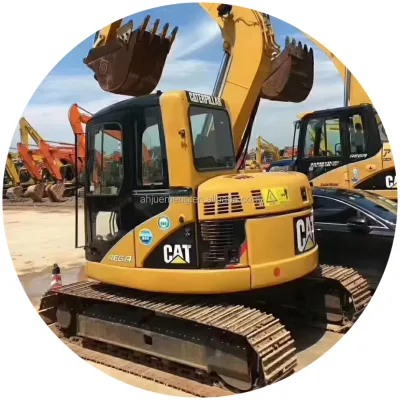

Comprehensive Sourcing Guide
Excavator Sourcing Guide
The global market for crawler excavators presents a diverse range of options, from compact mini-excavators designed for tight urban spaces to large-scale mining units built for heavy-duty extraction. Buyers must first distinguish between these categories, as the operational requirements for a 0.04 cubic meter bucket differ significantly from those of a 1.0 cubic meter shovel bucket. Understanding the specific application, whether it is general construction, mining, or specialized agricultural work, is the foundational step in selecting the correct machine configuration.
Procurement decisions should be driven by the observed listing signals, such as the wide price range from 500 to 110,000 USD, which indicates a spectrum of capabilities and build qualities. A buyer must correlate the listed price with the operating weight and engine specifications to ensure value alignment. For instance, a unit with an operating weight of 31,600 kg will naturally command a different market position than a lighter model with a 19 kW rated power, requiring a careful analysis of the total cost of ownership rather than just the initial purchase price.
Product Scope and Observed Listing Signals
Buyers should verify the physical dimensions and track specifications to ensure the machine fits the intended job site constraints. The observed data includes specific track widths ranging from 150 mm to 180 mm and ground clearances as low as 119 mm, which are critical for navigating uneven terrain or confined areas. The tailswing radius of 1013 mm and overall dimensions like 2430 × 720 × 1390 mm must be cross-referenced with site access limitations to prevent operational bottlenecks during the excavation process.
The product scope also encompasses the variety of engine types and transmission systems available, such as the Kubota or Kipor192f engines paired with hydraulic transmissions. These powertrain choices directly influence the machine's gradeability, with some models rated for a 30-degree slope, and the overall efficiency of the hydraulic cylinder systems. Buyers must confirm that the specific model number, such as HT20 or HD1430, matches the required digging height of 2580 mm and dumping height of 1637 mm for the specific material handling tasks planned.
Technical Specifications to Verify
Technical verification must begin with the engine and power output, as the rated power of 19 kW and revolution speed of 12 rmp define the machine's operational limits. Buyers should confirm the displacement, such as the 0.499 L figure for single-cylinder units, to ensure the engine can sustain the required torque for continuous digging cycles. It is essential to validate that the power type, whether air-cooled or liquid-cooled, aligns with the environmental conditions of the work site to prevent overheating or performance degradation.
The structural integrity and hydraulic system components require rigorous scrutiny, particularly the brand of hydraulic cylinders like Kato and the bucket capacity ranging from 0.04 to 1.0 cubic meters. The track ground contact length of 1140 mm and track length of 1545 mm are vital for stability and traction, especially when the machine is operating at its maximum gradeability. Buyers must ensure that the specified track gauge of 920 mm and upper width of 1053 mm provide the necessary balance for the intended load, preventing tip-over risks during heavy lifting operations.
Compliance and Safety Documentation
Compliance verification is paramount when sourcing machinery that may be subject to international trade regulations or local safety mandates. The presence of CE and ISO9001 certifications in the product data suggests adherence to specific quality and safety standards, but buyers must request current, valid certificates for the specific serial number of the unit being purchased. These documents serve as proof that the manufacturing process meets established industry benchmarks for safety and environmental impact, which is crucial for insurance and regulatory clearance.
Safety documentation must also include detailed operational manuals and maintenance schedules that align with the machine's specific configuration, such as the standard wooden box packaging or wooden crate packaging. Buyers should verify that the provided documentation covers the specific model, whether it is the QXL30 or HD820, and includes clear instructions for the hydraulic transmission and internal combustion drive systems. Ensuring that all safety interlocks and emergency stop procedures are documented and understood is essential for minimizing workplace accidents and ensuring long-term operational safety.
Cost Drivers and Commercial Terms
Cost drivers in the Excavator market are heavily influenced by the operating weight, engine brand, and the complexity of the hydraulic system. A unit with an operating weight of 20,500 kg or 31,600 kg will incur higher shipping and handling costs compared to lighter models, and the price range of 500 to 110,000 USD reflects these significant differences in scale and capability. Buyers must analyze the total landed cost, including freight, insurance, and customs duties, rather than focusing solely on the listed unit price to avoid budget overruns.
Commercial terms such as the minimum order quantity (MOQ) of 1 and the availability of customization are key factors in finalizing the procurement agreement. The standard wooden case packaging and specific dimensions like 350011751600mm or 425515502600mm impact the logistics planning and storage requirements at the destination. Buyers should negotiate clear terms regarding lead times and payment schedules, ensuring that the customization options are clearly defined to avoid disputes over the final product specifications.
Supplier Qualification and Quality Control
Supplier qualification requires a thorough assessment of the manufacturer's origin and production capabilities, with many units originating from regions like Shan Dong Ji Ning in China. Buyers should verify the supplier's track record in producing specific models like the HT35 or HD1430 and ensure they have a robust quality control system in place to maintain consistency across batches. The availability of customization suggests a flexible manufacturing process, but this must be balanced with strict quality assurance protocols to prevent defects in critical components like the hydraulic cylinders.
Quality control checks should extend to the final inspection of the machine before shipment, including tests on the hydraulic system, engine performance, and structural integrity. Buyers must confirm that the supplier provides a comprehensive inspection report detailing the results of these tests, particularly for high-value units with operating weights exceeding 20,000 kg. Establishing a clear communication channel for post-shipment support and warranty claims is essential to ensure that any quality issues are addressed promptly and effectively.
Long-Term Procurement Checks
Long-term procurement success depends on the availability of spare parts and the durability of the machine's core components. Buyers should verify the supply chain for critical parts like the hydraulic cylinders and engine components to ensure that maintenance can be performed without significant downtime. The standard packing and specific model numbers like QXL30 or HD820 should be cross-referenced with the supplier's parts catalog to confirm that replacement parts are readily available and compatible with the purchased unit.
Sustainability and lifecycle management are also critical considerations for long-term procurement, as the machine's gradeability and power type will affect its fuel efficiency and environmental impact over time. Buyers should evaluate the supplier's commitment to providing technical support and training for operators to maximize the machine's lifespan and performance. Establishing a long-term partnership with a supplier who offers reliable after-sales service and genuine parts is essential for maintaining operational efficiency and minimizing total cost of ownership.
FAQs
What certifications do the excavators have?
The excavators are certified with CE and ISO9001 standards. These certifications confirm that the machinery meets essential safety and quality management requirements for international trade. Buyers can rely on these documented credentials when evaluating supplier compliance and product reliability for their specific operational needs.
What is the operating weight range for these models?
Operating weights vary significantly across the product line. The HD1430 model weighs 31600kg, while the HD820 model weighs 20500kg. These figures help buyers select the appropriate machine size for their specific site conditions and load requirements, ensuring optimal performance and stability during heavy-duty excavation tasks.
Can the excavators be customized for specific needs?
Yes, customization is available for these Excavator units. Buyers can request specific modifications to suit unique project requirements. This flexibility allows for tailored solutions that align with particular operational constraints or site-specific demands, ensuring the machinery integrates seamlessly into existing workflows and meets specialized functional expectations.
What engine brands are used in these excavators?
The excavators utilize engines from reputable brands such as Kubota and Kipor192f. The Kubota engine provides reliable power for standard models, while the Kipor192f is used in smaller units. These engine choices ensure efficient performance and durability, supporting consistent operation across various mining and construction applications.
What is the maximum digging height for the mini Excavator?
The mini Excavator features a maximum digging height of 2580mm. This specification allows for effective trenching and loading operations within confined spaces. The compact design, combined with this reach, ensures versatility for urban construction projects where space is limited but efficient material handling remains a critical operational requirement.
How are the excavators packaged for shipping?
Packaging methods include standard wooden boxes, wooden cases, cartons, and wooden crate packaging. These secure methods protect the machinery during transit. The specific packaging type depends on the model and size, ensuring that components remain safe and undamaged throughout the shipping process from the origin in China to the final destination.