Find Excavator Air Conditioning Tensioner for Mining, Auto Parts, and Construction
Source 30 verified options for the Excavator Air Conditioning Tensioner suitable for mining, auto parts, and construction applications. Buyers can compare specifications like weight, voltage, and certifications from suppliers in China.
Key considerations
Products List


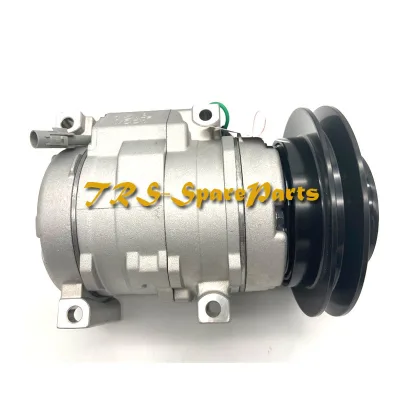
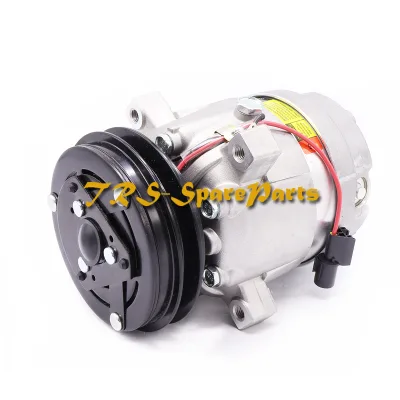

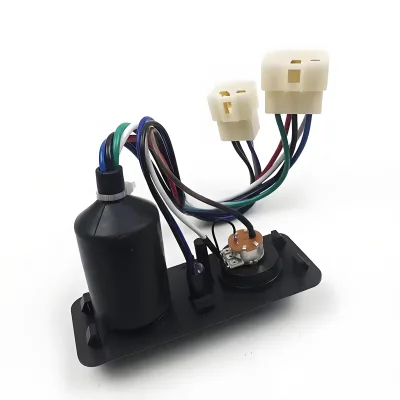
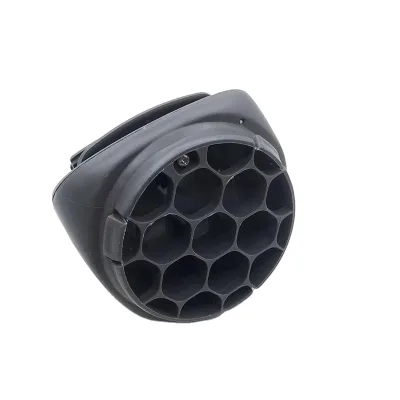
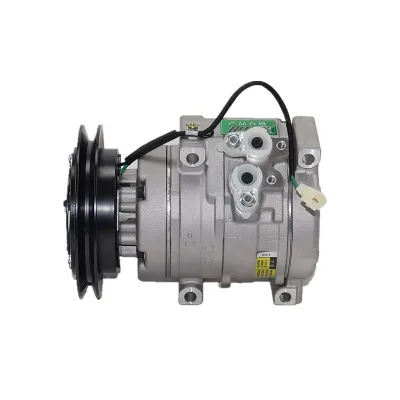
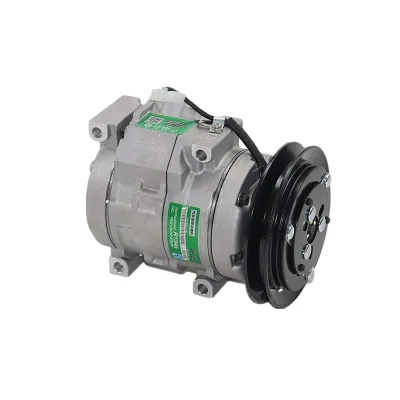
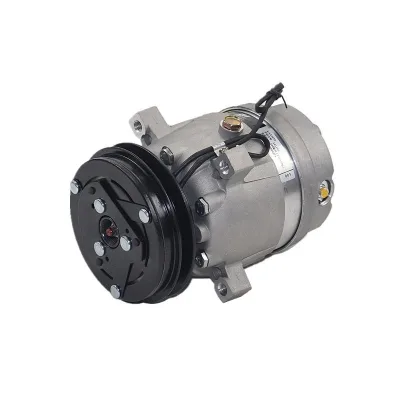

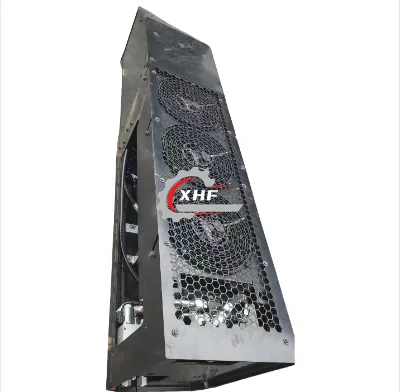
Parking Air Conditioning Roof Electric 12V Air Conditioner for Excavator
$190.00 - $280.00
MOQ: 10 Pieces
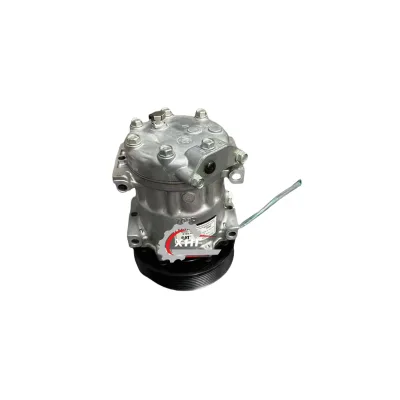


Comprehensive Sourcing Guide
Strategic Sourcing Guide for Excavator Air Conditioning Tensioners
Understanding Component Specifications and Variability
The procurement of an Excavator Air Conditioning Tensioner requires a granular understanding of the diverse technical specifications that define these components within the heavy machinery sector. Unlike automotive parts, which often adhere to a singular global standard, excavator tensioners vary significantly based on the specific model of the machine, the type of compressor system, and the operational environment. The supplied data indicates a wide spectrum of product attributes, suggesting that a "one-size-fits-all" approach to sourcing is ineffective. Buyers must first recognize that the core component, often identified by specific model numbers such as KT002, AC, HCO05, XE60CA, or EX200-6, dictates the physical and functional requirements of the tensioner.
The physical dimensions and weight of the tensioner are critical parameters for compatibility. Observations from available listings reveal weight variations ranging from 0.15kg to 8kg, with specific instances noting a weight of 0.74kg. These discrepancies are not indicative of quality differences but rather reflect the size class of the excavator and the capacity of the air conditioning system it serves. For instance, a tensioner designed for a compact unit with a cooling capacity of 5kw will differ substantially from one intended for a large mining excavator with a payload of 20T. Furthermore, the material composition is a vital specification; listings reference standards involving Aluminum and Iron, which influence the component's durability against vibration and thermal expansion.
The electrical and mechanical interface is equally complex. The data highlights that these systems operate on specific voltage requirements, such as DC24V or 12V, and utilize specific refrigerants like R134A. The compressor type, noted in some records as "5h11," further constrains the selection process. A tensioner must be mechanically compatible with the specific pulley system of the compressor to maintain proper belt tension without causing slippage or premature wear. Buyers must verify that the tensioner's design aligns with the transmission type of the host machine, whether manual or otherwise, and ensure it supports the horsepower range, such as systems under 150hp, which is common in many medium-duty excavators.
Compliance, Certification, and Regulatory Standards
Navigating the regulatory landscape for heavy machinery components is a fundamental step in the procurement process. The supply chain for excavator parts is heavily influenced by international quality and safety standards. The provided facts confirm that reputable suppliers often adhere to certifications such as CE and ISO9001. These certifications are not merely marketing labels but serve as evidence that the manufacturing process meets specific quality management criteria. The presence of "ISOCE" in some records suggests a specific regional or combined certification framework that buyers should verify against their local regulatory requirements.
When evaluating a potential supplier, the certification status must be treated as a primary filter. A product listing that explicitly states "100% Quality Inspection" alongside ISO9001 certification indicates a robust internal quality control system. However, buyers must remain vigilant; the mere presence of a certification claim on a product page does not guarantee that every unit in a batch meets that standard. The verification process should involve requesting valid, up-to-date certification documents from the supplier. Additionally, the condition of the product is a critical compliance factor. All observed listings in the provided data specify the condition as "New," which is essential for air conditioning tensioners, as used or refurbished parts may have compromised structural integrity due to metal fatigue or belt wear.
Emission standards also play a role in the broader context of the equipment the tensioner serves. While the tensioner itself is a mechanical component, its integration into the engine bay of an excavator is subject to the machine's emission compliance. The data references "Euro" fuel standards and "Gasoline" fuel types, indicating that the tensioner must be compatible with engines that meet these specific environmental regulations. Buyers should ensure that the component does not interfere with the engine's emission control systems, particularly in regions with strict environmental laws. The origin of the product, whether from Wenzhou, China, or Xuzhou, Jiangsu, China, may also influence the specific regulatory framework the product was designed to meet, necessitating a review of local import regulations.
Cost Drivers and Pricing Structure Analysis
The pricing of excavator air conditioning tensioners is influenced by a complex matrix of factors, including material costs, manufacturing complexity, certification status, and order volume. The observed price range in the market spans from $2 to $22,020, a variance that underscores the diversity of the product category. This wide range is not necessarily indicative of a single product type but rather reflects the inclusion of various components, from simple tensioner pulleys to complete air conditioning assembly units or high-end compressor systems.
For a specific tensioner component, the price is likely driven by the material composition, such as the use of aluminum versus iron, and the precision engineering required to maintain belt tension under high-vibration conditions. The weight of the component, ranging from 0.15kg to 8kg, correlates with material usage and, consequently, cost. Heavier components often imply more robust construction, which may command a higher price point. Additionally, the complexity of the packaging, which varies from "Nude" packing to "Wooden Case and Carton" or "Ouchai Box," adds to the logistical costs and final price.
Minimum Order Quantity (MOQ) is another significant cost driver. The observed MOQ range of 1 to 100 units allows for flexibility in procurement strategies. Small buyers or those replacing a single failed part can source from suppliers with an MOQ of 1, while larger fleet operators may negotiate better unit prices by ordering in bulk up to the 100-unit threshold. Buyers should be aware that the unit price often decreases as the order volume increases, but this must be balanced against inventory holding costs. The "Customization" attribute noted in the data suggests that bespoke solutions, tailored to specific excavator models, will incur higher costs due to the setup and tooling required for non-standard production runs.
Typical Applications and Operational Environments
Excavator air conditioning tensioners are integral to the operation of heavy machinery across a variety of demanding environments. The data explicitly identifies applications in "Auto Parts" and specifically for "Excavator" usage, with a notable mention of "Mining Excavator" applications. This indicates that the tensioners must be engineered to withstand the extreme conditions found in mining sites, construction zones, and heavy industrial operations. The "Type: Crawler" designation further confirms that these components are designed for tracked vehicles, which experience significant vibration and shock loads during operation.
The operational environment dictates the durability requirements of the tensioner. In mining applications, where the payload can reach 20T, the tensioner must maintain consistent performance under heavy loads and continuous operation. The "Heating Type: Non-independent" and "Function: Cooling & Heating" attributes suggest that the air conditioning system, and by extension the tensioner, is part of a dual-function climate control system essential for operator comfort and safety in extreme temperatures. The "Temperature Adjustable Area: Single Area" implies a specific configuration that the tensioner must support, ensuring the belt drive system remains stable regardless of thermal expansion or contraction within the cabin.
Furthermore, the "Bearing Capacity: Small" noted in the data suggests that while the tensioner itself may have specific load limits, it is designed to function within the broader context of the machine's bearing system. Buyers must consider the specific usage scenario; a tensioner for a small, light-duty excavator used in landscaping will have different stress profiles compared to one used in a high-volume mining operation. The "Condition: New" requirement is particularly critical in these environments, as a failure in the tensioner can lead to belt slippage, compressor failure, and a complete loss of cabin cooling, which can be hazardous in high-temperature mining or construction environments.
Supplier Evaluation and Quality Control Protocols
Evaluating a supplier for excavator air conditioning tensioners requires a rigorous assessment of their production capabilities, quality control measures, and logistical reliability. The data highlights several key attributes that serve as indicators of supplier quality. The "100% Quality Inspection" claim is a strong indicator of a supplier's commitment to product integrity. However, buyers should verify the scope of this inspection. Does it cover only the final assembly, or does it include raw material testing and in-process checks? The presence of certifications like CE and ISO9001 provides a baseline for the supplier's management systems, but on-site audits or third-party verification may be necessary for high-value orders.
Packaging standards are another critical factor in supplier evaluation. The variety of packaging options listed, including "Carton," "Wooden Case," "Neutral Packing," and "Customized," reflects the supplier's ability to adapt to different shipping requirements. For international procurement, the "Wooden Case and Carton" option is often preferred for heavy or delicate components to prevent damage during transit. The "Standard Packaging" option may suffice for domestic or regional shipments. Buyers should assess the supplier's ability to provide protective packaging that ensures the tensioner arrives in pristine condition, free from corrosion or physical damage.
Quality control should also extend to the documentation provided. The "prod_standard" and "prod_model" fields in the data suggest that suppliers should provide detailed technical drawings and specification sheets. Buyers must ensure that the documentation matches the physical product, particularly regarding dimensions like the "743735190 mm" standard or the "998" specification. Discrepancies between the documentation and the actual product can lead to installation failures. Additionally, the "Customization" availability indicates that the supplier has the flexibility to produce non-standard parts, which is a valuable asset for older or rare excavator models.
Long-Term Procurement and Lifecycle Management
Sourcing excavator air conditioning tensioners is not a one-time transaction but part of a long-term lifecycle management strategy. The "Condition: New" status of the products suggests that buyers should prioritize new components to ensure maximum service life, but the long-term viability of the supply chain is equally important. Buyers must consider the availability of spare parts and the lead times associated with reordering. The observed lead times and MOQs, while not explicitly quantified in the data, are critical factors in maintaining operational uptime. A supplier with a high MOQ or long lead time may not be suitable for urgent replacement needs.
The "Customization" attribute is a key consideration for long-term procurement. As excavator models age or are replaced, the availability of standard parts may diminish. Suppliers that offer customization can provide a lifeline for maintaining older fleets, ensuring that critical components like tensioners remain available even when original equipment manufacturers (OEMs) discontinue support. This flexibility can significantly reduce downtime and maintenance costs over the life of the machine.
Furthermore, the "Weight" and "Material" specifications (Aluminum/Iron) should be considered in the context of long-term wear and tear. Components made from higher-grade materials may have a longer service life, reducing the frequency of replacements. Buyers should analyze the total cost of ownership, including the initial purchase price, installation costs, and the expected lifespan of the component. The "Power" and "Voltage" specifications also play a role in long-term compatibility, as changes in the electrical system of the excavator may require a different tensioner or adapter.
In conclusion, the procurement of excavator air conditioning tensioners demands a strategic approach that balances technical specifications, regulatory compliance, cost efficiency, and supplier reliability. By carefully analyzing the diverse product attributes and adhering to rigorous quality control standards, buyers can secure components that ensure the optimal performance and longevity of their heavy machinery fleets. The wide range of available options, from standard models to customized solutions, provides the flexibility needed to meet the unique demands of various operational environments.
FAQs
What certifications do excavator air conditioning tensioners typically have?
These components often carry CE and ISO9001 certifications to ensure quality management standards. Some listings also reference ISOCE, indicating specific regional compliance frameworks that buyers should verify against local regulations before purchasing.
Which specifications define the physical dimensions of these tensioners?
Physical standards vary by model, with observed dimensions including 9x9x8 units and larger assemblies measuring 743x735x190 mm. Weight also ranges significantly from 0.15kg to 8kg depending on the specific excavator model and compressor system requirements.
Can buyers request customized packaging for these air conditioning parts?
Yes, customization is available for packaging needs, offering options like Ouchai boxes, neutral packing, or wooden cases. Standard packaging includes cartons, while specific orders may require wooden cases and cartons to ensure safe transit for heavy machinery components.
How does the MOQ vary for sourcing these excavator tensioners?
Minimum Order Quantities range from 1 unit for single replacements up to 100 units for bulk procurement. This flexibility allows small buyers to source individual parts while larger fleet operators can negotiate better rates by ordering up to the 100-unit threshold.
What is the condition of the excavator air conditioning tensioners listed?
All observed listings specify the condition as New to ensure structural integrity and safety. Used or refurbished parts are not indicated, as new components are essential for maintaining proper belt tension and preventing compressor failure in demanding operational environments.
Which locations are the primary origins for these heavy machinery parts?
Products originate from key manufacturing hubs in China, specifically Wenzhou and Xuzhou, Jiangsu. These locations influence the regulatory framework and shipping logistics, requiring buyers to review local import regulations associated with goods from these specific Chinese regions.