Source Excavator Oil Suction Filter Element for Hydraulic Systems
Compare 30 Excavator Oil Suction Filter Element options from verified Chinese manufacturers. Evaluate specifications including working pressure, temperature ratings, and filtration accuracy for hydraulic oil circulation systems.
Key considerations
Products List


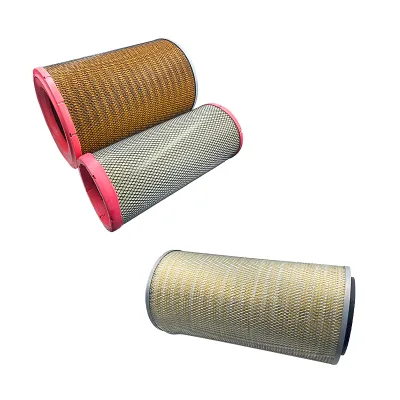
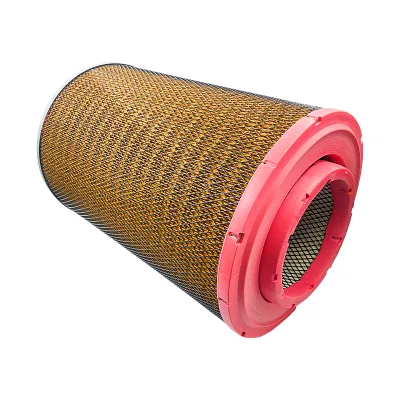
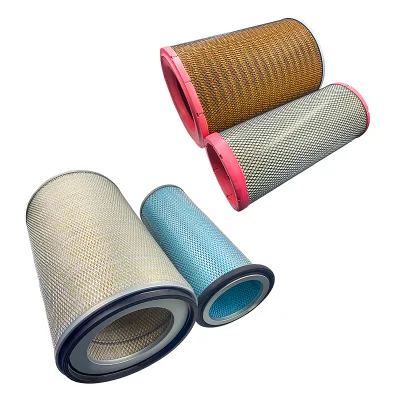
H-88050 Engine Hydraulic Oil Return Filter Excavator Diesel Suction Element
$0.99 - $2.99
MOQ: 200 Pieces


Hot Sale Excavator Hydraulic Oil Suction Filter 60200363 Auto Oil Filter Element
$0.99 - $2.99
MOQ: 200 Pieces




Comprehensive Sourcing Guide
Strategic Sourcing Guide for Excavator Oil Suction Filter Elements
Understanding the Technical Landscape of Hydraulic Filtration
The procurement of an Excavator Oil Suction Filter Element requires a nuanced understanding of the specific mechanical principles and performance metrics that define effective filtration in heavy machinery. Based on the available market data, these components are primarily engineered for Solid-Liquid Separation and the removal of Oil Impurities. The core mechanical principle observed in high-performance units is Adsorption, a process where contaminants adhere to the filter media rather than merely being trapped by a physical sieve. This distinction is critical for buyers, as adsorption-based filters often provide superior efficiency in capturing microscopic particles that can cause premature wear in hydraulic pumps and valves.
When evaluating the Type of filter, the market presents a mix of Press Filter and Suction Filter configurations. For the specific application of an excavator suction line, the Suction Filter is the requisite design, as it protects the hydraulic pump from cavitation and debris before the oil enters the pressurized system. The Filter Element Form frequently cited in the supply chain is the Radial Seal, which ensures a tight fit within the housing and prevents bypass leakage. Buyers must verify that the specific element they select matches the radial seal dimensions of their excavator's hydraulic tank, as a mismatch can lead to catastrophic system failure.
The Performance expectations for these elements are high, with many listings emphasizing Efficient Filtration and Sophisticated Filters. However, the actual Filtering Accuracy varies significantly across different models. Data indicates specific accuracy ratings such as 30 (likely microns) for certain units, while others rely on material composition like Glass fiber material to achieve their separation capabilities. The Maximum Working Differential Pressure is another vital technical constraint; observed values reach up to 10 (likely bar), which defines the pressure drop the filter can withstand before collapsing or requiring replacement. Exceeding this limit can compromise the structural integrity of the element.
Compliance, Certification, and Standard Verification
In the industrial sector, particularly for components used in heavy equipment like excavators, compliance with international standards is non-negotiable. The supply chain for these filter elements demonstrates a strong adherence to CE and ISO9001: Condition:New certifications. These certifications indicate that the manufacturing processes meet specific European safety and quality management requirements, which is essential for buyers operating in regulated markets. The presence of CE certification specifically suggests that the product complies with health, safety, and environmental protection standards for products sold within the European Economic Area.
Beyond general certifications, buyers must scrutinize the prod_standard attributes provided by suppliers. While some listings reference a dimensional standard of 130*130, others cite 0.35, which may refer to a specific filtration rating or material thickness. It is imperative for procurement teams to verify these numbers against the original equipment manufacturer (OEM) specifications for their specific excavator model. Relying solely on a generic standard like 130*130 without cross-referencing the actual machine requirements can lead to fitment issues. Additionally, the Classification of the filter includes Filter Type, Centrifugal Type, and Oil Bath Type. For a suction filter element, the Filter Type is the primary classification, but understanding the broader context of the system helps in selecting the right accessory components.
The Application field explicitly lists Excavator as a primary use case, confirming the relevance of these products to the heavy machinery sector. However, the Applicable System is often more specific, such as the Hydraulic Oil Circulation System (Designed Specifi). Buyers should ensure that the filter element is compatible with the specific hydraulic circuit of their machine. The Operating Temperature is another critical compliance factor; observed data points to an operating range of 90 degrees Celsius and a maximum of 248 degrees Celsius. These figures represent the thermal limits of the filter media and seal materials. Procurement decisions must account for the ambient and operational temperatures of the excavator's environment to prevent material degradation.
Cost Drivers and Pricing Dynamics in the Global Market
The pricing structure for excavator oil suction filter elements is influenced by a complex interplay of material costs, manufacturing complexity, and logistics. The observed listed price range in the current market spans from 0.99 to 99 USD. This wide variance suggests a highly segmented market where price is not a direct indicator of quality but rather a reflection of the specific model, material composition, and brand positioning. Lower-priced items may be generic replacements, while higher-priced units often correspond to OEM-equivalent parts with stricter quality controls and advanced filtration media.
The MOQ (Minimum Order Quantity) is a significant cost driver for buyers. The observed MOQ range is 1-200, with specific listings indicating a range of 100-300 for certain high-volume suppliers. This variability allows for flexibility; small workshops can procure single units for immediate repairs, while large fleet operators can leverage bulk purchasing to reduce unit costs. The Sample Order availability is another factor that influences initial procurement costs. With a Delivery for Sample lead time of 3-15 Days, buyers can test the product's fit and performance before committing to a large order, mitigating the risk of purchasing incompatible or substandard parts.
Logistics and packaging also contribute to the total cost of ownership. The Mode of Transportation notes that Pallets Are Available, which is essential for bulk shipping. The prod_packing varies from Cartons or Pallets to Wooden Cases and Cardboard. The choice of packaging affects the shipping cost and the protection of the product during transit. For international shipments, Wooden Cases offer superior protection but incur higher freight charges. Conversely, Independent Packing or Individually Wrapped units are ideal for smaller orders but may increase the per-unit packaging cost. Buyers must calculate the total landed cost, including freight, insurance, and duties, rather than focusing solely on the unit price.
Typical Applications and System Compatibility
The primary application for these filter elements is within the hydraulic systems of Excavators. The Applicable Object is listed as Air Dust in some contexts, which may refer to the filtration of air in the breather system or the prevention of airborne contaminants from entering the hydraulic tank. However, the core function remains the filtration of Oil-Water Separator and Oil and Gas Separation byproducts within the hydraulic fluid. The Job Stress rating of 80 indicates the mechanical load the filter can endure, which is crucial for excavators operating in high-vibration environments.
The Filtering Accuracy of 30 suggests a medium-fine filtration capability, suitable for protecting sensitive hydraulic components from larger particulates. For systems requiring higher precision, buyers should look for elements with lower micron ratings, though these may have a higher pressure drop. The Working Pressure of 145 (likely bar) highlights the robustness required for high-pressure hydraulic circuits. This specification ensures that the filter element will not burst or deform under the intense pressure fluctuations common in excavator operations.
The Classification of the product includes Centrifugal Type and Oil Bath Type, which are alternative filtration methods. While the suction filter element is the primary focus, understanding these other types helps in designing a comprehensive filtration strategy. For instance, a centrifugal separator might be used as a pre-filter to remove bulk water and heavy solids before the oil reaches the suction filter element. This multi-stage approach extends the life of the primary filter and maintains the cleanliness of the hydraulic fluid.
Supplier Evaluation and Quality Assurance Protocols
Evaluating suppliers for hydraulic filter elements requires a rigorous approach to quality assurance. The Condition of the products is consistently listed as New, which is a baseline requirement. However, buyers must go beyond this to verify the Service level, with many suppliers advertising Excellent Service. This often translates to responsive technical support, accurate documentation, and reliable after-sales service. The Service attribute is particularly important for buyers who may need urgent replacements for critical machinery downtime.
The Location of the suppliers is predominantly China, with specific mentions of Xuzhou, Jiangsu, China. This region is a known hub for hydraulic component manufacturing. While the geographic origin is a fact, buyers should not assume uniform quality across all suppliers in this region. The Certification status, specifically CE and ISO9001, serves as a proxy for quality management systems. Buyers should request copies of these certificates and verify their validity with the issuing bodies.
Quality control should also extend to the Packaging and Packing methods. The prod_packing options include in Nude, Single, and Carton Box or Wooden Box. The in Nude option, while cost-effective, carries a higher risk of damage during transit. Buyers should insist on protective packaging, such as Cartons or Wooden Cases, to ensure the filter elements arrive in pristine condition. The Quantity of Packing being Independent Packing is a positive indicator, as it suggests that each unit is protected individually, reducing the risk of cross-contamination or physical damage.
Long-Term Procurement Considerations and Operational Efficiency
Sourcing hydraulic filter elements is not merely a transactional activity but a strategic decision that impacts long-term operational efficiency. The Mode of Transportation and Lead Time are critical factors in maintaining a steady supply chain. With a Delivery for Sample time of 3-15 Days, buyers can expect relatively quick turnaround for small orders. However, for bulk orders, the lead time may extend, and buyers should plan their inventory accordingly to avoid stockouts.
The Performance of the filter element directly correlates with the lifespan of the excavator's hydraulic system. Efficient Filtration reduces the frequency of maintenance and the risk of component failure. By selecting filters with the correct Filtering Accuracy and Maximum Working Differential Pressure, buyers can optimize the maintenance schedule and reduce downtime. The Operating Temperature limits must also be respected to prevent premature aging of the filter media.
The Classification of the filter as a Hydraulic Filter underscores its importance in the overall system. Buyers should consider the total cost of ownership, including the cost of the filter, the cost of labor for replacement, and the cost of potential downtime. Investing in high-quality filters with robust Certification and Performance ratings can yield significant savings over the life of the equipment. The Application in Excavator systems means that the filter must withstand harsh conditions, and the Job Stress rating is a key indicator of its durability.
Comparative Analysis of Filter Specifications
To assist buyers in making informed decisions, the following table summarizes the key specifications observed in the market data for excavator oil suction filter elements. This comparison highlights the variability in models and the critical parameters that must be verified before purchase.
| Specification Category | Observed Value / Range | Relevance to Buyer |
|---|---|---|
| Product Model | b, FBX-250, filter, 531B0100H02, hf28913, 9610112-22001-M, 803172375 WUI100 100 J, EF-182B-100 | Must match OEM part number exactly. |
| Filter Type | Press Filter, Suction Filter | Suction Filter is required for pump protection. |
| Mechanical Principle | Adsorption | Indicates high-efficiency particle capture. |
| Filtering Accuracy | 30 (Microns) | Determines the size of particles removed. |
| Working Pressure | 145 (Bar) | Must exceed system operating pressure. |
| Max Differential Pressure | 10 (Bar) | Limits the pressure drop before replacement. |
| Operating Temperature | 90°C - 248°C | Must match the hydraulic fluid temperature range. |
| Certification | CE, ISO9001 | Ensures compliance with safety and quality standards. |
| Material | Glass fiber material | Affects filtration efficiency and durability. |
| Seal Form | Radial Seal | Critical for preventing bypass leakage. |
| MOQ | 1 - 200 (Some 100-300) | Influences order volume and unit cost. |
| Packaging | Cartons, Pallets, Wooden Cases, Nude | Affects shipping cost and product protection. |
This table serves as a reference point for buyers to cross-reference their specific requirements against the available market data. It emphasizes the importance of verifying each parameter to ensure compatibility and performance. By adhering to these specifications and conducting thorough due diligence, buyers can secure reliable supply chains for their excavator maintenance needs.
FAQs
What is the mechanical principle used in these filters?
The core mechanical principle observed is adsorption, where contaminants adhere to the filter media. This process ensures efficient filtration by capturing microscopic particles that physical sieves might miss, protecting hydraulic components from wear.
Which certification standards do these products typically meet?
Products commonly hold CE and ISO9001 certifications, indicating compliance with European safety and quality management standards. These credentials are essential for buyers operating in regulated markets to ensure the filter meets international safety requirements.
Can I order a sample before purchasing a large quantity?
Yes, sample orders are available with a delivery time ranging from 3 to 15 days. This allows buyers to verify fit and performance before committing to bulk orders, mitigating the risk of purchasing incompatible parts for their excavators.
What is the maximum working differential pressure for these elements?
The maximum working differential pressure observed is 10, which defines the pressure drop the filter can withstand. Exceeding this limit can compromise the structural integrity of the element, so it is critical to stay within this specification.
How are these filter elements packaged for shipping?
Packaging options include cartons, pallets, wooden cases, or individual wrapping depending on the supplier. Independent packing is often used to protect each unit, while wooden cases offer superior protection for international bulk shipments to prevent damage during transit.
What is the minimum order quantity for these hydraulic filters?
The minimum order quantity ranges from 1 to 200 units, with some suppliers requiring 100 to 300 for specific models. This flexibility allows small workshops to buy single units while large fleet operators can leverage bulk purchasing to reduce costs.
Where are these hydraulic filter elements primarily manufactured?
The products originate from China, with specific manufacturing hubs located in Xuzhou, Jiangsu. This region is a known center for hydraulic component production, though buyers should verify specific supplier locations and certifications for quality assurance.