Source Excavator Mounted Hydraulic Vibro Hammer for Mining Construction Piling
Find 30 Excavator Mounted Hydraulic Vibro Hammer units suitable for mining, construction works, and pile driving applications. Compare specifications including operating pressure, flow rates, and compatible excavator weights from verified Chinese manufacturers.
Key considerations
Products List
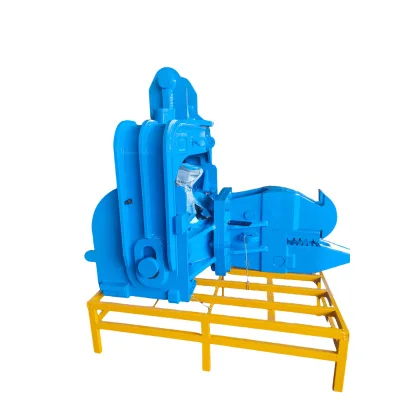
Hydraulic Pile Hammer Excavator Vibrator Hammer,excavator Mounted Vibro Hammer
$1021.27 - $1327.66
MOQ: 1 pieces


$18000.00 - $21000.00
MOQ: 1 Pieces

Excavator Mounted Hydraulic Vibratory Hammer Sheet Pile Vibro Hammer
$14000.00 - $18000.00
MOQ: 1 Pieces


18-65t Excavator Mounted Hydraulic Vibro Hammer/Vibratory Sheet Pile Driver
$3000.00 - $4500.00
MOQ: 1 Pieces


High-Performance Excavator Vibro Hammer for Efficient Vibratory Pile Driving
$14000.00 - $15000.00
MOQ: 1 Pieces
Comprehensive Sourcing Guide
Excavator Mounted Hydraulic Vibro Hammer Sourcing Guide
Procuring an excavator-mounted hydraulic vibro hammer requires a disciplined approach to aligning machine compatibility with site-specific geotechnical demands. These attachments transform standard hydraulic excavators into versatile pile-driving and soil compaction tools, offering a mobile alternative to dedicated piling rigs. Buyers must prioritize the verification of hydraulic flow and pressure parameters to ensure the attachment operates efficiently without overloading the host excavator’s system. The decision to source these units often hinges on the balance between initial capital expenditure and the operational flexibility gained by utilizing existing fleet equipment.
The market for these attachments is characterized by a wide variance in specifications, ranging from compact units for light construction to heavy-duty models for mining and large-scale infrastructure projects. Sourcing decisions should be guided by a clear understanding of the target excavator’s tonnage class and the specific soil conditions of the project site. By focusing on verified technical data and supplier transparency, procurement teams can mitigate the risks associated with mismatched equipment and ensure that the vibro hammer delivers the required penetration rates and compaction forces throughout the lifecycle of the project.
Product Scope and Observed Listing Signals
The current market landscape for excavator-mounted vibro hammers presents a diverse array of models tailored to different operational scales. Listings indicate a price range that reflects the complexity of the hydraulic systems and the structural integrity of the hammer bodies, with observed values spanning from approximately $1,000 to $50,000 USD. This variance typically correlates with the rated excitation force, operating weight, and the maximum pile length capabilities of the unit. Buyers should interpret these price points as indicative of the tier of equipment, where higher-end models offer greater durability and performance metrics suitable for demanding environments such as mining or heavy civil construction.
Minimum Order Quantities (MOQ) for these specialized attachments are generally low, often set at just one set, which facilitates trial purchases and project-specific acquisitions. The observed listings highlight that customization is frequently available, allowing buyers to specify colors and potentially adapt certain features to their brand or site requirements. Furthermore, the presence of video outgoing-inspection services suggests a growing trend toward remote verification of product condition before shipment. This feature provides an additional layer of confidence for international buyers, enabling them to visually confirm the assembly quality and finish of the unit prior to committing to the purchase.
Technical Specifications to Verify
Verifying the hydraulic compatibility between the vibro hammer and the host excavator is the most critical technical step in the sourcing process. Key parameters to scrutinize include the operating pressure, which may range from 160-180 kgf/cm² in some models to 300 Bar or 32 MPa in others, and the oil flow requirements, which can vary from 155 l/min to 250 l/min. Mismatching these values can lead to inefficient operation, excessive heat generation, or damage to the excavator’s hydraulic pumps. Buyers must cross-reference the hammer’s rated excitation force and vibration frequency, which may be listed in beats per minute (bpm) or revolutions per minute (rpm), to ensure they meet the geotechnical requirements of the intended application.
Structural and dimensional specifications also play a vital role in determining the suitability of the attachment for specific excavator classes. The operating weight of the hammer, which can range from 800 kg for auxiliary arms to over 2,300 kg for full units, must be within the safe working load limits of the target excavator. Additionally, the rod diameter and eccentricity moment torque are essential metrics for assessing the hammer’s ability to penetrate dense soils or drive large piles. Buyers should also consider the maximum pile length capability, which may be specified as 6-9 meters, to ensure the unit can handle the depth requirements of the project without needing frequent repositioning or additional support structures.
Compliance and Safety Documentation
Ensuring that the vibro hammer meets relevant international standards is essential for maintaining operational safety and regulatory compliance. Certifications such as CE and ISO 9001 are commonly cited in product listings, indicating that the manufacturer adheres to specific quality management and safety directives. Buyers should request copies of these certificates to verify their validity and scope, ensuring that the equipment has undergone the necessary testing and quality assurance processes. The presence of these certifications not only facilitates customs clearance in many regions but also provides assurance that the product has been manufactured under controlled conditions.
Safety documentation should also include detailed operational manuals that cover noise levels, maintenance procedures, and emergency shutdown protocols. Some listings indicate that the equipment may come with noise features, which is a critical consideration for projects located in urban or environmentally sensitive areas. Buyers must verify that the supplier provides comprehensive documentation on the hydraulic system pressure ratings and maximum turning angles, which can be up to 180 degrees in some models. This information is crucial for planning safe installation procedures and ensuring that the attachment can be operated within its designed parameters without risking structural failure or operator injury.
Cost Drivers and Commercial Terms
The total cost of ownership for an excavator-mounted vibro hammer is influenced by several factors beyond the initial purchase price. The operating weight and material composition, such as the use of high-grade steel, contribute to the manufacturing cost and durability of the unit. Buyers should also consider the cost of any required customization, such as specific color schemes or branding, which may incur additional fees. The packaging method, whether containerized or wooden boxed, can also impact shipping costs and insurance premiums, particularly for international transactions.
Commercial terms and warranty provisions are significant components of the procurement agreement. A standard warranty period of one year is commonly offered, providing coverage against manufacturing defects and premature failures. Buyers should clarify the scope of this warranty, including whether it covers hydraulic components and structural parts, and understand the process for claiming repairs or replacements. Additionally, the selling unit designation as a single item suggests that pricing is typically quoted per set, but buyers should confirm whether accessories, such as mounting brackets or hydraulic hoses, are included in the base price or available as optional add-ons.
Supplier Qualification and Quality Control
Evaluating the supplier’s capability to deliver high-quality vibro hammers requires a thorough assessment of their manufacturing and quality control processes. Suppliers located in regions such as Guangdong and Yantai in China are common sources for these attachments, and buyers should verify the supplier’s production capacity and history. The availability of video outgoing-inspection services is a positive indicator of transparency, allowing buyers to witness the final quality checks before the product leaves the factory. This step helps to identify any cosmetic defects or assembly issues that might not be apparent in static photographs.
Supplier qualification should also include an review of their certification status and adherence to international standards. Buyers should request evidence of ISO 9001 compliance and CE certification, ensuring that these documents are current and applicable to the specific models being purchased. Furthermore, assessing the supplier’s ability to provide customization services can be an important factor for buyers who require specific modifications to fit their existing fleet. A reliable supplier will demonstrate a clear understanding of the technical requirements and be able to provide detailed specifications and performance data for each model in their catalog.
Long-Term Procurement Checks
Establishing a long-term procurement strategy for vibro hammers involves monitoring the supplier’s performance and the equipment’s reliability over time. Buyers should track the frequency of maintenance requirements and the availability of spare parts to ensure minimal downtime during operations. The warranty period is a key metric for assessing initial quality, but long-term reliability is best judged by the supplier’s responsiveness to service requests and the durability of the hydraulic seals and structural components. Regular feedback from field operators can provide valuable insights into the hammer’s performance under real-world conditions.
Continuous improvement in the sourcing process can be achieved by periodically reviewing the market for new models and technologies. As the industry evolves, suppliers may introduce updates to their vibro hammers that offer improved efficiency, reduced noise, or enhanced compatibility with newer excavator models. Buyers should maintain open communication with their suppliers to stay informed about these developments and assess whether upgrades or replacements are warranted. By staying engaged with the supplier and monitoring equipment performance, procurement teams can optimize their fleet utilization and ensure that their vibro hammer investments continue to deliver value over the long term.
FAQs
What is the operating pressure for this vibro hammer?
The operating pressure ranges from 160 to 180 kgf/cm2. This specification ensures efficient hydraulic performance for compatible excavators. The working pressure is rated at 300 Bar, while the hydraulic system pressure can reach 32MPa. These values support stable operation during pile driving tasks in mining and construction environments.
Which excavator weights are compatible with this equipment?
This vibro hammer is suitable for 18-25 ton and 26-35 ton excavators. It is compatible with brands such as Hitachi, Komatsu, Volvo, and Caterpillar. The design allows for versatile mounting on various heavy machinery. Buyers should verify specific model compatibility to ensure optimal performance and safety during installation and operation.
Can the product be customized for specific projects?
Yes, customization is available for this vibro hammer. Buyers can request customized colors and specific product configurations to meet unique project requirements. The manufacturer supports tailored solutions for different application scenarios. This flexibility allows for better integration into existing machinery fleets and specific operational needs.
What certifications does the manufacturer hold?
The product holds CE and ISO 9001 certifications. These standards confirm compliance with international quality and safety regulations. The condition is new, and the origin is Guangdong, China. These certifications provide assurance regarding manufacturing quality and operational safety for global buyers in construction and mining sectors.
What is the MOQ for ordering this vibro hammer?
The minimum order quantity is 1 Set. This low MOQ allows buyers to test the equipment with minimal initial investment. The selling unit is a single item, facilitating easy procurement. This policy supports both small-scale projects and larger fleet expansions without requiring bulk commitments.
How is the product packaged for shipping?
The product is packaged in a container or wooden package. This ensures safe transit and protection against damage during international shipping. The single package size is specified for logistics planning. Proper packaging helps maintain the condition of the vibro hammer until it reaches the destination site.