Source Excavator Monitor Power Module for Hydraulic, Construction, and Mining
Source 30 Excavator Monitor Power Module units from verified suppliers in China. Compare specifications including 24V systems, 16-bit processors, and compatible brands like Komatsu and Volvo for hydraulic, construction, and mining applications.
Key considerations
Products List
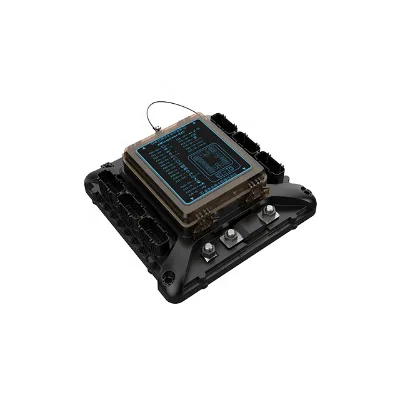
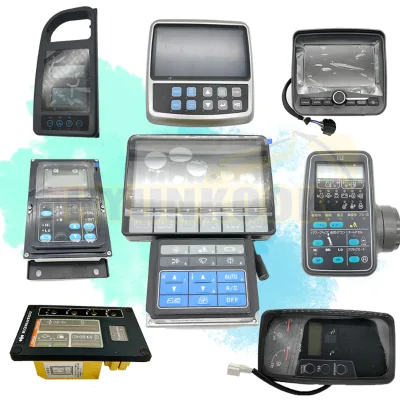


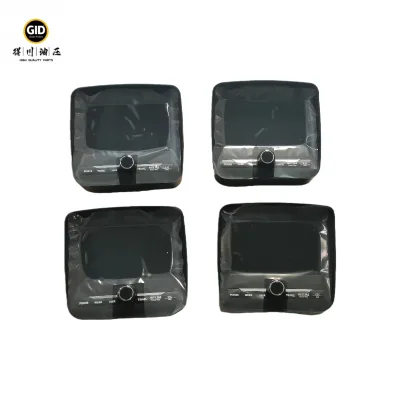

Customizable Transmission Control Module CNC Machine Excavator Construction Machinery
$40000.00 - $400000.00
MOQ: 1 Sets


Excavator Machinery Parts Monitor 320c 260-2158 2602160 1573198 2602158 Monitor
$230.00 - $235.00
MOQ: 1 Pieces
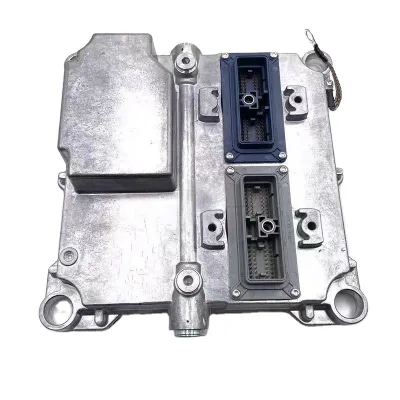


Excavator Electric Parts Monitor for PC200-7/PC220-7/PC300-7 7835-12-3006
$200.00 - $2000.00
MOQ: 10 Pieces


Excavator Monitor LCD106-0172, LCD151-9385 for Cat320b, E325b, E330b E320b
$100.00 - $1000.00
MOQ: 1 Pieces
Comprehensive Sourcing Guide
Strategic Sourcing Guide for Excavator Monitor Power Modules
The procurement of specialized components for heavy machinery, specifically the Excavator Monitor Power Module, requires a rigorous approach that balances technical compatibility with supply chain reliability. In the global aftermarket for construction equipment, buyers often encounter a fragmented market filled with generic listings and specific OEM replacements. This guide synthesizes observed market data and technical attributes to provide a disciplined framework for sourcing these critical electronic control units. The focus remains on verifying product integrity, understanding the underlying architecture, and establishing clear evaluation criteria for potential suppliers without relying on unverified marketing claims.
Technical Architecture and Component Specifications
Understanding the internal architecture of an Excavator Monitor Power Module is the first step in defining precise procurement requirements. These units are not merely display screens; they function as complex electronic control modules that manage power distribution, signal processing, and system monitoring. Based on available product data, the core processing unit often utilizes a 16-bit processor architecture, which dictates the system's ability to handle real-time data from hydraulic sensors and engine diagnostics. The memory configuration is equally critical for system stability. Observed specifications indicate a Flash memory capacity of 256KByte and a Random Access Memory (RAM) of 11KByte, alongside an EEPROM of 4k. These figures suggest a design optimized for storing calibration data and boot sequences while maintaining a low footprint for rapid response times.
The power supply system for these modules typically operates within a 24V power supply system, which is the industry standard for heavy construction machinery. However, the standby power consumption is a vital efficiency metric, with observed values as low as 3mA, ensuring that the unit does not drain the vehicle's battery during idle periods. Connectivity is managed through specific interface types, including Analog Input, Digital Input, and Digital Output, allowing the module to integrate seamlessly with various sensor networks. The physical connection point is often standardized, with the ITT 12 pin series being a common connector type observed in the market. Furthermore, the communication protocol may involve download modes via CANbus, facilitating firmware updates and diagnostic data retrieval without physical disassembly. The operating frequency of 25MHz further defines the processing speed, ensuring that the monitor can refresh data and display warnings in real-time.
Compliance, Certification, and Regulatory Standards
When sourcing electronic components for industrial machinery, verifying compliance with international standards is non-negotiable. The market data indicates that reputable suppliers often provide certifications such as CE and ISO9001. The CE marking confirms that the product meets EU safety, health, and environmental requirements, which is essential for exporters and importers dealing with European markets. Similarly, ISO9001 certification validates that the manufacturer adheres to a consistent quality management system. Buyers must explicitly request proof of these certifications rather than accepting them as implied attributes.
In addition to general certifications, the condition of the product is a primary differentiator. The market distinguishes between "New" units and "Aftermarket" replacements. While aftermarket parts offer cost savings, they must still meet rigorous quality standards. The term "High-Quality" is frequently used in listings, but this is a subjective claim. Buyers should verify if the product is a direct replacement for the original part number or a compatible alternative. For instance, specific part numbers like 260-2193, 4921776, and 600-463-3100 are associated with specific models, and sourcing the exact match is often preferable to generic alternatives. The presence of a "standard" product standard in the listing should be cross-referenced with the specific machinery manual to ensure electrical and mechanical compatibility.
Cost Drivers and Pricing Variables
The pricing landscape for excavator monitor power modules is highly volatile, with observed ranges spanning from $5 to $400,000. This extreme variance is not indicative of a single product line but rather reflects the diversity of the market, ranging from simple display units to complex, fully integrated electronic control modules with advanced networking capabilities. The lower end of the spectrum typically corresponds to basic monitor units or replacement screens, while the higher end includes full controller assemblies with extensive processing power and proprietary software.
Several factors drive these costs. First, the brand name plays a significant role; products branded as "Smart Control" or "HYUNKOOK" may carry different price premiums compared to unbranded or generic equivalents. Second, the compatibility with major brands such as Sumitomo, Hyundai, Komatsu, Volvo, Doosan, and Caterpillar influences pricing. Modules designed for specific OEMs often command higher prices due to the complexity of the proprietary software and the exclusivity of the part number. Third, the level of customization available affects the final cost. Listings indicating "Customization: Available" suggest that the supplier can modify the unit to fit specific machine configurations, which adds to the manufacturing time and expense. Finally, the inclusion of value-added services, such as video outgoing-inspection and professional service packages, can also elevate the price point.
Typical Applications and Compatibility Matrix
The primary application for these modules is within the excavator sector, serving as the central interface for machine operators. The "Product Name: Controller & monitor" designation highlights the dual function of these units: they display operational data and actively control system functions. The compatibility matrix is broad, with observed data listing support for major global brands including Sumitomo, Hyundai, Komatsu, Volvo, Doosan, and Caterpillar. This suggests that the market is saturated with cross-compatible parts, but buyers must exercise caution.
The specific model numbers and part numbers are the most reliable indicators of application. For example, the model "eMinipower -344J-24V" and part numbers like "7835-13-1009" or "7835-16-2003" are specific identifiers that should be matched against the machine's serial number and existing part list. Using a generic part number without verifying the specific machine model can lead to installation failures or system incompatibilities. The "Application: Excavator" tag is a general classification, but the actual utility depends on the specific hydraulic and electrical architecture of the target machine. Buyers should prioritize suppliers who can provide detailed compatibility charts rather than relying on broad brand lists.
Supplier Evaluation and Geographic Considerations
Geographic origin is a significant factor in supplier evaluation. The observed data points to two primary manufacturing hubs: Shanghai, China, and Guangdong, China. Both regions are known for their robust electronics manufacturing ecosystems, but they may offer different levels of supply chain maturity. Suppliers located in these regions often have the capacity to produce high volumes, yet buyers must verify the specific factory capabilities. The "Place of Origin" field should be treated as a starting point for due diligence rather than a guarantee of quality.
When evaluating suppliers, the "Service" attribute is critical. Listings mentioning "Professional Service" imply a level of technical support that goes beyond simple transaction processing. Buyers should inquire about the scope of this service, including pre-sales technical consultation and post-sales troubleshooting. Additionally, the "Selling Units" attribute, which often lists "Single item," indicates flexibility in purchasing, which is beneficial for small repair shops or individual contractors. However, buyers should also check for Minimum Order Quantity (MOQ) constraints, which range from 1 to 100 pieces in the observed market. An MOQ of 1 Piece is highly favorable for procurement agility, allowing buyers to test a unit before committing to larger orders.
Quality Control and Verification Protocols
Quality assurance in the aftermarket sector requires a proactive approach. The "Condition: New" and "Quality: High-Quality" labels are common, but they must be substantiated. A key verification step is the "Video outgoing-inspection: Provided" feature. This allows buyers to visually inspect the physical condition of the unit, including connector integrity, label clarity, and physical damage, before the item is shipped. This visual confirmation is a critical risk mitigation strategy.
Furthermore, the warranty terms provide a baseline for quality confidence. A standard warranty period of 6 Months is observed in the market, which serves as a guarantee against immediate defects. Buyers should ensure that the warranty covers both hardware failure and software compatibility issues. The "Payment terms" such as PAYPAL, WEST UNION, and TT (Telegraphic Transfer) are standard, but the security of the transaction depends on the buyer's ability to verify the supplier's identity. The "Package: Neutral Carton" and "prod_packing: Standard" suggest that the units are shipped in generic packaging, which may require additional protection during transit to prevent damage to sensitive electronic components.
Long-Term Procurement and Lifecycle Management
Sourcing these modules is not a one-time transaction but part of a long-term lifecycle management strategy. The "Delivery time: Within 3 Days" indicates a high level of supply chain responsiveness, which is crucial for minimizing machine downtime. However, buyers must consider the long-term availability of these parts. As machinery ages, the availability of specific part numbers like 4921776 or 600-463-3100 may fluctuate. Suppliers who offer "Customization: Available" can help extend the life of older machines by creating replacement units when OEM parts are discontinued.
The programming language support, specifically "C/C++", suggests that these modules may require firmware updates or custom programming to function correctly with specific machine configurations. Buyers should ensure that their technical team has the capability to handle such updates or that the supplier provides comprehensive programming support. The "Network: Others" attribute implies that these units may integrate with proprietary or non-standard communication networks, requiring careful configuration during installation.
| Feature Category | Observed Attribute | Procurement Implication |
|---|---|---|
| Processor | 16-bit | Ensures adequate processing for real-time monitoring |
| Memory | 256KByte Flash, 11KByte RAM | Sufficient for standard diagnostic storage |
| Power | 24V System, 3mA Standby | Compatible with standard excavator electrical systems |
| Connector | ITT 12 pin series | Requires matching harness or adapter |
| Certification | CE, ISO9001 | Essential for regulatory compliance in export markets |
| Warranty | 6 Months | Standard industry protection period |
| Delivery | Within 3 Days | High availability for urgent repairs |
| MOQ | 1 Piece | Enables low-risk testing and small-batch purchasing |
In conclusion, sourcing an Excavator Monitor Power Module requires a meticulous approach that prioritizes technical verification over marketing claims. By focusing on the specific part numbers, understanding the 16-bit architecture, and demanding proof of certifications like CE and ISO9001, buyers can navigate the complex aftermarket landscape effectively. The observed data provides a solid foundation for defining requirements, but the ultimate success of the procurement depends on rigorous supplier evaluation and adherence to strict quality control protocols.
FAQs
What processor architecture is common in these modules?
These modules typically utilize a 16-bit processor architecture. This design supports real-time data processing for hydraulic sensors and engine diagnostics while maintaining system stability.
How is the memory capacity configured for these units?
Standard configurations include 256KByte of Flash memory and 11KByte of RAM. An EEPROM of 4k is also present to store calibration data and boot sequences efficiently.
Which power supply voltage system do these controllers use?
They operate within a 24V power supply system, which is the industry standard for heavy construction machinery. Standby power consumption is observed to be as low as 3mA.
Can these modules be customized for specific machine needs?
Yes, customization is available for many listings. Buyers should verify if the supplier can modify the unit to fit specific machine configurations or software requirements.
What certifications are typically provided for these electronic parts?
Reputable listings often include CE and ISO9001 certifications. These confirm compliance with safety standards and a consistent quality management system for industrial machinery.
How long is the typical delivery time for these parts?
Delivery times are often within 3 days for available stock. This rapid turnaround helps minimize machine downtime during critical repair operations.