Source Exfoliating Hyaluronic Acid Cleansing Gel for Skincare
Find 30 Exfoliating Hyaluronic Acid Cleansing Gel options from Zhejiang suppliers. Compare OEM/ODM body washes, moisturizing gels, and whitening formulas with customizable fragrances and packaging for your brand; compare the available evidence and request quotations based on your requirements.
Key considerations
Products List


Aloe Vera Gel Hyaluronic Acid Extract Nourishing Moisturizing Skin Water
$1.02 - $1.58
MOQ: 3000 Pieces

All Natural Aloe Vera Gel Nourishing Moisturizing Organic Gel for Skin Care
$0.50 - $5.00
MOQ: 3000 Pieces


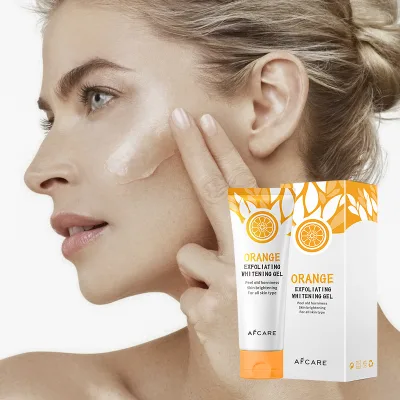

Priavte Label Face Wash Moisturizing Hyaluronic Facial Foam Cream Cleanser
$2.10 - $2.35
MOQ: 1000 Pieces


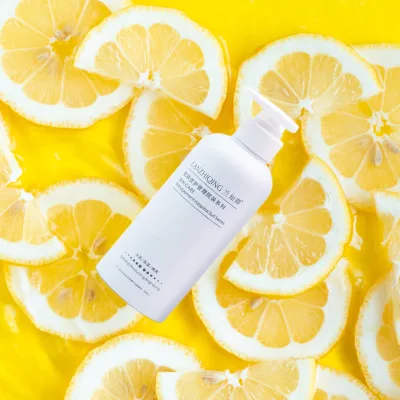


Balry Refreshing Exfoliator Pore Cleaning Women's Gentle Exfoliating Gel
$0.60 - $0.70
MOQ: 216 Pieces


Comprehensive Sourcing Guide
Exfoliating Hyaluronic Acid Cleansing Gel Sourcing Guide
Buyers must first distinguish between standard body wash formulations and specialized hyaluronic acid gels, as the supplied data reveals a mix of product types including herbal body washes and biological diagnostic reagents. While some listings explicitly mention hyaluronic acid with concentrations ranging from 20mg/Ml to 30mg/Ml, others describe general moisturizing gels with ingredients like aloe vera or chemical components. This distinction is critical because a product labeled as a cleansing gel may not inherently possess the exfoliating properties or specific hyaluronic acid concentrations required for advanced skincare routines.
Procurement teams should verify whether the "exfoliating" claim is supported by physical abrasives or chemical exfoliants, as the observed product attributes list features like deep cleansing and pore cleaning but do not universally confirm exfoliation mechanisms. The presence of items described as biological diagnostic reagents alongside cosmetic gels indicates a need for rigorous filtering to isolate true skincare products. Buyers should prioritize suppliers who clearly separate their cosmetic lines from medical or diagnostic inventory to ensure the final product aligns with intended cosmetic usage rather than clinical testing applications.
Product Scope and Observed Listing Signals
The market data indicates a wide variance in product forms, with some listings specifying gel textures while others include liquid options, requiring buyers to confirm the exact physical state of the final delivery. Observed attributes include fragrances such as lavender, jasmine, and orange, alongside customizable scent profiles, which suggests that buyers can tailor the sensory experience to their brand identity. However, the presence of "without disinfection" attributes in some listings necessitates a clear decision on whether the product requires additional sterilization steps before packaging or distribution.
Volume and packaging specifications vary significantly, ranging from small 1ml vials to large 1000ml containers, with packing formats including bottles, cartons, and customized customer options. This diversity allows for flexible sourcing strategies, yet it also introduces complexity in logistics planning, as some products are packed in small cartons of 24 pieces while others utilize bulkier configurations. Buyers must align their order quantities with the specific packaging constraints of the selected model, ensuring that the chosen volume and container type match their retail or distribution channel requirements without incurring unnecessary shipping costs.
Technical Specifications to Verify
Verification of the hyaluronic acid concentration is paramount, as the supplied facts explicitly list ranges between 20mg/Ml and 30mg/Ml for specific gel products, while other items lack this specific metric entirely. Buyers should demand batch-specific test reports confirming the active ingredient concentration to ensure efficacy, particularly since some listings describe the product as a biological diagnostic reagent rather than a cosmetic cleanser. The absence of a standardized concentration across all listings means that a generic inquiry may result in receiving a product with insufficient active ingredients for the desired anti-aging or moisturizing effects.
Texture and viscosity parameters must also be validated, as the observed data includes both gel and liquid forms with varying features like moisturizing, refreshing, and whitening capabilities. The presence of ingredients such as shea butter, green tea, and pearl in some formulations suggests potential synergistic effects, but these must be cross-referenced with the specific model number to avoid confusion with unrelated chemical-based products. Buyers should request physical samples to assess the consistency and spreadability, ensuring the product meets the tactile expectations of the target market before committing to a large-scale order.
Compliance and Safety Documentation
Safety documentation is a critical component of the procurement process, with observed certifications including CE, GMP, and MSDS for certain product lines, while others lack explicit certification details. Buyers must ensure that the specific model they intend to purchase carries the necessary regulatory approvals for the target market, as the presence of CE certification does not automatically apply to all listed items or variations. The distinction between products marked for external use and those potentially intended for other applications requires careful review of the safety data sheets to confirm compliance with local cosmetic regulations.
Disinfection status is another vital safety parameter, as some listings explicitly state "without disinfection," which may necessitate additional processing or validation by the buyer. This attribute implies that the product may not be sterile upon arrival, requiring the procurement team to assess whether their supply chain can accommodate further sterilization or if they must source from a supplier that guarantees a sterile final product. Failure to address this gap could lead to regulatory non-compliance or consumer safety issues, making it essential to verify the disinfection protocol for every batch before finalizing the purchase agreement.
Cost Drivers and Commercial Terms
Pricing and minimum order quantities (MOQ) exhibit significant variability, with observed MOQs ranging from a single piece to 30,000 units, directly influencing the total cost of ownership for different business scales. The wide price range observed, from 0.5 to 400 USD, suggests that costs are heavily dependent on the specific formulation, volume, and customization level required. Buyers should analyze the cost per unit relative to the packaging and volume specifications, as smaller MOQs often come with higher per-unit costs, while larger orders may offer economies of scale but require significant upfront capital.
Customization options, including private labeling and scent customization, are available but likely introduce additional costs and lead times that must be factored into the commercial terms. The ability to customize packaging, such as choosing between bottles or cartons, and the availability of OEM/ODM supply types allow for brand differentiation but require clear agreements on tooling fees and production timelines. Buyers should negotiate terms that clearly define the cost implications of these customizations to avoid unexpected expenses that could erode profit margins, ensuring that the final price reflects the specific value-added services requested.
Supplier Qualification and Quality Control
Supplier qualification should focus on verifying the origin and manufacturing capabilities, as the data indicates production primarily in Zhejiang and Hebei, China, with varying levels of standardization. Buyers must confirm that the supplier has the capacity to maintain consistent quality across different product models, especially given the mix of cosmetic and diagnostic reagent listings. The presence of multiple model numbers and varying ingredient profiles suggests that a single supplier may offer a broad portfolio, requiring buyers to ensure that the specific production line for their chosen product is dedicated and controlled to prevent cross-contamination or specification drift.
Quality control protocols must be rigorously assessed, particularly regarding the consistency of active ingredients like hyaluronic acid and the stability of the gel or liquid formulation. Buyers should request evidence of internal quality checks, such as batch testing records for viscosity, pH, and ingredient concentration, to ensure that the product meets the specified standards before shipment. The availability of certifications like GMP and MSDS is a positive indicator, but buyers should verify that these certifications are current and applicable to the specific product line being sourced to guarantee ongoing compliance and product integrity.
Long-Term Procurement Checks
Establishing a long-term relationship requires regular audits of the supplier's ability to maintain consistent product specifications and supply chain stability over time. Buyers should implement a schedule for periodic re-verification of key attributes, such as hyaluronic acid concentration and fragrance profiles, to ensure that the product does not drift from the initial agreed-upon standards. This proactive approach helps mitigate the risk of receiving substandard batches and ensures that the product continues to meet the evolving expectations of the end consumer.
Supply chain resilience is another critical factor, as the observed lead times and production locations in China may be subject to logistical disruptions or regulatory changes. Buyers should develop contingency plans that include alternative suppliers or buffer stock strategies to maintain inventory levels during potential supply interruptions. Regular communication with the supplier regarding production schedules and capacity planning will help anticipate any delays, ensuring that the procurement process remains smooth and that the business can respond effectively to market demands without interruption.
FAQs
What ingredients are used in the Exfoliating Hyaluronic Acid Cleansing Gel?
The product utilizes a blend of herbal and chemical ingredients, prominently featuring hyaluronic acid with a concentration of 20mg/Ml to 30mg/Ml. Additional components include aloe vera, green tea, pearl, and shea butter. These elements work together to provide moisturizing, whitening, and deep cleansing benefits for adult skin care routines.
Can I customize the fragrance and color of the gel?
Yes, customization is available for both fragrance and color. Buyers can choose from options like lavender, jasmine, aloe, or orange scents. Color choices include light green, light blue, cream-colored, or transparent variants. The packaging and formulation can be tailored to meet specific private label requirements for distinct brand identities.
What certifications do the manufacturers hold for this product?
Manufacturers hold CE, GMP, and MSDS certifications for production safety and quality assurance. These credentials ensure that the hyaluronic acid gel meets international standards for cosmetic and biological diagnostic reagents. Buyers can verify these documents to confirm compliance with regulatory requirements for exporting and selling the product in various global markets.
What are the standard packaging options for bulk orders?
Standard packaging includes cartons containing 24 pieces or 48 pieces per carton, depending on the specific model. Dimensions vary, with some cartons measuring 38*31*19cm or 23*8*4cm. Bottles are used for individual units, and custom packaging can be arranged by customers to align with their distribution and retail needs effectively.
What is the minimum order quantity for private label orders?
The minimum order quantity starts at 1 piece for some items, while others may require up to 30,000 pieces. This flexibility supports both small trial orders and large-scale production runs. Buyers should confirm the specific MOQ with the supplier based on the chosen model, such as SG002 or BW2, and the desired customization level.
Where are these hyaluronic acid gels manufactured?
These products are manufactured in Zhejiang, China, and Hebei, China. The primary origin is Zhejiang, known for its robust cosmetic manufacturing infrastructure. Buyers can rely on these locations for consistent supply chains and efficient logistics, ensuring timely delivery of customized gel formulations to international destinations.