Source Exfoliating Salt Body Scrub for Face, Lips, and Hands
Find 30 Exfoliating Salt Body Scrub options for face, lips, and hands. Compare herbal formulations, OEM services, and MOQs from Guangzhou suppliers to source effective deep cleansing and moisturizing products for all ages.
Key considerations
Products List

Beauty Cosmetics Skin Care Body Exfoliating Scrub Lavender Salt Body Scrub
$2.00 - $2.85
MOQ: 100 Pieces


Organic Pure Body Scrub Whitening Sea Salt Sugar Exfoliator Foot SPA Care
$0.89 - $1.99
MOQ: 48 Pieces


OEM Deep Cleansing Exfoliating Moisturize Skin Himalayan Salt Body Scrub
$2.52 - $2.98
MOQ: 3000 Pieces


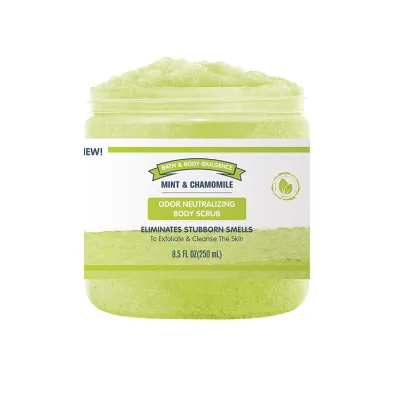


Comprehensive Sourcing Guide
Exfoliating Salt Body Scrub Sourcing Guide
Sourcing exfoliating salt body scrubs requires a nuanced understanding of both the cosmetic formulation and the commercial logistics involved in importing personal care products. These products combine mineral or sea salt crystals with carrier oils and active ingredients to provide mechanical exfoliation, aiming to remove dead skin cells while delivering hydration. The procurement process is heavily influenced by the specific type of salt used, the viscosity of the accompanying oils, and the regulatory environment of the destination market. Buyers must navigate a landscape where product stability, packaging integrity, and supplier reliability are paramount to ensuring a safe and effective end product.
This guide outlines the critical steps for evaluating suppliers, verifying technical specifications, and managing commercial risks associated with bulk procurement. By focusing on evidence-based verification methods and clear commercial terms, buyers can mitigate the common pitfalls of sourcing cosmetic raw materials and finished goods. The following sections provide a structured approach to assessing product scope, technical details, compliance requirements, cost structures, supplier qualifications, and long-term operational checks.
Product Scope and Observed Listing Signals
The current market for exfoliating salt body scrubs presents a diverse range of formulations, with observed price points typically ranging from $0.55 to $3.85 USD per unit. This wide variance often reflects differences in ingredient quality, such as the distinction between standard sea salt and premium Himalayan or Dead Sea salt, as well as variations in packaging complexity and volume. Buyers should note that the minimum order quantity (MOQ) for these products generally spans from 48 to 5,000 pieces, indicating that suppliers cater to both small-batch private labelers and large-scale distributors. Understanding these signals helps in aligning procurement volumes with sales forecasts and storage capabilities.
Product attributes observed in listings frequently highlight specific use cases, including application on the face, body, hands, and lips, with some formulations targeting all age groups while others are restricted to adults or children above three years old. Common functional claims include deep cleansing, moisturizing, smoothing, and brightening, often supported by ingredients like herbal extracts, lavender, or coffee. Buyers must carefully cross-reference these marketing claims with the actual ingredient lists and safety data sheets to ensure that the product’s intended efficacy aligns with regulatory standards in the target market.
Technical Specifications to Verify
Technical verification begins with confirming the physical and chemical properties of the scrub, particularly the particle size of the salt and the stability of the oil-salt mixture. Listings indicate standard volumes such as 120g, 250g, and 100ml, with packaging options ranging from normal jars to paper boxes and cartons. It is essential to verify that the chosen packaging material is compatible with the product’s moisture content to prevent leakage or degradation during transit. Additionally, buyers should confirm the shelf life and storage conditions, as salt-based scrubs can be sensitive to humidity, which may cause clumping or microbial growth if not properly preserved.
The formulation’s primary ingredients and functional benefits must be clearly documented in the product specification sheet. For instance, some products are marketed for acne treatment, detoxification, or blackhead removal, while others focus on general smoothing and softening. Buyers should request detailed ingredient breakdowns to identify potential allergens or irritants, especially if the product is intended for sensitive skin or specific demographics like babies or adults. Verifying the consistency and texture of the scrub through sample testing is crucial to ensure it meets the desired user experience and does not separate or dry out over time.
Compliance and Safety Documentation
Compliance with international and local cosmetic regulations is non-negotiable for importing exfoliating salt body scrubs. Buyers must ensure that suppliers possess relevant certifications such as GMPC, ISO 22716, and Sedex, which indicate adherence to good manufacturing practices and ethical sourcing standards. These certifications are critical for demonstrating product safety and quality control to regulatory bodies and consumers. Additionally, buyers should verify that the product meets the specific labeling requirements of the destination country, including full ingredient disclosure, net weight, and manufacturer information.
Safety data sheets (SDS) and product safety assessments are essential documents that must be reviewed before placing bulk orders. These documents provide critical information on the product’s chemical composition, potential hazards, and first-aid measures. Buyers should also inquire about stability testing and microbial challenge testing results to ensure the product remains safe and effective throughout its shelf life. For products marketed towards children or specific age groups, additional safety validations may be required to ensure the absence of harmful substances and the appropriateness of the exfoliating strength.
Cost Drivers and Commercial Terms
The total cost of procurement is influenced by several factors, including the raw material costs, packaging expenses, and logistics fees. The observed price range of $0.55 to $3.85 USD suggests that buyers can find options at various price points, but the lowest price may not always reflect the best value when considering quality and compliance. Buyers should request detailed quotations that break down costs for the product, packaging, and shipping to identify potential hidden fees. Additionally, the MOQ of 48 to 5,000 pieces allows for flexibility, but larger orders may offer better unit prices, though they require greater storage capacity and capital investment.
Commercial terms such as payment methods, lead times, and return policies should be clearly defined in the contract. Sample lead times are typically reported as 3-5 days, which is useful for quick evaluation, but bulk production lead times can vary significantly based on order volume and supplier capacity. Buyers should negotiate favorable payment terms, such as partial upfront payment and balance upon shipment, to mitigate financial risk. It is also important to clarify who is responsible for import duties, taxes, and insurance during transit to avoid unexpected costs upon delivery.
Supplier Qualification and Quality Control
Evaluating supplier qualifications involves more than just checking certifications; it requires a comprehensive assessment of their manufacturing capabilities and quality control processes. Buyers should verify the supplier’s production capacity, facility cleanliness, and adherence to standard operating procedures. Requesting a virtual or on-site audit can provide valuable insights into the supplier’s operational efficiency and commitment to quality. Additionally, buyers should inquire about the supplier’s experience in exporting to the target market and their ability to handle custom formulations or private label services.
Quality control measures should be established before production begins, including pre-production sample approval and in-process inspections. Buyers should define clear acceptance criteria for product appearance, texture, and packaging integrity. Implementing a third-party inspection service for pre-shipment checks can help identify defects or non-conformities before the goods are dispatched. Establishing a robust quality control protocol ensures that the final product meets the buyer’s standards and reduces the risk of receiving substandard or non-compliant goods.
Long-Term Procurement Checks
Long-term procurement success depends on continuous monitoring of supplier performance and market trends. Buyers should establish key performance indicators (KPIs) to track supplier reliability, including on-time delivery rates, product quality consistency, and responsiveness to issues. Regular communication with the supplier is essential to address any emerging challenges and to explore opportunities for product improvement or cost optimization. Additionally, buyers should stay informed about changes in regulatory requirements and consumer preferences to ensure that the sourced products remain relevant and compliant.
Building a diversified supplier base can mitigate risks associated with single-source dependency. Buyers should consider qualifying alternative suppliers for critical components or formulations to ensure business continuity in case of supply chain disruptions. Regularly reviewing and updating the supplier qualification process helps maintain high standards and encourages suppliers to continuously improve their offerings. By adopting a proactive and strategic approach to procurement, buyers can secure a reliable supply of high-quality exfoliating salt body scrubs that meet their business objectives and customer expectations.
FAQs
What are the main ingredients in these body scrubs?
The main ingredients are herbal, specifically lavender salt or coffee. These natural components provide deep cleansing and exfoliation while moisturizing the skin effectively for daily use.
Can I customize the packaging and volume of the scrub?
Yes, customization is available for both packaging and volume. Products come in standard sizes like 120g or 250g, and you can request specific paper box or carton packaging options.
What certifications do the manufacturers hold for safety?
Manufacturers hold GMPC, ISO22716, and Sedex certifications to ensure product safety. Some facilities also maintain GMP standards, guaranteeing quality control for all exported body scrub items.
How long does it take to receive a sample order?
Sample lead time is typically 3 to 5 days for processing. This allows buyers to evaluate product quality before committing to larger orders with minimum quantities starting at 100 pieces.
Which age groups are suitable for using these scrubs?
These scrubs are suitable for all ages, including adults and children above three years old. They are formulated to be gentle yet effective for deep cleansing and skin smoothing.
What is the minimum order quantity for bulk purchases?
The minimum order quantity starts at 100 pieces for most products. However, bulk orders can range up to 5000 units depending on the specific model and customization requirements.
Where are these body scrub products manufactured?
Products are manufactured in Guangzhou and Guangdong, China. This location supports efficient production and export logistics for international buyers seeking reliable sourcing partners.