Source Excellent Dispersion Black Masterbatch for Injection Molding
Compare 30 listings of Excellent Dispersion Black Masterbatch designed for injection molding, compounding, and engineering plastics. Buyers can evaluate carrier resins, certifications, and customization options to find the right supplier for their production needs.
Key considerations
Products List


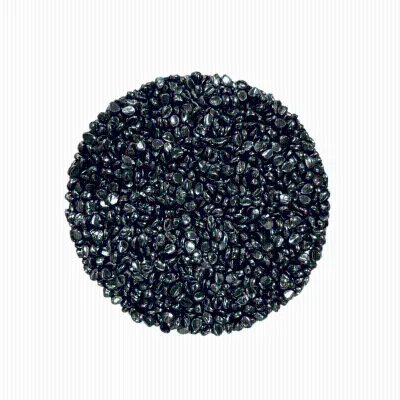
Superior Dispersion Enabled Color Masterbatch with Clump Free Mixing in Plastic Processing
$1000.00 - $3000.00
MOQ: 1 Pieces


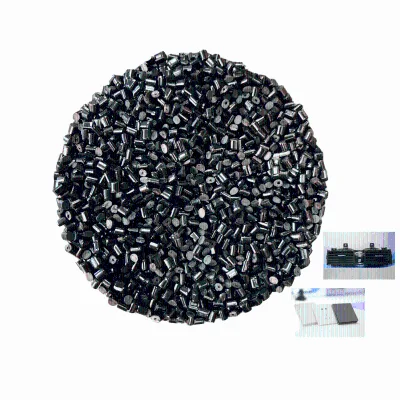
Versatile Multi Purpose Color Masterbatch with Wide Usage in Different Industries
$1000.00 - $3000.00
MOQ: 1 Tons




Comprehensive Sourcing Guide
Strategic Sourcing Guide for Excellent Dispersion Black Masterbatch
Selecting the right black masterbatch is a critical decision for manufacturers in the plastics industry, where the balance between color consistency, processing efficiency, and final product performance defines market competitiveness. The core keyword "Excellent Dispersion Black Masterbatch" points to a specific class of additives designed to ensure that carbon black pigments distribute uniformly within a polymer matrix without agglomeration. This uniformity is not merely an aesthetic requirement; it directly influences mechanical strength, UV resistance, and the overall integrity of the final plastic component. For procurement professionals, navigating the market requires a disciplined approach that relies on verified product attributes rather than marketing generalities. The following guide outlines the essential technical, compliance, and operational factors that define a high-quality black masterbatch supply chain.
Technical Specifications and Carrier Resin Compatibility
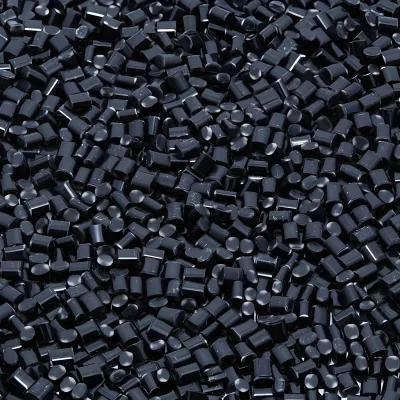
The foundation of an Excellent Dispersion Black Masterbatch lies in its formulation, specifically the relationship between the pigment concentration and the carrier resin. The carrier resin acts as the vehicle that transports the pigment into the final application. For black masterbatches, the carrier must be chemically compatible with the base polymer of the end product to prevent phase separation or poor wetting. Based on current market offerings, the carrier resins most frequently observed include PET, PA6, PP, PLA, and PE. This diversity allows suppliers to offer tailored solutions for various processing methods, from injection molding to extrusion.
When evaluating technical specifications, buyers must verify the specific carrier resin listed for the product. A mismatch between the masterbatch carrier and the application resin can lead to defects such as streaking, poor gloss, or reduced impact strength. For instance, a masterbatch with a PE carrier is generally suitable for PE-based applications, while a PP carrier is required for polypropylene processing. The observed product attributes indicate that high-performance black masterbatches often feature a carrier resin blend that ensures "Excellent Dispersion." This attribute is critical because it minimizes the energy required during the mixing process and reduces the risk of filter clogging in extrusion lines.
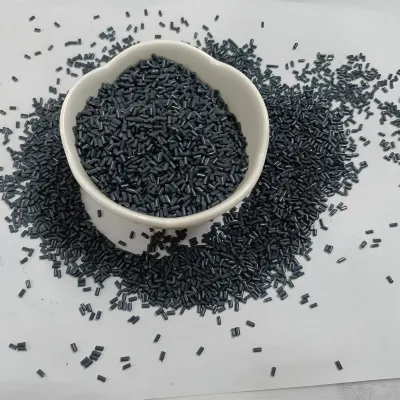
Furthermore, the concentration of the black pigment is a key specification. High-concentration masterbatches are preferred for their efficiency, as they require lower dosages to achieve deep black shades. The observed data suggests that products with "High Tinting Strength" and "High Concentration" are available, which are essential for achieving consistent color depth with minimal additive load. Buyers should also look for specifications regarding particle size uniformity. Uniform pellet size ensures consistent melting rates and flow characteristics, which are prerequisites for "Accurate Color Matching" and "Small Batch-to-Batch Variation."
Compliance and Certification Verification
In the global plastics market, regulatory compliance is non-negotiable, particularly for products intended for food contact, consumer goods, or automotive applications. When sourcing black masterbatch, buyers must rigorously verify the certification status of the supplier. The observed product data highlights several critical certifications, including CE, ISO, RoHS, REACH, and FDA. These certifications are not merely labels; they represent adherence to specific safety and environmental standards.
The presence of ISO certification indicates that the manufacturer follows international quality management standards, which is a strong indicator of process stability. RoHS compliance ensures that the masterbatch does not contain restricted hazardous substances, a requirement for electronics and automotive components. For applications involving food packaging or medical devices, FDA and REACH certifications are essential to verify that the black pigment and carrier resin are safe for human contact. It is important to note that while some products list "RoHS, Reach, FDA" together, others may only list "CE, ISO" or "RoHS, Reach." Buyers must confirm that the specific product model they intend to purchase carries the necessary certifications for their intended application.
Additionally, the "Safe and Eco-Friendly" attribute observed in product descriptions suggests that some formulations are designed with environmental considerations in mind. However, this claim should be substantiated by the specific certifications listed on the product data sheet. Buyers should request test reports or certificates of analysis that explicitly confirm compliance with the relevant regulations for their target market, rather than relying on general marketing statements.
Cost Drivers and Economic Considerations
The pricing of black masterbatch is influenced by several dynamic factors, including raw material costs, concentration levels, and customization requirements. The observed price range in the market spans from $0.35 to $3000, reflecting the vast difference between standard commodity grades and specialized, high-performance formulations. This wide range underscores the importance of defining the exact application requirements before requesting quotes. A standard black masterbatch for general-purpose packaging will have a significantly different cost structure than a flame-retardant or engineering-grade black masterbatch.
One of the primary cost drivers is the carrier resin. Fluctuations in the prices of polypropylene, polyethylene, or engineering resins like PA6 and PET directly impact the final price of the masterbatch. Buyers should also consider the concentration of the pigment. High-concentration masterbatches often offer a better cost-per-unit of color because they reduce the total volume of additive required during processing. However, they may require more precise dosing equipment to ensure accuracy.
Customization services are another significant factor. The ability to provide "Custom Color & Functional Masterbatch" or "Custom Color & Function" comes at a premium. While standard black masterbatches are widely available, formulations tailored for specific engineering compounding or unique functional requirements will involve higher development and production costs. The observed "No MOQ" service for some suppliers can be a cost advantage for small-batch producers, allowing them to test new formulations without the financial burden of large inventory commitments. Conversely, bulk purchasing typically yields better unit economics, with observed MOQs ranging from 1 to 1000 units.
Typical Applications and Performance Requirements
The versatility of black masterbatch is evident in its wide range of applications, from consumer goods to heavy engineering. The observed product attributes list "Engineering Compounding," "Injection/Compounding," and "Injection Products" as primary usage areas. This indicates that high-quality black masterbatches are essential for manufacturing complex components that require both aesthetic appeal and structural integrity.
In the automotive industry, black masterbatches are used for interior trim, under-the-hood components, and exterior parts. Here, "Aging Resistance" and "Long-Lasting" durability are critical performance metrics. The masterbatch must withstand UV exposure, temperature fluctuations, and chemical contact without fading or degrading. Similarly, in the packaging sector, "Filterability" is a key attribute. During the extrusion process, the masterbatch must flow smoothly through filters without causing blockages, which can lead to production downtime and waste.
For engineering plastics, the "Excellent Dispersion" attribute ensures that the black pigment does not compromise the mechanical properties of the base resin. In applications such as pipes, cables, and electrical components, consistent color and uniform particle size are vital for maintaining the electrical insulation properties and mechanical strength of the final product. The "Small Batch-to-Batch Variation" feature is particularly important for large-scale production runs, where color consistency across different batches is required to meet brand standards.
Supplier Evaluation and Quality Control
Selecting a reliable supplier is as important as selecting the right product. Buyers should evaluate potential suppliers based on their ability to maintain consistent quality and provide technical support. The observed attributes "Accurate Color Matching" and "Uniform Pellet Size" suggest that a competent supplier has robust quality control processes in place. Buyers should inquire about the supplier's testing protocols, including how they monitor particle size distribution and pigment dispersion.
Quality control should also extend to the packaging and logistics. The observed "prod_packing" options include "25kg Per Bag," "PE Woven Bags," and "25kg Plastic Bag." Proper packaging is essential to prevent moisture absorption and contamination during storage and transport. For black masterbatches, which are often hygroscopic, moisture control is critical to maintaining the quality of the product. Buyers should verify that the supplier uses appropriate packaging materials that protect the masterbatch from environmental factors.
Furthermore, the "Customization Service" offered by suppliers indicates their flexibility and technical capability. A supplier that can provide "Custom Color & Functional Masterbatch" is likely to have a strong R&D department capable of solving complex formulation challenges. Buyers should assess the supplier's track record in delivering consistent results for similar applications. The "Consistent / Uniform" quality attribute observed in product descriptions should be backed by a history of reliable performance and positive feedback from existing clients.
Long-Term Procurement and Supply Chain Resilience
Long-term procurement of black masterbatch requires a strategic approach that considers supply chain resilience and total cost of ownership. While the initial price is important, the long-term value of a masterbatch is determined by its performance in the production line. A masterbatch with "Excellent Dispersion" and "High Tinting Strength" may have a higher upfront cost but can reduce waste, minimize downtime, and improve the overall efficiency of the manufacturing process.
Buyers should also consider the "Benefits: Save Production Cost" attribute. This suggests that high-quality masterbatches can lead to significant savings over time by reducing the need for rework, minimizing scrap, and optimizing energy consumption during processing. The "No MOQ" service mentioned in some product listings can be a strategic advantage for companies looking to diversify their supplier base or test new materials without committing to large volumes.
Finally, the "prod_origin" of the product, observed as "China," indicates the primary manufacturing hub for these materials. Buyers should be aware of the logistical implications of sourcing from this region, including lead times and shipping costs. While the location is a known fact, buyers should verify the specific lead times and delivery capabilities of their chosen supplier to ensure they can meet their production schedules. By focusing on technical specifications, compliance, and long-term value, buyers can secure a reliable supply of Excellent Dispersion Black Masterbatch that supports their operational goals and product quality standards.
FAQs
What certifications are available for black masterbatch?
Available certifications include CE, ISO, RoHS, REACH, and FDA. These ensure compliance with safety and environmental standards for various applications like food contact or automotive components.
Which carrier resins are compatible with black masterbatch?
Compatible carrier resins include PET, PA6, PP, PE, and PLA. Selecting the correct resin ensures excellent dispersion and prevents phase separation in the final plastic product.
How is the product packed for shipping?
Products are typically packed in 25kg plastic bags or PE woven bags. This packaging protects the masterbatch from moisture and contamination during storage and transport.
Can suppliers provide custom color and functional masterbatch?
Yes, customization services for color and function are available. This allows manufacturers to tailor formulations for specific engineering compounding needs without compromising quality.
What is the typical price range for this product?
The observed price range spans from 0.35 to 3000 USD. Costs vary based on concentration, carrier resin type, and specific customization requirements for the application.
Which features ensure consistent color matching?
Features include uniform particle size, accurate color matching, and small batch-to-batch variation. These attributes guarantee consistent quality across different production runs.
What are the primary applications for this masterbatch?
Primary applications include engineering compounding, injection molding, and production of injection products. It is suitable for various engineering plastics requiring high durability and dispersion.