Source Exhaust Heat Wrap for Auto, Racing, and Industrial Use
Compare 30 available Exhaust Heat Wrap options from verified Chinese suppliers. Buyers can evaluate fiberglass materials, temperature ratings, and customization features for automotive and industrial applications.
Key considerations
Products List


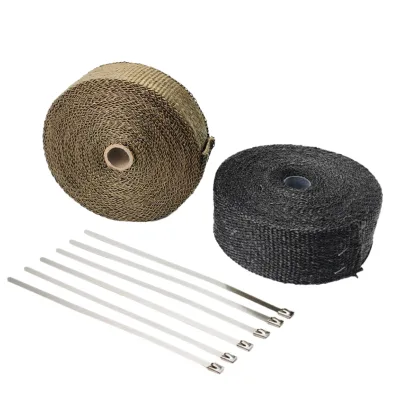
Exhaust Thermal Heat Tape Wrap Fiberglass Exhaust Wrap Heat Wrap Exhaust
$18.00 - $24.00
MOQ: 50 Pieces

Hybrid Titanium Exhaust Wrap Exhaust Thermal Heat Tape Wrap Heat Wrap Exhaust
$18.00 - $22.00
MOQ: 50 Pieces



Comprehensive Sourcing Guide
Strategic Sourcing Guide for Exhaust Heat Wrap Procurement
The global automotive aftermarket and industrial thermal management sectors have increasingly prioritized the procurement of high-performance exhaust heat wraps. These specialized components serve a critical function in thermal management, protecting surrounding engine bay components, reducing under-hood temperatures, and improving engine efficiency by maintaining exhaust gas velocity. For procurement professionals, sourcing this category requires a disciplined approach that balances technical performance, regulatory compliance, and supply chain reliability. The following guide outlines the essential factors for evaluating Exhaust Heat Wrap suppliers, ensuring that procurement decisions are grounded in verifiable product attributes and industry standards rather than marketing assertions.
Technical Specifications and Material Composition
The foundation of any successful procurement strategy for Exhaust Heat Wrap lies in a rigorous understanding of the material composition and physical specifications. The supplied product data indicates a diverse range of materials available in the market, specifically highlighting Fiberglass and Basalt fiber as primary construction materials. These materials are selected for their inherent thermal resistance and durability under extreme conditions. Buyers must verify that the specific product listing explicitly states the fiber type, as the thermal performance and flexibility can vary significantly between fiberglass and basalt fiber variants.
In addition to the base material, the physical dimensions of the wrap are critical for fitment and application. The observed specifications include a standard width of 50mm and a length of 10 meters per roll, with customization options available upon request. This modularity allows for tailored solutions for various exhaust pipe diameters, which the data suggests can range from 1 inch to 8 inches in width for related exhaust components. When evaluating a supplier, procurement teams should confirm whether the product is sold as a single item or in bulk rolls and verify the exact dimensions against the specific requirements of the target vehicle or industrial application. The maximum operating temperature is another vital technical parameter, with observed data pointing to ratings of 800℃ and 1200℃. Buyers must ensure that the selected wrap's thermal rating exceeds the peak operating temperatures of the specific exhaust system it will be applied to, preventing premature degradation or failure.
Compliance, Certification, and Regulatory Standards
Navigating the regulatory landscape is a non-negotiable aspect of sourcing industrial and automotive components. The product data reveals a variety of certifications that suppliers may claim, including TUV, RoHS, ISO9001, and CE. While the presence of these marks suggests a commitment to quality and safety, procurement professionals must treat them as observations that require independent verification rather than automatic guarantees of compliance for every listed item. The data also references specific discharge standards, such as Euro V, which are crucial for automotive applications where emissions compliance is legally mandated.
When engaging with potential suppliers, buyers should request current, valid certificates for the specific batch of goods being ordered. It is essential to distinguish between product-level certifications and facility-level quality management systems. For instance, ISO9001 indicates a certified quality management system, whereas RoHS compliance confirms that the product meets restrictions on hazardous substances. The data also lists "ISOCE,TSComponent:Exhaust Pipe" as a certification attribute, which may refer to specific industry standards for exhaust components. Procurement teams should verify if the supplier's documentation aligns with the specific regulatory requirements of the destination market, particularly for exports to Europe or North America. Relying solely on the presence of a certification label without verifying its scope and validity can lead to significant compliance risks and potential product recalls.
Cost Drivers and Pricing Dynamics
Understanding the cost structure of Exhaust Heat Wrap is essential for budgeting and negotiating effective terms. The observed price range in the market spans from 1 to 24 USD, a wide variance that reflects differences in material quality, brand reputation, and order volume. Several factors drive these costs. First, the choice of material is a primary determinant; basalt fiber typically commands a higher price point than standard fiberglass due to its superior thermal stability and resistance to chemical corrosion. Second, the level of customization significantly impacts pricing. The data confirms that customization is available, and products with custom lengths, widths, or specific color options (such as Blue, Black, Purple, Green, Red, Yellow, Orange, White, Golden, or Brown) will generally incur higher unit costs than standard stock items.
The Minimum Order Quantity (MOQ) is another critical cost driver. The observed MOQ range is between 1 and 100 units. Suppliers with lower MOQs may charge a premium per unit to cover setup and handling costs, whereas bulk orders often benefit from economies of scale. Additionally, packaging requirements influence the final cost. The data indicates options ranging from simple plastic wrap to more robust carton boxes or neutral packing. Specialized packaging, such as the "Plastic wrap+Carton Box" combination, adds to the material and labor costs. Buyers should analyze the total landed cost, including shipping and duties, rather than focusing solely on the unit price, to ensure a true comparison of value across different suppliers.
Typical Applications and Market Segmentation
Exhaust heat wraps are utilized across a broad spectrum of applications, from automotive performance upgrades to industrial thermal protection. The product data highlights a primary application in the "Automotive Exhaust System," with specific mentions of fitment for brands like BMW and universal applications for various car makes. The material is designed to manage heat generated by the engine, specifically addressing noise sources such as "Automobile Chassis Noise" and "Aerodynamic Noise" associated with high-velocity exhaust gases. This thermal management is vital for preventing heat damage to nearby wiring, hoses, and plastic components.
Beyond the automotive sector, the versatility of these wraps extends to industrial settings where high-temperature exhaust systems are common. The data references "ETS Component: Turbine" and "Electric Turbocharger Type: Centrifugal," suggesting applications in turbocharged systems where heat containment is critical for efficiency and safety. The "Main Market" for these products is identified as Europe, indicating a strong demand in regions with strict emissions and safety regulations. Procurement teams should assess whether the supplier has experience serving the specific market segment relevant to their needs, as the requirements for a universal automotive wrap may differ from those for a specialized industrial turbine component. Understanding the end-use application ensures that the selected product meets the specific thermal and mechanical demands of the project.
Supplier Evaluation and Operational Capabilities
Selecting the right supplier requires a thorough evaluation of their operational capabilities and service offerings. The data indicates that suppliers are located in China, with specific origins noted in Zhejiang, and proximity to major ports such as Shanghai and Ningbo. This geographic concentration offers logistical advantages, as these ports are among the busiest in the world, facilitating efficient export and reducing lead times for international shipments. Buyers should verify the supplier's proximity to these ports to ensure reliable shipping schedules and minimize transit delays.
Service levels are another key evaluation criterion. The data mentions "24 Hours Online" service, which implies a commitment to responsive communication and support. For procurement professionals, this level of availability is crucial for resolving technical queries, tracking orders, and addressing any post-sales issues promptly. Additionally, the availability of customization services allows suppliers to adapt products to specific client needs, a feature that is highly valued in the B2B sector. When evaluating potential partners, buyers should inquire about the supplier's capacity to handle custom orders, their lead times for non-standard products, and their track record for maintaining quality consistency across different production batches.
Quality Control and Long-Term Procurement Considerations
Ensuring consistent quality is paramount in the procurement of exhaust heat wraps, as product failure can lead to significant operational disruptions or safety hazards. The observed specifications include detailed packaging information, such as "Single Package: Carton Box, Plastic Box" and "Single gross weight: 1.000 kg," which can serve as baseline metrics for quality control checks upon receipt. Buyers should establish clear acceptance criteria based on these physical attributes, verifying that the received goods match the ordered specifications in terms of weight, dimensions, and packaging integrity.
Long-term procurement strategies should also consider the durability and performance consistency of the product. The data lists various certifications and standards, but the buyer must implement a robust quality assurance process that includes regular sampling and testing. This process should verify that the material maintains its thermal resistance and structural integrity over time, especially under the extreme conditions of 800℃ or 1200℃. Furthermore, establishing a long-term relationship with a supplier who offers consistent customization and reliable service can streamline the procurement process and reduce the administrative burden of sourcing. By focusing on these strategic elements, buyers can build a resilient supply chain that delivers high-quality exhaust heat wraps consistently, supporting the operational goals of their organization.
Comparative Analysis of Product Attributes
To facilitate informed decision-making, the following table summarizes the key attributes observed in the market for exhaust heat wraps, highlighting the variability in specifications and certifications that buyers must navigate.
| Attribute Category | Observed Options | Procurement Verification Point |
|---|---|---|
| Material | Fiberglass, Basalt fiber, Titanium | Verify thermal rating and chemical resistance for specific application. |
| Dimensions | Width: 50mm; Length: 10m/roll | Confirm customizability for specific pipe diameters (1" to 8"). |
| Temperature Rating | 800℃, 1200℃ | Ensure rating exceeds peak exhaust system operating temperature. |
| Certifications | TUV, RoHS, ISO9001, CE, Euro V | Request valid certificates for the specific batch; verify scope. |
| Packaging | Carton Box, Plastic Box, Neutral Packing | Check for damage protection and compliance with shipping requirements. |
| Origin | China (Zhejiang) | Verify proximity to Shanghai/Ningbo ports for logistics efficiency. |
| MOQ | 1 - 100 units | Negotiate based on volume to optimize unit cost. |
| Color Options | Blue, Black, Purple, Green, Red, Yellow, Orange, White, Golden, Brown | Confirm availability of specific colors for branding or identification. |
This comparative overview underscores the complexity of the market and the necessity for buyers to conduct detailed due diligence. By systematically evaluating these attributes against project requirements, procurement professionals can secure high-quality exhaust heat wraps that meet both technical and commercial objectives.
FAQs
What materials are used for Exhaust Heat Wrap?
Exhaust heat wraps are constructed from Fiberglass or Basalt fiber to ensure high thermal resistance. These materials withstand temperatures up to 1200 degrees Celsius, protecting engine components from heat damage.
Can I customize the dimensions of the wrap?
Yes, customization is available for length and width to fit specific exhaust systems. Standard rolls are 10 meters long with a 50mm width, but buyers can request tailored sizes for various pipe diameters.
Which certifications do these products typically hold?
Products often carry certifications such as TUV, RoHS, ISO9001, and CE to ensure safety and quality. Buyers should verify specific batch certificates to confirm compliance with Euro V discharge standards and hazardous substance restrictions.
How much does an Exhaust Heat Wrap cost?
Prices range from 1 to 24 USD depending on material quality and order volume. Basalt fiber variants and custom options generally cost more than standard fiberglass rolls, with Minimum Order Quantities varying between 1 and 100 units.
Where are these manufacturers located?
Manufacturers are primarily located in Zhejiang, China, near major ports like Shanghai and Ningbo. This proximity facilitates efficient export logistics and reduces shipping lead times for international buyers seeking reliable supply chains.
What is the maximum operating temperature?
The maximum operating temperature for these wraps is rated at either 800 degrees Celsius or 1200 degrees Celsius. Selecting the correct rating is critical to prevent degradation when applied to high-performance exhaust systems.