Source Excellent Fitment Rear Diffuser for sedans, SUVs, and trucks
Explore 30 listings for an Excellent Fitment Rear Diffuser designed for sedans, SUVs, and trucks. Buyers can compare specifications, materials, and prices from verified suppliers to find the right part for their vehicle needs.
Key considerations
Products List


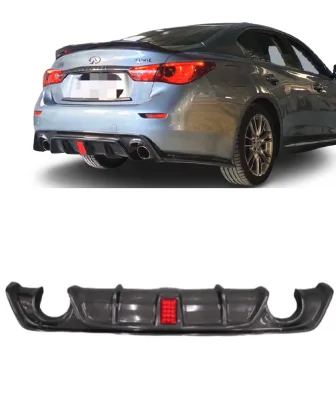
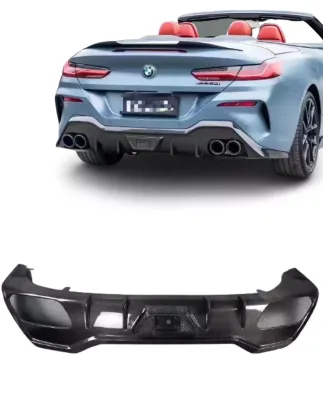
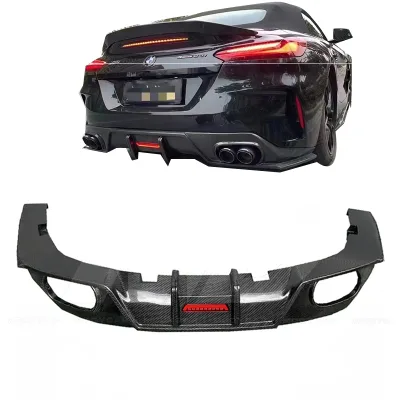
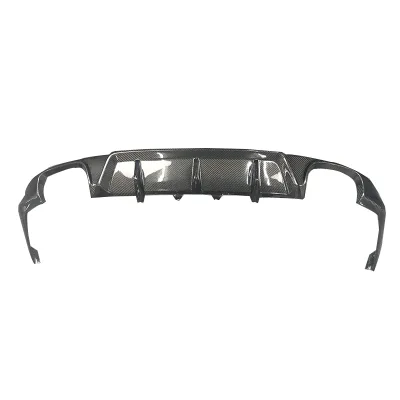


Comprehensive Sourcing Guide
Strategic Sourcing Guide for Excellent Fitment Rear Diffusers
Understanding Product Specifications and Variability
When sourcing an Excellent Fitment Rear Diffuser, the primary challenge lies in navigating the significant variability inherent in automotive aftermarket components. The product landscape is not monolithic; it encompasses distinct categories ranging from universal steel units to specialized carbon fiber assemblies designed for specific chassis models. A critical observation in the current market is the divergence in material composition. Buyers must distinguish between diffusers constructed from steel, which often serve universal applications, and those fabricated from honeycomb carbon fiber, which are typically engineered for high-performance aesthetics and specific vehicle models like the Infiniti Q60. The material choice directly influences the weight, durability, and installation complexity of the final product.
Furthermore, the physical dimensions and shape of the diffuser are paramount. Specifications indicate that some units are solid in shape with precise dimensions such as 8.241.4cm, while others, particularly those designed for larger vehicles or specific bumper configurations, may have single package sizes reaching 150X25X40 cm. The placement on the vehicle is consistently noted as the rear, but the specific application varies between front and rear bumper configurations. For instance, some product lines explicitly list "Front Bumper Diffuser" alongside "Rear Bumper Diffuser," requiring the buyer to verify the exact target location before procurement. The product models themselves, ranging from 816010 to CZ-GDXH, suggest a vast array of SKUs that may not be interchangeable. Therefore, the first step in sourcing is to align the specific product model number with the vehicle's chassis requirements to ensure the "excellent fitment" promise is met.
Compliance, Certification, and Material Standards
In the B2B procurement of automotive components, verifying compliance and certification is non-negotiable for maintaining supply chain integrity and product safety. The market data indicates that reputable suppliers often provide certifications such as CE and ISO. These certifications serve as a baseline for quality management and safety standards, though buyers must understand that the presence of a certification on a listing does not automatically guarantee that every unit in a specific batch meets the same rigorous standards without further verification.
The material standards are equally critical. While some diffusers are described as having a "universal" standard, others adhere to specific standards like "2PE" or are made from "Honeycomb Carbon fiber." The distinction between a universal steel diffuser and a specialized carbon fiber unit is not merely aesthetic; it affects the structural integrity and the method of attachment. Buyers should request documentation that confirms the material composition matches the listing, particularly when dealing with carbon fiber products where the layup quality can vary significantly between manufacturers. Additionally, the origin of the product, often cited as China (Mainland) or specifically Guangdong, China, should be cross-referenced with the supplier's ability to provide traceable material certificates. While RoHS is mentioned in background contexts, the primary focus for automotive exterior parts should remain on CE and ISO compliance, ensuring the components meet the regulatory requirements of the destination market.
Cost Drivers and Pricing Structures
The pricing structure for rear diffusers is highly variable, reflecting the differences in material, customization, and order volume. The observed price range in the market spans from $0.85 to $600 USD. This wide disparity is driven by several key factors. The most significant driver is the material; a steel diffuser will naturally command a lower price point compared to a honeycomb carbon fiber unit, which involves more complex manufacturing processes and higher raw material costs. The second major factor is the level of customization. Products offering customization options, such as specific paint codes or model-specific molding, often carry a premium.
Order volume plays a decisive role in the final unit cost. The Minimum Order Quantity (MOQ) varies drastically, ranging from as low as 1 set to as high as 2000 units. A buyer purchasing a single set for a prototype or a small fleet may face a higher per-unit cost compared to a bulk purchaser who can leverage economies of scale. The packaging also influences cost; while some units come in simple cartons, others require standard carton boxes or specialized packaging to protect delicate carbon fiber surfaces during transit. Buyers must analyze their total cost of ownership, including shipping and potential duties, rather than focusing solely on the unit price. The "excellent fitment" claim often correlates with higher prices due to the precision engineering required, but this is not a universal rule, as universal fitment options are also available at lower price points.
Typical Applications and Vehicle Compatibility
The application of rear diffusers is diverse, spanning from general universal use to highly specific model compatibility. The market data reveals that while some products are labeled as "Universal Fitment," others are designed for specific models, such as the Infiniti Q60. This dichotomy requires careful evaluation by the procurement team. Universal diffusers, often made of steel, are designed to fit a broad range of vehicles but may require modification or trimming during installation. In contrast, model-specific diffusers, particularly those made of carbon fiber, are engineered to bolt directly onto the designated chassis, ensuring a seamless and "100% fitment" as advertised.
The placement on the vehicle is a critical specification to verify. While the core keyword focuses on rear diffusers, the supply chain includes products for front bumpers as well. Buyers must ensure they are sourcing the correct component for the intended application. The "Product" attribute lists both "Rear Bumper Diffuser" and "Front Bumper Diffuser," indicating that a single supplier may offer a range of bumper components. Additionally, the installation process is a key consideration; products are often marketed with "Easy Installation" features, which can reduce labor costs and time. However, the complexity of installation can vary based on the material and the specific vehicle model. For high-end carbon fiber units, the installation may require specialized tools or expertise to avoid damaging the delicate material, whereas steel units may be more forgiving.
Supplier Evaluation and Operational Capabilities
Evaluating a supplier for rear diffuser procurement requires a deep dive into their operational capabilities and reliability. The lead time is a critical metric, with observed delivery windows ranging from 15 to 20 days after deposit. This timeframe can vary based on the complexity of the order and the specific product model. Buyers should verify if the supplier can meet these timelines consistently, especially for large orders where production scheduling becomes a factor. The ability to provide samples is another vital indicator of supplier confidence and quality. The market data confirms that samples are acceptable, allowing buyers to physically inspect the fitment, finish, and material quality before committing to a bulk order.
The supplier's location, often identified as Guangdong, China, suggests a hub of manufacturing activity, but buyers should not assume all suppliers in this region offer the same level of service. The "Excellent After-sale Service" attribute is a common claim, but it must be validated through direct communication. Buyers should inquire about the warranty terms, with some listings offering a 3-year warranty, which indicates a higher confidence in product durability. Furthermore, the customization capabilities of the supplier are essential. The availability of customization options allows buyers to tailor products to specific brand requirements or vehicle modifications. A robust supplier will have a clear process for handling custom requests, including design validation and sample approval before mass production.
Quality Control and Long-Term Procurement Strategy
Implementing a rigorous quality control (QC) strategy is essential for maintaining the "excellent fitment" standard in the long term. Given the variability in product models and materials, buyers should establish clear acceptance criteria before production begins. This includes verifying the product model number, material composition, and dimensional accuracy against the provided specifications. For instance, checking that a honeycomb carbon fiber diffuser matches the specified weight and dimensions is crucial for ensuring it fits the vehicle without modification. The "High-Quality" attribute is a general claim that must be substantiated through physical inspection and, where possible, third-party testing.
Long-term procurement considerations involve building a relationship with suppliers who can scale with your business needs. The wide range of MOQs, from 1 set to 2000 units, offers flexibility, but buyers should aim to stabilize their order volumes to negotiate better terms and ensure consistent supply. The warranty period, such as the 3-year offer noted in some listings, provides a safety net for quality issues, but buyers should also establish clear protocols for handling defects and returns. Finally, the packaging integrity is a key aspect of quality control; ensuring that the "Standard Carton Box" or "Carton" packaging is sufficient to protect the diffuser during shipping is vital to prevent damage before the product even reaches the customer. By focusing on these operational and quality aspects, buyers can secure a reliable supply of high-performance rear diffusers that meet the rigorous demands of the automotive aftermarket.
FAQs
What certifications do excellent fitment rear diffusers typically have?
Products typically carry CE and ISO certifications to ensure safety and quality standards. Buyers should verify that specific listings include these documents, as certifications are not guaranteed for every unit without further verification.
Which materials are used for rear diffusers in this market?
Materials range from steel for universal applications to honeycomb carbon fiber for specific models like the Infiniti Q60. The choice affects weight and durability, with steel units often serving broader vehicle compatibility needs.
Can I order samples before committing to a bulk purchase?
Yes, samples are acceptable for most listings to verify fitment and quality. This allows buyers to inspect the product physically before proceeding with larger orders that may have higher minimum order quantities.
How long does delivery take after the deposit is made?
Delivery typically occurs within 15 to 20 days after the deposit is received. This lead time can vary based on the complexity of the order and the specific product model being manufactured.
What is the minimum order quantity for these diffusers?
Minimum order quantities vary significantly, ranging from 1 set to 2000 units depending on the supplier and product type. Buyers should check specific listings to find options that match their volume requirements.
Where are these rear diffusers manufactured?
Products originate from China (Mainland), with specific hubs in Guangdong. Buyers should confirm the exact origin on the listing to ensure traceability and compliance with destination market regulations.
Are customization options available for these automotive parts?
Customization is available for many products, allowing for specific paint codes or model-specific molding. Buyers should discuss their requirements with the supplier to ensure the custom features meet their vehicle specifications.