Source Explosion Proof Air Winch for Mining, Marine, and Oil
Find and compare 30 Explosion Proof Air Winch models tailored for hazardous environments. Evaluate specifications like tonnage, cable length, and certifications to select the right pneumatic winch for your industrial needs.
Key considerations
Products List


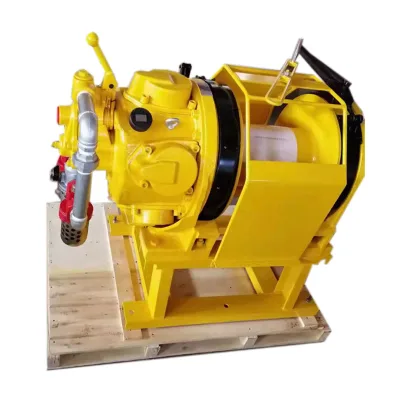
Mining Explosion Proof Explosion Proof Air Winches with Steel Rope
$10600.00 - $11000.00
MOQ: 1 Pieces

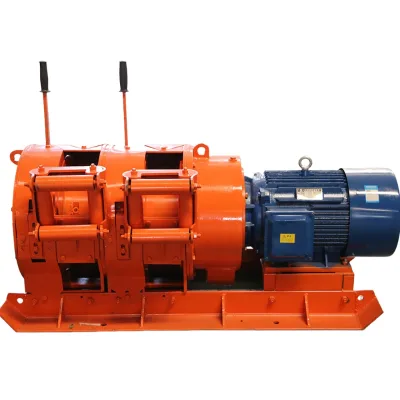
High Quality Mine Lifting Equipment Air Winch with Explosion Proof
$14900.00 - $15000.00
MOQ: 1 Pieces





Comprehensive Sourcing Guide
Explosion Proof Air Winch Sourcing Guide
Procuring an explosion-proof air winch requires a disciplined approach to balancing hazardous environment safety with operational reliability. These specialized lifting devices are engineered to operate in atmospheres where flammable gases, vapors, or dusts may be present, making the selection of the correct drive mechanism and material composition critical for preventing ignition sources. Unlike standard electric winches, pneumatic models utilize compressed air as their power source, eliminating the risk of electrical sparks and reducing heat generation during continuous duty cycles. This makes them indispensable in industries such as offshore oil and gas, chemical processing, mining, and maritime shipping, where intrinsic safety is non-negotiable. Buyers must prioritize equipment that not only meets the fundamental mechanical requirements of their lifting tasks but also adheres to rigorous explosion-proof standards to ensure personnel and asset protection.
The sourcing landscape for these units is characterized by a diverse range of configurations, from stationary to mobile running modes, and varying tonnage capacities. Observations of current market listings indicate a broad spectrum of models, including specific series like JQHS and QJH, which cater to different load requirements ranging from 2 tons to 10 tons. The presence of features such as antiseptic coatings and insulating properties suggests that these winches are often designed for corrosive or chemically aggressive environments in addition to explosive ones. Procurement teams must navigate this variety by clearly defining their operational parameters, such as required lifting height, cable speed, and specific environmental hazards, to filter through the available options effectively. Understanding these baseline signals helps in narrowing down the supplier pool to those capable of delivering the precise technical solution required for the site.
Product Scope and Observed Listing Signals
The current market for explosion-proof air winches presents a wide array of product specifications that buyers must carefully evaluate against their operational needs. Listings frequently highlight key attributes such as tonnage capacities of 2T, 3T, 5T, and 10T, indicating that manufacturers offer scalable solutions for light to heavy-duty applications. The observed price range spans from approximately $1 to $15,000, reflecting the significant variance in build quality, certification levels, and custom engineering involved in explosion-proof designs. Minimum Order Quantities (MOQ) are generally flexible, ranging from single units to small batches of 48, which allows for both pilot testing and larger fleet deployments. Buyers should interpret these signals as indicators of market maturity, where standardized models are readily available, but specialized configurations may require closer negotiation and technical review.
Beyond basic capacity, the observed listings reveal a strong emphasis on customization and specific environmental adaptations. Many suppliers offer color customization to meet site-specific safety color-coding standards and provide various cable storage options, including 120m, 200m, and 400m lengths, to accommodate different deployment scenarios. The drive type is predominantly noted as AC or pneumatic, with some models explicitly labeled as "Pneumatic Winch" while others carry model numbers like JQHS50 or JQH30, suggesting a mix of electric and air-driven variants in the same catalog. Additionally, features such as "Explosion-Proof," "Antiseptic," and "Insulating" are commonly advertised, pointing to a product scope that extends beyond simple lifting to include chemical resistance and electrical isolation. Buyers must verify which of these features are standard and which are optional, as this directly impacts the unit's suitability for their specific hazard zone classification.
Technical Specifications to Verify
When evaluating technical specifications, the first priority is confirming the drive mechanism and power source compatibility. While the core keyword specifies "air winch," some observed listings mention AC drive types or specific model numbers that may imply electric variants. It is crucial to verify that the selected unit is truly pneumatic, utilizing compressed air to drive the motor and winch drum, as this is the primary safety feature for explosion-proof environments. Buyers should request detailed schematics of the pneumatic system, including air consumption rates, required operating pressure, and inlet/outlet specifications, to ensure compatibility with existing plant air infrastructure. Additionally, the rated pull force and cable speed, such as the observed 20kN pull force and 25 M/Min speed for certain models, must be cross-referenced with the actual load requirements and duty cycle expectations of the application.
Material composition and structural integrity are equally critical verification points. The observed listings mention core components that are often generic or unspecified ("other"), which necessitates a deeper inquiry into the materials used for the drum, gears, and housing. For explosion-proof applications, the use of non-sparking materials, such as bronze or specific aluminum alloys, is often required for internal components to prevent mechanical sparks. Buyers should also verify the main wire rope diameter, with observed values like 15.875mm, to ensure it matches the load capacity and safety factor requirements. Furthermore, dimensions and packing specifications, such as iron boxes or wooden cases, should be reviewed to confirm that the unit can be transported and installed within the physical constraints of the worksite. The lifting height, observed at 6m for some models, must also be confirmed to ensure it meets the vertical clearance needs of the operation.
Compliance and Safety Documentation
Compliance with international and national standards is the cornerstone of sourcing explosion-proof equipment. Buyers must insist on comprehensive certification documentation, including CE, ISO, and CCS (China Classification Society) certificates, which are frequently cited in product listings. These certifications indicate that the winch has undergone rigorous testing for mechanical safety, electrical integrity (if applicable), and explosion-proof performance. It is essential to verify that the explosion-proof rating matches the specific hazard zone classification of the worksite, such as Zone 1 or Zone 2 for gases, or Zone 20, 21, or 22 for dusts. The presence of ISO9001-2008 quality management certification for the manufacturer is also a positive indicator, suggesting a controlled production process that reduces the risk of defects in safety-critical components.
In addition to product certifications, buyers should request detailed technical files that include the explosion-proof test reports and material safety data sheets. These documents provide evidence that the winch's surface temperature, enclosure integrity, and internal component materials have been tested against relevant standards, such as ATEX or IECEx, depending on the region of use. The observed listings mention "National Standards" as a standard type, which implies that the equipment may also comply with local regulatory requirements in the country of origin, such as China. Buyers must ensure that these national standards are recognized and accepted in their jurisdiction or that the equipment has been certified to equivalent international standards. Verification of these documents is not merely a formality but a legal and safety imperative that protects the organization from liability and ensures the safety of personnel working in hazardous environments.
Cost Drivers and Commercial Terms
The cost of an explosion-proof air winch is influenced by several key factors, including tonnage capacity, explosion-proof rating, and customization requirements. Higher tonnage models, such as the 10T units observed, typically command higher prices due to the increased material usage and more robust engineering required. Similarly, winches with additional features like antiseptic coatings or specific insulating properties may incur premium pricing due to the specialized materials and processing involved. Buyers should also consider the cost of cable storage options, as longer cable lengths or specialized drum configurations can add to the overall price. Understanding these cost drivers allows procurement teams to negotiate more effectively and allocate budget resources to the most critical aspects of the winch's performance and safety.
Commercial terms and payment conditions are another significant aspect of the sourcing process. The observed MOQ range of 1-48 units suggests that suppliers are flexible, but buyers should negotiate for volume discounts if purchasing multiple units for a fleet deployment. Payment terms, such as letters of credit or advance payments, should be aligned with the supplier's reputation and the lead time for production. It is also important to clarify the scope of the quoted price, including whether it covers shipping, insurance, and installation support. The observed packing methods, such as iron boxes or wooden cases, should be included in the cost analysis to ensure that there are no hidden fees for specialized packaging required for hazardous or heavy equipment. Clear commercial terms help prevent unexpected costs and ensure a smooth transaction from order to delivery.
Supplier Qualification and Quality Control
Selecting a qualified supplier is critical to ensuring the reliability and safety of the explosion-proof air winch. Buyers should prioritize suppliers with a proven track record in manufacturing hazardous environment equipment, as evidenced by their certifications and past project references. The observed listings indicate that many suppliers are located in Shandong, China, a region known for its heavy machinery manufacturing base. While this provides access to a large pool of suppliers, buyers must conduct thorough due diligence to verify the supplier's technical capabilities and quality control processes. Requesting video outgoing-inspections, which are mentioned in some listings, can provide valuable insight into the manufacturing process and the final condition of the equipment before shipment.
Quality control measures should be explicitly defined in the purchase agreement, including third-party inspection options and acceptance testing protocols. Buyers should verify that the supplier conducts rigorous testing on each unit, including load testing, explosion-proof integrity checks, and functional tests of the pneumatic system. The observed "Brand New" condition of the products is a basic requirement, but buyers should also ensure that the supplier provides a comprehensive warranty and after-sales support plan. This includes availability of spare parts, technical support for installation and maintenance, and training for operational personnel. By establishing clear quality control expectations and supplier qualifications, buyers can mitigate the risk of receiving defective or non-compliant equipment and ensure long-term operational success.
Long-Term Procurement Checks
Long-term procurement success depends on establishing a robust framework for ongoing supplier performance monitoring and equipment lifecycle management. Buyers should implement regular audits of the supplier's quality management systems and review their adherence to updated safety standards and regulations. This includes staying informed about changes in explosion-proof certifications and ensuring that future purchases continue to meet the latest compliance requirements. Additionally, buyers should track the performance of the installed winches, monitoring for any issues related to reliability, maintenance frequency, or safety incidents. This data can be used to provide feedback to the supplier and drive continuous improvement in product design and manufacturing processes.
Furthermore, buyers should develop a strategic relationship with their supplier to secure favorable terms for future orders and ensure priority support during peak demand periods. This includes negotiating framework agreements that cover pricing, lead times, and technical support for a defined period. It is also important to maintain a stock of critical spare parts to minimize downtime in the event of equipment failure. By focusing on long-term procurement checks and supplier partnership, buyers can ensure that their explosion-proof air winch installations remain safe, reliable, and cost-effective over their entire operational lifespan. This proactive approach to procurement management helps to safeguard the organization's operations and protect its workforce in hazardous environments.
FAQs
What certifications do these explosion proof winches hold?
These winches hold CCS, ISO, and CE certifications. The product specifications confirm compliance with ISO9001-2008 and CCS standards. Buyers can rely on these documented certifications for safety and quality assurance in industrial applications.
Which tonnage capacities are available for these winches?
Available tonnage capacities include 2T, 3T, 5T, and 10T models. Specific models like JQHS50 and JQH30 offer varying load ratings. Buyers should select the capacity that matches their specific lifting requirements and operational safety limits.
Can I request custom colors for the winch equipment?
Yes, custom colors are available as per your requirements. The product attributes state that color can be tailored to specific needs. This customization option allows buyers to match the equipment to their existing fleet or site safety color codes.
How is the winch packed for international shipping?
The winches are packed in iron boxes, wooden cases, or plywood cases. Some models use hard wooden cases for extra protection. Packaging can also be customized based on customer requests to ensure safe transit of the heavy machinery.
What is the rated cable speed for the 2T model?
The rated cable speed for the 2T model is 25 meters per minute. This speed ensures efficient operation for medium-duty lifting tasks. Buyers should verify this speed against their specific operational cycle time requirements before placing an order.
Where are these construction winches manufactured?
These winches are manufactured in Shandong Province, China, specifically in Yantai City. The origin is confirmed as Yantai, Shandong, or generally Shandong. Buyers can expect production from this established industrial region known for heavy machinery.
What features make these winches suitable for hazardous areas?
These winches feature explosion-proof and antiseptic designs suitable for hazardous environments. Some models also include insulating properties for added safety. These features ensure reliable operation in conditions where standard equipment might pose a risk.