Source Explosion Proof Centrifugal Water Pump for Chemical, Fire, Circulating
Find 30 Explosion Proof Centrifugal Water Pump options with varying head, flow, and material specs. Compare models like IRG, IHG, and EA series for chemical, fire, and circulating applications from verified Chinese manufacturers; compare the available evidence and request quotations based on your requirements.
Key considerations
Products List

Manufacturers Horizontal Stainless Steel Explosion-Proof Centrifugal Water Pump
$566.00 - $6122.35
MOQ: 1 Pieces


Durable Stainless Steel Centrifugal Pump for High-Efficiency Applications
$100.00 - $1000.00
MOQ: 1 Pieces


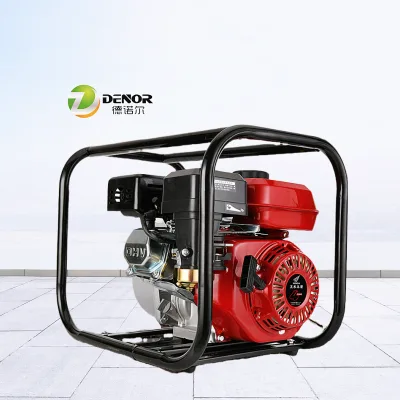


Multistage Self-Balancing Corrosion Resistant Centrifugal Water Pumps for Industry
$10000.00 - $89999.00
MOQ: 1 Pieces


Durable Industrial Suction Explosion-Proof Horizontal Water Centrifugal Pump
$170.00 - $180.00
MOQ: 1 Unit

$50.00 - $1000.00
MOQ: 10 units


Comprehensive Sourcing Guide
Explosion Proof Centrifugal Water Pump Sourcing Guide
Procuring explosion-proof centrifugal water pumps requires a rigorous understanding of hazardous environment classifications and mechanical integrity. Buyers must distinguish between standard industrial pumps and those engineered for volatile atmospheres, where spark ignition risks necessitate specialized motor enclosures and grounding protocols. The core challenge lies in verifying that the pump’s design, including its impeller type and casing material, prevents static accumulation and friction-induced heating. This guide outlines the critical verification steps for sourcing reliable equipment that meets stringent safety standards while maintaining operational efficiency in demanding chemical or petrochemical applications.
Product Scope and Observed Listing Signals
Market listings for centrifugal pumps reveal a diverse range of configurations, including horizontal split casings and single-stage designs with varying suction types. Observed specifications indicate models such as the IRG125-315C and GMSN-F series, which often feature cast iron or stainless steel casings to handle different fluid corrosivity levels. Buyers should note that while some listings highlight high-pressure capabilities with heads exceeding 150 meters, others focus on middle-pressure applications, requiring careful alignment with system hydraulic requirements. The presence of both single-suction and double-suction impeller options suggests versatility in flow handling, though the specific explosion-proof rating must be confirmed independently of general pump attributes.
Further analysis of product signals shows a wide power range from 0.18 to 160 kW, driven by either electric motors or diesel engines, depending on the site’s infrastructure. Listings frequently mention certifications like CE and ISO, alongside standards such as SGS, which serve as baseline quality indicators rather than explosion-proof guarantees. The observed flow ranges, spanning from 1.1 to 1450 M3/H, and lift ranges up to 150 meters, provide a broad operational envelope. However, buyers must scrutinize whether the specific model variant, such as the IHG or EA series, includes the necessary intrinsic safety features for hazardous zones, as general pump specifications do not automatically imply explosion-proof compliance.
Technical Specifications to Verify
When evaluating technical data, the position of the pump shaft and the type of driving mechanism are primary considerations for installation and maintenance. Horizontal pump configurations are common, offering easier access for servicing, while the choice between electric and diesel driving types impacts the overall system design and fuel logistics. Buyers should verify the impeller construction, noting that closed impellers are often preferred for clean water applications, whereas open impellers may be selected for fluids with suspended solids. The material composition, which can include 304, 316L, or duplex stainless steels, must be matched to the chemical compatibility of the pumped medium to prevent premature corrosion and failure.
Operating parameters such as frequency, typically 50Hz or 60Hz, and permissible altitude up to 1000 meters above sea level, directly influence motor performance and cooling efficiency. The working pressure classification, whether high or middle pressure, dictates the thickness of the casing and the rating of the mechanical seals. Additionally, the temperature range of -40 to 175 degrees Celsius indicates the thermal resilience of the pump components, which is crucial for processes involving heated fluids. Buyers must ensure that the flange standards, including DIN, JIS, or ANSI, align with existing piping infrastructure to avoid costly modifications and potential leakage points at connection interfaces.
Compliance and Safety Documentation
Explosion-proof certification is the most critical documentation requirement, often governed by standards such as ATEX, IECEx, or NEC Class I Division ratings. Buyers must request specific certificates that detail the equipment group, category, and temperature class, ensuring they match the hazardous area classification of the installation site. General certifications like CE or ISO 9001 indicate manufacturing quality but do not substitute for intrinsic safety or flameproof enclosure approvals. It is essential to verify that the motor and electrical components are rated for the specific gas or dust group present in the environment to prevent ignition sources.
Documentation should also include detailed hazard analysis reports and installation manuals that specify grounding requirements and cable gland specifications. Buyers should confirm that the pump’s surface temperature does not exceed the auto-ignition temperature of the surrounding atmosphere, a key parameter in explosion-proof design. The presence of a trade mark or item number, such as Az or Hb, aids in traceability, but the actual safety rating must be explicitly stated in the technical datasheet. Without these specific safety documents, the pump cannot be legally or safely deployed in classified hazardous zones, regardless of its mechanical robustness.
Cost Drivers and Commercial Terms
The cost of explosion-proof pumps is significantly influenced by the complexity of the motor enclosure and the quality of the materials used in construction. Stainless steel casings and specialized alloys like 2205 or 2507 duplex steel increase material costs but offer superior corrosion resistance, which is vital in chemical industries. The power range and head requirements also drive pricing, with higher horsepower motors and multi-stage designs commanding premium prices. Buyers should anticipate that customization options, such as specific flange standards or unique impeller geometries, will add to the base cost and potentially extend lead times.
Commercial terms often include minimum order quantities (MOQ) ranging from 1 to 100 units, depending on the supplier’s production capacity and the level of customization required. Packaging is typically handled in plywood or standard export wooden cases to protect the equipment during transit, which may incur additional freight costs. Buyers should negotiate clear terms regarding warranty coverage for both mechanical components and electrical safety features. It is advisable to clarify whether installation support and commissioning services are included, as these can reduce downtime and ensure proper operation in hazardous environments.
Supplier Qualification and Quality Control
Selecting a qualified supplier requires verifying their manufacturing capabilities and quality management systems. Suppliers should demonstrate experience in producing pumps for hazardous environments, with a track record of successful installations in chemical or petrochemical sectors. Quality control processes must include rigorous testing of electrical insulation, pressure integrity, and dimensional accuracy. Buyers should request evidence of factory audits and inspection reports that confirm adherence to international standards for explosion-proof equipment. The origin of the product, often China for many industrial pumps, should be evaluated based on the supplier’s export history and compliance with international trade regulations.
Supplier qualification also involves assessing their after-sales support and technical assistance capabilities. A reliable supplier should provide comprehensive documentation, including assembly drawings and maintenance schedules, to facilitate long-term operation. Buyers should verify the availability of spare parts, such as mechanical seals and impellers, to minimize downtime during repairs. The ability to customize products, as indicated by available customization options, is a valuable trait for meeting specific site requirements. Establishing a clear communication channel for technical queries ensures that any discrepancies in specifications are resolved before production begins.
Long-Term Procurement Checks
Long-term procurement success depends on establishing a robust maintenance and monitoring strategy for explosion-proof pumps. Regular inspections of the motor enclosure, cable glands, and grounding connections are essential to maintain the integrity of the explosion-proof rating. Buyers should implement a preventive maintenance schedule that includes checking for wear on impellers and seals, which can affect efficiency and safety. Monitoring operating parameters such as vibration, temperature, and pressure helps detect potential issues before they lead to catastrophic failure or safety hazards.
Documentation management is crucial for long-term compliance, requiring the retention of all certification records, maintenance logs, and modification reports. Buyers should periodically review the hazardous area classification of their facilities to ensure the installed pumps remain suitable for the current environment. As regulations evolve, staying informed about updates to explosion-proof standards ensures continued compliance and operational safety. Building a relationship with the supplier for periodic technical reviews can provide insights into new technologies or upgrades that enhance safety and efficiency.
FAQs
What certifications do these pumps hold?
These pumps hold CE and ISO certifications as documented in the product facts. Some listings also reference SGS standards alongside ISO and CE marks to ensure compliance with international safety and quality requirements for industrial applications.
Which materials are used for the pump casing?
The pump casing is available in cast iron and stainless steel variants. Specific stainless steel grades include 304, 316, 316L, 2205, and 2507, allowing selection based on corrosion resistance needs for different chemical or water applications.
Can the pump shaft position be customized?
The pump shaft position is typically horizontal for these models. While the standard configuration is horizontal, customization is available for specific mounting requirements, ensuring the unit fits various industrial installation layouts and operational constraints.
What is the maximum head range for these pumps?
The maximum head ranges from 110 meters to 150 meters, with some high-pressure models exceeding 150 meters. This range supports diverse lifting requirements, making them suitable for both standard water transfer and high-pressure industrial circulation tasks.
How is the product packed for export?
Products are packed in plywood cases or standard export wooden cases. This robust packaging ensures safe transport and protection against damage during shipping, meeting standard international export requirements for heavy industrial machinery like centrifugal pumps.
What is the operating temperature range?
The operating temperature range spans from negative 40 degrees to 175 degrees Celsius. This wide range allows the pumps to function effectively in extreme environments, supporting applications in chemical industries and other demanding thermal conditions.