Source Explosion Proof Container Ramp for Workshops, Warehouses, and Construction Sites
Find 30 Explosion Proof Container Ramp options tailored for workshops, warehouses, and construction sites. Buyers can compare hydraulic models, lifting capacities, and safety features from verified Chinese manufacturers.
Key considerations
Products List

Container Loading Ramp; Hydraulic Container Loading; Mobile Container Loading Ramp
$800.00 - $1000.00
MOQ: 3 Pieces

Container Loading Ramp; Hydraulic Container Loading; Mobile Container Loading Ramp
$800.00 - $1000.00
MOQ: 3 Pieces


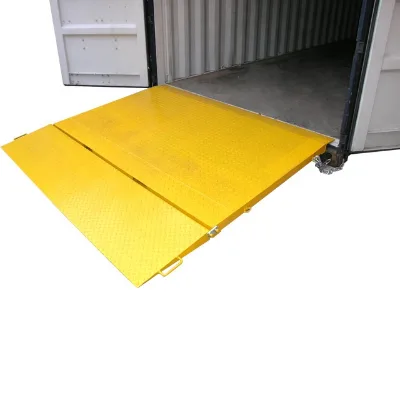
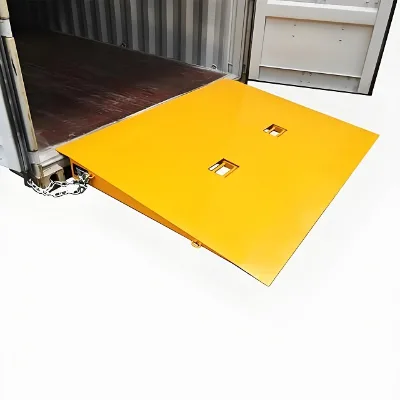
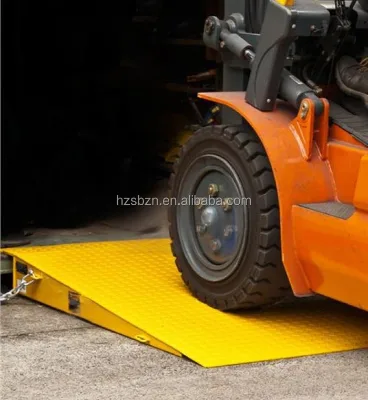
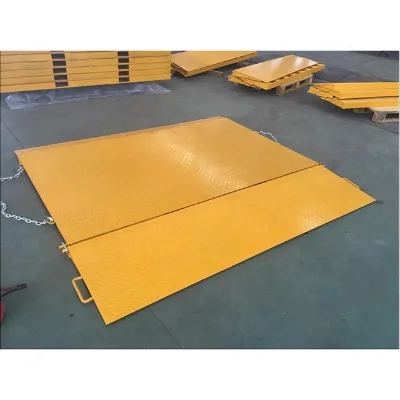
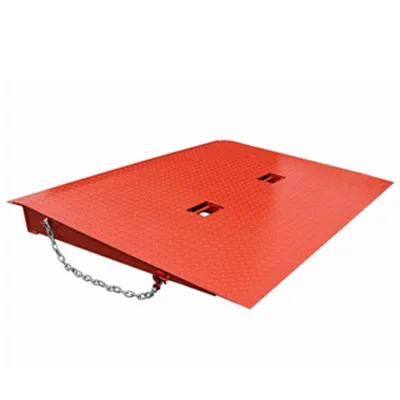


Loading and Unloading Work Platform Dock Leveler Container Loading Ramp
$950.00 - $2300.00
MOQ: 1 Sets


Comprehensive Sourcing Guide
Strategic Sourcing Guide for Explosion-Proof Container Ramps
Understanding Technical Specifications and Operational Parameters
When sourcing an explosion-proof container ramp, the primary objective is to identify equipment that meets rigorous safety standards while maintaining operational efficiency in hazardous environments. The technical architecture of these ramps differs significantly from standard industrial ramps due to the necessity of preventing ignition sources. Based on observed market data, the core mechanical configuration often involves a hydraulic driven type, which provides the smooth, controlled movement required for heavy-duty loading and unloading operations. The running mode is consistently observed as "Moving," indicating that these units are designed for dynamic positioning rather than static placement alone.
The structural integrity of the ramp is paramount. The material composition is frequently cited as Q345 Steel, a high-strength low-alloy structural steel known for its durability and resistance to impact. This material choice ensures the ramp can withstand the repeated stress of forklift traffic and heavy container loads. The surface treatment process is another critical technical specification; a powder-coated finish is commonly observed, offering superior corrosion resistance compared to standard paint. This is essential for equipment operating in diverse environments, from chemical processing plants to outdoor logistics yards.
Dimensions and load capacities vary based on the specific application requirements. Observed model specifications include capacities ranging from 6 tons to 10 tons, with specific model numbers such as CRL8, FCR 65, CRN65, and CRF6 appearing in the market. The physical footprint is substantial, with outer frame sizes reaching up to 2200*2000mm and overall dimensions like 10500X2100X880mm for larger units. For mobile applications, the adjustable height feature is a vital specification, with observed ranges between 1200mm and 1800mm, allowing the ramp to bridge varying dock heights. The lift mechanism typically utilizes a lift chain system, ensuring reliable vertical movement. Voltage requirements for electrically powered components are often standardized at 48V, balancing power delivery with safety in potentially explosive atmospheres.
Compliance, Certification, and Safety Standards
Navigating the compliance landscape for explosion-proof equipment requires a meticulous verification of certifications and adherence to international standards. The presence of specific certifications is not merely a formality but a legal and safety imperative. Buyers must verify that the product carries valid CE (Conformité Européenne) and ISO9001 certifications. These indicate that the manufacturing process adheres to quality management systems and that the product meets European safety, health, and environmental protection requirements. Additionally, GS certification is observed in some listings, which stands for "Geprüfte Sicherheit" (Tested Safety) and is a voluntary German safety mark that is highly respected globally.
The "Explosion-Proof" feature is the defining characteristic of this product category. This designation implies that the equipment is designed to prevent the ignition of surrounding flammable gases, dusts, or fibers. However, the term alone is insufficient; buyers must demand detailed documentation regarding the specific explosion-proof rating (e.g., ATEX, IECEx) applicable to the intended zone of operation. The supply chain facts mention "Insulating" as a feature alongside explosion-proof capabilities, suggesting that electrical isolation is a key component of the design to prevent arcing.
Standardization is another critical area. The observed standard "High quality" is a generic descriptor and should not be relied upon as a technical specification. Instead, procurement teams should look for specific adherence to ISO9001 for quality assurance and verify if the product meets local or regional explosion-proof standards relevant to the buyer's location. The Machinery Test Report is often provided, which serves as empirical evidence of the ramp's performance under load and safety conditions. Buyers should ensure that this report is recent, issued by a recognized third-party entity, and explicitly covers the explosion-proof integrity of the unit.
Cost Drivers and Pricing Structure Analysis
The pricing structure for explosion-proof container ramps is influenced by a complex interplay of factors, primarily driven by the specialized nature of the components and the rigorous testing required. The observed price range in the market spans from $200 to $6,000 USD. This wide variance reflects differences in capacity, material thickness, hydraulic complexity, and the depth of explosion-proof engineering. Lower-priced units in this range may represent smaller capacity ramps (e.g., 1-ton or 6-ton models) or basic configurations, while the upper end of the spectrum likely corresponds to high-capacity (10-ton) units with advanced hydraulic systems and comprehensive safety certifications.
Material costs are a significant driver. The use of Q345 Steel, while standard for heavy machinery, represents a substantial portion of the bill of materials. The powder-coating process adds value by extending the lifespan of the equipment in corrosive environments, thereby increasing the unit cost. Furthermore, the hydraulic driven type and the specific lift chain mechanisms require precision engineering, which adds to the manufacturing expense.
The Minimum Order Quantity (MOQ) also impacts the effective cost per unit. The observed MOQ range is between 1 and 100 units. Buyers purchasing a single unit for a pilot project or a small facility will face a higher per-unit cost compared to those placing bulk orders. The "Bulk" and "Pallet" packing options observed suggest that logistics and packaging methods are factored into the final price. Buyers should be aware that the "Single item" selling unit is available, but economies of scale may apply for larger procurement volumes.
Typical Applications and Industry Suitability
Explosion-proof container ramps are specialized tools designed for environments where the risk of fire or explosion is elevated. The primary application is in the handling of hazardous materials, where standard electrical or mechanical sparks could trigger a catastrophic event. The observed applicable industries include Building Material Shops, Machinery Repair Shops, Manufacturing Plants, and Construction Works. However, the specific need for explosion-proofing is most acute in sectors involving flammable liquids, gases, or combustible dusts.
The "Key Words" associated with these products, such as "Mobile container ramp for forklift loading unloading dock ramp," highlight their versatility. They are designed to facilitate the movement of forklifts between the dock and the container or truck bed, a critical step in the logistics chain. The ability to adjust the height (1200-1800mm) makes them suitable for various container types and dock configurations. The "Insulating" feature further expands their utility to environments where electrical isolation is required to prevent static discharge.
The "Marketing Type" of "New Product 2020" suggests that these ramps are part of an evolving market with continuous improvements in safety and design. The power consumption of 3500W indicates a robust system capable of handling heavy loads efficiently. Whether in a Food & Beverage Shop or a specialized Manufacturing Plant, the ramp serves as a critical interface for safe material handling. The condition is consistently listed as "New," ensuring that buyers receive equipment with full operational life and warranty coverage.
Supplier Evaluation and Origin Verification
Evaluating suppliers for explosion-proof equipment requires a deep dive into their manufacturing capabilities and geographic origins. The observed product origins are predominantly from China, specifically Qingdao, Shandong, and Zhejiang. These regions are known for their robust manufacturing bases in heavy machinery and steel fabrication. However, the presence of multiple origin listings, including "Haylite" and "Shangdong" (likely a variation of Shandong), necessitates careful verification of the actual manufacturing entity.
Brand names such as "HZ SUNPOWER" are observed in the market. While these brands provide a point of reference, buyers should not rely solely on brand recognition. Instead, the focus should be on the supplier's ability to provide the necessary documentation, including the Machinery Test Report and certification proofs. The "Brand Name" field should be cross-referenced with the "Place of Origin" to ensure consistency. A supplier claiming to be from Qingdao but lacking the specific certifications observed in the region's reputable manufacturers should be approached with caution.
The "Weight (KG)" of 310 for certain models provides a tangible metric for evaluating the supplier's manufacturing quality. A lighter weight might indicate thinner steel or inferior components, while a heavier weight could suggest robust construction. Buyers should request detailed weight specifications for the specific model they intend to purchase to ensure it aligns with the structural requirements of their facility. The "Single package size" of "XX cm" is a placeholder in some data, indicating that precise packaging dimensions should be confirmed with the supplier to plan logistics and storage effectively.
Quality Control and Long-Term Procurement Considerations
Ensuring the long-term reliability of explosion-proof container ramps requires a proactive approach to quality control and maintenance planning. The warranty period is a critical indicator of supplier confidence; a "1 Year" warranty is commonly observed. Buyers should scrutinize the terms of this warranty, specifically whether it covers the hydraulic system, the explosion-proof components, and the structural frame. The inclusion of a "Machinery Test Report" as a standard attribute suggests that suppliers are expected to provide pre-shipment testing data, which serves as a baseline for quality assurance.
Surface treatment is a key area for long-term durability. The "Powder Coated" and "Painted" finishes observed in the market must be evaluated for their resistance to chipping, peeling, and corrosion. In an industrial setting, the ramp will be subjected to constant abrasion from forklift tires and potential chemical spills. A high-quality powder coat should be specified to ensure the ramp maintains its structural integrity and safety features over time.
Procurement strategies should also consider the "Customization" availability. The fact that customization is available allows buyers to tailor the ramp to specific dock heights, load capacities, or environmental conditions. This flexibility is crucial for facilities with unique operational requirements. However, customization can impact lead times and costs. Buyers should balance the need for specific features against the timeline of their project.
Finally, the "Condition" of the product being "New" is a standard expectation, but buyers should verify the manufacturing date to ensure the equipment has not been sitting in inventory for extended periods, which could affect the warranty period. The "Selling Units" being "Single item" allows for flexible purchasing, but for large-scale operations, negotiating bulk pricing and extended warranty terms is advisable. By focusing on these quality control and long-term factors, buyers can secure explosion-proof container ramps that ensure safety, efficiency, and compliance for years to come.
Comparative Analysis of Key Specifications
To assist in the decision-making process, the following table summarizes the key technical and compliance attributes observed in the market for explosion-proof container ramps. This comparison highlights the variability in specifications and the importance of matching the right product to the specific operational need.
| Attribute | Observed Value / Range | Significance for Procurement |
|---|---|---|
| Driven Type | Hydraulic | Ensures smooth, controlled movement; critical for safety in hazardous zones. |
| Material | Q345 Steel | High-strength structural integrity; essential for heavy load bearing. |
| Surface Treatment | Powder Coated / Painted | Corrosion resistance; extends lifespan in harsh environments. |
| Capacity Range | 1 Ton to 15 Tons | Determines suitability for specific container and forklift weights. |
| Explosion-Proof | Yes (with Insulating) | Mandatory for hazardous environments; prevents ignition sources. |
| Certifications | CE, ISO9001, GS | Validates compliance with international safety and quality standards. |
| Adjustable Height | 1200-1800 mm | Allows adaptation to various dock and container heights. |
| Voltage | 48 V | Standard low-voltage for safety in explosive atmospheres. |
| Warranty | 1 Year | Standard coverage period; terms should be verified for exclusions. |
| Origin | Qingdao, Shandong, China | Indicates manufacturing hub; verify specific factory capabilities. |
This table serves as a reference point for buyers to ensure that the specific ramp they select meets all necessary technical and safety criteria. By systematically comparing these attributes against the requirements of their facility, buyers can make informed decisions that prioritize safety, compliance, and operational efficiency.
FAQs
What certifications are required for explosion proof container ramps?
Valid CE, ISO9001, and GS certifications are required for explosion proof container ramps. These documents verify that the manufacturing process adheres to quality management systems and meets European safety standards for hazardous environments.
How is the lifting mechanism powered on these ramps?
The lifting mechanism is typically powered by a hydraulic driven type system. This configuration provides smooth, controlled movement and operates on a standard 48V voltage to ensure safety in potentially explosive atmospheres.
Which materials are used to construct the ramp frame?
The ramp frame is constructed from Q345 Steel to ensure high strength and impact resistance. This material choice allows the unit to withstand repeated stress from forklift traffic and heavy container loads during daily operations.
Can the ramp height be adjusted for different dock levels?
Yes, the ramp height is adjustable to bridge varying dock heights effectively. The observed adjustable height range is between 1200mm and 1800mm, allowing for versatile use across different container and truck configurations.
What is the typical load capacity for these industrial ramps?
Typical load capacities range from 6 tons to 10 tons depending on the specific model. Observed specifications include models with 6-ton and 10-ton capacities, ensuring suitability for various heavy-duty material handling applications.
Where are these explosion proof ramps typically manufactured?
These ramps are typically manufactured in Qingdao, Shandong, and Zhejiang, China. These regions are known for robust manufacturing bases in heavy machinery and steel fabrication, providing reliable production sources for industrial equipment.
How are the ramps packaged for shipping and delivery?
The ramps are packaged using bulk or pallet methods for secure shipping. This packaging approach ensures the equipment remains stable during transit and protects the powder-coated surface from damage before reaching the final destination.