Source Explosion-Proof Centrifugal Pump for Chemical, Oil, and Water
Find 30 Explosion-Proof Centrifugal Pump options with varying pressure ratings and materials. Buyers can compare single-stage and multistage models for chemical, oil, and water applications.
Key considerations
Products List


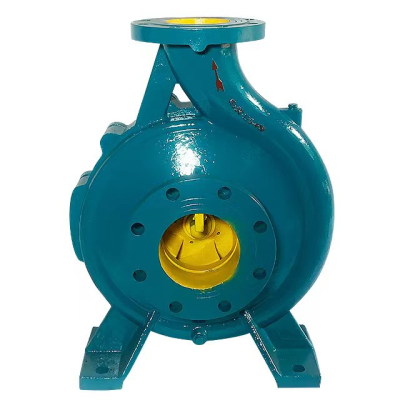

$50.00 - $1000.00
MOQ: 10 units


Durable Stainless Steel Centrifugal Pump for High-Efficiency Applications
$100.00 - $1000.00
MOQ: 1 Pieces

Corrosion-Resistant Stainless Steel Centrifugal Pump for High Efficiency Chemical Pump
$694.55 - $13194.45
MOQ: 1 Pieces


Durable Industrial Suction Explosion-Proof Horizontal Water Centrifugal Pump
$170.00 - $180.00
MOQ: 1 Unit


Reliable Centrifugal Pump for Transporting Hazardous Chemical Solutions
$400.00 - $9000.00
MOQ: 1 Pieces


Comprehensive Sourcing Guide
Strategic Sourcing Guide for Explosion-Proof Centrifugal Pump Procurement
Sourcing explosion-proof centrifugal pumps requires a rigorous approach that balances technical performance with stringent safety compliance. In industrial environments where flammable gases, vapors, or dusts are present, the selection of the correct pump is not merely a matter of flow rate or head but a critical safety decision. The procurement process must navigate a complex landscape of material specifications, electrical ratings, and mechanical designs to ensure operational integrity. This guide outlines the essential factors buyers must evaluate when acquiring these specialized fluid handling systems, drawing upon verified product attributes and industry standards to mitigate risk and ensure long-term reliability.
Technical Specifications and Mechanical Design
The foundational step in sourcing is a detailed analysis of the pump's mechanical configuration. Explosion-proof applications often demand specific mounting and structural characteristics to withstand harsh conditions. Buyers should verify the Position of Pump Shaft, as the choice between Horizontal Pump and Vertical Pump configurations dictates the installation footprint and maintenance accessibility. For instance, Horizontal Split Pumps are frequently preferred in chemical industries for their ease of maintenance, while Verticaljoint Surface Pumps may be selected for space-constrained or specific suction applications.
The impeller design is equally critical. The Influent Type of Impeller determines the hydraulic efficiency and suction capability. Sourcing teams must distinguish between Single Suction Pump and Double-Suction Pump designs based on the required flow balance and NPSH (Net Positive Suction Head) requirements. Furthermore, the Impeller Number defines the pressure generation capability; Single-Stage Pump units are suitable for lower head applications, whereas Multistage Pump configurations are necessary for high-pressure demands. The Working Pressure classification, ranging from Low Pressure Pump to High Pressure Pump, must align precisely with the system's operational limits.
Material selection is paramount for explosion-proof environments where chemical compatibility and corrosion resistance are vital. The Material of the pump casing and wetted parts should be verified against the process fluid. Available options include various grades of stainless steel such as 304, 304L, 321, 316, 316L, as well as duplex steels like 2205 and 2507, and specialized alloys like Ta2 and Tc4. The Standard for these materials often adheres to Cast Iron or Stainless Steel specifications, but the specific grade must be confirmed to prevent failure due to chemical attack or stress corrosion cracking. Additionally, the Operating Temperature range, which can span from -40 to 175 degrees Celsius, must be compatible with the fluid being pumped to prevent thermal expansion issues or seal failures.
Electrical Ratings and Safety Compliance
The "explosion-proof" designation primarily hinges on the electrical system's ability to contain internal explosions and prevent ignition of the surrounding atmosphere. While specific certification marks like ATEX or IECEx are industry norms, buyers must verify the Voltage and Frequency ratings of the motor. The supplied data indicates a wide range of compatible voltages, including 220V, 380V, 410V, 460V, and High Voltage options, alongside 50Hz/60Hz frequencies. It is essential to match these electrical parameters exactly with the facility's power infrastructure to avoid motor burnout or inefficient operation.
Compliance verification extends beyond the motor to the entire assembly. Buyers should confirm that the product carries recognized certifications such as CE and ISO, which indicate adherence to international safety and quality management systems. The Standard for the pump's construction often references ASME/ANSI guidelines, particularly for flange connections. The Flange Standard must be compatible with existing piping systems, with options typically including DIN, JIS, ANSI, and ASME. Mismatched flange standards can lead to leakage, which is a significant hazard in explosive environments.
Furthermore, the Permissible Alitude of the pump, noted as up to 1000m Above Sea Level, is a crucial environmental constraint. Operating at altitudes higher than this limit can affect the motor's cooling efficiency and the pump's suction performance, potentially leading to cavitation or overheating. The Bearing selection is another critical safety component; Imported Brand bearings are often specified to ensure longevity and reliability under high-stress conditions, reducing the risk of mechanical failure that could generate sparks or heat.
Cost Drivers and Pricing Variables
Understanding the cost structure of explosion-proof centrifugal pumps is essential for budgeting and value analysis. The Observed listed price range in the market spans from 1 to 50000 USD, reflecting the vast diversity in pump sizes, materials, and customization levels. Several factors drive these costs. First, the Material grade significantly impacts price; pumps constructed from 316L or 2507 stainless steel will command a premium over those made from standard cast iron or 304 stainless steel. Second, the complexity of the Working Pressure and Max.Head (ranging from 110m to 150m) influences the engineering and manufacturing costs. High-head, multistage pumps require more precise machining and tighter tolerances.
Customization is a major cost variable. The prod_prop.Customization attribute indicates that many suppliers offer tailored solutions. Customizing the Color (available in Blue, Yellow, Green, Red, etc.) or modifying the Hopper to be Optional can alter the final price. Additionally, the Trade Mark and brand reputation, such as Hb or Hjd, may influence pricing due to perceived quality and after-sales support. The MOQ (Minimum Order Quantity), observed between 1 and 100 units, also affects the unit cost; larger orders typically benefit from economies of scale, while single-unit purchases may incur higher per-unit fees.
Typical Applications and Operational Context
Explosion-proof centrifugal pumps are deployed in industries where the presence of flammable substances is a constant risk. The Application field explicitly lists the Chemical Industry as a primary use case, where these pumps handle volatile solvents, acids, and bases. The Usage category is broad, encompassing Pump, Pumps, Condensate Pump, Slurry Pump, and Circulating Pump functions. This versatility allows them to be integrated into various systems, from Irrigation Centrifugal Pumps to specialized Sanitary transfer systems.
The Hygienic Level of Sanitary indicates that certain models are designed for applications requiring high cleanliness, such as food and beverage or pharmaceutical processing, where the Transfer Partical capability is essential. The Product Name variations, such as Donjoy Flexible Impeller Pump, suggest specialized designs for handling sensitive fluids or those with particulate matter. The Acting Form being Single-Acting is another specification that defines the pump's operational cycle, which must align with the process requirements. Understanding the specific Usage context helps buyers select a pump that not only meets safety standards but also optimizes process efficiency.
Supplier Evaluation and Geographic Considerations
When evaluating potential suppliers, geographic origin plays a role in logistics and supply chain stability. The prod_origin is frequently listed as Hebei, China or generally China, indicating a concentration of manufacturing capabilities in this region. Buyers should assess the supplier's ability to meet Export Standard Wooden Box or Wooden Case packaging requirements to ensure safe transit. The prod_packing method is critical for protecting the pump from damage during shipping, especially for heavy industrial equipment.
Supplier reliability can be gauged by their adherence to Standard protocols and their Certification portfolio. A supplier offering CE and ISO certified products demonstrates a commitment to quality management. Additionally, the Trade Mark consistency, such as Hb or Hjd, can serve as a proxy for brand identity and reputation. Buyers should verify that the supplier has a track record of delivering Imported Brand bearings and high-quality Material components. The Item No (e.g., Hjd) serves as a unique identifier for specific models, aiding in traceability and future maintenance.
Quality Control and Long-Term Procurement
Quality control is the final barrier before a pump enters service. Buyers must insist on rigorous testing protocols that verify the Performance claims, such as Health and efficiency metrics. The Standard of DJ-RX or ISO should be referenced in the quality assurance documentation. Regular inspections of the Impeller (whether Closed or Open) and the Pump Casing are necessary to ensure no defects exist that could lead to failure.
For long-term procurement, buyers should consider the availability of spare parts and the Operating Temperature range compatibility. The Product Name and prod_model (e.g., IS or HJD) should be standardized across the facility to simplify inventory management. The Customization options allow for future-proofing the procurement strategy, ensuring that pumps can be adapted as process needs evolve. Finally, the Permissible Alitude and Working Pressure limits must be reviewed periodically to ensure that operational changes do not exceed the pump's design limits, thereby maintaining safety and compliance over the equipment's lifecycle.
Summary of Key Selection Criteria
To facilitate a structured decision-making process, the following table summarizes the critical attributes buyers must verify when sourcing explosion-proof centrifugal pumps. This checklist ensures that no vital parameter is overlooked during the evaluation phase.
| Attribute Category | Critical Verification Points |
|---|---|
| Mechanical Design | Position of Shaft (Horizontal/Vertical), Impeller Type (Single/Double Suction), Casing Split (Horizontal/Vertical), Material Grade (304/316/2205) |
| Electrical & Safety | Voltage (220-460V/High), Frequency (50/60Hz), Certification (CE, ISO), Flange Standard (DIN/ANSI/ASME) |
| Performance | Max Head (110-150m), Working Pressure (Low/Med/High), Operating Temp (-40 to 175°C), Altitude Limit (1000m) |
| Logistics & Origin | Origin (Hebei/China), Packing (Export Wooden Box), MOQ (1-100), Customization Availability |
| Application | Industry (Chemical), Usage (Slurry/Condensate/Circulating), Hygienic Level (Sanitary), Transfer Particles |
By systematically addressing these technical, safety, and logistical factors, procurement teams can secure explosion-proof centrifugal pumps that ensure operational safety, regulatory compliance, and long-term reliability in demanding industrial environments.
FAQs
What certifications do explosion proof centrifugal pumps carry?
These pumps typically carry CE and ISO certifications to ensure international safety compliance. Buyers should verify these marks on the product documentation before purchase to confirm adherence to quality management systems.
Which materials are available for the pump casing and wetted parts?
Available materials include various stainless steel grades like 304, 316L, and duplex steels such as 2205. Specialized alloys like Ta2 and Tc4 are also offered to ensure corrosion resistance in chemical industries.
Can the pump voltage be customized for different power infrastructures?
Yes, the voltage can be customized to match specific facility requirements. Options include 220V, 380V, 410V, 460V, and high voltage configurations to ensure compatibility with the local power grid.
What is the maximum head capacity for these centrifugal pumps?
The maximum head capacity ranges from 110 meters to 150 meters depending on the model. This range supports applications requiring high-pressure performance, such as multistage pump configurations for chemical processing.
How does the pump handle altitude limitations during operation?
The pump is designed to operate at altitudes up to 1000 meters above sea level. Operating beyond this limit may affect motor cooling and suction performance, potentially leading to efficiency losses.
What packaging standards are used for shipping these industrial pumps?
Pumps are shipped using export standard wooden boxes or wooden cases to ensure safe transit. This packaging protects the equipment from damage during international shipping and storage.
Which bearing brands are typically used in these high-pressure pumps?
Imported brand bearings are commonly specified to ensure longevity and reliability under high-stress conditions. These components reduce the risk of mechanical failure that could generate sparks or heat in hazardous environments.