Source Explosion-Proof Differential Pressure Switch for Home, Industrial, and Commercial Use
Explore 30 verified listings for the explosion-proof differential pressure switch designed for home, industrial, and commercial environments. Buyers can compare electrical ratings, pressure ranges, and mounting options to find the right component for their specific application needs.
Key considerations
Products List
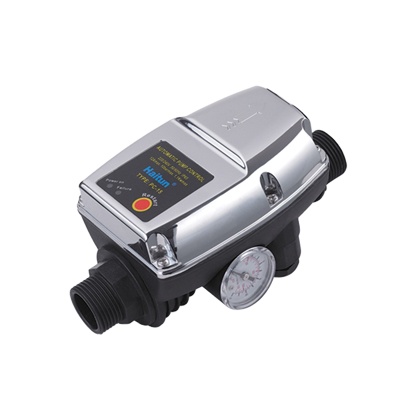


Comprehensive Sourcing Guide
Strategic Sourcing Guide for Explosion-Proof Differential Pressure Switches
Procuring industrial control components requires a rigorous approach to technical verification, especially when dealing with safety-critical devices like explosion-proof differential pressure switches. The market presents a complex array of specifications, certifications, and application scenarios that demand careful evaluation. Buyers must navigate the distinction between standard industrial switches and those designed for hazardous environments where explosive atmospheres may exist. This guide outlines the essential factors for sourcing these components, grounded in observed market data and technical requirements, ensuring that procurement decisions are based on verified facts rather than assumptions.
Technical Specifications and Operational Parameters
The core functionality of a differential pressure switch relies on its ability to detect pressure differentials and trigger a switching action when specific thresholds are met. In the observed product landscape, specifications vary significantly based on the intended medium and application. For instance, some units are designed to operate with air, non-combustible, and non-aggressive gases, indicating a specific limitation regarding the chemical nature of the medium. The operating pressure ranges can differ; observed data includes units rated for 10 bar, while others are calibrated for micro-low air adjustable differential pressures in the range of 20 to 300 Pa.
Electrical ratings are equally critical for system integration. The maximum current and voltage ratings must align with the control circuit requirements. Market observations show a spectrum of ratings, with some units supporting up to 10A and 240V, while others are rated for lower currents such as 1.5A at 250V. The contact type also varies, with options including Type C contacts, normally open configurations, and SPDT (Single Pole Double Throw) forms. The wiring configuration is another key technical detail; some switches require a null line and live line setup, while others may utilize blade terminals or screw terminals, such as the 6.3mm blade type.
The detection method employed by the switch dictates its sensitivity and response mechanism. Observed products utilize both retro-reflective and reflection-type detection methods, which influence how the device interacts with the environment. Furthermore, the structural design plays a role in performance. Some units feature a power-built-in type structure, whereas others are designed with an amplifier built-in type, suggesting differences in signal processing and output capability. The principle of operation is often resistive, converting physical pressure changes into electrical signals. Understanding these specific parameters is the first step in ensuring the selected switch can handle the specific load and environmental conditions of the target application.
Compliance and Certification Verification
In the realm of industrial safety, compliance is not merely a formality but a fundamental requirement. When sourcing explosion-proof differential pressure switches, verifying the certification status is paramount. The term "explosion-proof" implies a specific design capability to contain an internal explosion and prevent it from igniting the surrounding atmosphere. However, buyers must exercise caution when interpreting product listings. While some observed products list certifications such as CE, UL, RoHS, and Reach, the specific "explosion-proof" rating must be explicitly confirmed against recognized standards.
The observed data includes a mix of certifications. Some items are marked with ISOHousing:UPR, while others list CE and UL approvals. It is crucial to distinguish between general safety certifications and specific hazardous area ratings. A product may be CE certified for general electrical safety but lack the specific certification required for use in Zone 1 or Zone 2 hazardous locations. The "Non Explosion-proof" attribute observed in some listings serves as a critical warning; it indicates that the device is not suitable for environments where explosive gases or dusts are present. Buyers must ensure that the supplier provides valid documentation from accredited bodies confirming the explosion-proof rating, rather than relying on general marketing terms.
Furthermore, the standard compliance should be verified against the specific regulations of the buyer's region. While CE and UL are prominent in the observed data, other regional standards may apply. The presence of a "Reach" certification suggests compliance with chemical substance restrictions, which is vital for environmental and safety regulations. However, the absence of a specific explosion-proof standard in the provided facts for certain items necessitates a direct inquiry to the supplier. Buyers should request the specific test reports and certification numbers to validate that the device meets the necessary IECEx or ATEX standards, if applicable to their jurisdiction.
Cost Drivers and Pricing Structures
The cost of differential pressure switches is influenced by a multitude of factors, ranging from material quality to certification complexity. The observed price range in the market spans from approximately 3.9 USD to 213 USD, reflecting the diversity in product capabilities and build quality. The lower end of this spectrum typically corresponds to standard industrial switches with basic electrical ratings and general certifications. In contrast, the higher price points often correlate with specialized units featuring explosion-proof ratings, advanced detection methods, and robust construction materials designed for harsh environments.
Minimum Order Quantity (MOQ) is another significant cost driver. The observed MOQ range is vast, extending from 1 unit to 10,000 units. For small-scale projects or prototyping, suppliers with low MOQs are essential, though the unit price may be higher. Conversely, large-scale procurement can leverage economies of scale, but buyers must be prepared to commit to larger volumes to access the most competitive pricing. The selling unit structure, often listed as "Single item," suggests flexibility in purchasing, but bulk discounts may be available for larger orders.
Customization is a major factor affecting cost. Products listed with "Customized setting" or "Customization: Available" often command a premium. Customization can involve altering the pressure range, modifying the electrical contacts, or adapting the mounting position to fit specific installation requirements. The observed data indicates that customization is available for many items, which allows for tailored solutions but introduces variability in lead times and costs. Buyers should clearly define their requirements upfront to avoid unexpected expenses associated with late-stage modifications. Additionally, packaging standards, such as "Box" or "Neutral Export Carton," can influence logistics costs, particularly for international shipping.
Typical Applications and Industry Use Cases
Differential pressure switches serve a wide array of applications across various industries. The observed product attributes highlight usage in electronics, lighting, industrial settings, apartments, villas, commercial buildings, and vehicles. This broad applicability underscores the versatility of these components. In residential and commercial buildings, these switches are often used for HVAC systems to monitor air pressure and ensure proper ventilation. The specific mention of "HVAC Micro Low Air Adjustable Diffenertial Pressur" confirms their role in maintaining air quality and system efficiency in climate control applications.
In industrial settings, the applications are more demanding. The switches are utilized for control buttons, start buttons, reset buttons, and check functions in machinery. The ability to detect pressure changes is critical for safety interlocks, ensuring that equipment operates only within safe pressure limits. The "Shock Resistance" attribute observed in some products indicates their suitability for environments with high vibration or mechanical stress, such as manufacturing floors or vehicle applications. The "Mounting Position: Vertical" specification suggests that installation orientation is a consideration for proper function, which is particularly relevant in industrial panel designs.
The distinction between "Home" and "Industrial" applications is also evident in the product listings. While some units are marketed for home use, others are explicitly designed for industrial and vehicle applications. This distinction often correlates with the electrical ratings and environmental robustness. For example, a switch rated for 10A and 240V is likely intended for heavier industrial loads, whereas a 1.5A unit might be suitable for lighter commercial or residential control circuits. Understanding the specific application context is vital for selecting the right product, as using a standard switch in a hazardous industrial environment could lead to catastrophic failure.
Supplier Evaluation and Selection Criteria
Selecting the right supplier is as critical as selecting the right product. Buyers should prioritize suppliers who provide transparent and verifiable information regarding their products. The observed data includes suppliers from Zhejiang, China, a region known for manufacturing a wide range of electrical components. However, the location alone does not guarantee quality. Buyers must evaluate the supplier's ability to provide detailed technical documentation, including datasheets, certification copies, and test reports.
The presence of specific attributes like "Brand Name: HAITUN" indicates that some suppliers operate under established brand identities, which can be a proxy for reliability. However, buyers should not rely solely on brand names. Instead, they should assess the supplier's responsiveness to technical queries, their willingness to provide samples for testing, and their track record in delivering products that match the specified requirements. The "Customization: Available" attribute suggests that the supplier is capable of adapting products to specific needs, which is a valuable trait for complex procurement projects.
Additionally, the supplier's understanding of safety standards is crucial. A supplier who can clearly explain the difference between "Non Explosion-proof" and certified explosion-proof units demonstrates a higher level of expertise. Buyers should avoid suppliers who use ambiguous language or fail to provide clear distinctions between product categories. The ability to support the buyer through the entire procurement process, from initial inquiry to after-sales service, is a key indicator of a reliable partner.
Quality Control and Long-Term Procurement Considerations
Ensuring long-term reliability requires a robust quality control strategy. The observed product attributes, such as "Protection: Shock Resistance" and "Operating Temperature: -40 ~ +85," highlight the environmental resilience required for these devices. Buyers should implement incoming quality inspections that verify these specifications against the actual received goods. Testing for electrical continuity, pressure response, and contact integrity is essential to ensure that the switches function as intended.
For long-term procurement, consistency in product quality is paramount. Buyers should establish clear quality agreements with their suppliers, defining acceptable tolerances and rejection criteria. The "prod_packing: Box" and "prod_packing: Neutral Export Carton" observations suggest that packaging standards vary, and buyers should specify packaging requirements to prevent damage during transit. Furthermore, the "Lead Time" and "MOQ" considerations discussed earlier must be integrated into the supply chain strategy to ensure timely delivery and cost efficiency.
Finally, buyers should consider the lifecycle of the product. Switches with "Amplifier Built-in Type" or "Power Built-in Type" structures may have different maintenance requirements compared to simpler mechanical switches. Understanding the maintenance needs and availability of spare parts is crucial for minimizing downtime. By focusing on these quality control and long-term considerations, buyers can build a resilient supply chain that supports their operational needs effectively.
FAQs
Can I find explosion-proof differential pressure switches with CE certification?
Yes, some listed products carry CE certification alongside UL and RoHS approvals. However, specific listings also note a Non Explosion-proof attribute, so you must verify the exact hazardous area rating before purchasing for safety-critical environments.
What is the maximum current rating for these switches?
Observed units support a maximum current of 10A, while other models are rated for 1.5A. You should select the unit based on your specific circuit load requirements to ensure safe operation and prevent electrical failure.
Which pressure ranges are available for these differential switches?
Available models include ratings up to 10 bar and micro-low adjustable ranges between 20 to 300 Pa. The correct range depends on whether your application requires high-pressure industrial monitoring or low-pressure HVAC differential control.
How can I customize the settings for these pressure switches?
Customization is available for many products listed in the market. Buyers can request specific settings, but this may affect lead times and pricing, so define your requirements clearly before placing a bulk order.
Where are these explosion-proof differential pressure switches manufactured?
The primary origin for these products is Zhejiang, China. This location is a known manufacturing hub for electrical components, but you should confirm the specific factory details and shipping capabilities with the supplier.
What is the minimum order quantity for these switches?
The observed minimum order quantity ranges from 1 unit to 10,000 units depending on the supplier. Small projects can start with a single item, while large industrial contracts may require higher volume commitments.
Can these switches be used in HVAC systems?
Yes, specific models are designed for HVAC micro low air adjustable differential pressure applications. They are suitable for monitoring air quality and system efficiency in both residential and commercial ventilation setups.