Source Explosion-Proof Pressure Control Pump for Water, Fuel, and Industry
Find 30 verified listings for the Explosion-Proof Pressure Control Pump suitable for water treatment, fuel injection, and industrial boiler applications. Compare specifications like flow rate, voltage, and certifications to identify the right supplier for your needs.
Key considerations
Products List


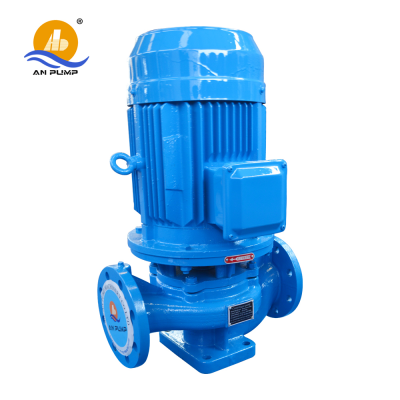
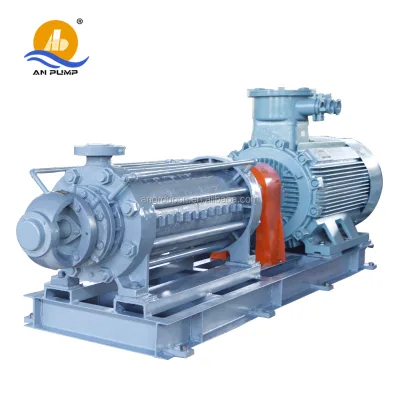


Comprehensive Sourcing Guide
Strategic Sourcing Guide for Explosion Proof Pressure Control Pumps
Understanding Technical Specifications and Operational Parameters
When sourcing explosion-proof pressure control pumps, the primary objective is to identify equipment that maintains precise pressure regulation within hazardous environments where flammable gases, vapors, or dusts may be present. The technical architecture of these pumps differs significantly from standard industrial pumps due to the stringent requirements for containment and ignition prevention. Based on the available market data, buyers must distinguish between pumps designed for constant flow and those offering variable flow capabilities, as the application dictates the necessary control logic.
The supply chain offers units with specific drive mechanisms, such as electric drives, which are critical for maintaining consistent operation without the risk of spark generation inherent in mechanical linkages. For applications requiring variable pressure control, the pump must feature a variable pump flow rate mechanism, allowing for dynamic adjustment based on real-time system demands. In contrast, constant pump flow rates are suitable for applications where steady-state pressure is the primary requirement.
Material composition is another non-negotiable specification. The body material of these pumps is frequently observed to be steel or iron, providing the necessary structural integrity to withstand high pressures and potential external impacts. The selection of material also influences the pump's resistance to corrosion, which is vital for longevity in harsh industrial settings. Furthermore, the stroke type, such as 4-stroke configurations, may be relevant for specific engine-driven or combustion-related pump applications, though electric variants are more common for general pressure control.
Buyers should also scrutinize the electrical specifications, particularly the input voltage and output voltage ranges. Data indicates that units may operate on single-phase 220V or three-phase 380V inputs, with output voltages ranging from 0 to 220V or 380V depending on the model. The output power capacity varies widely, with observed ranges spanning from 0.75 kW up to 18.5 kW. This variance suggests that a single model cannot satisfy all needs; instead, procurement must align the power rating with the specific hydraulic load of the intended system. Protection ratings, such as IP54, are essential to ensure that the pump housing prevents the ingress of dust and water, a prerequisite for safe operation in diverse environments.
Compliance and Certification Verification
In the realm of explosion-proof equipment, certification is not merely a formality but a legal and safety imperative. Buyers must verify that the pump carries recognized certifications that validate its suitability for hazardous areas. The market data highlights several key certifications, including PEI, ISO9001:2000, and CE. These marks indicate that the manufacturer has adhered to specific quality management systems and safety standards. However, the presence of these certifications on a product listing does not automatically guarantee that every unit in a batch meets the exact same criteria; verification of the specific batch or model is required.
For pumps intended for international markets, the ISO certification is particularly critical. The data also references ISO standards, such as ISO CB, which may apply to the manufacturing process or the product design itself. Additionally, some listings mention "ISOMaterial:Iron," which implies a specific material standard or a certification related to the iron composition used in the pump body. Buyers must ensure that the certification documents provided by the supplier are current and directly correspond to the specific model number being purchased, such as DYB50-DC12, ETP-60B, or AC ATP.
The geographic origin of the product also plays a role in compliance. Many units originate from China, specifically from regions like Zhejiang and Guangzhou. While these regions are hubs for manufacturing, buyers should be aware that standards can vary by region and manufacturer. The "Standard Export Packaging" and "Carton box with foam" mentioned in the data suggest that the products are prepared for international shipping, but the packaging itself does not confer safety certification. The buyer must request the official test reports and certification certificates from the manufacturer to confirm that the explosion-proof rating (such as Ex d, Ex e, or Ex i) is valid for the specific hazardous zone in which the pump will be installed.
Cost Drivers and Pricing Dynamics
The pricing of explosion-proof pressure control pumps is influenced by a complex interplay of factors, including material costs, certification expenses, and manufacturing complexity. The observed price range in the market spans from $2.88 to $10,000, a vast disparity that reflects the diversity of product types and capabilities. At the lower end of the spectrum, prices may correspond to smaller, less complex units or those with lower power ratings, such as the 0.75 kW models. Conversely, the upper end of the price range likely encompasses high-power units, custom-configured pumps, or those with extensive certification suites and specialized materials.
Minimum Order Quantity (MOQ) is another significant cost driver. The data shows an MOQ range of 1 to 100 units. Buyers seeking to minimize upfront capital expenditure can target suppliers with an MOQ of 1, allowing for pilot testing or small-scale deployment. However, suppliers with higher MOQs may offer more competitive per-unit pricing, which can be advantageous for large-scale industrial projects. The customization options available, as noted in the product attributes, also impact cost. Custom packaging, such as wooden cases or specific customer requirements, adds to the overall expense but may be necessary for logistical or safety reasons.
The model number is a strong indicator of price variation. Models like 2237923, 2130385, and 3966840 represent specific configurations that may command different price points based on their internal components and performance characteristics. Buyers should not assume that a higher price always equates to better performance; rather, they must evaluate the cost against the specific technical requirements of their application. For instance, a pump with a variable flow rate and higher output power (up to 18.5 kW) will inherently cost more than a constant flow unit with lower power output.
Typical Applications and Industry Sectors
Explosion-proof pressure control pumps are deployed across a wide array of industries where the risk of ignition is a primary concern. The automotive industry is a notable sector, with specific applications involving fuel injection systems for vehicles such as Volkswagen. In this context, the pump must handle diesel fuel and maintain precise pressure for efficient combustion. The data also highlights the use of these pumps in the biofuel industry, where the handling of volatile organic compounds requires strict safety measures.
Beyond automotive and biofuel sectors, these pumps are essential in commercial buildings and district energy systems. In these environments, the pumps may be used for heating, ventilation, and air conditioning (HVAC) systems, where reliable pressure control is vital for thermal comfort and energy efficiency. The food and beverage industry also relies on such pumps for processes involving flammable solvents or cleaning agents, where contamination and safety are paramount.
Water treatment and irrigation represent another critical application area. The data mentions "Developing World Water Solutions" and "Drinking Water Treatment," indicating that these pumps are used in municipal and rural infrastructure projects. In these scenarios, the pumps must be robust enough to handle varying water qualities while maintaining safety in potentially explosive atmospheres, such as those found in sewage treatment plants or chemical processing facilities associated with water purification.
The industrial utilities sector, including industrial boilers and HVAC OEMs, further underscores the versatility of these pumps. The ability to operate in diverse environments, from family homes to large-scale industrial facilities, makes them a versatile component in modern infrastructure. The specific model numbers, such as W713B and W191, likely correspond to specialized configurations designed for these varied applications, ensuring that the pump can meet the unique demands of each sector.
Supplier Evaluation and Quality Assurance
Evaluating a supplier for explosion-proof pressure control pumps requires a rigorous approach that goes beyond simple price comparison. Buyers must assess the supplier's ability to provide consistent quality and adherence to safety standards. The presence of certifications like ISO9001:2000 and CE is a positive indicator, but buyers should verify the scope of these certifications to ensure they cover the specific manufacturing processes and product lines being purchased.
The origin of the product, whether from Zhejiang, Guangzhou, or other regions in China, should be cross-referenced with the supplier's reputation and track record. While the data confirms that many units originate from China, the specific location can influence the quality control processes and the speed of delivery. Buyers should request detailed information about the supplier's quality control protocols, including how they test for explosion-proof integrity and how they handle batch testing.
Packaging is another aspect of supplier evaluation. The data mentions various packaging options, including cartons, wooden cases, and custom requirements. A reputable supplier will use packaging that protects the pump during transit and ensures that the explosion-proof features are not compromised. The use of foam and standard export packaging suggests a commitment to product safety, but buyers should confirm that the packaging meets the specific shipping requirements of their destination.
Furthermore, the availability of customization is a key differentiator among suppliers. Suppliers that offer customization in terms of packing, voltage, and model specifications demonstrate a higher level of flexibility and customer service. Buyers should engage with suppliers who are willing to provide samples or detailed technical documentation before committing to a large order. This due diligence helps mitigate the risk of receiving non-compliant or substandard equipment.
Long-Term Procurement and Maintenance Considerations
Long-term procurement strategies for explosion-proof pressure control pumps must account for maintenance, spare parts availability, and lifecycle costs. The data indicates that some pumps have a stroke type of 4-stroke, which may imply specific maintenance intervals and part replacement schedules. Buyers should inquire about the availability of spare parts, such as seals, gaskets, and electrical components, to ensure that the pump can be maintained without significant downtime.
The material composition, such as steel or iron bodies, affects the longevity of the pump. These materials are generally durable but may be susceptible to corrosion over time, especially in harsh environments. Buyers should consider the application of protective coatings or the selection of specific materials that offer enhanced corrosion resistance. Additionally, the output power and voltage specifications should be reviewed to ensure compatibility with the existing power infrastructure, as retrofitting electrical systems can be costly.
Lead times and delivery schedules are also critical factors in long-term planning. While the data does not provide specific lead times, buyers should establish clear expectations with the supplier regarding production and shipping timelines. The MOQ of 1 to 100 units allows for flexibility in ordering, but buyers should plan for potential delays in the supply chain, especially for custom orders.
Finally, the total cost of ownership should be evaluated, including energy consumption, maintenance costs, and potential downtime. Pumps with higher output power and variable flow rates may offer better efficiency in certain applications, reducing long-term energy costs. However, the initial investment and maintenance requirements must be balanced against these potential savings. By adopting a holistic approach to procurement, buyers can ensure that their explosion-proof pressure control pumps deliver reliable performance and safety over their entire lifecycle.
FAQs
What certifications do explosion proof pressure control pumps have?
These pumps typically hold PEI, ISO9001:2000, and CE certifications. Some listings also reference ISO standards and specific material certifications like ISOMaterial for iron bodies. Buyers must verify that the specific batch matches these documents.
Which drive types are available for these pumps?
Electric drive mechanisms are commonly observed in the market data. These units provide consistent operation without spark generation risks. Some models also feature variable pump flow rates while others offer constant pump flow capabilities.
What is the typical price range for these units?
The observed price range spans from 2.88 to 10000 USD. Lower prices often correspond to smaller units or lower power ratings, while higher costs reflect custom configurations or extensive certification suites. Minimum order quantities also influence the final cost.
Can these pumps be customized for specific needs?
Yes, customization is available for various product attributes. Suppliers offer options for custom packaging like wooden cases and specific customer requirements. Voltage and model specifications can also be tailored to meet distinct application demands.
What are the standard output power capacities?
Output power capacities range from 0.75 kW up to 18.5 kW. Specific models may operate at 0.75 to 2.2 kW depending on the configuration. Buyers must align the power rating with the specific hydraulic load of their intended system.
Where are these pumps typically manufactured?
Products originate from China, with specific hubs in Zhejiang and Guangzhou. Some listings specify China (Mainland) as the origin. Buyers should cross-reference these locations with supplier quality control protocols and delivery timelines.