Source Explosion Proof Van Truck for Hazardous Logistics
Explore 30 explosion proof van truck models with diesel engines under 150hp and manual transmissions. Compare wheelbases from 3050mm to 5200mm, load capacities up to 10t, and ISO certifications to find the right vehicle for your industrial needs; compare the available evidence and request quotations based on your requirements.
Key considerations
Products List


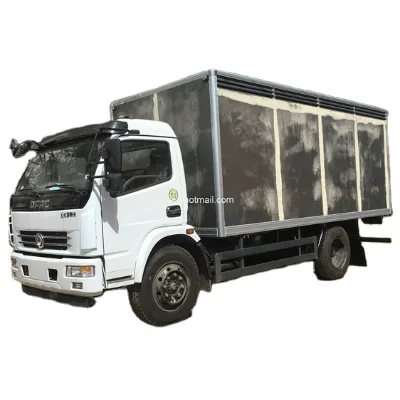
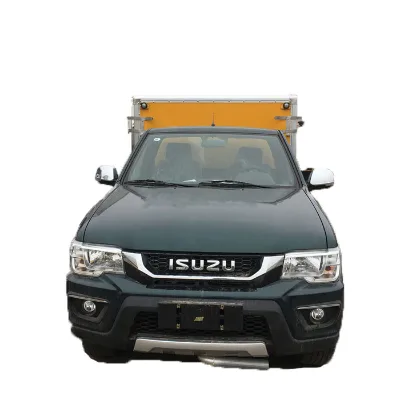


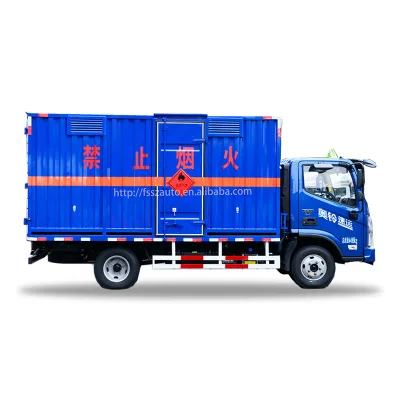


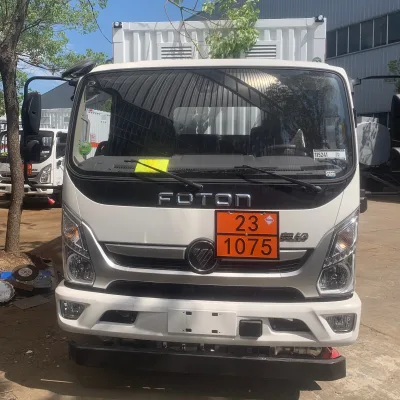


Comprehensive Sourcing Guide
Explosion Proof Van Truck Sourcing Guide
Procuring an explosion-proof van truck requires careful attention to specific design features that distinguish these specialized vehicles from standard transport units. Buyers must prioritize vehicles explicitly described as "Explosion Proof Truck" with configurations suitable for hazardous material handling. The observed market offers units with varying load capacities, ranging from small 1-ton models to heavy-duty 30-ton variants, ensuring options exist for diverse logistical needs.
Selection should focus on the specific van material and structural integrity, as carbon steel construction is a common baseline for these units. The cabin configuration, whether equipped with a sleeper or not, directly impacts operational efficiency for long-haul routes. Buyers must verify that the chosen model aligns with the intended cargo volume, which typically spans from 5 cubic meters up to 30 cubic meters depending on the chassis and body style selected.
Product Scope and Observed Listing Signals
The available inventory includes a wide spectrum of van trucks, primarily originating from Suizhou, Hubei Province, China, with model numbers such as JDF0524CMQ08 and CLW8760QXC. These listings indicate a strong focus on customization, allowing buyers to specify colors and wheelbase lengths ranging from 3050mm to 5200mm. The product scope encompasses various drive wheel configurations and engine capacities, ensuring that the vehicle can be tailored to specific regional regulations and operational terrains.
Listing signals reveal that these units are generally offered in "New" condition with a "Nude with Wax" or bulk shipping packing method. The observed price range is substantial, spanning from 2000 to 91000 USD, reflecting the significant variance in engine power, load capacity, and specialized safety features. Buyers should note that while some listings mention specific horsepower ranges like 150-250hp, others indicate lower outputs, necessitating a clear definition of power requirements before finalizing a purchase.
Technical Specifications to Verify
Engine capacity and horsepower are critical technical parameters that must be verified against the intended application. The market data shows engine options ranging from less than 4 liters to 6-8 liters, with horsepower figures spanning from 60HP to 371HP. It is essential to confirm that the selected engine meets the specific torque and power demands of the cargo, particularly when navigating steep gradients or heavy loads in hazardous environments.
The chassis and body specifications require rigorous scrutiny, including tire design, which is predominantly radial or tubeless, and emission standards that must comply with Euro regulations. Buyers should verify the wheelbase options, which include 3360mm, 3815mm, 4200mm, 4500mm, and 5200mm, to ensure the vehicle fits the required loading dimensions. Additionally, the van thickness, typically 3mm for the floor and 2mm for the sides, must be confirmed to guarantee structural durability during transport.
Compliance and Safety Documentation
Safety compliance is paramount for explosion-proof vehicles, and buyers must demand documentation proving adherence to relevant international and local standards. The observed listings reference certifications such as ISO, CCC, CE, ASME, ASTM, and EEC, which serve as indicators of quality and safety management systems. However, buyers should not assume all listed units possess every certification; specific verification of the certificate validity for the exact model number is required before shipment.
Emission standards are another critical compliance area, with many units adhering to Euro standards to meet environmental regulations in various markets. The tire certification, often citing ECE, GCC, ISO, and DOT, must be validated to ensure the tires are suitable for the specific hazardous conditions and road types the truck will encounter. Procurement teams must request the full compliance dossier, including the explosion-proof certification, to avoid legal liabilities and ensure operational safety.
Cost Drivers and Commercial Terms
The final cost of an explosion-proof van truck is heavily influenced by the engine power, load capacity, and the extent of customization requested. Units with higher horsepower, such as those exceeding 150hp, or those with larger cargo volumes like 30 cubic meters, will naturally command a higher price point within the observed 2000 to 91000 USD range. Buyers should anticipate that specialized features, such as specific door configurations or sleeper cabins, will add to the base manufacturing cost.
Commercial terms regarding shipping and packaging are equally important, as the observed options include nude with wax, bulk ship, RO-RO, and container methods. The choice of packing method affects the final landed cost and the protection of the vehicle during transit. Buyers must clarify whether the price includes the cost of waxing or if additional fees apply for specialized packaging, ensuring there are no hidden costs that could impact the overall budget.
Supplier Qualification and Quality Control
Supplier qualification should focus on verifying the origin and manufacturing capabilities of the provider, with a significant portion of listings originating from Suizhou, Hubei Province. Buyers must confirm that the supplier has a proven track record in producing specialized vehicles, specifically those with explosion-proof capabilities, rather than general truck manufacturing. The presence of specific model numbers and detailed technical specifications in the listing is a positive indicator of a specialized production line.
Quality control processes must be explicitly defined, including inspection protocols for the van material, welding integrity, and engine performance. The observed "New" condition status implies that the vehicles are freshly manufactured, but buyers should request third-party inspection reports to verify the quality of the carbon steel body and the functionality of the safety systems. Establishing a clear quality assurance agreement before production begins is essential to mitigate the risk of receiving non-compliant units.
Long-Term Procurement Checks
Long-term procurement success depends on establishing a reliable supply chain for spare parts and ongoing technical support. Buyers should verify the availability of critical components such as tires, engines, and specialized explosion-proof fittings to ensure minimal downtime during the vehicle's operational life. The standardization of parts, particularly regarding the wheelbase and engine capacity, can significantly simplify maintenance and reduce long-term ownership costs.
Regular audits of the supplier's production quality and adherence to standards are necessary to maintain the integrity of the fleet over time. Buyers should implement a schedule for periodic inspections to ensure that the vehicles continue to meet safety and performance standards as they age. Building a strong relationship with the supplier, focusing on clear communication regarding any changes in regulations or technical requirements, will help sustain a safe and efficient fleet operation.
FAQs
What is the load capacity of these explosion proof van trucks?
The load capacity ranges from 1 to 10 tons for standard models. Specific configurations support 5, 10, 15, 20, or 30 tons depending on the chassis selection. Buyers should verify the exact bearing capacity against their cargo requirements before ordering to ensure compliance with safety standards.
Can the van truck be customized for specific needs?
Yes, customization is available for color, wheelbase, and interior layout. Options include 3360, 3815, 4200, 4500, or 5200 mm wheelbases. The van material is carbon steel with specific thicknesses, and doors can be configured with side or rear access to meet operational demands.
Which certifications apply to the explosion proof van truck tires?
Tire certifications include ISO, ECE, GCC, and DOT standards. These ensure the tires meet international safety and performance requirements for heavy-duty transport. Buyers should confirm the specific certification needed for their target market to ensure regulatory compliance during import and operation in restricted zones.
How is the van truck packed for shipping?
Packing methods include nude with wax, bulk ship, RO-RO, or container shipping. Options also include waxed or naked before on-board delivery. The choice depends on the shipping route and cost efficiency. Proper waxing protects the steel body from corrosion during transit across oceans.
What engine horsepower options are available for these trucks?
Engine horsepower ranges from under 150hp to over 371hp. Specific models offer 60, 75, 95, 290, 336, or 371hp. The emission standard is Euro compliant. Buyers should select the engine capacity based on the required torque and fuel efficiency for their specific hauling tasks.
Where are these explosion proof van trucks manufactured?
These trucks are manufactured in Suizhou, Hubei Province, China. The region is known for specialized commercial vehicle production. Buyers can expect adherence to China Standard specifications. Origin verification is essential for supply chain transparency and ensuring the product meets the intended regional regulatory frameworks.