Source Extreme Pressure Industrial Gear Oil for Mining, Manufacturing, and Construction
Find 30 listings for Extreme Pressure Industrial Gear Oil suitable for mining, manufacturing, and construction applications. Buyers can compare specifications, packaging options, and delivery times from verified suppliers in China.
Key considerations
Products List


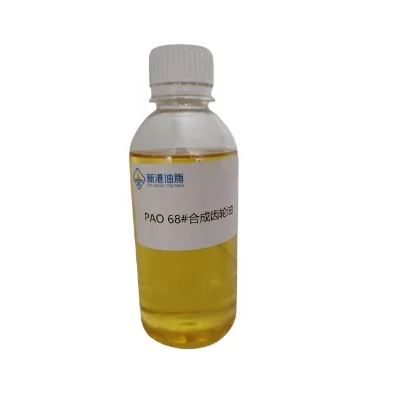


Hot Sale High Performance Gear Oil for Heavy-Duty Industrial Applications
$5.00 - $10.00
MOQ: 80 barrel


Gear Oil Additive Package for Heavy Industrial/Extreme Pressure Oil Additive
$4000.00 - $6000.00
MOQ: 1 Tons

Extreme Pressure Lublicating Soluble Anti Rust Lubricant Gear Oil Additive
$4000.00 - $6000.00
MOQ: 1 Tons


Anti-Wear Extreme Pressure Lublicating Lubricant Low Odor Gear Oil Additive
$4000.00 - $6000.00
MOQ: 1 Tons
Comprehensive Sourcing Guide
Extreme Pressure Industrial Gear Oil Sourcing Guide
Procuring extreme pressure (EP) industrial gear oil requires a disciplined approach that balances technical performance with commercial reliability. These specialized lubricants are engineered to protect heavy-duty gear systems under high loads, preventing metal-to-metal contact and reducing wear in demanding industrial environments. Buyers must navigate a complex landscape of viscosity grades, additive packages, and packaging standards to ensure compatibility with their specific machinery. This guide provides a structured framework for evaluating suppliers, verifying technical claims, and securing supply chain stability for critical lubrication needs.
The sourcing process begins with a clear definition of operational requirements, including load intensity, operating temperatures, and gear types. Industrial gear oils often serve multiple functions, such as lubrication, cooling, and rust prevention, making the selection of the correct base oil and additive package crucial. By focusing on verified product attributes and trusted industry knowledge, procurement teams can mitigate risks associated with performance failures and supply disruptions. The following sections detail the essential steps for identifying, evaluating, and contracting with reliable suppliers of Extreme Pressure Industrial Gear Oil.
Product Scope and Observed Listing Signals
The market for industrial gear oils presents a diverse range of product listings, often characterized by significant variations in naming conventions and technical descriptors. Observed listings frequently include terms such as "Gear Oil," "Worm Gear Oil," and specific model designations like "L-CKE/P 460 Extreme pressure worm gear oil." These variations indicate that suppliers may offer specialized formulations for different gear types, including worm gears which require specific friction modifiers and anti-wear additives. Buyers should carefully distinguish between general-purpose gear oils and those specifically formulated for extreme pressure applications to ensure compatibility with their equipment.
Packaging and volume standards also vary widely across suppliers, reflecting different logistical capabilities and customer segments. Common packaging options include bottles, plastic barrels, iron drums, IBC totes, and flexible bulk bags, with standard volumes ranging from 4L to 200L. Some suppliers offer specific packing configurations, such as 170kg per barrel or case, which can impact storage and handling requirements. Understanding these packaging options is essential for planning warehouse space and material handling equipment, as well as for calculating the total landed cost of the product.
Technical Specifications to Verify
Verifying technical specifications is the most critical step in sourcing Extreme Pressure Industrial Gear Oil. Buyers must confirm the viscosity grade, which is often specified using ISO VG ratings such as 150, 220, 320, 460, or 680. These grades determine the oil's flow characteristics and its ability to maintain a protective film under varying temperatures and loads. Additionally, the base oil type, whether synthetic or mineral, plays a significant role in performance, with synthetic oils often offering superior thermal stability and longer service life. Suppliers may also list specific additive packages, including viscosity index improvers, friction modifiers, dispersants, and antioxidants, which enhance the oil's performance in extreme conditions.
Color and appearance are often used as quick indicators of product quality and composition, with dark brown oily liquids being common for heavy-duty gear oils. However, these visual cues should not be relied upon exclusively for quality assessment. Buyers should request detailed technical data sheets that specify the oil's general composition, property ratings, and performance standards. For instance, some products are described as having "excellent" quality or being suitable for high and low-temperature lubrication, but these claims must be backed by rigorous testing and certification. Verifying these specifications ensures that the selected oil will meet the operational demands of the machinery.
Compliance and Safety Documentation
Compliance with industry standards and safety regulations is non-negotiable when sourcing industrial lubricants. Buyers should verify that suppliers adhere to recognized standards such as Sh/T 0094 or other relevant national and international specifications. These standards ensure that the product meets minimum performance criteria for extreme pressure applications, including load-carrying capacity and wear protection. Additionally, suppliers may provide certifications that attest to the quality and consistency of their manufacturing processes, which can be crucial for maintaining warranty coverage and operational reliability.
Safety documentation, including Material Safety Data Sheets (MSDS) or Safety Data Sheets (SDS), is essential for ensuring safe handling, storage, and disposal of the product. These documents provide critical information on the chemical composition, health hazards, and emergency response procedures associated with the gear oil. Buyers should ensure that suppliers provide up-to-date and accurate safety documentation, as regulations regarding hazardous substances and environmental impact are constantly evolving. Proper compliance with safety standards not only protects workers but also helps companies avoid legal liabilities and environmental penalties.
Cost Drivers and Commercial Terms
Understanding the cost drivers and commercial terms is vital for effective budgeting and negotiation. The price of Extreme Pressure Industrial Gear Oil is influenced by factors such as the base oil type, additive package complexity, packaging requirements, and order volume. Observed price ranges can vary significantly, from low-cost bulk options to premium synthetic formulations, reflecting differences in quality and performance. Buyers should request detailed quotes that break down costs by unit, packaging, and shipping, allowing for accurate comparison between suppliers.
Commercial terms, including minimum order quantities (MOQ), lead times, and payment terms, also impact the total cost of ownership. Suppliers may offer different MOQs, ranging from small trial orders to large bulk purchases, and lead times can vary from a few days to several weeks. Buyers should negotiate terms that align with their inventory management strategies and production schedules. Additionally, suppliers may offer customization services, such as ODM or OEM options, which can provide tailored solutions but may involve higher costs and longer lead times. Understanding these commercial dynamics helps buyers optimize their procurement strategy.
Supplier Qualification and Quality Control
Supplier qualification is a critical step in ensuring the reliability and consistency of the supply chain. Buyers should assess suppliers based on their manufacturing capabilities, quality control processes, and track record in the industry. Suppliers located in key manufacturing regions, such as Hebei, China, may offer competitive pricing and extensive product ranges, but buyers should verify their production standards and quality assurance protocols. Requesting samples is a practical way to evaluate product quality and supplier responsiveness before committing to large orders.
Quality control measures, such as batch testing and certification audits, are essential for maintaining product consistency. Buyers should inquire about the supplier's quality management systems and their ability to provide traceability for each batch of oil. Suppliers that offer ODM and OEM services may have more flexible production lines, but this flexibility should not compromise quality standards. Establishing a strong relationship with a qualified supplier ensures that the buyer receives consistent, high-quality products that meet their technical and operational requirements.
Long-Term Procurement Checks
Long-term procurement success depends on continuous monitoring and evaluation of supplier performance and product quality. Buyers should establish key performance indicators (KPIs) to track metrics such as delivery reliability, product consistency, and customer service responsiveness. Regular audits and reviews of supplier quality control processes can help identify potential issues before they impact production. Additionally, staying informed about industry trends and technological advancements in lubricant formulation can help buyers make informed decisions about product upgrades or changes in supplier base.
Building a resilient supply chain involves diversifying suppliers and maintaining open communication channels. Buyers should consider maintaining relationships with multiple qualified suppliers to mitigate risks associated with supply disruptions or price volatility. Regularly reviewing contract terms and negotiating favorable conditions can also help optimize costs and ensure long-term partnership stability. By implementing a proactive approach to supplier management, buyers can secure a reliable supply of Extreme Pressure Industrial Gear Oil that supports their operational efficiency and business growth.
FAQs
What base oil type is used for Extreme Pressure Industrial Gear Oil?
The product uses synthetic oil as the base oil type. It contains additives like viscosity index improvers and anti-wear agents to ensure high performance in demanding industrial applications.
Which certifications apply to this Extreme Pressure Industrial Gear Oil?
The oil meets the Sh/T 0094 standard certification. This ensures the product complies with specific industry requirements for quality and performance in extreme pressure conditions.
How is the Extreme Pressure Industrial Gear Oil packaged for shipment?
Packaging options include iron drums, plastic barrels, and flexible bulk bags. Specific capacities range from 4 liters to 200 liters depending on the customer's bulk requirements.
Can suppliers provide samples of the Extreme Pressure Industrial Gear Oil?
Yes, suppliers can provide samples for evaluation. This allows buyers to verify the oily liquid appearance and dark brown color before committing to a larger order.
What is the lead time for delivering Extreme Pressure Industrial Gear Oil?
The delivery time typically ranges from 5 to 15 days. This lead time applies to orders placed with manufacturers located in Hebei, China, for standard specifications.
Which viscosity grades are available for Extreme Pressure Industrial Gear Oil?
Available grades include ISO VG 150, 220, 320, 460, and 680. Specific models like L-CKE/P 460 are designed for extreme pressure worm gear applications.
What customization services are offered for Extreme Pressure Industrial Gear Oil?
ODM and OEM services are available for customization. Buyers can request specific formulations or packaging solutions to meet unique industrial lubrication needs.