Source extra strength non-woven nasal strips for home office travel
Compare 30 listings of extra strength non-woven nasal strips from verified Chinese manufacturers. Buyers can evaluate features like strong adhesion, skin-friendly materials, and customizable branding options for home, office, and travel use.
Key considerations
Products List







Comprehensive Sourcing Guide
Strategic Sourcing Guide for Extra Strength Non-Woven Nasal Strips
Understanding Product Specifications and Material Composition
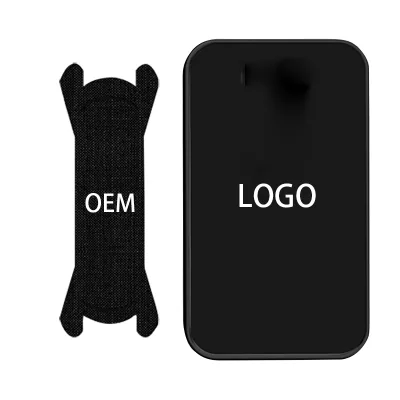
When sourcing extra strength non-woven nasal strips, buyers must first establish a precise understanding of the technical specifications that define the product's performance and physical characteristics. The core material composition is a critical differentiator in this category. Based on available market data, the primary materials utilized in these products include non-woven fabric and polyethylene (PE). Some listings further specify the inclusion of a film layer, creating a composite structure of PE, non-woven cloth, and film. This tri-layer construction is often cited as essential for achieving the "strong adhesion" and "skin-friendly" attributes that buyers seek. The non-woven fabric provides the necessary breathability, allowing users to "Breathe Easily" while maintaining structural integrity, whereas the PE component and film likely contribute to the adhesive strength and moisture resistance required for an "extra strength" classification.
Dimensional consistency is another vital specification. Standardized sizing for these strips often adheres to a measurement of 60*22mm, which serves as a baseline for effective application on the nose. However, variations exist, with some product packages indicating a single package size of 8.5x3x0.3 cm, suggesting that the packaging dimensions may differ from the strip dimensions themselves. Buyers should verify the exact physical dimensions of the strip versus the packaging to ensure compatibility with their intended retail or distribution channels. The product is generally designed for adult use, with an age group specification clearly marked as "Adults." Furthermore, the application is strictly localized to the nose, with specific features designed to address issues such as snoring or nasal congestion. While some data points mention "Anti-Scratch" applications, the primary functional application remains nasal support.
The adhesive properties are paramount for "extra strength" claims. The product features are explicitly described as having "Strong Adhesion," which is a key performance indicator for buyers looking to ensure the strip remains effective throughout the night or during travel. Additionally, the product is noted to be "Skin-Friendly," indicating that the materials are selected to minimize irritation upon prolonged contact with the skin. It is important to note that while some variations may claim waterproof properties, the majority of standard non-woven nasal strips are classified as "Non-Waterproof." This distinction is crucial for buyers to understand the environmental limitations of the product, particularly regarding sweat or water exposure during high-intensity activities.
Compliance, Certification, and Regulatory Verification
Navigating the compliance landscape for medical-adjacent devices like nasal strips requires a rigorous verification process. The supply chain data indicates that Quality Certification such as ISO is a standard requirement for reputable manufacturers in this sector. The presence of ISO certification suggests that the supplier adheres to international management system standards, which is a strong indicator of process control and quality consistency. However, buyers must treat this as a verification point rather than an automatic guarantee. The specific ISO standard (e.g., ISO 9001 for quality management) should be confirmed directly with the supplier to ensure it covers the specific manufacturing processes relevant to medical devices or personal care items.
In addition to ISO, other certifications such as CE and REACH are often mentioned in the broader context of the industry, though they appear with lower confidence in the immediate data set. Buyers should not assume these certifications are present without explicit documentation. The CE marking, for instance, indicates conformity with health, safety, and environmental protection standards for products sold within the European Economic Area. REACH compliance ensures that the chemical substances used in the non-woven fabric and adhesive do not pose risks to human health or the environment. Since these certifications are listed as "low-confidence background" in the source data, the procurement strategy must include a direct request for valid certificate copies before finalizing any order.
Regulatory compliance also extends to the country of origin. The majority of the observed products originate from Hebei, China, with some listings pointing to Fujian, China. Both regions are established manufacturing hubs for non-woven textiles and medical supplies. However, the specific regulatory environment in the destination market (e.g., FDA in the USA, MDR in Europe) will dictate the necessary compliance steps. Buyers must verify that the supplier can provide the necessary documentation to clear customs and meet local regulatory requirements. The "Shelf Life" of the product is typically listed as 2 Years, which is a critical factor for inventory management and supply chain planning. Ensuring that the production date aligns with this shelf life is essential to avoid receiving expired stock.
Cost Drivers and Pricing Dynamics
The pricing structure for extra strength non-woven nasal strips is influenced by several dynamic factors, primarily driven by order volume and customization requirements. The observed price range in the market is notably low, spanning from 0.01 to 2 USD per unit. This wide range suggests that the final cost is highly dependent on the specific configuration of the order. The minimum order quantity (MOQ) is a significant cost driver, with observed ranges spanning from 2 pieces to 200,000 pieces. This flexibility allows buyers to test the market with small batches or secure bulk pricing for large-scale distribution.
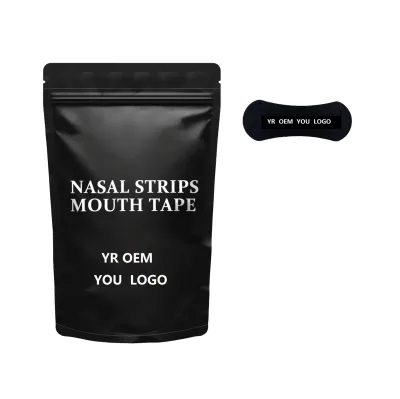
Customization is a major factor in cost variation. The data indicates that OEM (Original Equipment Manufacturer) and ODM (Original Design Manufacturer) services are acceptable and available. Buyers requesting custom logos, specific packaging designs (such as paper boxes or OPP bags), or unique product dimensions will likely incur higher unit costs compared to standard off-the-shelf products. The "Sample" availability is another cost consideration; while samples are often provided for free with freight paid, the logistics of shipping samples can add to the initial outlay. Buyers should clarify whether the sample cost is waived or if it is deducted from the final bulk order invoice.
Payment terms also play a role in the overall cost structure. The standard payment method observed is T/T (Telegraphic Transfer), which is a common practice in international trade. Buyers should negotiate payment terms that align with their cash flow, potentially seeking a balance between a deposit and a final payment upon shipment. The "Selling Units" are typically listed as single items, but bulk packaging options like "30PCS/Box" can affect the per-unit calculation. Understanding the relationship between the MOQ, customization level, and packaging format is essential for accurate cost modeling. Buyers should request detailed quotations that break down the cost of materials, labor, packaging, and logistics to ensure transparency.
Typical Applications and Usage Scenarios
The application of extra strength non-woven nasal strips extends beyond a single use case, catering to a diverse range of consumer needs. The primary application is for nasal support, designed to help users "Breathe Easily" by mechanically opening the nasal passages. This makes the product particularly valuable for individuals suffering from nasal congestion, snoring, or sleep apnea. The "Anti-Scratch" feature mentioned in some specifications suggests that the strips may also be designed to protect the skin or prevent irritation during removal, enhancing the user experience.
The versatility of these products is highlighted by their usage scenarios, which include home use, office environments, and travel. For home use, the strips are often employed during sleep to improve airway patency and reduce snoring. In office settings, they may be used to alleviate congestion caused by dry air conditioning or allergens. The travel application is particularly relevant given the compact single package size of 8.5x3x0.3 cm, which makes the product easy to carry in a carry-on bag or pocket. The "Waterproof" vs. "Non-Waterproof" distinction is critical here; for travelers engaging in activities involving water or high humidity, the non-waterproof variants may require careful handling, whereas waterproof versions offer greater durability.
The "Age Group" specification of "Adults" narrows the target demographic, though the product's skin-friendly nature makes it suitable for a wide range of adult skin types. The "Feature" of strong adhesion ensures that the strip remains effective even during movement, making it suitable for active lifestyles. Buyers should consider the specific needs of their target market when selecting the product. For example, a brand focusing on athletes might prioritize the waterproof and strong adhesion features, while a brand targeting sleep quality might emphasize the breathability and anti-snore capabilities. Understanding these application nuances allows buyers to position the product effectively in their respective markets.
Supplier Evaluation and Selection Criteria
Selecting the right supplier for extra strength non-woven nasal strips requires a comprehensive evaluation of their capabilities, reliability, and alignment with buyer requirements. The supply chain data reveals that suppliers are located primarily in Hebei and Fujian, China. Buyers should verify the specific location of the manufacturing facility, as regional differences can impact logistics costs and lead times. The "Place of Origin" is a key identifier, and buyers should ensure that the supplier's stated origin matches their logistical expectations.
The "OEM/ODM" capability is a critical evaluation point. Suppliers that accept customization, including "Customized Logo" and "Custom Box" options, offer greater flexibility for branding. Buyers should assess the supplier's ability to handle custom orders, including their capacity for design support and production flexibility. The "Acceptable" status of OEM/ODM services suggests that these suppliers are open to collaboration, but the extent of their capabilities should be verified through direct communication. Additionally, the "Sample" availability is a strong indicator of supplier confidence. Suppliers that offer free samples with freight paid demonstrate a willingness to engage and a confidence in their product quality.
Quality control is another essential criterion. The presence of ISO certification is a positive signal, but buyers should request evidence of the supplier's internal quality control processes. This includes their methods for material inspection, production monitoring, and final product testing. The "Shelf Life" of 2 Years is a standard metric, but buyers should verify the supplier's storage conditions to ensure that the product maintains its quality over time. The "Single gross weight" of 0.010 kg is a useful metric for calculating shipping costs, and buyers should confirm that the supplier's packaging aligns with this weight to avoid unexpected logistics expenses.
Quality Control and Long-Term Procurement Considerations
Maintaining consistent quality is paramount for long-term procurement success. Buyers should implement a robust quality control (QC) protocol that includes pre-shipment inspections and random sampling. The "Feature" of strong adhesion and "Skin-Friendly" attributes must be verified through physical testing to ensure they meet the specified standards. The "Material" composition of non-woven fabric and PE should be checked for consistency, as variations in material quality can affect the product's performance and shelf life.
Long-term procurement considerations also involve supply chain resilience. The "MOQ" range of 2 to 200,000 pieces offers flexibility, but buyers should plan for potential fluctuations in demand. Establishing a relationship with a supplier that can scale production up or down based on market needs is essential. The "Payment" terms of T/T should be reviewed to ensure they align with the buyer's financial policies. Additionally, the "Package" options, such as "Pet Bag" or "Paper Box," should be evaluated for their impact on product protection and brand image.
Sustainability is an emerging consideration in the procurement of non-woven products. While the data does not explicitly mention eco-friendly materials, buyers should inquire about the recyclability of the non-woven fabric and PE components. The "Customization" availability allows for the development of sustainable packaging solutions, which can enhance the brand's reputation. Finally, buyers should monitor the "Shelf Life" closely to ensure that inventory turnover is managed effectively, preventing the accumulation of expired stock. By focusing on these quality control and long-term factors, buyers can build a reliable and sustainable supply chain for extra strength non-woven nasal strips.
Comparative Analysis of Product Variants
To facilitate informed decision-making, buyers should compare the different product variants available in the market. The following table summarizes the key differences observed in the supply chain data:
| Feature | Variant A | Variant B | Variant C |
|---|---|---|---|
| Material | Nonwoven Fabric / PE | PE, Non-Woven Cloth and Film | Non-woven Fabric |
| Waterproof | Non-Waterproof | Waterproof | Non-Waterproof |
| Packaging | Pet Bag | Paper Box | OPP Bag or Custom Box |
| Origin | Hebei, China | Fujian, China | Hebei, China |
| Model Number | N2411S | Ellamic2025110712 | Ellamic2025102808 |
| Adhesion | Strong Adhesion | Strong Adhesion | Strong Adhesion |
| Certification | ISO | ISO | ISO |
This comparison highlights the diversity in material composition and packaging options. Variant B, for instance, includes a film layer and is waterproof, making it suitable for specific use cases where moisture resistance is required. Variant A and C are non-waterproof but may offer different cost advantages. Buyers should select the variant that best aligns with their target market's needs and budget constraints. The consistent presence of ISO certification across variants suggests a baseline level of quality, but the specific material and packaging differences should guide the final selection.
FAQs
What materials are used for extra strength non-woven nasal strips?
These strips are constructed from non-woven fabric and polyethylene (PE), often including a film layer. This composite structure ensures strong adhesion while maintaining skin-friendly properties for extended wear on the nose.
Which certifications do manufacturers typically hold for these products?
Reputable manufacturers usually hold ISO quality certification for their production processes. Buyers should verify specific ISO standards directly with suppliers to ensure compliance with international management system requirements.
How does the minimum order quantity affect pricing for these strips?
The minimum order quantity ranges from 2 pieces to 200,000 pieces, significantly influencing the unit price. Lower MOQs allow for market testing, while bulk orders typically secure lower costs within the observed 0.01 to 2 USD range.
Can buyers request custom logos and packaging for these nasal strips?
Yes, OEM and ODM services are acceptable, allowing for customized logos and packaging options like paper boxes or OPP bags. Customization is available but may impact the final unit cost compared to standard off-the-shelf products.
What is the typical shelf life for extra strength non-woven nasal strips?
The standard shelf life for these products is listed as 2 years. Buyers must verify production dates to ensure stock remains valid and to plan inventory management effectively before expiration.
Where are the primary manufacturing locations for these nasal strips?
Most products originate from Hebei, China, with some listings indicating Fujian, China as the place of origin. Both regions are established hubs for non-woven textiles and medical supply manufacturing.
Are these nasal strips suitable for use during travel and office work?
Yes, the usage is specified for home, office, and travel environments. Their compact single package size of 8.5x3x0.3 cm makes them easy to carry, while strong adhesion ensures effectiveness during movement.