Source Extreme Fixation Hair Fixative for Wigs, Systems, and Extensions
Find and compare 30 products for extreme fixation hair fixative solutions. Options include medical-grade oil-based removers, tape-in extensions, and hair growth care items from global manufacturers. Evaluate specifications and request quotes for your sourcing needs; compare the available evidence and request quotations based on your requirements.
Key considerations
Products List






Comprehensive Sourcing Guide
Extreme Fixation Hair Fixative Sourcing Guide
Procurement of extreme fixation hair fixatives requires distinguishing between adhesive systems designed for hair systems and those intended for general hair care or extensions. The observed market data indicates a clear bifurcation where some products function specifically to remove glue from hair systems, while others serve as the adhesive itself for wigs or tape-in extensions. Buyers must carefully align their specific application needs with the product's stated function, as a remover cannot substitute for a bonding agent, and vice versa.
Verification of the product's intended use is critical before placing any order, as the supply chain contains items labeled for hair growth, hair removal, and direct hair attachment. The available listings show products ranging from small 15ml bottles to larger 118ml containers, each potentially serving different fixation intensities or application methods. Sourcing teams must ensure the selected item matches the exact operational requirement, whether it involves securing a wig, attaching tape-in extensions, or managing the maintenance of existing hair systems.
Product Scope and Observed Listing Signals
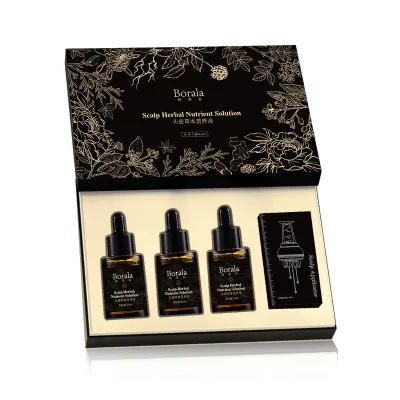
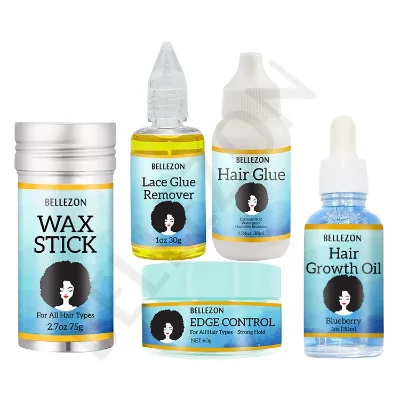
The current market landscape for extreme fixation products reveals a diverse range of physical forms and packaging configurations that signal their intended use. Listings include transparent glues packaged in boxes, yellow-colored adhesives, and specialized tape-in hair extensions made from human hair. These variations suggest that "extreme fixation" is not a single monolithic product but a category encompassing liquid adhesives, tape systems, and potentially related hair care treatments, each requiring distinct handling and application protocols.
Buyers should scrutinize the listed color and material attributes to confirm the product matches their technical requirements, as observed listings range from transparent to yellow formulations. The presence of human hair materials in some listings indicates that the category may also include the hair systems themselves rather than just the fixation agents. It is essential to verify whether the product is a standalone adhesive or part of a larger system, such as a tape-in extension kit, to avoid purchasing incompatible components for a specific hair system setup.
Technical Specifications to Verify
Technical verification must begin with the precise volume and standard specifications listed for each product, as observed data includes standards ranging from 15ml to 118ml and bulk quantities like 10 x 5.0ml. These volume differences often correlate with the intended application method, where smaller volumes might be for precision touch-ups and larger volumes for full system installation. Procurement teams must confirm that the selected volume aligns with the expected consumption rate and the scale of the hair system being serviced.
Material composition and grade are equally critical, with observed listings specifying medical-grade oils and human hair materials like Remy and European hair. While some products are explicitly labeled as medical grade, others are described simply as oil-based or human hair, which may imply different safety profiles and bonding characteristics. Buyers must ensure that the material grade meets the safety requirements for skin contact, particularly for products applied directly to the scalp or hairline, and verify that the specified hair type matches the desired aesthetic outcome.
Compliance and Safety Documentation
Safety documentation for hair fixation products should prioritize certifications that validate the product's suitability for human contact, such as ISO, GMP, and GMPC standards observed in the Guangzhou market listings. These certifications indicate that the manufacturing process adheres to strict quality control measures, which is essential for products applied to the skin or hair. Buyers should request current certificates of analysis and compliance to ensure the product has been tested for toxicity and allergenic potential before large-scale deployment.
In addition to manufacturing standards, the origin of the product plays a significant role in regulatory compliance, with observed listings originating from China, Korea, and France. Different regions may have varying regulatory frameworks regarding cosmetic and medical device classification, which can impact import requirements and safety labeling. Procurement teams must verify that the product's origin aligns with the regulatory requirements of the destination market and that all necessary safety data sheets are provided to ensure legal and safe usage.
Cost Drivers and Commercial Terms
Commercial terms for extreme fixation products vary significantly based on the minimum order quantity and payment flexibility observed in the market. Listings show MOQs ranging from a single bottle to 10,000 units, with payment options including T/T, Western Union, PayPal, and Visa. Buyers must evaluate their inventory needs against these MOQ thresholds to optimize cash flow, as smaller orders may incur higher per-unit costs while larger orders might require significant upfront capital.
Lead times and shipping methods are additional cost drivers that influence the total landed cost of the product. Observed delivery times range from 3 days to 12 days, with shipping handled via FedEx, UPS, and DHL. These variations in logistics can impact the urgency of the order and the overall cost structure, particularly for time-sensitive hair system maintenance. Procurement teams should factor in these delivery windows when planning inventory replenishment to avoid stockouts or unnecessary expedited shipping fees.
Supplier Qualification and Quality Control
Supplier qualification should focus on the ability to provide customization and private labeling, as observed listings indicate that customer logos and private labels are available options. This capability is crucial for brands looking to differentiate their products in the market, but it requires a supplier with robust quality control processes to ensure consistency across customized batches. Buyers must assess the supplier's capacity to maintain product integrity while accommodating specific branding and packaging requirements.
Quality control extends to the consistency of the product's physical attributes, such as color and texture, which can vary between batches. The observed listings show products with specific colors like transparent and yellow, suggesting that color consistency is a key quality metric. Procurement teams should implement incoming quality checks to verify that the received goods match the agreed-upon specifications and that the product performs as expected in real-world application scenarios.
Long-Term Procurement Checks
Long-term procurement strategies must include regular re-evaluation of supplier performance and product stability to ensure continued compliance and quality. As the market for hair fixation products evolves, buyers should monitor changes in product formulations, standards, and regulatory requirements to maintain a competitive edge. Establishing a schedule for periodic audits and product testing will help identify any deviations in quality or performance before they impact the end-user experience.
Sustainability and supply chain resilience are also critical considerations for long-term success, particularly given the diverse origins of the observed products. Buyers should assess the supplier's ability to maintain consistent supply despite potential disruptions in different regions, such as China, Korea, or France. Developing a diversified supplier base and maintaining clear communication channels will help mitigate risks and ensure a steady flow of high-quality extreme fixation products for ongoing business operations.
FAQs
Can I customize the logo on extreme fixation hair fixative orders?
Yes, customization is available for this product. Buyers can apply their own logo to the packaging or product surface. This service supports private labeling strategies for brands seeking unique market positioning. The minimum order quantity for customized items is typically one bottle, allowing for flexible trial orders before scaling up production volumes.
What is the minimum order quantity for extreme fixation hair fixative?
The minimum order quantity is one bottle. This low entry point allows buyers to test product quality and market response without significant inventory risk. For bulk procurement, orders can scale up to ten thousand units. This flexibility supports both small boutique wig makers and large-scale hair system manufacturers seeking reliable adhesive solutions.
How long does delivery take for extreme fixation hair fixative?
Delivery typically takes seven to twelve days after payment confirmation. This lead time accounts for production scheduling and international shipping logistics via carriers like FedEx, UPS, or DHL. Buyers should plan their inventory replenishment cycles accordingly to ensure continuous supply for their wig or hair system production lines without interruption.
What payment methods are accepted for extreme fixation hair fixative?
Accepted payment methods include T/T, Western Union, PayPal, and Visa. These options provide flexibility for international transactions, accommodating various business preferences and regional banking regulations. Buyers can choose the most secure or convenient method for their financial operations, ensuring smooth transaction processing and timely order fulfillment by the supplier.
Is extreme fixation hair fixative suitable for removing glue from hair systems?
Yes, the product is specifically designed to remove glue from hair systems. It functions as a specialized adhesive remover for wigs and hairpieces. The formulation helps dissolve bonding agents safely, protecting the hair material. This makes it an essential tool for wig maintenance professionals and users who need to reapply adhesives or clean their hair systems.
What certifications apply to extreme fixation hair fixative production?
Production standards include ISO, GMP, and GMPC certifications. These quality management systems ensure the product meets international safety and manufacturing benchmarks. The facility operates in Guangzhou, China, adhering to strict hygiene and quality control protocols. These certifications provide buyers with confidence in the product's consistency, safety, and suitability for professional hair care applications.