Source Farm Use Grain Cleaning and Grading Machine for Wheat Beans Seeds
Compare 30 Farm Use Grain Cleaning and Grading Machine options with varying capacities from 5 to 7.5 tons per hour. Buyers can evaluate specifications including power, dimensions, and certifications like ISO9001 and TUV for wheat, beans, and seed processing needs.
Key considerations
Products List


Popular Multi Grain Cleaning Machine with Multi Functions Cleaning and Grading
$10000.00 - $10500.00
MOQ: 1 Sets


Agriculture Planting Equipment Grain Seed Cleaning and Grading Machine
$3500.00 - $11500.00
MOQ: 1 Sets



Comprehensive Sourcing Guide
Strategic Sourcing Guide for Farm-Use Grain Cleaning and Grading Machines
Procuring agricultural machinery for grain cleaning and grading requires a disciplined approach that balances technical performance with supply chain reliability. For farm operators and agricultural cooperatives, the selection of a Grain Seed Cleaning and Grading Machine is not merely a purchase of equipment but an investment in post-harvest efficiency. The market presents a diverse array of options, ranging from compact units to high-capacity industrial systems. This guide provides a structured framework for evaluating these machines based on verified technical attributes, compliance standards, and operational requirements, ensuring that procurement decisions are grounded in factual data rather than marketing assertions.
Technical Specifications and Operational Capacity
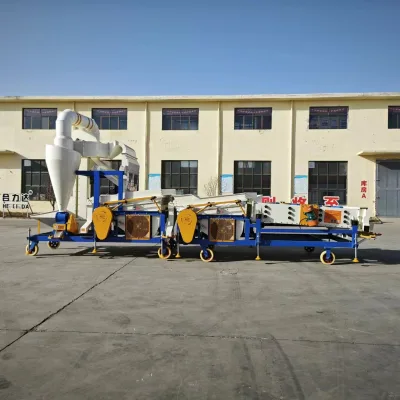
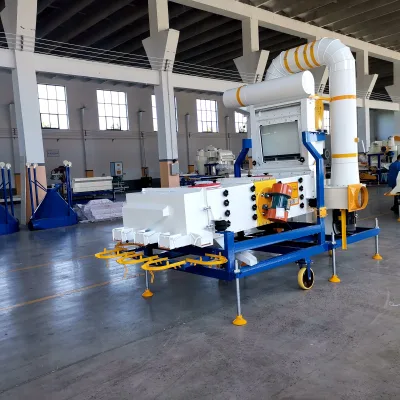
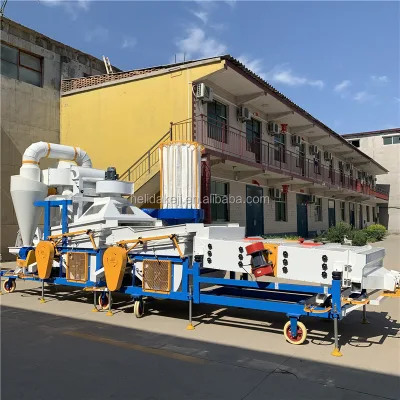
The core functionality of a grain cleaning and grading machine lies in its ability to separate impurities, stones, and unfilled kernels from the main crop. When analyzing technical specifications, buyers must prioritize capacity, power consumption, and physical dimensions to ensure compatibility with existing farm infrastructure. Observed data indicates that these machines typically operate with capacities ranging from 5 to 7.5 tons per hour. For instance, specific models are documented with a capacity of 5 tons per hour, while others are engineered to handle 7.5 tons per hour, particularly when processing wheat. This variance suggests that the selection must align with the specific throughput requirements of the farm's harvest volume.
Power consumption is another critical technical parameter. The machinery typically utilizes electric motors with power ratings observed between 6.99 kW and 9.9 kW. A model with a 7.74 kW motor represents a mid-range option, while higher-capacity units may require up to 9.9 kW. These figures are essential for calculating energy costs and ensuring that the farm's electrical infrastructure can support the load. Voltage requirements are generally standardized at 380V, which is common for industrial agricultural equipment in many regions.
Physical dimensions and weight are vital for logistics and installation. The footprint of these machines varies significantly, with dimensions observed ranging from approximately 3920x2430x3440 mm to larger configurations like 5600x2100x3500 mm. The weight of the units also fluctuates, with recorded figures including 1.5 tons, 1.77 tons, and 1.8 tons. Buyers must verify that their facility can accommodate the largest dimensions and weight of the selected model. Furthermore, the material composition is a key indicator of durability; high-quality units are often constructed from thickened carbon steel, which provides the necessary strength to withstand the abrasive nature of grain processing.
Compliance, Certification, and Safety Standards
In the global agricultural machinery market, compliance with international standards is a non-negotiable aspect of procurement. Buyers should verify that the equipment carries recognized certifications that attest to quality management and safety. The most frequently observed certifications for these machines include ISO9001, TUV, SGS, CE, and Soncap. These certifications indicate that the manufacturing process adheres to specific quality control protocols and that the product meets safety requirements for export and domestic use.
It is important to note that while ISO9001 is a common standard cited in product descriptions, buyers must confirm the specific version or scope of the certification, as standards evolve. For example, some documentation references ISO9001-2008, while others simply list ISO9001. The presence of TUV and SGS certifications further validates the mechanical integrity and safety of the machinery. Additionally, regional certifications like Soncap (for Nigeria) or CE (for Europe) are crucial if the equipment is intended for export to those specific markets.
Buyers should request copies of these certificates directly from the supplier to verify their validity and scope. Relying solely on a product listing that mentions "High Quality" or "Certified" without providing specific certification numbers is insufficient. The absence of these certifications should be treated as a red flag, indicating potential risks regarding product reliability and safety compliance.
Cost Drivers and Pricing Variables
The pricing of grain cleaning and grading machines is influenced by several factors, including capacity, power rating, material quality, and customization options. The observed price range in the market is substantial, spanning from approximately $192.63 to $118,000. This wide disparity reflects the difference between smaller, entry-level units and large-scale industrial systems. The lower end of the spectrum likely corresponds to basic models with lower capacity and simpler configurations, while the higher end represents high-capacity machines with advanced features like cyclone dust separators and custom engineering.
Capacity is a primary cost driver. Machines capable of processing 7.5 tons per hour generally command a higher price than those rated for 5 tons per hour. Similarly, the inclusion of specialized components, such as cyclone dust separators, adds to the overall cost but offers significant benefits in terms of environmental compliance and grain purity. The material used in construction also impacts price; units made from thickened carbon steel are more expensive than those using standard steel but offer superior longevity.
Customization is another variable that affects pricing. While some models are listed as non-customized, others offer available customization options. Buyers seeking specific configurations, such as unique sieve sizes or custom dimensions, should anticipate additional costs. The minimum order quantity (MOQ) for these machines is typically low, often ranging from 1 unit, which allows for flexible procurement for individual farms or small cooperatives. However, buyers should be aware that bulk orders may offer different pricing structures, though specific volume discounts are not universally guaranteed without direct negotiation.
Typical Applications and Processing Capabilities
The versatility of grain cleaning and grading machines makes them suitable for a wide range of agricultural applications. The primary function of these machines is to clean grain by removing stones, dust, and other impurities. Specific models are designed to handle multiple processing stages, including stone removal, general cleaning, and grading. This multi-stage processing ensures that the final product meets market standards for purity and quality.
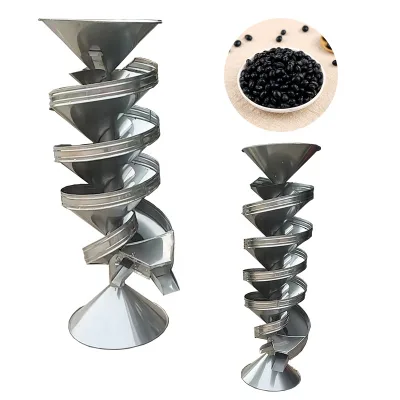
The types of crops processed by these machines include wheat, beans, and various other grains. Some documentation specifically highlights the machine's capability to process wheat, while others list beans as a primary application. The ability to handle different crop types depends on the sieve size and the configuration of the cleaning mechanism. For example, the sieve size is a critical specification, with observed dimensions such as 2000x1000 mm. Buyers must ensure that the sieve configuration matches the size and shape of the grain they intend to process to avoid inefficiencies or damage to the crop.
Furthermore, the inclusion of a cyclone dust separator is a notable feature for farms concerned with air quality and dust management. This component helps in capturing fine dust particles generated during the cleaning process, reducing the risk of respiratory issues for operators and minimizing the environmental impact of the operation. The presence of this feature is particularly relevant for farms operating in enclosed spaces or areas with strict environmental regulations.
Supplier Evaluation and Quality Assurance
Evaluating suppliers requires a thorough assessment of their production capabilities, quality control measures, and after-sales support. Buyers should look for suppliers who demonstrate a commitment to quality through their use of certified materials and adherence to international standards. The condition of the machinery is typically listed as "New," but buyers must verify the manufacturing date and the history of the unit to ensure it has not been previously used or refurbished without disclosure.
Quality assurance extends beyond the initial purchase. Buyers should inquire about the warranty period, which is commonly offered as one year. This warranty should cover major components and mechanical failures, providing a safety net for the buyer in case of early defects. Additionally, the availability of on-site training services is a significant value-add. Suppliers that offer installation and training ensure that farm operators can utilize the machine effectively from day one, reducing the risk of operational errors and downtime.
Packaging is another aspect of supplier evaluation. Standard packaging for these machines usually involves export-standard wooden boxes, plywood cases, or containerized shipping. This ensures that the equipment arrives at the destination in pristine condition, protected from damage during transit. Buyers should verify that the packaging meets the specific requirements of their logistics chain to avoid additional handling costs or damage risks.
Long-Term Procurement and Maintenance Considerations
Long-term ownership of grain cleaning and grading machines involves considerations beyond the initial purchase price. Maintenance costs, spare parts availability, and the potential for customization are critical factors in the total cost of ownership. The lead time for delivery is an important logistical factor, with observed delivery dates ranging around 20 days. Buyers must factor this lead time into their harvest planning to ensure the machine is available when needed.
Spare parts availability is essential for minimizing downtime. Buyers should confirm that the supplier maintains a stock of critical components such as sieves, motors, and bearings. The ability to source these parts quickly can significantly impact the operational efficiency of the farm. Additionally, the option for customization allows buyers to adapt the machine to changing agricultural needs, such as processing different grain varieties or upgrading to higher capacities in the future.
Finally, buyers should consider the environmental impact of the machine. Features like cyclone dust separators contribute to a cleaner working environment and help farms comply with environmental regulations. By selecting a machine that prioritizes both efficiency and sustainability, buyers can ensure long-term viability and reduce the risk of regulatory issues. The combination of high-quality materials, robust certifications, and comprehensive after-sales support forms the foundation of a successful long-term procurement strategy for farm-use grain cleaning and grading machines.
Comparative Analysis of Key Specifications
To assist buyers in making informed decisions, the following table summarizes the key technical specifications observed in the market. This comparison highlights the variability in capacity, power, and dimensions, aiding in the selection of the most suitable machine for specific farm requirements.
| Specification | Model A (Example) | Model B (Example) | Model C (Example) |
|---|---|---|---|
| Capacity | 5 Ton/Hour | 7.5 Ton/Hour | 5 Ton/Hour |
| Power | 7.74 kW | 9.9 kW | 6.99 kW |
| Dimensions | 497019003100 mm | 3920X2430X3440 mm | 465018503100 mm |
| Weight | 1.5 Ton | 1.77 Ton | 1.8 Ton |
| Sieve Size | 2000*1000 mm | N/A | N/A |
| Certifications | ISO9001, TUV, Soncap | ISO9001-2008, TUV, SGS | ISO9001, TUV, SGS, CE |
| Material | Thicken Carbon Steel | Thicken Carbon Steel | Thicken Carbon Steel |
| Color | White | White or Green | Green, White |
| Warranty | 1 Year | One Year | One Year |
| Origin | Hebei, China | China | China |
This table illustrates that while the core function remains consistent, the specific attributes vary significantly. Buyers must match these specifications to their operational needs, ensuring that the selected machine offers the optimal balance of capacity, power, and physical fit for their facility. By carefully evaluating these parameters, farms can secure equipment that enhances productivity and ensures the highest quality of grain processing.
FAQs
What is the typical capacity range for these machines?
These machines typically operate with capacities ranging from 5 to 7.5 tons per hour. Specific models are documented to handle 5 tons per hour, while others are engineered to process 7.5 tons per hour, particularly when processing wheat.
Which certifications do these machines usually carry?
The machinery commonly carries recognized certifications including ISO9001, TUV, SGS, CE, and Soncap. These certifications indicate that the manufacturing process adheres to specific quality control protocols and meets safety requirements for export and domestic use.
How much power do these grain cleaning machines consume?
The machinery typically utilizes electric motors with power ratings observed between 6.99 kW and 9.9 kW. A model with a 7.74 kW motor represents a mid-range option, while higher-capacity units may require up to 9.9 kW.
Can buyers request customization for these grain cleaners?
Customization is available for many models, allowing for specific configurations like unique sieve sizes. While some models are listed as non-customized, others offer available customization options to meet specific farm throughput requirements.
What is the standard warranty period for this equipment?
The warranty period is commonly offered as one year. This warranty should cover major components and mechanical failures, providing a safety net for the buyer in case of early defects.
How long is the typical delivery lead time?
The lead time for delivery is an important logistical factor, with observed delivery dates ranging around 20 days. Buyers must factor this lead time into their harvest planning to ensure the machine is available when needed.
What materials are used to construct these machines?
High-quality units are often constructed from thickened carbon steel, which provides the necessary strength to withstand the abrasive nature of grain processing. This material composition is a key indicator of durability and longevity.