Source Farm Use Feed Mixer and Crusher for Poultry, Livestock, and Farms
Source a Farm Use Feed Mixer and Crusher from 30 verified listings. Compare ring die pelleters, twin screw bulkers, and hammer mills for mixed feed processing. Evaluate specifications like voltage, capacity, and customization options to find the right equipment for your agricultural needs.
Key considerations
Products List


Lane Cattle Feed Cutter Crusher and Mixer Feed Machine Mixer and Crusher
$1600.00 - $2400.00
MOQ: 1 Pieces


Lane Animal Feed Mixer and Crusher Equipment Cattle Feed Mixer and Crusher
$1100.00 - $1900.00
MOQ: 1 Pieces

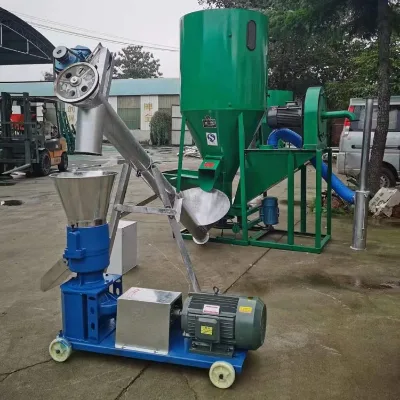
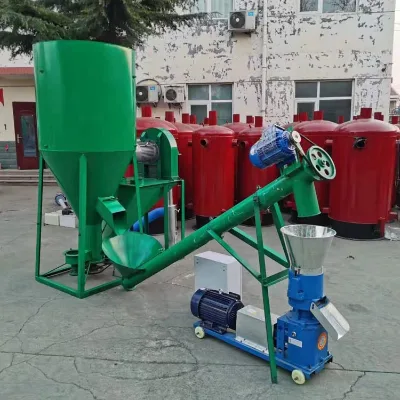
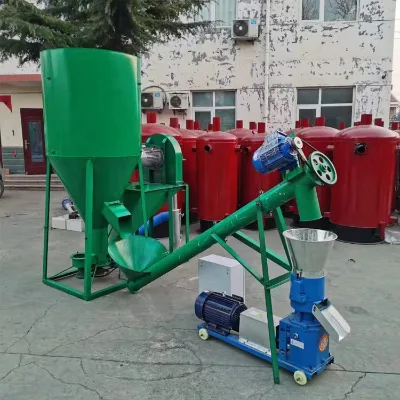


Feed Mixing Machine Animal Feed Crusher and Mixer Animal Feed Machine for Chicken
$900.00 - $1100.00
MOQ: 1 Sets


Farm Animal Feed Mixer Tmr Horizontal 9cbm Electric Feed Crusher Mixer CE
$5800.00 - $18000.00
MOQ: 1 Pieces

Farm Chicken Poultry Animal Feed Mixer Crusher Dry Wet Feed Grinder Machine
$800.00 - $1600.00
MOQ: 1 Pieces

Livestock Feed Chicken Feed Crushing and Mixing Machine Feed Processing Machines
$3500.00 - $30000.00
MOQ: 1 Sets
Comprehensive Sourcing Guide
Farm Use Feed Mixer and Crusher Sourcing Guide
Buyers must first distinguish between equipment designed for mixing-before-crushing versus crushing-before-mixing workflows, as the supplied data indicates distinct processing technics for different feed types. Some units are explicitly configured for mixed feed with a feed hammer mill, while others prioritize animal-derived feed using a crushing-before-mixing sequence. Understanding this operational sequence is critical before selecting a machine, as the wrong configuration can compromise feed quality and processing efficiency.
The observed product range includes specialized units like twin screw bulking machines and ring die pelleters alongside standard powder mixers, suggesting a need to match the machine type to the specific raw material shape. Whether the input is granular, powder, or sawdust, the equipment must align with the intended application area, such as agricultural chemicals or general livestock feeding. Procurement decisions should prioritize machines that explicitly state their processing object and applicable materials shape to ensure compatibility with existing farm operations.
Product Scope and Observed Listing Signals
The market presents a wide spectrum of models, ranging from the FSJB-1 feed hammer mill to the SHJ-250 and DHFJ-500 variants, each serving different capacity and functional needs. Listings indicate that some units are designed for high-speed mixing of powders and liquids with suspended solids, while others focus on grinding sawdust, straw, or rice husk for pellet production. Buyers should carefully review the product name and function descriptions to ensure the machine addresses the specific goal of making animal feed or processing poultry feed.
Price observations span from 15 to 30,000 USD, reflecting the diversity in power ratings, such as 7.5kw or 7.5+3kw configurations, and the complexity of the machinery. Minimum order quantities are generally low, often starting at 1 or 2 units, which facilitates testing smaller batches before scaling up. However, the variation in packing standards, from standard wooden cases to iron sheet boxes, requires buyers to verify logistics requirements and ensure the packaging protects the equipment during transit from the origin.
Technical Specifications to Verify
Voltage compatibility is a primary technical constraint, as the available units operate on either 220V or 380V systems, necessitating a check against local farm power infrastructure. The physical dimensions also vary significantly, with standard sizes noted around 200013502300mm or 240031001250mm, meaning buyers must confirm that the equipment fits within their designated facility layout. Ignoring these spatial and electrical requirements can lead to installation failures or the need for costly facility modifications.
Capacity and grinding efficiency are further critical specifications, with some models boasting output rates between 1000 and 2600kg/H depending on the specific model number and configuration. Buyers should verify whether the machine includes a screen mesh, as some units are equipped with them while others operate without, directly impacting the final particle size of the feed. Additionally, the layout type, typically horizontal for these mixers, must be confirmed to ensure it aligns with the farm's workflow and material handling systems.
Compliance and Safety Documentation
Certification status is a vital indicator of safety and regulatory compliance, with CE certification explicitly noted for several units in the current market listings. This certification suggests adherence to specific European safety standards, which is often a prerequisite for importing machinery into various international markets. Buyers should request valid certification documents for the specific model they intend to purchase to ensure the equipment meets the legal safety requirements of their region.
Warranty terms provide a baseline for after-sales support, with a standard one-year warranty observed across the available product range. It is essential to clarify the scope of this warranty, particularly regarding the availability of online support for troubleshooting and maintenance. Buyers should verify if the warranty covers critical components like the motor or the grinding mechanism, ensuring that long-term operational risks are mitigated through clear contractual agreements with the supplier.
Cost Drivers and Commercial Terms
The total cost of ownership is influenced by power consumption, with models featuring 7.5kw or dual-motor 7.5+3kw setups consuming different amounts of energy during operation. Higher power ratings generally correlate with increased throughput and grinding capability, but they also demand more robust electrical infrastructure and higher ongoing energy costs. Buyers must calculate the energy efficiency relative to their expected production volume to determine the most cost-effective option for their specific farm size.
Customization availability is a significant factor in pricing, as some suppliers offer tailored solutions for packing or specific functional requirements. While the standard models come in wooden cases or iron sheet boxes, customized packing options may incur additional fees. Procurement teams should negotiate these terms early, ensuring that any customizations required for specific farm conditions are clearly defined in the commercial contract to avoid unexpected cost overruns.
Supplier Qualification and Quality Control
Origin verification is crucial, as the majority of listed equipment originates from China, with specific mentions of Henan as a manufacturing hub. Buyers should confirm the specific factory location to assess the supplier's logistical capabilities and reputation within that industrial region. Understanding the origin helps in anticipating potential supply chain delays and ensures that the supplier has the necessary infrastructure to support international shipping and delivery.
Quality control should be validated through the condition of the equipment, which is consistently listed as new, and the availability of after-sales services like online support. Buyers must verify the supplier's ability to provide technical documentation and spare parts, especially for complex components like the tooth claw mill or twin screw bulking mechanisms. Establishing a clear communication channel for technical support is essential for maintaining equipment uptime and resolving operational issues promptly.
Long-Term Procurement Checks
Maintenance requirements vary based on the equipment type, with grinding equipment like the feed hammer mill and tooth claw mill requiring regular inspection of wear parts. Buyers should establish a preventive maintenance schedule that accounts for the specific processing technics, such as mixing-before-crushing, which may subject different components to unique stress patterns. Regular checks on the screen mesh and motor performance are necessary to maintain consistent feed quality and prevent unexpected breakdowns.
The applicability of the equipment to future farm needs should be assessed, considering that some units are designed for mixed feed while others handle animal-derived feed or agricultural chemicals. As farm operations evolve, the ability to adapt the machinery to new raw materials, such as switching from straw to wood waste, will determine the long-term value of the investment. Buyers should prioritize versatile models that can accommodate changes in feed formulation without requiring a complete equipment replacement.
FAQs
What types of feed mixers and crushers are available for farms?
Farm operations can choose from horizontal powder mixers, ring die pelleters, and twin or single screw bulking machines. Options include feed hammer mills and tooth claw mills for grinding. These machines handle mixed feed, animal-derived feed, and granular or powder materials for poultry, livestock, and general farm use.
Can these machines process sawdust and straw for animal feed?
Yes, specific models are designed to process raw materials like sawdust, straw, rice husk, and wood waste. The equipment supports crushing-before-mixing or mixing-before-crushing techniques. This versatility allows farmers to create customized feed formulations from various agricultural byproducts and organic waste materials efficiently.
What certifications and voltage options are standard for these units?
Most units carry CE certification for safety compliance. They typically operate on 220V or 380V power supplies to suit different farm electrical infrastructures. The machines are new condition and come with a one-year warranty. Standard packaging includes wooden cases or iron sheet boxes for secure transport.
What is the typical capacity range for feed processing equipment?
Processing capacities generally range from 1000 to 2600 kg per hour. This output level supports medium to large-scale farm operations. The high-speed mixer and grinder combination ensures consistent throughput. Buyers should verify specific model capacities, as variations exist between different machine types and configurations available in the market.
Is customization available for specific farm requirements?
Customization is available for many feed mixer and crusher models. Buyers can request specific dimensions, power ratings, or functional adjustments. Online support is provided for after-sales assistance. This flexibility allows farms to tailor equipment to their unique processing objects, whether handling powders, liquids with suspended solids, or granular materials.
Which models are suitable for poultry and livestock feeding?
Models like the FSJB-1, SHJ-250, and DHFJ-500 are suitable for poultry and livestock feeding. These machines function as animal feed mixers and grinders. They handle mixed feed and animal-derived feed effectively. The equipment is designed for manufacturing plants, farms, and home use, ensuring versatile application across different agricultural settings.